Power Plays and Paperwork: NSW Construction Under Load
NSW construction continues to see the expansion of major development activity, while pressure builds around utilities, approvals, and workforce settings.
In Western Sydney, the rapid expansion of the data centre sector is raising capacity questions for power and water networks [1]. At the same time, the state is continuing to intervene in housing delivery, with the Housing Delivery Authority fast tracking high density residential projects in key corridors such as North Sydney, including proposals that override local planning controls to meet supply targets [5, 8].
Beyond metropolitan Sydney, delivery conditions remain uneven. Regional projects continue to face planning delays [4], while across the market, compliance requirements are tightening and financial stress remains evident among builders and subcontractors [7, 6].
Infrastructure Under Pressure from Data Centre and Residential Boom
Major development activity is increasingly testing the limits of Sydney’s core infrastructure, led by data centres in Western Sydney and a continuing lift in high density residential projects [1, 5].
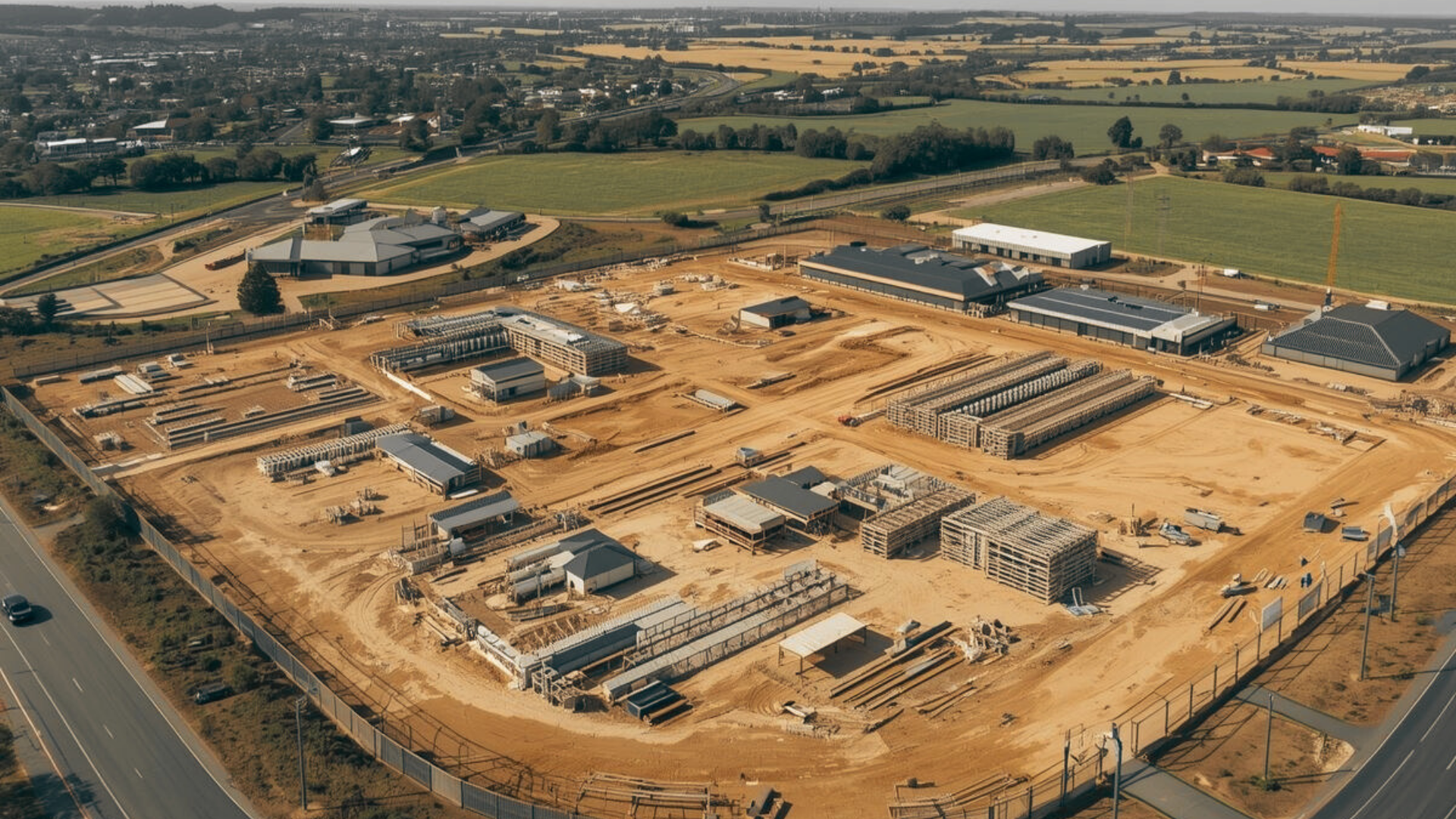
In Western Sydney, 43 major data centres are operating or seeking approval [1]. If built out, peak power demand is estimated at 4.4 gigawatts, with Endeavour Energy projecting data centres could lift load demand by 25 to 30 per cent over the next five years [1]. Water demand is also material, with projected consumption equivalent to up to 330,000 households [1]. The concentration of projects in one corridor has triggered concerns about bottlenecks and competition for network capacity with other industries [1].
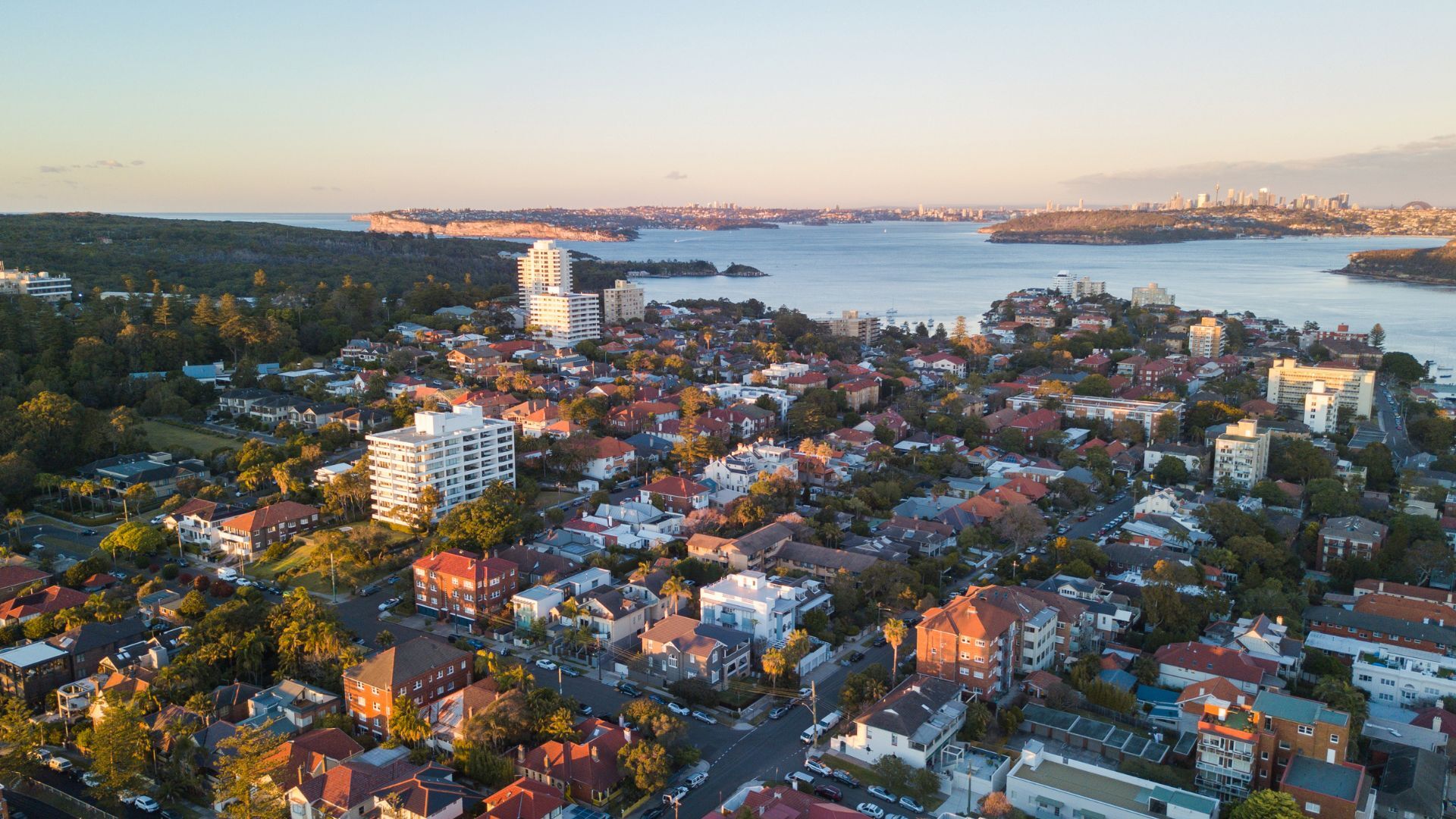
At the same time, high value residential development is moving through North Sydney and harbour side suburbs. In North Sydney, two towers on Alfred Street are progressing at a combined cost of almost $380 million and would deliver 280 apartments [5]. The broader pipeline includes luxury projects in Mosman, with reported pricing well north of $20 million per apartment, and a 48 level tower at Darling Harbour [8].
Together, the expansion of digital infrastructure and high density housing is increasing pressure on utilities and network access, with practical implications for delivery timing, costs, and certainty for proponents and contractors [1, 5].

State Intervention Accelerates Urban Projects Amid Regional Delays
In metropolitan Sydney, the Housing Delivery Authority is using state pathways to move housing projects through approvals where local planning settings have stalled [5]. For example, after an extended period of local planning delay, the two Alfred Street towers in North Sydney mentioned above were only able to progress after being declared a State Significant Development [5].
The same interventionist approach is also evident in the management of the data centre pipeline, with the Planning Minister engaging directly with industry on sustainability and resource impacts [1].
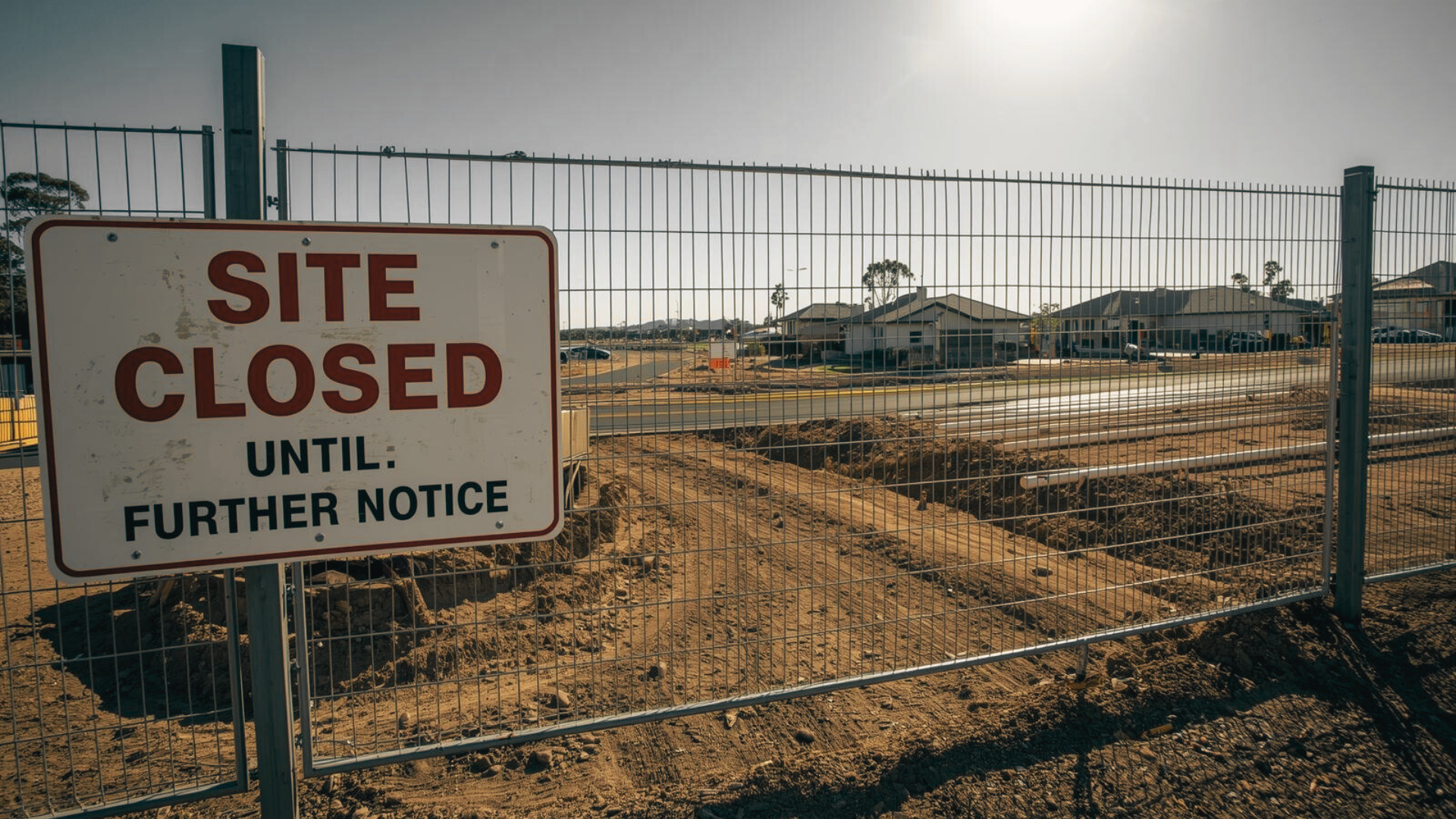
In regional NSW, approval timelines remain less predictable. The $180 million Lower Mid North Coast Health Service Project in the Myall Lakes region is facing planning delays, with reported community concern about the impact on local health services and the pace of delivery [4]. Calls have been made for stronger community participation through Local Health Committees to ensure transparency around project scope and timing [4].
The outcome is a dual speed environment. State led pathways are accelerating selected urban projects, while regional infrastructure can remain exposed to longer approvals and delivery uncertainty [4, 5].
Heightened Focus on Workforce Compliance and Safety
Regulators are tightening expectations around supervision, licensing, and health monitoring, with clearer enforcement signals for contractors and subcontractors across NSW [7].
Building Commission NSW has issued a Statement of Regulatory Intent to address confusion about apprentice plumber supervision, effective from 1 February 2026 [7]. The framework sets two tiers. Immediate supervision applies to first to third year apprentices and requires a licensed plumber to be physically present. General supervision applies to fourth year apprentices and allows remote oversight, provided the supervisor remains accessible [7]. The clarification follows a compliance blitz that included penalties, such as a $1,500 fine issued to a plumber supervising five apprentices while not on site [7].
Separate to site level enforcement, the NSW Parliament’s review of the Design and Building Practitioners Act 2020 and the Residential Apartment Buildings (Compliance and Enforcement Powers) Act 2020 is raising questions about future competency and registration standards. The Australian Institute of Building Surveyors has supported moves toward nationally consistent registration and stronger consumer protection but warned against reforms that could dilute qualification thresholds for building surveyors. It has also called for greater transparency in the reform process, including wider access to draft consolidated building legislation, highlighting uncertainty around how practitioner obligations may change if the Acts are amended [3].
Market stability and insolvency pressure remains a live constraint
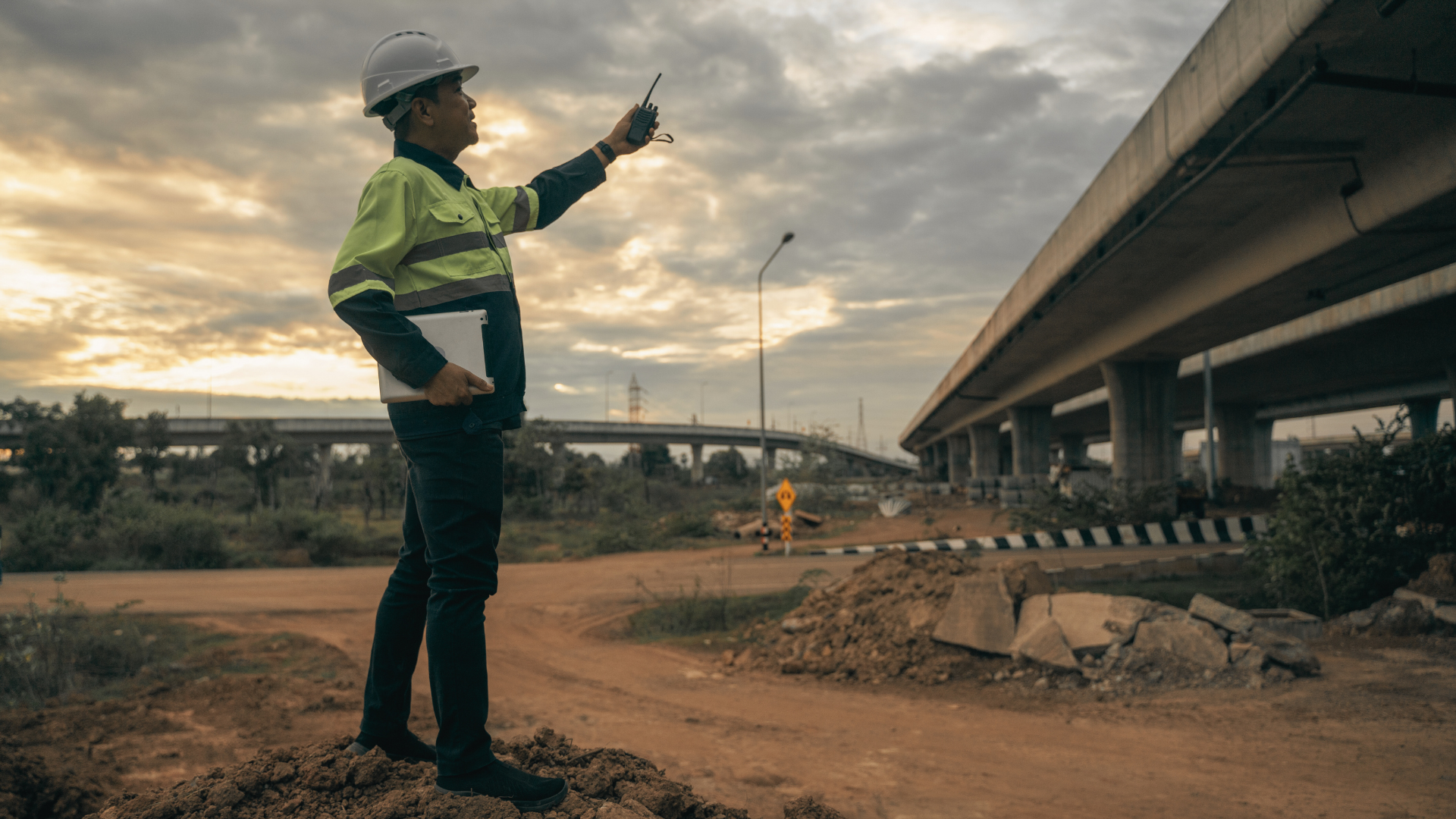
Concerns about builder and subcontractor financial stability are resurfacing alongside the current delivery push, with industry reporting sustained insolvency levels and growing strain on smaller operators [6]. ASIC data cited in the reporting shows 3,596 construction insolvencies nationally in the 2025 financial year, including 1,567 in NSW and 1,051 in Victoria, with a further 1,792 businesses placed into external administration in the six months to December 2025 [6].
The same reporting links the insolvency trend to workforce stress, with TIACS reporting 440 construction industry callers out of 1,100 users in the 2025 financial year, and industry representatives describing builders working extended hours while facing contract and cashflow pressure [6]. Against the National Housing Accord target of 1.2 million homes from mid 2024 to mid 2029, the data point is not just volume, it is capacity and resilience in the delivery chain, particularly among smaller builders and trade packages that absorb program and cost shocks first [6].
Final Thoughts
Across NSW, construction activity is continuing to progress, but delivery conditions vary by sector and location. In metropolitan Sydney, state planning pathways are enabling specific housing and data centre projects to move forward, while power and water capacity is becoming a more visible consideration in areas experiencing concentrated growth.
Outside metropolitan areas, approval timelines remain less predictable, with some regional projects continuing to face delay. At the same time, regulatory requirements affecting workforce supervision and practitioner standards are tightening, and financial stress across parts of the contracting sector remains evident.
Together, these factors highlight a construction environment where activity is ongoing, but project progression is increasingly influenced by infrastructure capacity, planning pathways, regulatory settings, and delivery resilience across the supply chain.
- The Sydney Morning Herald | by Mostafa Rachwani. (28 January 2026). Data centres are popping up all over Sydney. But what impact do they have on our suburbs?. https://www.smh.com.au/national/nsw/data-centres-are-popping-up-all-over-sydney-but-what-impact-do-they-have-on-our-suburbs-20260114-p5ntv6.html
- Intentionally left blank
- BTR News Australia | by Amy Johnson. (27 January 2026). AIBS responds to NSW Government’s buildings acts. https://www.btrnews.au/aibs-responds-to-nsw-governments-buildings-acts/
- Tanya Thompson. (28 January 2026). THOMPSON CALLS FOR FORSTER AND MANNING VOICES TO JOIN HEALTH COMMITTEES AMID PLANNING DELAYS. https://tanyathompson.com.au/thompson-calls-for-forster-and-manning-voices-to-join-health-committees-amid-planning-delays/
- The Urban Developer | by Patrick Lau. (27 January 2026). Goodman Reveals Titanic $5bn Data Centre for Sydney’s West. https://www.theurbandeveloper.com/articles/north-sydney-hda-275-271-273-alfred-street-towers-tara-shore-john-taylor
- Real Estate | by Nathan Mawby, Property journalist. (26 January 2026). 'Men in tears': Builders face ruin amid hidden construction crisis. https://www.ntnews.com.au/news/geelong/geelong-community-leaders-and-volunteers-recognised-in-australia-day-honours-list/news-story/2d5e98ac1434e2278e35a468943c095c?btr=7cd49412708365d9ac2de346c95010b2
- Plumbing Connection | by Casey McGuire. (28 January 2026). NSW clarifies supervision rules for apprentice plumbers. https://plumbingconnection.com.au/nsw-clarifies-supervision-rules-for-apprentice-plumbers/
- Flat Chat | By Jimmy T. (22 January 2026). Harboured resentment – you don’t own the view. https://www.flatchat.com.au/harbouring-resentment-you-dont-own-the-view/
The Pulse collates the latest news and opinions from third-party sources. Links, snippets or text are generated by an artificial intelligence engine. The Pulse aggregates news reports and does not claim to have copyright to the content. We have not fact-checked that content and cannot vouch for its accuracy or completeness. Nor do we endorse the opinions expressed by the authors or primary publishers. The content is provided as general information only and should not be relied on as a substitute for professional advice. You should contact the source to verify any factual content as well as taking specialist advice that takes your personal objectives and circumstances into account.
.png)
Kreisson
Produced by the team at Kreisson.
Browse Past Issues


.jpg)




Kreisson
We provide the construction industry with simple, easy to understand, solution-based legal advice.