End of the Line, Start of the Clock: A Big Week for NSW Construction
This edition of The Pulse covers a week dominated by the Federal Government's decision to scale back the Inland Rail project, the release of the National Construction Code 2025, the introduction of proposed building law reforms in NSW, and continued regulatory attention on workplace safety in construction.
The $45 billion Inland Rail project will now terminate at Parkes in NSW rather than extending to Brisbane, with the Beveridge to Parkes section expected to be completed by the end of 2027 [7, 10, 15]. The decision has drawn strong criticism from regional NSW, with farmers, local councils and federal members raising concerns about the impact on regional businesses, councils and investors who had committed significant resources in anticipation of the northern sections proceeding [1, 8, 9, 14, 15].
The Australian Building Codes Board released NCC 2025 on 1 May 2026, with NSW builders given until 1 May 2027 before mandatory compliance, including state-specific variations on waterproofing for apartment remedial works [2].
The NSW Government introduced the proposed Building (Approvals and Practitioners) Bill 2026, designed to modernise building approval processes, promote the adoption of Modern Methods of Construction and impose stricter penalties on certifiers [12, 13]. Building approval figures across NSW have declined, with the Housing Industry Association flagging the downturn as an indicator of future housing availability pressures [3].
SafeWork NSW announced a targeted compliance program focused on overhead and underground service hazards [4] and called on workplaces to renew their commitment to safety following the International Day of Mourning, noting 60 workers in NSW lost their lives in work-related incidents in 2025 [5].
Inland Rail Scaled Back to Parkes as Regional NSW Reacts
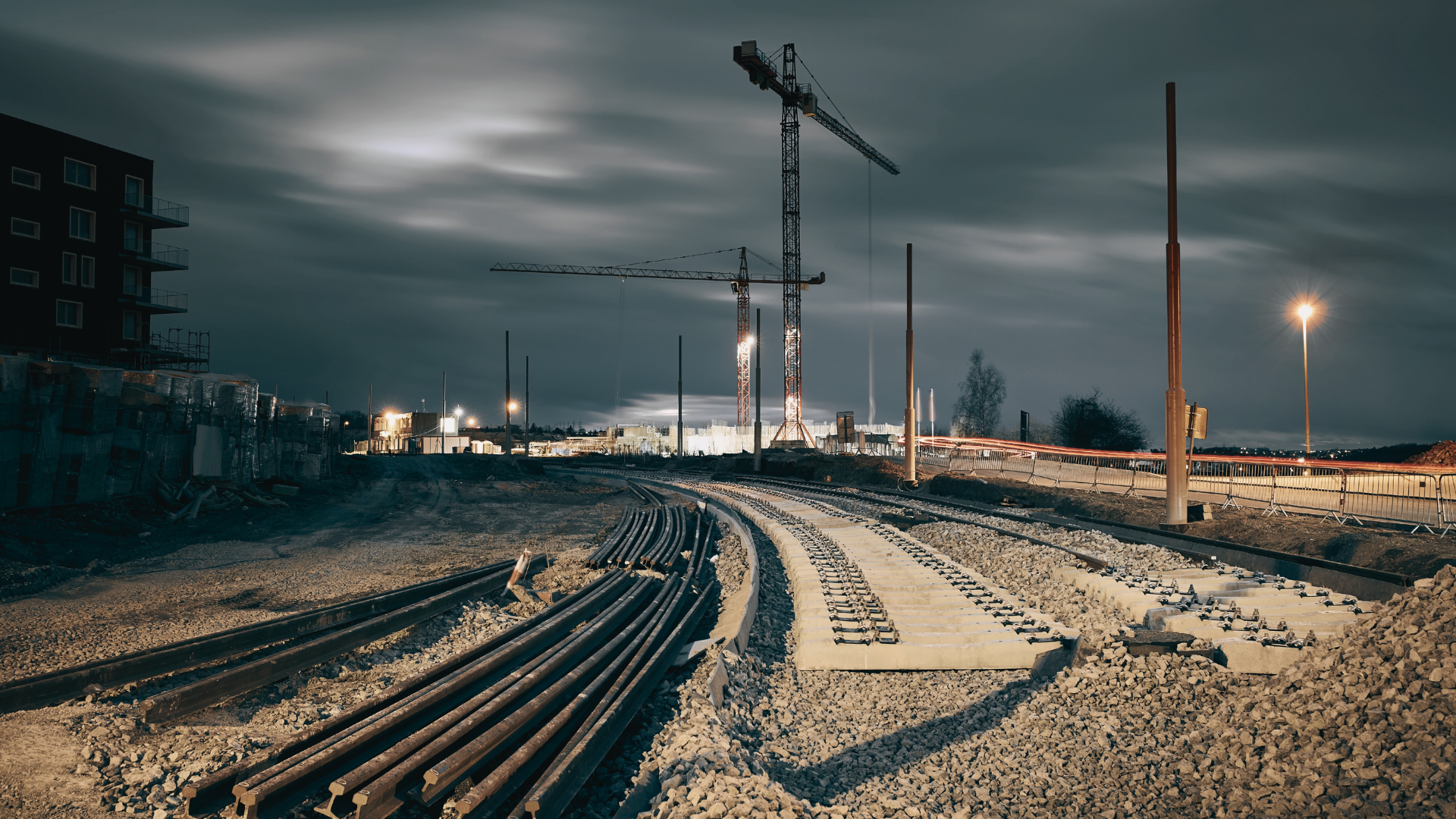
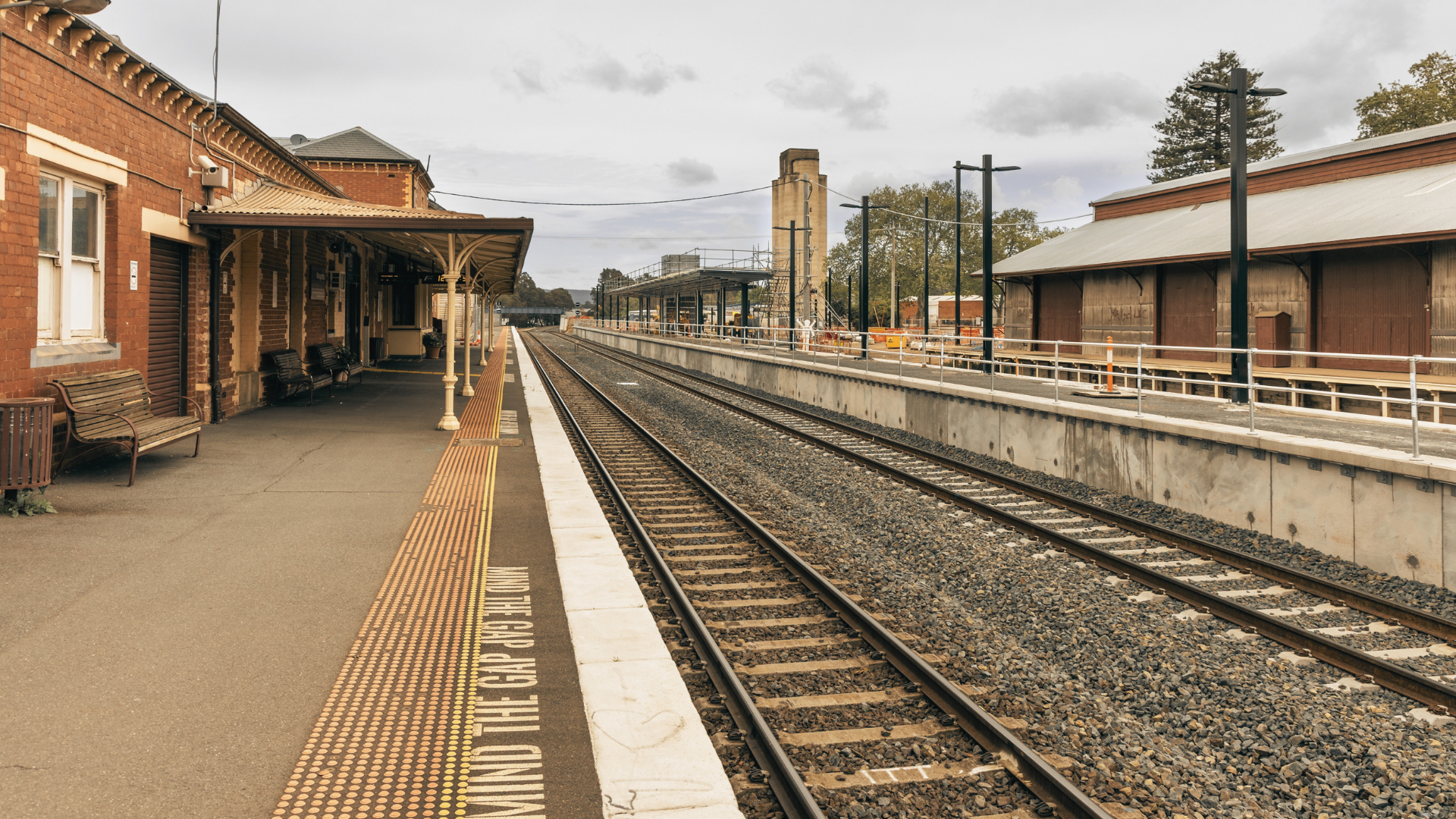
The Federal Government has confirmed that the Inland Rail project, originally envisioned as a 1,600-kilometre freight corridor connecting Melbourne to Brisbane, will now terminate at Parkes in NSW [7, 10]. Construction of the Beveridge to Parkes section is expected to be completed by the end of 2027. The confirmed cost estimate exceeds $45 billion, a figure that has increased substantially from earlier projections and was cited as a key factor behind the decision to halt the northern sections [10, 15].
The reaction from regional NSW has been critical. NSW Farmers called for urgent answers regarding the project’s impact on agricultural land and communities [1]. In the Riverina, a grain farmer described the truncated project as a “big white elephant,” questioning whether even the NSW sections will be completed [8]. Member for New England Barnaby Joyce said the decision would have direct consequences for regional development and freight efficiency [14], while member for Parkes Jamie Chaffey said there was no justification for cancelling the project [9]. Narrabri Shire Mayor Darrell Tiemens noted that billions of dollars have already been committed by businesses that would have played a role in delivery [15].
The decision carries direct implications for regional businesses, councils and investors who had committed significant resources in anticipation of the northern sections proceeding [14, 15].
Proposed Building Law Reforms Target Approvals, Construction Methods and Certifier Accountability
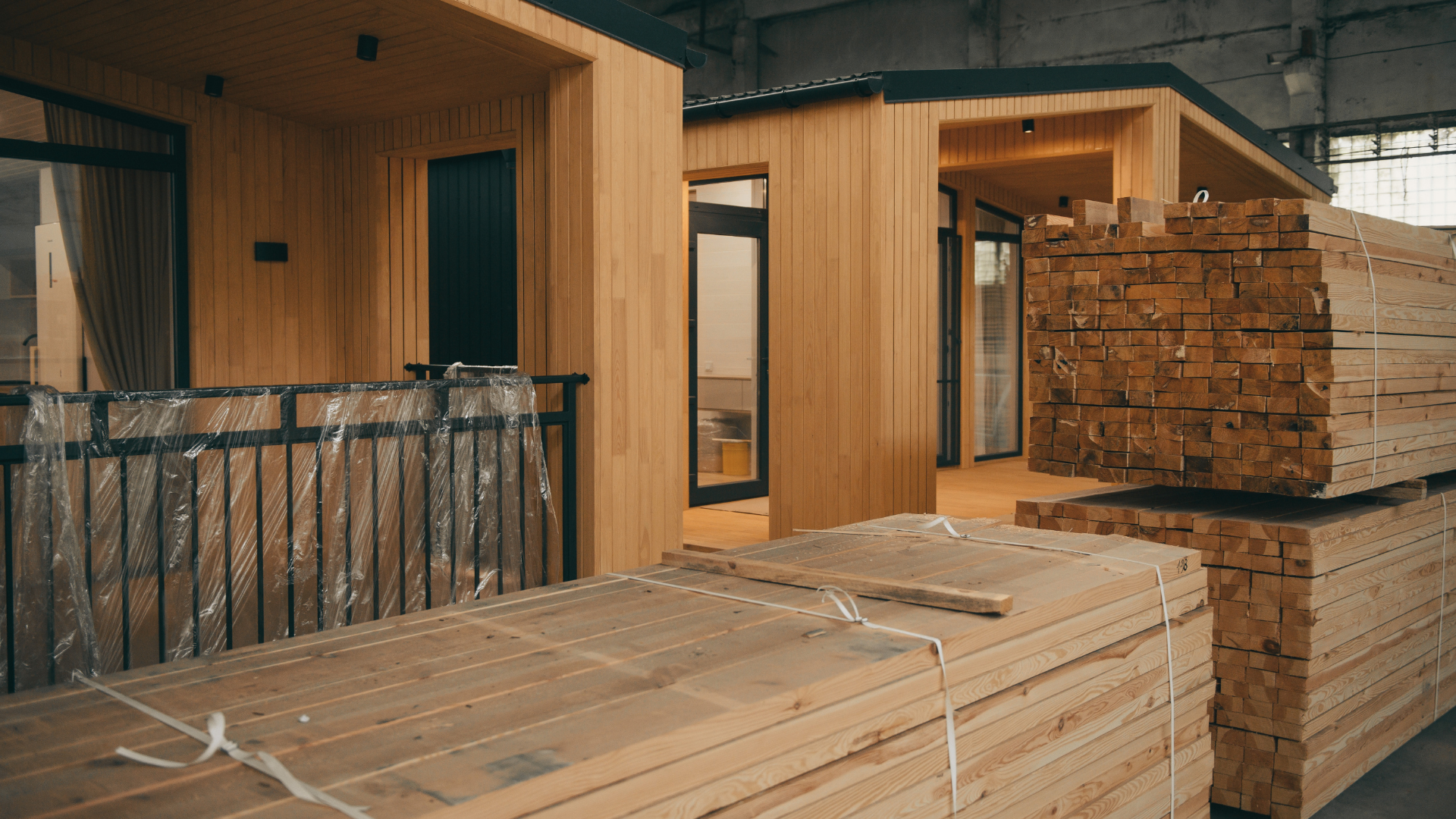
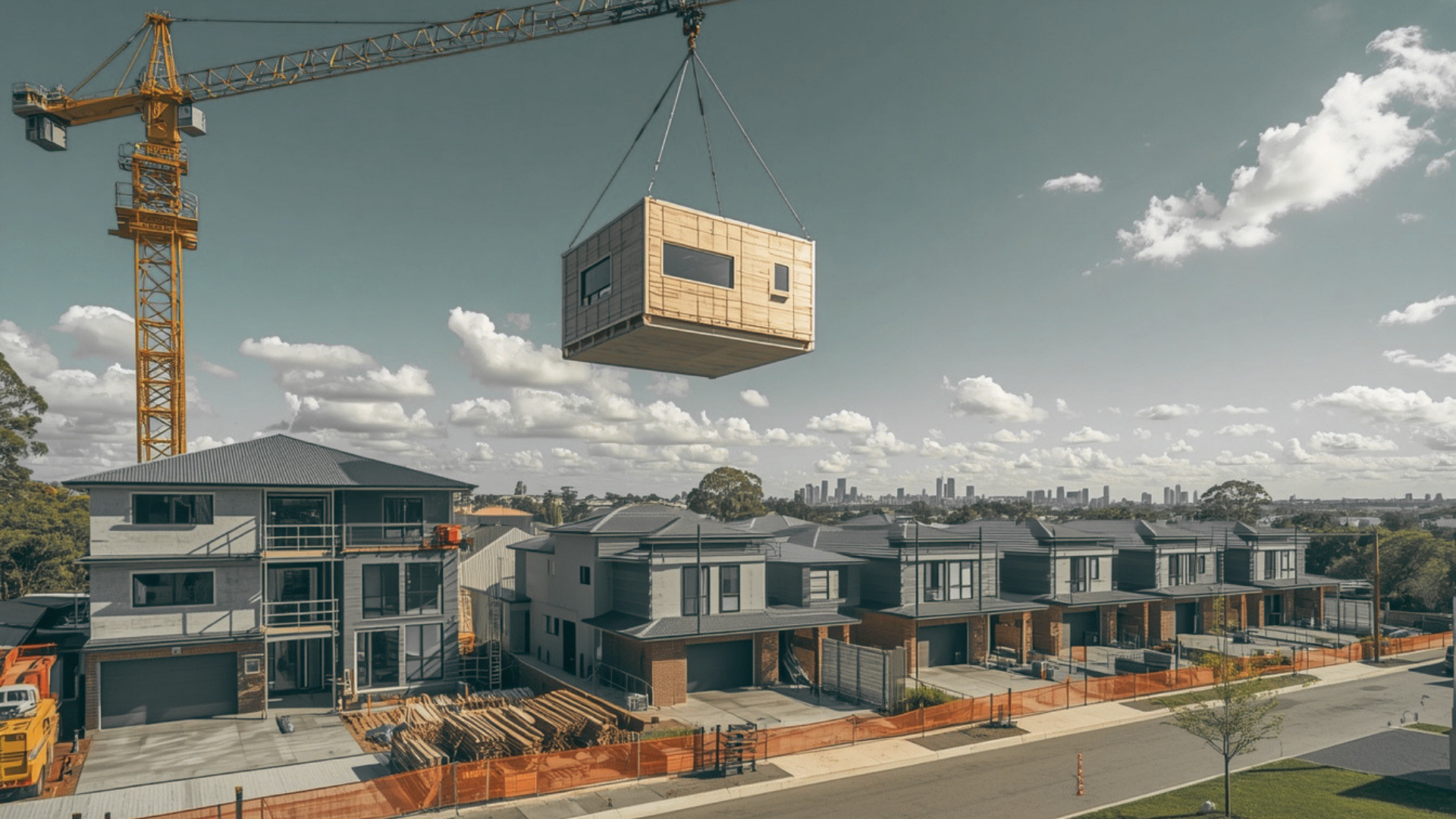
The NSW Government has introduced the proposed Building (Approvals and Practitioners) Bill 2026, described as a national first in building law reform [12, 13]. The legislation is designed to modernise building approval processes, promote the adoption of Modern Methods of Construction including prefabrication and modular construction, and impose stricter penalties on certifiers [12]. The reforms sit within the government’s broader response to housing supply pressures, which have been compounded by lengthy approval timeframes and constraints on construction capacity [13].
At the same time, building approval figures across NSW have declined. The Housing Industry Association has flagged the downturn as an indicator of future housing availability pressures, warning it could worsen affordability, particularly for younger demographics [3]. The decline in approvals alongside the introduction of reforms intended to accelerate delivery reflects the broader tension between regulatory settings and the market conditions affecting the housing pipeline, including cost escalation, financing constraints and labour availability.
SafeWork NSW Issues Targeted Advisories on Service Strike Hazards
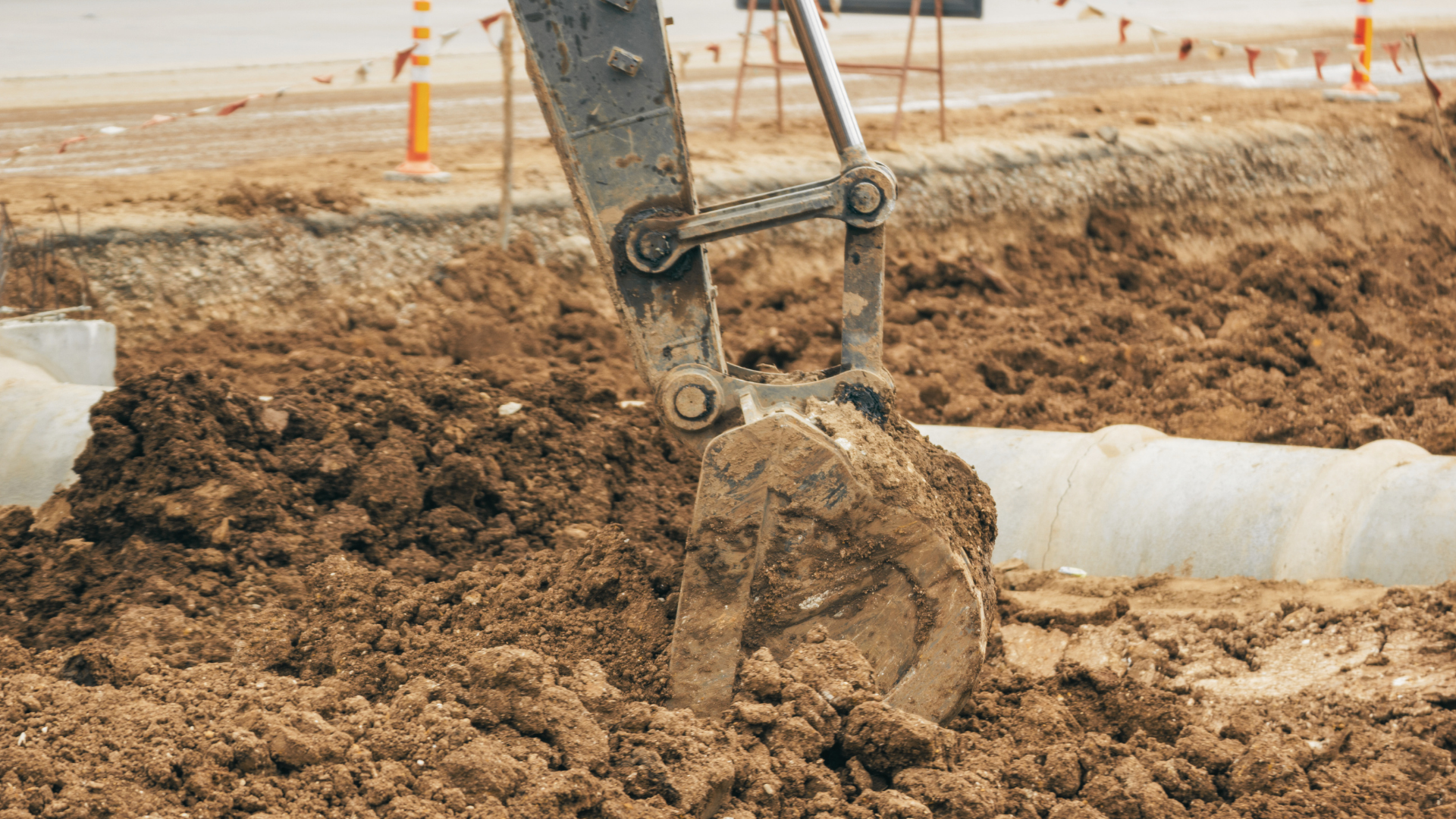
SafeWork NSW announced a targeted compliance program during the week, with inspectors visiting construction and utilities worksites across the State to check that businesses understand their obligations when working near overhead and underground services [4]. The program responds to the persistent risk of contact with live electrical, gas, water and telecommunications assets, which can cause fatalities, serious injuries and significant project disruptions [4]. Businesses found to be non-compliant may face enforcement action including improvement, prohibition and penalty notices [4].
SafeWork NSW used last week's International Day of Mourning to call on workplaces to renew their commitment to safety, noting that 60 workers in NSW lost their lives in work-related incidents in 2025 [5]. These measures sit alongside the Building Commission's enforcement programme, which has been conducting joint campaigns with SafeWork across regional and metropolitan markets throughout 2026, most recently in the Hunter region as reported in the 19 March edition of the Pulse.
NCC 2025 Released with 12-Month Transition for NSW
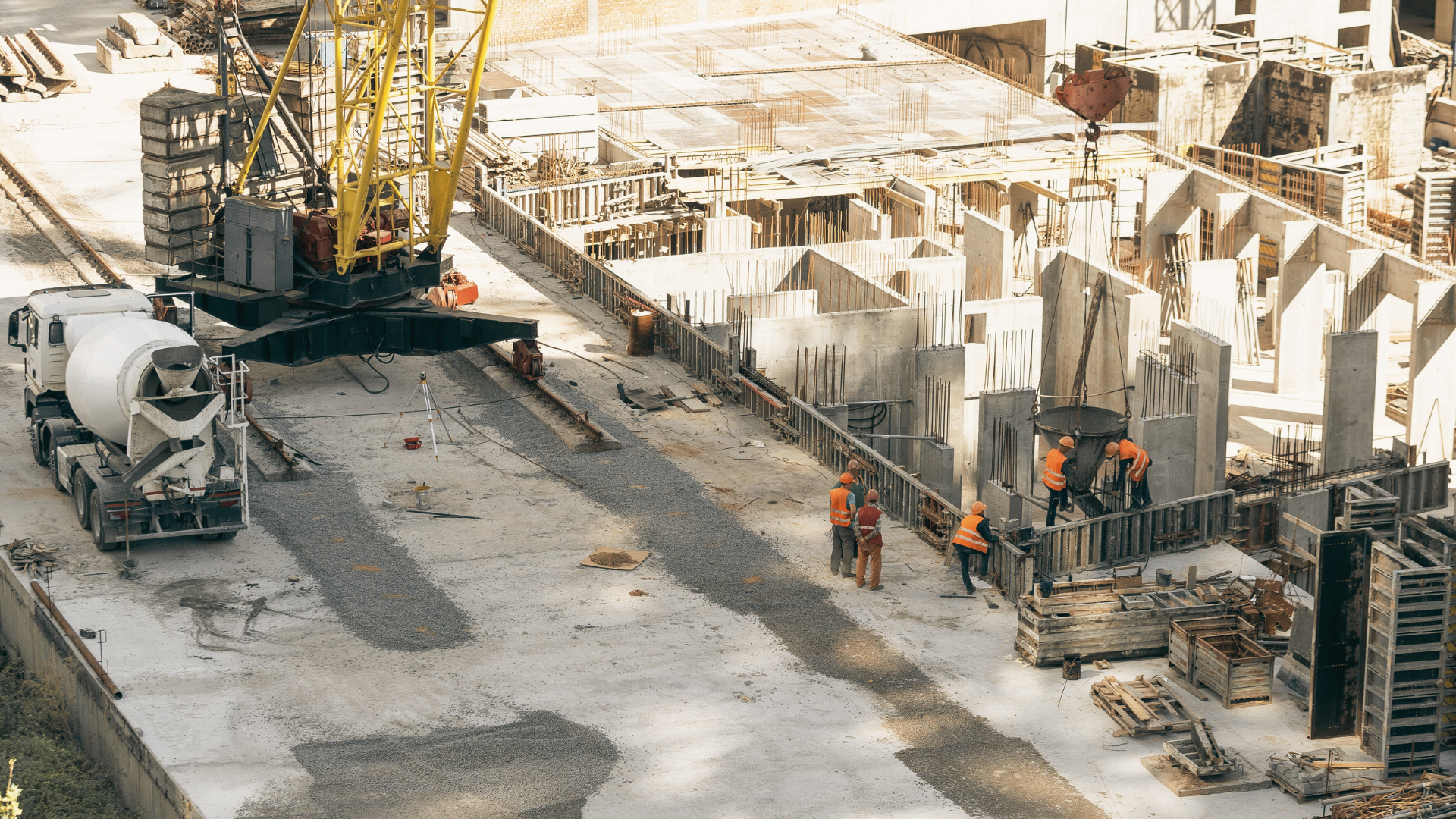
The Australian Building Codes Board officially released the National Construction Code 2025 on 1 May 2026, but adoption varies significantly across jurisdictions [2]. Victoria must comply immediately, while NSW and Queensland builders have until 1 May 2027, with voluntary early adoption available now [2].
NSW is introducing state-specific variations, including giving apartment building owners undertaking remedial works the option to comply with either NCC 2022 or NCC 2025 waterproofing requirements [2]. The most significant technical changes include new condensation management requirements for cooler climate zones and mandatory lead-free plumbing products for all installations, with supply constraints expected to intensify around compliance deadlines [2].
Industry commentary described the update as more contained than anticipated, noting the residential sector has been spared further cost-increasing mandates until at least mid-2029 [2].
Final Thoughts
The Inland Rail consolidation is the most significant infrastructure policy shift to affect regional NSW this year. The decision to terminate the route at Parkes leaves regional businesses, councils and investors that had planned around the northern sections facing uncertainty over committed expenditure and long-term development strategies [1, 7, 8, 9, 10, 14, 15].
The release of NCC 2025 gives NSW builders a 12-month runway before mandatory compliance, but the fragmented adoption across jurisdictions and the introduction of state-specific variations mean the applicable code version is now genuinely project-specific [2]. Builders working across state lines or on apartment remedial works should confirm their position now rather than at lodgement.
The proposed Building (Approvals and Practitioners) Bill 2026 signals a shift in how NSW regulates building approvals, construction methods and certifier accountability [12, 13]. Whether the reforms translate into faster delivery will depend on how they sit alongside the market conditions currently constraining the housing pipeline, including cost escalation, financing constraints and labour availability [3].
SafeWork NSW's compliance program targeting service strike hazards [4] and its call for renewed safety commitment following the International Day of Mourning [5] reflect ongoing regulatory attention to construction sector safety.
-
STA FM | by Gerry (7 May 2026). NSW Farmers Calls for Answers on Inland Rail. https://www.stafm.com.au/nsw-farmers-calls-for-answers-on-inland-rail/
-
The Good Builder (5 May 2026). The New Building Code Is Already in Effect. Here Is the Practical Breakdown. https://thegoodbuilder.com.au/the-new-building-code-is-already-in-effect-here-is-the-practical-breakdown/
-
Real Estate | by Vivien Topalovic (5 May 2026). Building approvals slide, raising fresh questions for the federal budget. https://www.realestate.com.au/news/building-approvals-slide-raising-fresh-questions-for-the-federal-budget/?cspt=1778122932|0a10ee05826303bec252646a3fab05cf
-
SafeWork NSW (May 2026). SafeWork NSW urges businesses to know what’s above and below when around overhead and underground services. https://www.safework.nsw.gov.au/news/safework-media-releases/safework-nsw-urges-businesses-to-know-whats-above-and-below-when-around-overhead-and-underground-services
-
Safe to Work (May 2026). Workplaces urged to strengthen safety focus. https://safetowork.com.au/workplaces-urged-to-strengthen-safety-focus/
-
Intentionally left blank.
-
ABC News (6 May 2026). Inland rail axing a ‘disaster’ for regional business. https://www.abc.net.au/listen/programs/australia-wide/naus_railcutreax_0605/106650552
-
The Daily Advertiser | by Taylor Dodge (6 May 2026). ‘Big white elephant’: Inland Rail cuts draw criticism from Riverina farmers. https://www.dailyadvertiser.com.au/story/9240306/halt-on-inland-rail-project-stirs-uproar-across-riverina/
-
Moree Champion | by Tom Plevey (6 May 2026). Regional fury as government axes northern leg of Inland Rail link. https://www.moreechampion.com.au/story/9241023/jamie-chaffey-slams-inland-rail-halt-regional-mayors-left-angry/
-
MHD Supply Chain News | by Phillip Hazell (7 May 2026). Government consolidates Inland Rail after $45 billion cost estimate. https://mhdsupplychain.com.au/2026/05/07/government-scales-back-inland-rail-after-45-billion-cost-estimate/
-
Intentionally left blank.
-
Australian Financial News (6 May 2026). New building laws for a new era of approvals and modern methods of construction in NSW. https://afndaily.com.au/2026/05/06/new-building-laws-for-a-new-era-of-approvals-and-modern-methods-of-construction-in-nsw/
-
By Owen Raymond. NSW government to overhaul building laws in national first. https://www.realestate.com.au/news/nsw-government-to-overhaul-building-laws-in-national-first/
-
By RK Crosby (6 May 2026). Inland Rail axed, local projects in limbo. https://www.netimes.com.au/2026/05/06/inland-rail-axed-local-projects-in-limbo/
-
The Narrabri Courier | by Dylan Smith (7 May 2026). Federal funding cut to Inland Rail a major blow. https://narrabricourier.com.au/2026/05/07/federal-funding-cut-to-inland-rail-a-major-blow/
-
Inside Construction | by Ashley Grogan (5 May 2026). Futurebuild Australia puts compliance on the agenda. https://www.insideconstruction.com.au/news/latest-news/futurebuild-australia-puts-compliance-on-the-agenda/
The Pulse collates the latest news and opinions from third-party sources. Links, snippets or text are generated by an artificial intelligence engine. The Pulse aggregates news reports and does not claim to have copyright to the content. We have not fact-checked that content and cannot vouch for its accuracy or completeness. Nor do we endorse the opinions expressed by the authors or primary publishers. The content is provided as general information only and should not be relied on as a substitute for professional advice. You should contact the source to verify any factual content as well as taking specialist advice that takes your personal objectives and circumstances into account.
.png)
Kreisson
Produced by the team at Kreisson.
Browse Past Issues

.jpg)

Kreisson
We provide the construction industry with simple, easy to understand, solution-based legal advice.