Guarantees, Green Tape and Grid Strain: Housing Approvals Climb While Delivery Barriers Multiply
This edition of The Pulse covers a week in which the gap between housing approvals and housing delivery remained the dominant theme, while data centre development attracted direct scrutiny from Sydney councils through the ongoing NSW parliamentary inquiry, and infrastructure milestones continued across energy and transport.
NSW dwelling approvals surged in February 2026 [1], but the barriers between approval and construction start remain substantial. Developers have warned that infrastructure contribution requirements and environmental regulation are constraining delivery of the 380,000 homes targeted under the National Housing Accord in Greater Sydney [6], while government disagreements have reportedly blocked 1,500 homes in Western Sydney [3]. The NSW Government’s $1 billion Pre-sale Finance Guarantee scheme has fast-tracked construction of approximately 300 homes across Pyrmont and Westmead [11, 12, 16], and major approvals continued to flow, including a $1.2 billion, seven-tower precinct in Parramatta [13] and a $1.2 billion mixed-use proposal in Holroyd approved as a State Significant Development [22].
Sydney councils have raised concerns through the parliamentary inquiry into data centres that the sector’s expansion could strain electricity and water systems, compete with residential development for land and planning resources, and affect local amenity [23, 24]. The Climate Council has called for a comprehensive regulatory framework addressing environmental impacts including energy consumption and emissions [9].
On infrastructure, the first transmission tower was installed in the Central-West Orana Renewable Energy Zone [15], the WestConnex Stage 3B Rozelle Interchange continued to progress [20], and TransGrid began installing telecommunication boosters along the HumeLink route to address regional connectivity blackspots [7]. Fuel-driven cost pressures continued across the sector, with the HIA warning that high fuel prices are inflating operational costs across the residential supply chain [21].
Housing Approvals Rise but the Delivery Gap Persists
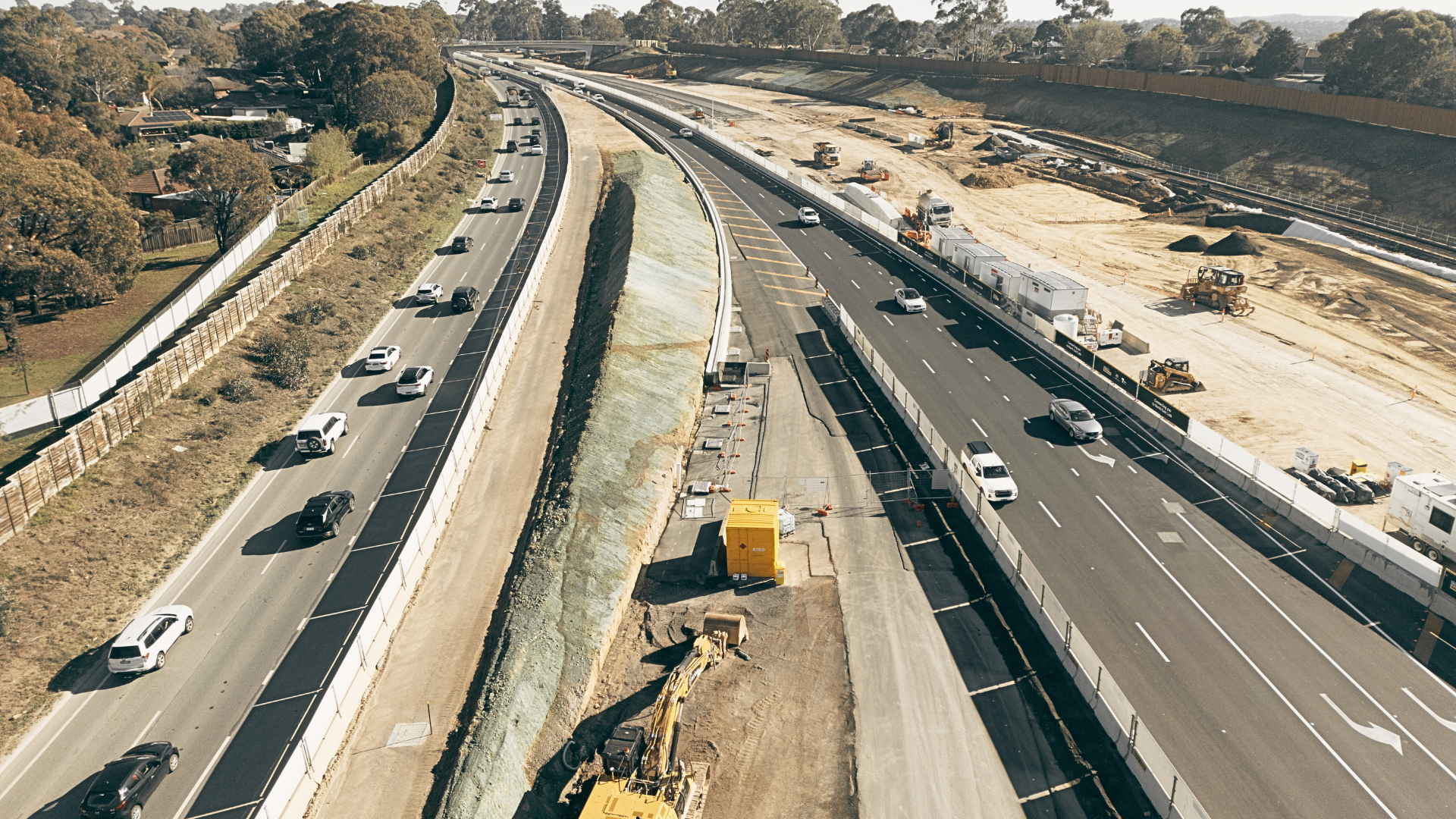
NSW dwelling approvals surged in February 2026 [1], though the relationship between approvals and actual construction commencements remains the central constraint in the housing supply pipeline. Australia’s housing shortage is projected to worsen, with demand continuing to outpace supply across the state [2]. The HIA has flagged that regional NSW is bearing particular strain, with population growth and rising property prices outrunning available housing stock [10].
Developers have warned that infrastructure contribution requirements and environmental regulations are constraining delivery of the 380,000 homes targeted under the National Housing Accord in Greater Sydney [6]. In Western Sydney, government disagreements have reportedly blocked 1,500 homes, with bureaucratic and political factors cited as the cause of delay [3]. Interstate, Victoria’s COVID-era fast-track housing program, which targeted approximately 90,000 homes as part of an $18.8 billion economic plan, has been described as having delivered no homes on time, with several projects abandoned entirely [18]. The Victorian experience has been cited as a reference point for the risks of poorly executed planning acceleration.
The NSW Government’s $1 billion Pre-sale Finance Guarantee scheme has fast-tracked construction at two developments: 38 of 280 apartments at Pyrmont Place and 13 of 30 at Westmead commenced earlier than planned [11, 12, 16]. The scheme reduces pre-sale risk for developers, addressing one of the financing barriers that has constrained project commencement in the current market.
Major approvals continued to flow during the week. Tiberius secured consent for a $1.2 billion, seven-tower precinct in Parramatta delivering over 1,200 homes [13]. The $1.2 billion Crescent Parklands proposal in Holroyd, approved as a State Significant Development, will deliver a further 1,200-plus homes in a mixed-use format [22]. These approvals add to the planning pipeline, but their translation into contracted starts remains subject to the financing conditions, cost environment and regulatory settings affecting the broader market.
Fuel-driven cost pressures continue to compound the delivery challenge. The HIA warned this week that high fuel prices are inflating operational costs across the residential supply chain, adding to the cost burden on builders already managing elevated material and labour inputs [21].
Data Centre Expansion Draws Council Scrutiny Through Parliamentary Inquiry
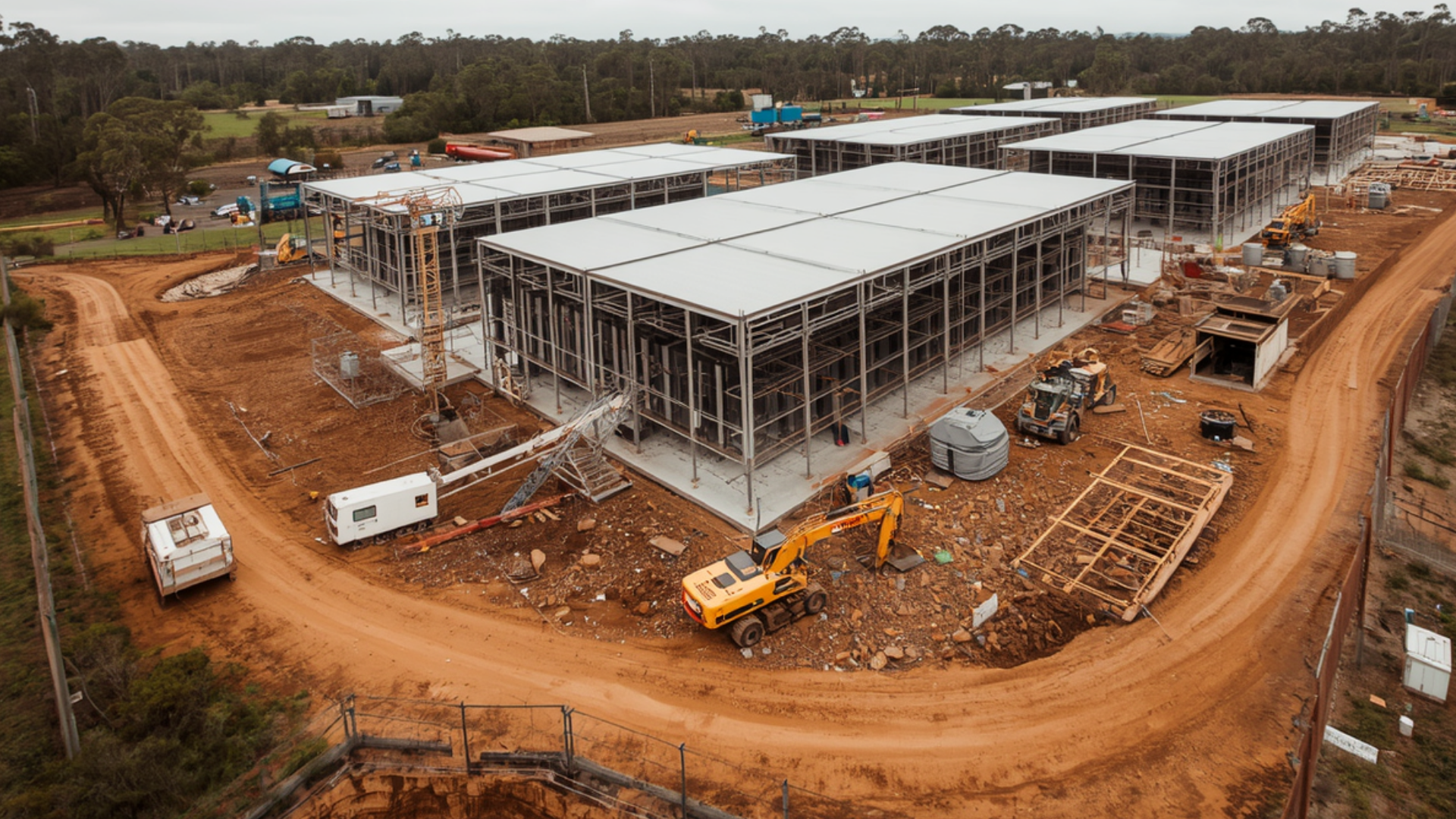
The data centre pipeline reported in recent editions continued to generate activity during the week. NEXTDC’s $1.1 billion, 350MW S4 facility at Horsley Park, being delivered by Multiplex using modular construction techniques, is targeting operational status by late 2027 [4, 5]. The project is one of 15 data centre developments valued at approximately $51.9 billion approved to progress through the Investment Delivery Authority, as reported last week.
Market data published during the week indicates that leasing timelines for new Australian data centres have compressed from over 40 months in 2020 to 13 months by 2024, while vacancy rates sit at approximately 12 per cent and rack densities have surpassed 100 kW [17]. Securing a contracted and reliable grid connection has become a central concern for investors, with power procurement positioning described as a competitive advantage for established operators [17].
Sydney councils have raised concerns through the NSW parliamentary inquiry into data centres that the sector’s expansion could cause strain on electricity and water systems, compete with residential development for land and planning resources, and affect residents’ health and local amenity [23, 24]. The Climate Council’s submission to the inquiry called for a comprehensive regulatory framework addressing the environmental impacts of data centre operations, including energy consumption and emissions, and advocated alignment with NSW’s climate goals [9].
The tension between data centre and residential development is most visible in Western Sydney, where both sectors are competing for land, power connections and planning resources in the same corridors where the Accord’s housing delivery targets face their greatest constraints [3, 6, 23]. The parliamentary inquiry, first reported in The Pulse in early February, is continuing to receive submissions and is expected to inform the regulatory framework being developed through the government’s Data Centre Consultation Paper released last week [9, 23, 24].
Infrastructure and Energy Projects Advance Across Transport and Renewables
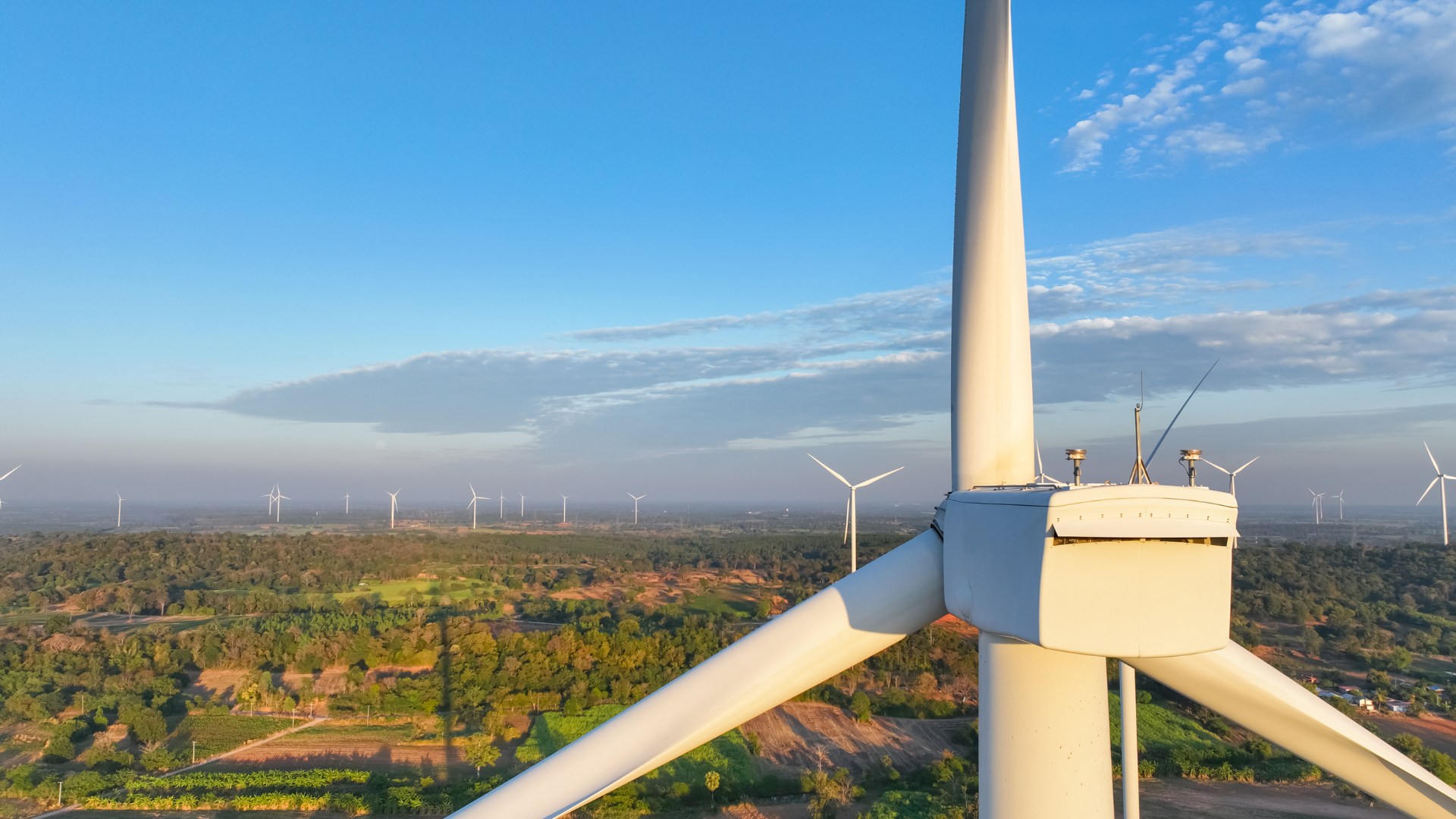
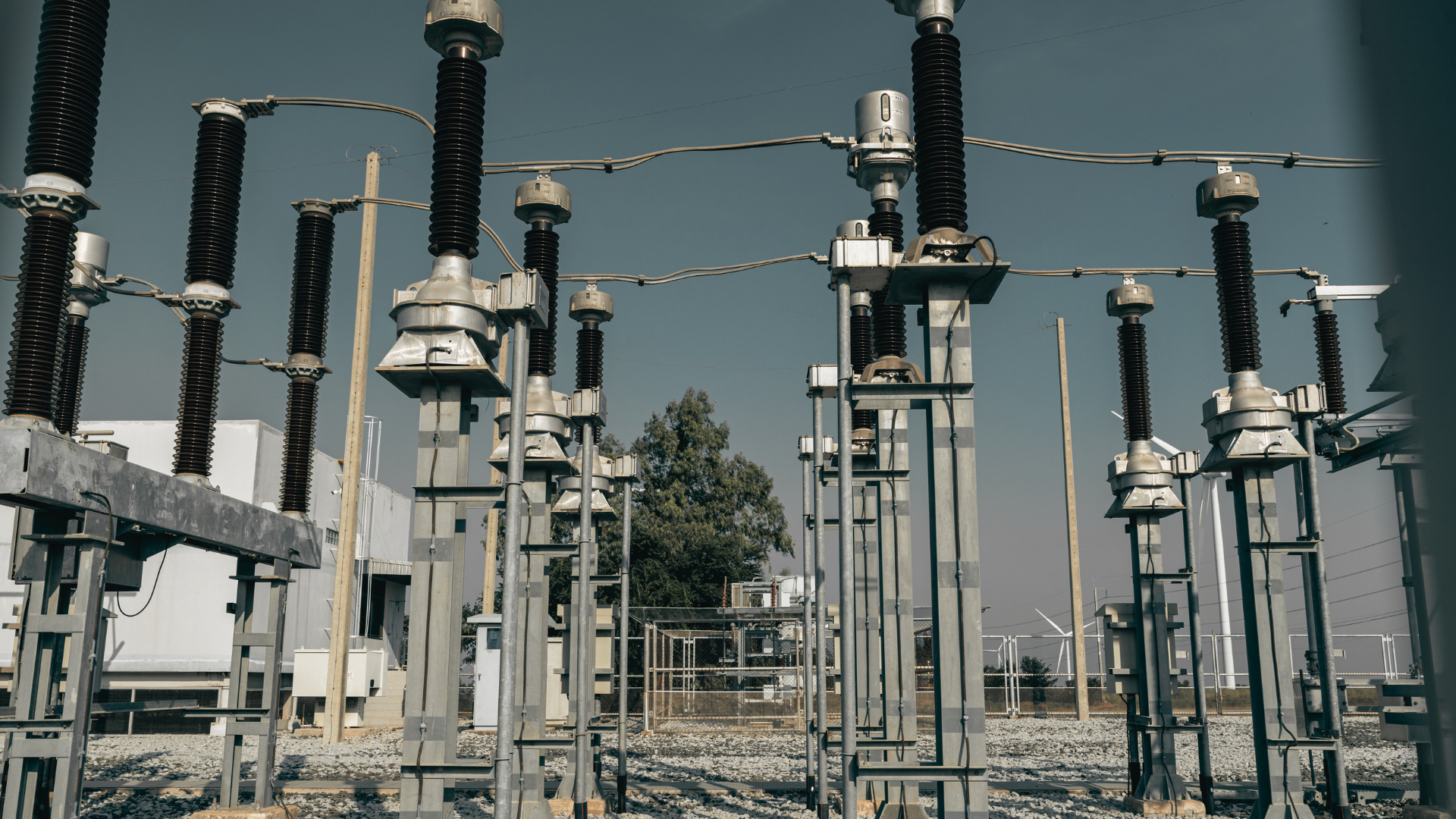
The first transmission tower was installed in the Central-West Orana Renewable Energy Zone, Australia’s inaugural REZ, with the project targeting operational status by 2028 [15]. The milestone follows the $34 billion in energy projects endorsed by the Investment Delivery Authority reported in last week’s edition and the broader pattern of renewable energy infrastructure approvals tracked across recent months.
TransGrid has begun installing telecommunication boosters along the HumeLink transmission route to address connectivity blackspots in regional NSW, described as a first for Australia [7]. The dual-purpose approach to transmission infrastructure, delivering telecommunications alongside energy connectivity, adds to the regional infrastructure being delivered through the energy transition programme.
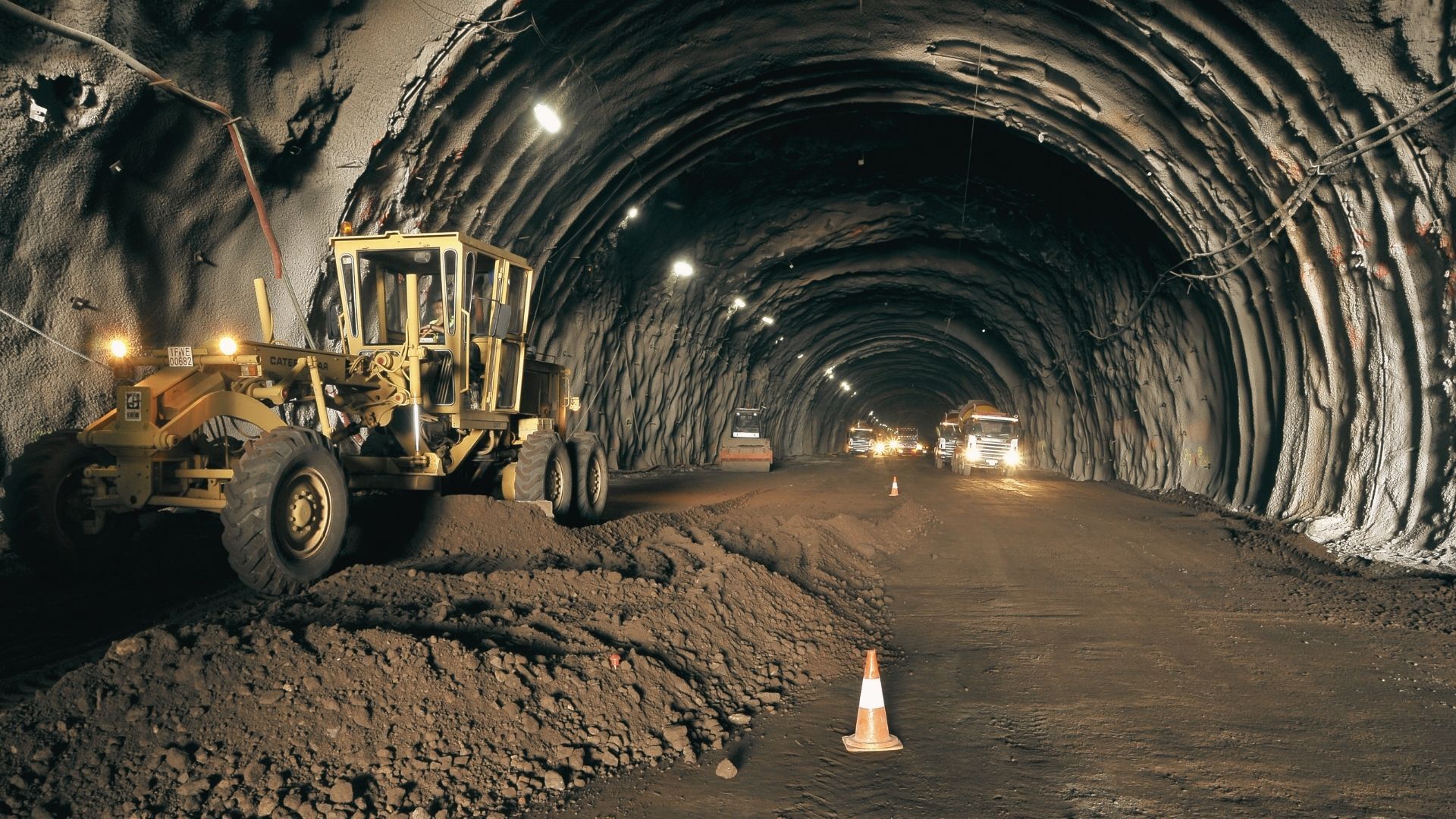
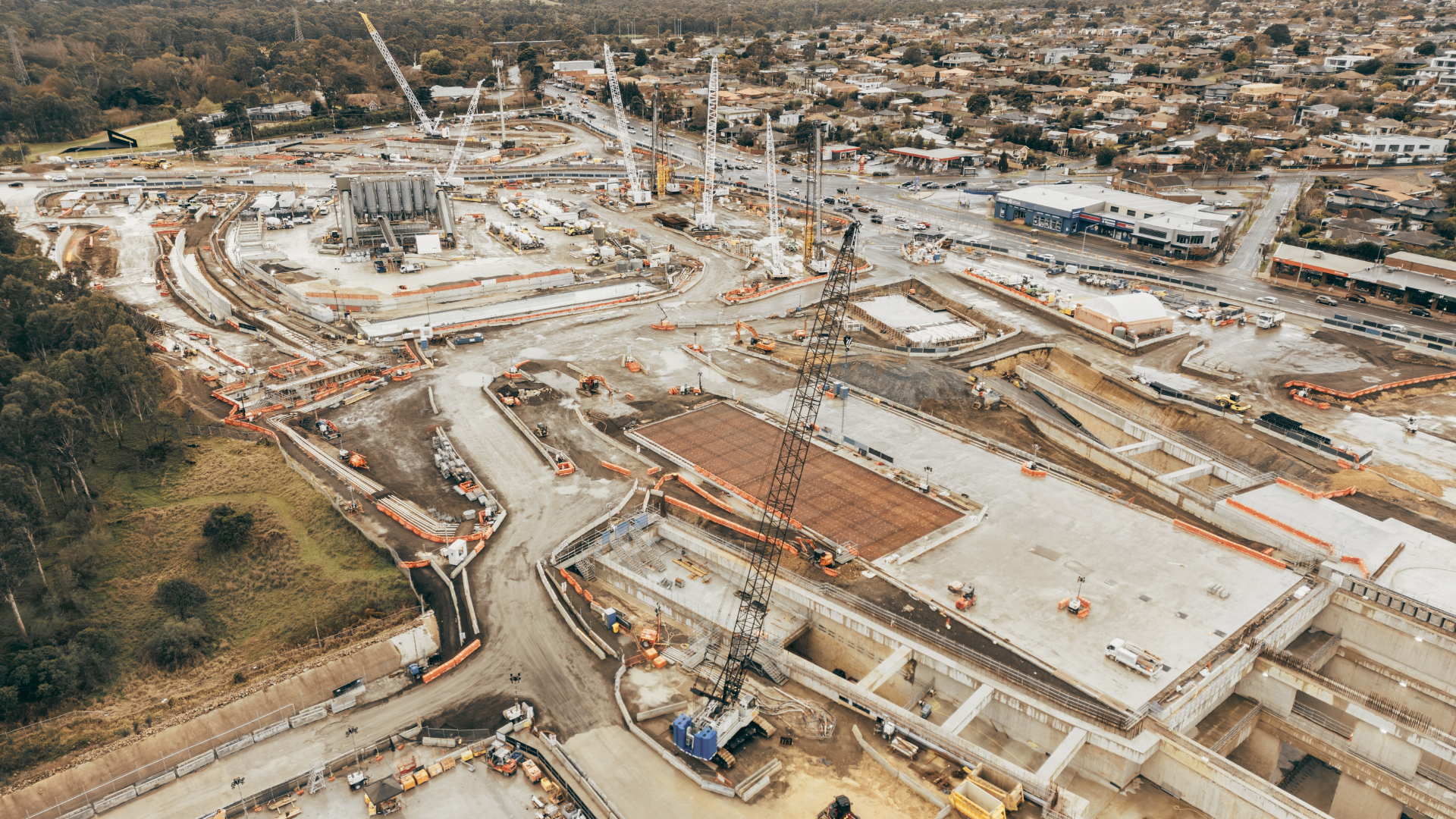
In transport, the WestConnex Stage 3B Rozelle Interchange is progressing under delivery by John Holland and CPB Contractors, providing an underground motorway interchange connecting the M4-M5 Link Tunnels to the City West Link [20]. The Wickham Transport Interchange in Newcastle, delivered by Laing O’Rourke, is also advancing as part of a broader urban renewal strategy for the city centre [19].
The renewable energy construction programme is generating its own cost dynamics at the local level. A NSW council at the centre of major wind and solar projects is seeking an annual $100,000 road maintenance fee from renewable energy developers to address wear and tear from heavy vehicle traffic associated with construction activity [8]. The emergence of local infrastructure levies on energy projects represents an additional cost variable for developers in the renewables pipeline.
Building Commission Issues Rectification Order on Lake Macquarie Apartment Block
The Building Commission issued a rectification order against a Lake Macquarie builder whose apartment block at 20 Yamba Street, Morisset, was declared uninhabitable due to extensive mould growth caused by improper weather seals and drainage failures leading to water ingress [14]. The order was issued under the Residential Apartment Buildings (Compliance and Enforcement Powers) Act 2020.
The enforcement action continues the pattern of Building Commission activity reported across recent editions, including the Hunter blitz in mid-March and the concurrent publication of metropolitan defect findings in Gymea, Granville and Lewisham. The Morisset case adds a regional dimension to the Commission’s enforcement programme, which has been operating across both metropolitan and regional markets simultaneously this year.
Final Thoughts
The housing supply picture this week is characterised by the same structural tension that has defined recent editions: approvals and declarations continue to add volume at the planning end of the pipeline, while financing conditions, regulatory friction, cost pressures and inter-governmental disagreements constrain conversion into starts [1, 3, 6, 11]. The $1 billion Pre-sale Finance Guarantee scheme addresses one of those barriers, but the delivery gap remains wide, with industry forecasts projecting a 380,000-dwelling shortfall by 2030.
The data centre sector’s rapid expansion, now the subject of direct scrutiny from Sydney councils through the parliamentary inquiry, is raising questions about how land, power and planning resources are allocated between competing asset classes in Western Sydney [23, 24]. The regulatory framework governing data centre development is still forming, with the government’s consultation paper and the inquiry running in parallel.
The Central-West Orana REZ milestone, HumeLink telecommunications installations and continued transport infrastructure progress reflect a pipeline that is delivering across multiple sectors [7, 15, 19, 20]. Fuel-driven cost pressures remain a live issue across the sector, with the HIA’s warning about the impact on residential building costs adding to the material and supply chain escalation reported over recent weeks [21]. The Building Commission’s Morisset rectification order reinforces that enforcement activity continues across both regional and metropolitan markets [14].
-
The Good Builder (2 April 2026). Dwelling Approvals Surge in February, But the Numbers Deserve a Closer Look. https://thegoodbuilder.com.au/dwelling-approvals-surge-in-february-but-the-numbers-deserve-a-closer-look/
-
MacroBusiness | by Leith van Onselen (2 April 2026). Australia’s housing shortage is about to get much worse. https://www.macrobusiness.com.au/2026/04/australias-housing-shortage-is-about-to-get-much-worse/
-
NT News | by Jake McCallum (2 April 2026). ‘Farcical’ government infighting blocks 1500 desperately needed homes in Western Sydney. https://www.ntnews.com.au/news/nsw/farcical-government-infighting-blocks-1500-desperately-needed-homes-in-western-sydney/news-story/6098300c7ecf8e574d1c54af9346ae9c?btr=9db1fd07c3324c5cc
-
The Urban Developer | by Lindsay Saunders (2 April 2026). NextDC $1.1bn Data Centre Under Way in Sydney’s West. https://www.theurbandeveloper.com/articles/nextdc-s4-sydney-data-centre-multiplex-nsw-breaks-ground
-
Build Australia (2 April 2026). Work Commences on 350MW Western Sydney Data Centre. https://www.buildaustralia.com.au/projects/work-commences-on-350mw-western-sydney-data-centre/
-
Real Commercial | by Ben Wilmot (2 April 2026). Developers warn infrastructure and green tape stymie 380,000 new homes. https://www.realcommercial.com.au/news/developers-warn-infrastructure-and-green-tape-stymie-380000-new-homes?cspt=1775607398|d231c43981955a2a5dbb89d9f666711a
-
Goulburn Post | by Louise Thrower (8 April 2026). High voltage connection: Boosters ‘bring reception to blackspots’. https://www.goulburnpost.com.au/story/9217091/upper-lachlan-scores-telecommunication-boosters-on-humelink-route/
-
Renew Economy | by Rachel Williamson (7 April 2026). Local council seeks annual $100,000 per road maintenance fee from wind and solar developers. https://reneweconomy.com.au/local-council-seeks-annual-100000-per-road-maintenance-fee-from-wind-and-solar-developers/
-
Climate Council Australia (7 April 2026). Submission: NSW Inquiry into Data Centres. https://www.climatecouncil.org.au/resources/submission-nsw-inquiry-into-data-centres/
-
The Adviser | by Charlie Tchetchenian (8 April 2026). HIA warns regions bearing brunt of housing strain. https://www.theadviser.com.au/borrower/48287-hia-warns-regions-bearing-brunt-of-housing-strain
-
News.com.au | by Owen Raymond (7 April 2026). NSW Government’s $1bn scheme fast-tracks two Sydney developments. https://www.news.com.au/finance/real-estate/nsw-governments-1bn-scheme-fasttracks-two-sydney-developments/news-story/0fb88b4cf019d6561c2b2625441624e1
-
Real Estate | by Owen Raymond (7 April 2026). NSW Government’s $1bn scheme fast-tracks two Sydney developments. https://www.realestate.com.au/news/nsw-governments-1bn-scheme-fasttracks-two-sydney-developments/
-
The Urban Developer | by Lindsay Saunders (7 April 2026). Tiberius Approved for $1.2bn Precinct at Parramatta. https://www.theurbandeveloper.com/articles/parramatta-tiberius-1-2bn-seven-towers-approved-nsw
-
Gloucester Advocate | by Archibald McGill (7 April 2026). Lake Macquarie builder ordered to fix ‘uninhabitable’ apartment block after mould found. https://www.gloucesteradvocate.com.au/story/9216536/lake-macquarie-morisset-building-declared-unliveable-by-watchdog/
-
Energy Magazine | by Tom Parker (7 April 2026). First tower installed in Australia’s first renewable energy zone. https://www.energymagazine.com.au/first-tower-installed-in-australias-first-renewable-energy-zone/
-
The Indian Sun (7 April 2026). NSW guarantee scheme fast-tracks Pyrmont and Westmead housing projects. https://www.theindiansun.com.au/2026/04/07/nsw-guarantee-scheme-fast-tracks-pyrmont-and-westmead-housing-projects/
-
Capital Brief (7 April 2026). In Australia’s data centre race, power is everything. https://www.capitalbrief.com/article/in-australias-data-centre-race-power-is-everything-00319ef4-3c32-42a1-9d40-c386abdcd1b9/
-
The Age | by Daniella White (8 April 2026). ‘Failed miserably’: Go-slow on fast-track program ties up thousands of homes. https://www.theage.com.au/national/victoria/failed-miserably-go-slow-on-fast-track-program-ties-up-thousands-of-homes-20260327-p5zjb4.html
-
Infrastructure Sustainability Council (6 April 2026). Wickham Transport Interchange Project. https://www.iscouncil.org/project/wickham-transport-interchange-project/
-
Infrastructure Sustainability Council (6 April 2026). WestConnex Stage 3B – Rozelle Interchange Project. https://www.iscouncil.org/project/westconnex-stage-3b-rozelle-interchange-project/
-
Yahoo! Finance | by Jason Murphy (5 April 2026). Construction warning as high fuel prices turn home building into ‘expensive trap’. https://au.finance.yahoo.com/news/construction-warning-as-high-fuel-prices-turn-home-building-into-expensive-trap-020013077.html
-
Urban Digest (5 April 2026). $1.2B Crescent Parklands Proposal to Deliver 1,200+ Homes in Holroyd. https://urbandigest.com.au/ssd-70283710-crescent-parklands/
-
City Hub Sydney | by Naomi Lawrence (5 April 2026). Sydney Councils Warn Data Centre Boom Is Set To Strain Housing And Utilities. https://cityhub.com.au/sydney-councils-warn-data-centre-boom/
-
The Guardian | by Petra Stock (4 April 2026). Sydney councils fear new datacentres could cause blackouts, block housing and affect locals’ health. https://www.theguardian.com/environment/2026/apr/04/sydney-councils-fear-new-datacentres-could-cause-blackouts-block-housing-and-affect-locals-health
The Pulse collates the latest news and opinions from third-party sources. Links, snippets or text are generated by an artificial intelligence engine. The Pulse aggregates news reports and does not claim to have copyright to the content. We have not fact-checked that content and cannot vouch for its accuracy or completeness. Nor do we endorse the opinions expressed by the authors or primary publishers. The content is provided as general information only and should not be relied on as a substitute for professional advice. You should contact the source to verify any factual content as well as taking specialist advice that takes your personal objectives and circumstances into account.
.png)
Kreisson
Produced by the team at Kreisson.
Browse Past Issues


Kreisson
We provide the construction industry with simple, easy to understand, solution-based legal advice.


.jpg)

-1.jpg)
.jpg)