Late Wind, Long Fuel Lines and Modular Momentum:
NSW Construction Between Transition and Pressure
This edition of The Pulse covers a week in which the energy transition’s delivery challenges came into sharper focus, fuel cost pressures continued to weigh on the sector, and modular construction gained further traction across energy, industrial and social housing applications.
Wind energy projects critical to the NSW energy transition are running significantly behind schedule, with direct implications for the renewable construction pipeline [1]. A global funds manager has abandoned plans for a NSW solar farm, deeming it not economically viable, and will instead construct a larger battery energy storage system at the same site [11].
Fuel costs continue to affect the sector. Industry and local government representatives have highlighted the impact of escalating fuel prices on freight operations [2], while commentary has pointed to Australia’s 90 per cent fuel import dependency as a structural vulnerability rather than a cyclical issue [8, 16]. The fuel-driven cost pressures reported across recent editions remain a live factor in project budgeting and contract administration.
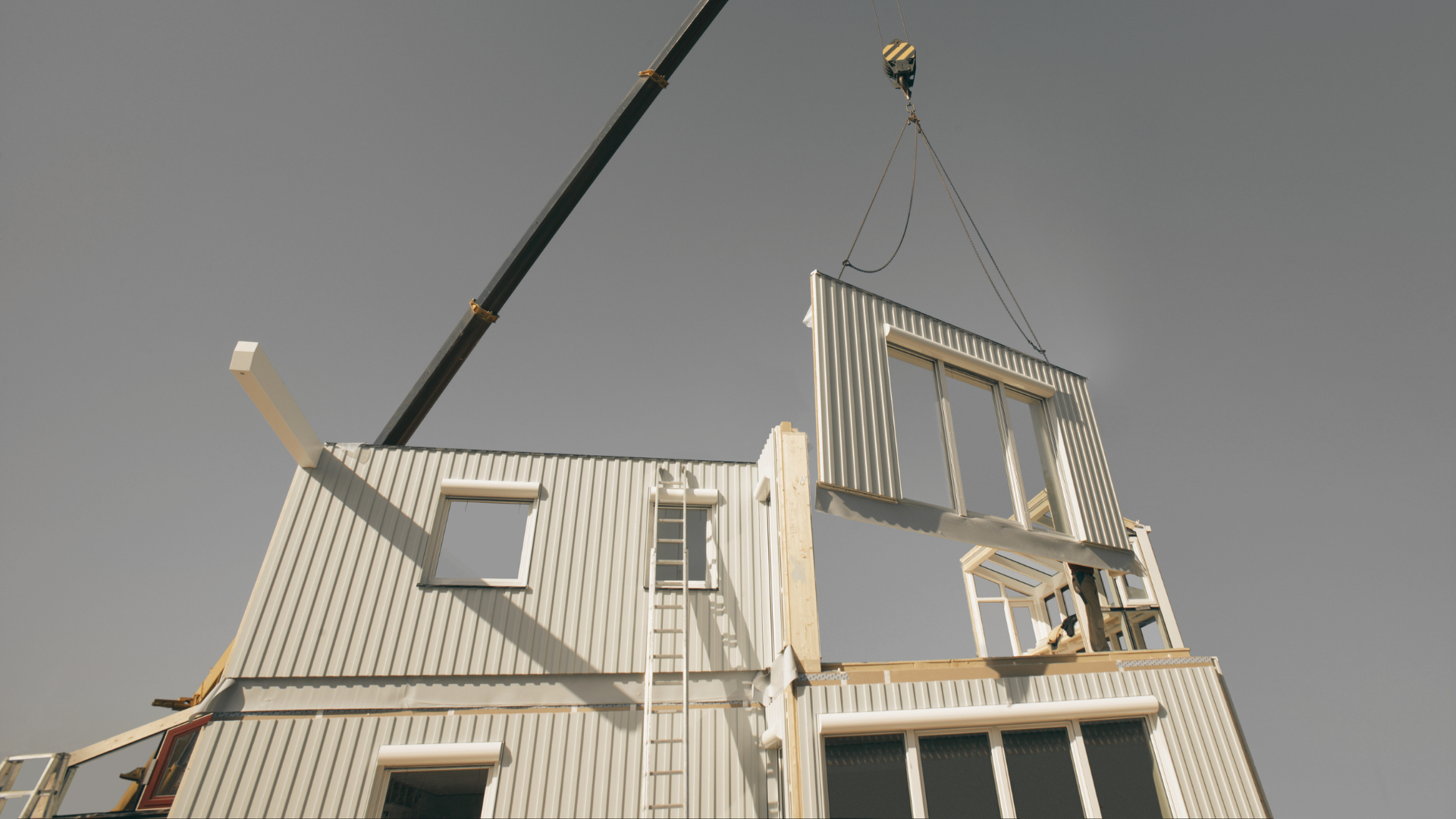
On the project front, a $261 million logistics estate was approved at Black Hill in the Hunter [10], and modular construction partnerships and applications continued to expand across energy, industrial and social housing sectors [3, 9, 15].
Energy Infrastructure Faces Delays and Cost Escalation as Capital Shifts Toward Battery Storage
Wind energy projects essential to replacing declining coal generation in NSW are running significantly behind schedule [1]. The delays affect the broader renewable construction pipeline, as wind farm developments represent substantial civil and structural works packages. Without increased wind capacity, the state’s energy transition timeline faces compression, with flow-on effects for the sequencing of transmission and grid infrastructure works [1].
Transmission infrastructure costs have escalated materially. Original estimates of $8.5 billion for renewable transmission lines have been revised upward to at least $120 billion, with some projections exceeding $200 billion [13]. The scale of that figure represents both substantial construction demand and significant questions about project viability and cost recovery across the energy infrastructure pipeline.
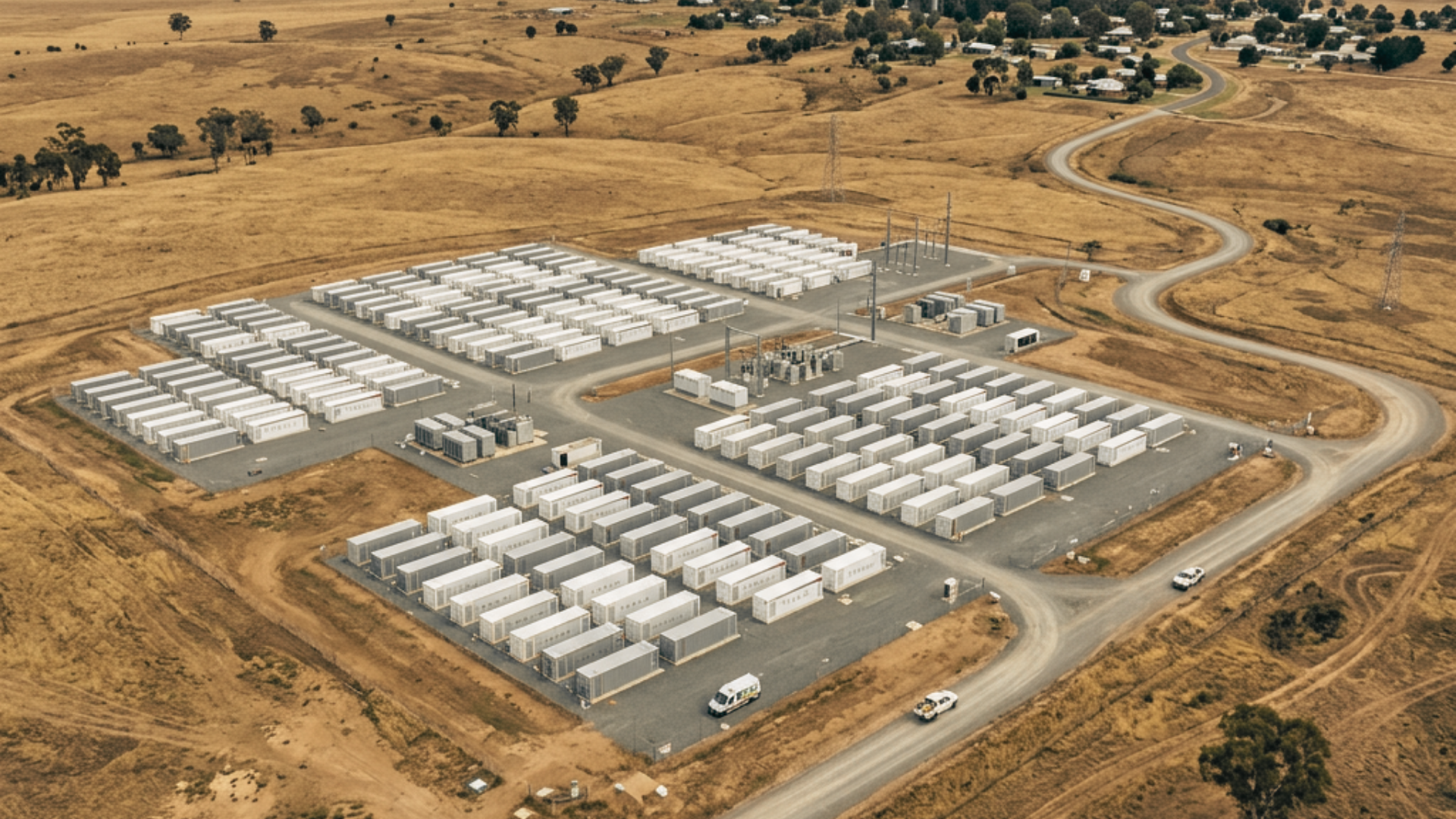
In a development that illustrates the shifting economics within the renewables sector, a global funds manager has abandoned plans for a NSW solar farm, deeming it not economically viable, and will instead construct a larger battery energy storage system at the same site [11]. The pivot toward battery storage is consistent with a broader trend observed across recent editions, including the Liddell 1,000 MWh battery and the Kingswood BESS approval in Tamworth. Grid-scale battery storage is increasingly viewed as a more commercially attractive component of the energy mix, particularly for grid stabilisation [11]. The Responsible BESS Development Summit 2026, bringing together developers, investors, landowners and government representatives, is scheduled to address the challenges facing the sector as it scales up [12].
Modular Construction Expands Across Energy, Industrial and Social Housing Sectors
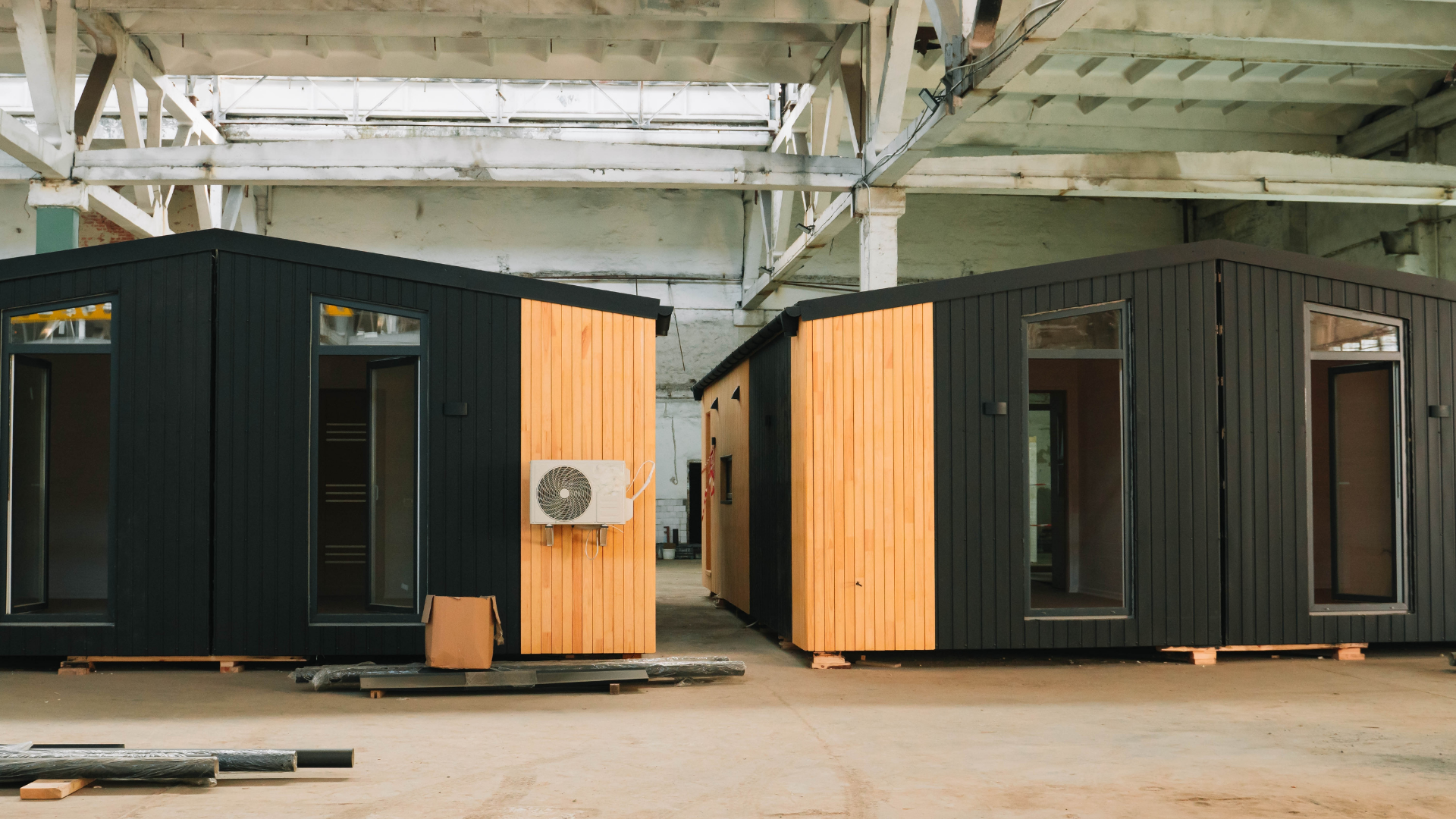
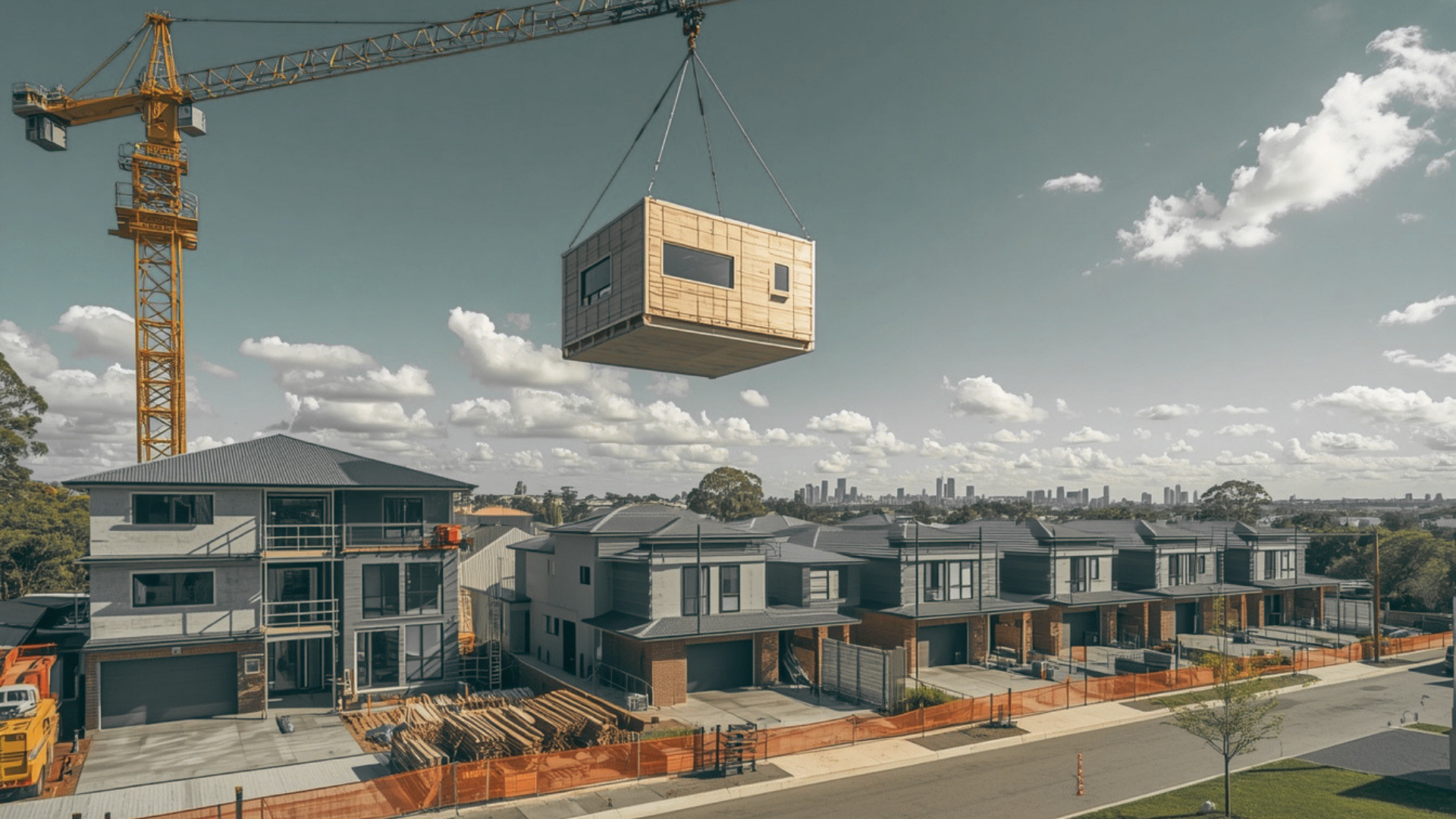
Azzurri Concrete Group has taken a strategic equity position in ASX-listed modular construction firm PARKD Limited [9]. PARKD's is being repositioned toward data centre and industrial warehouse applications, where high structural load capacities and rapid deployment are required [9].
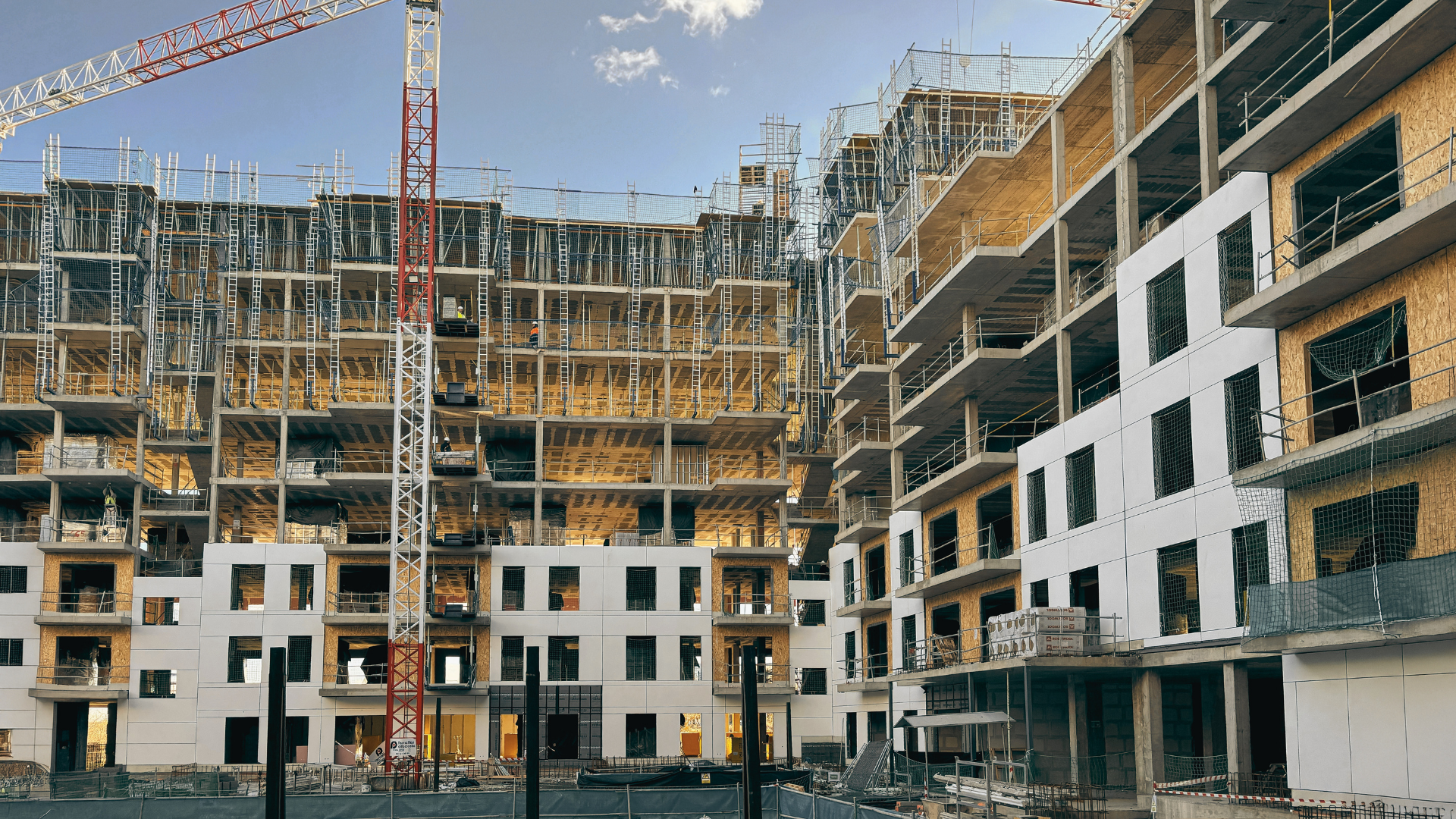
This collaboration shows a growing move towards smarter, more joined‑up construction solutions—bringing together established industry expertise with modern modular methods. It reflects increasing confidence that modular construction can help deliver complex infrastructure projects more efficiently [9]. It also mirrors a broader shift across the market, including among ASX 100 companies, as businesses look for more efficient and competitive ways to build in a changing construction landscape.[9]
The partnership extends PARKD's east coast presence into NSW, building on an existing relationship with McNab Group in Queensland [9].
Modular systems are gaining traction across the sector as a response to the delays, cost pressures and labour constraints affecting traditional construction methods, with off-site manufacturing and faster on-site assembly offering an alternative delivery model [9].
In the energy sector, ATCO Structures is providing modular building solutions for national-scale energy projects, with developers and operators using modular methods for speed and consistency of delivery on supporting infrastructure including control rooms, substations and worker accommodation [3]. The approach aligns with the energy construction pipeline’s requirement for rapid deployment of ancillary facilities to keep major projects on schedule.
In Windale, NSW, a modular home has ended three years of homelessness for one resident, illustrating the technology’s application in delivering affordable housing [15]. The social housing application of modular construction sits alongside the state’s broader housing delivery challenges, where the gap between planning approvals and contracted starts continues to constrain supply.
Separately, the approval of the $261 million Hunter Central Logistics Estate at Black Hill adds to the regional construction pipeline in the Hunter [10]. The project is expected to create over 400 jobs and will enhance the region’s logistics and warehousing capacity [10]. The High-Speed Rail Authority has also reported that the Newcastle to Sydney train line will reach capacity by 2042, reinforcing the longer-term case for high-speed rail that has been tracked across recent editions [5].
Fuel Costs and Supply Chain Vulnerability Remain a Structural Pressure on the Sector
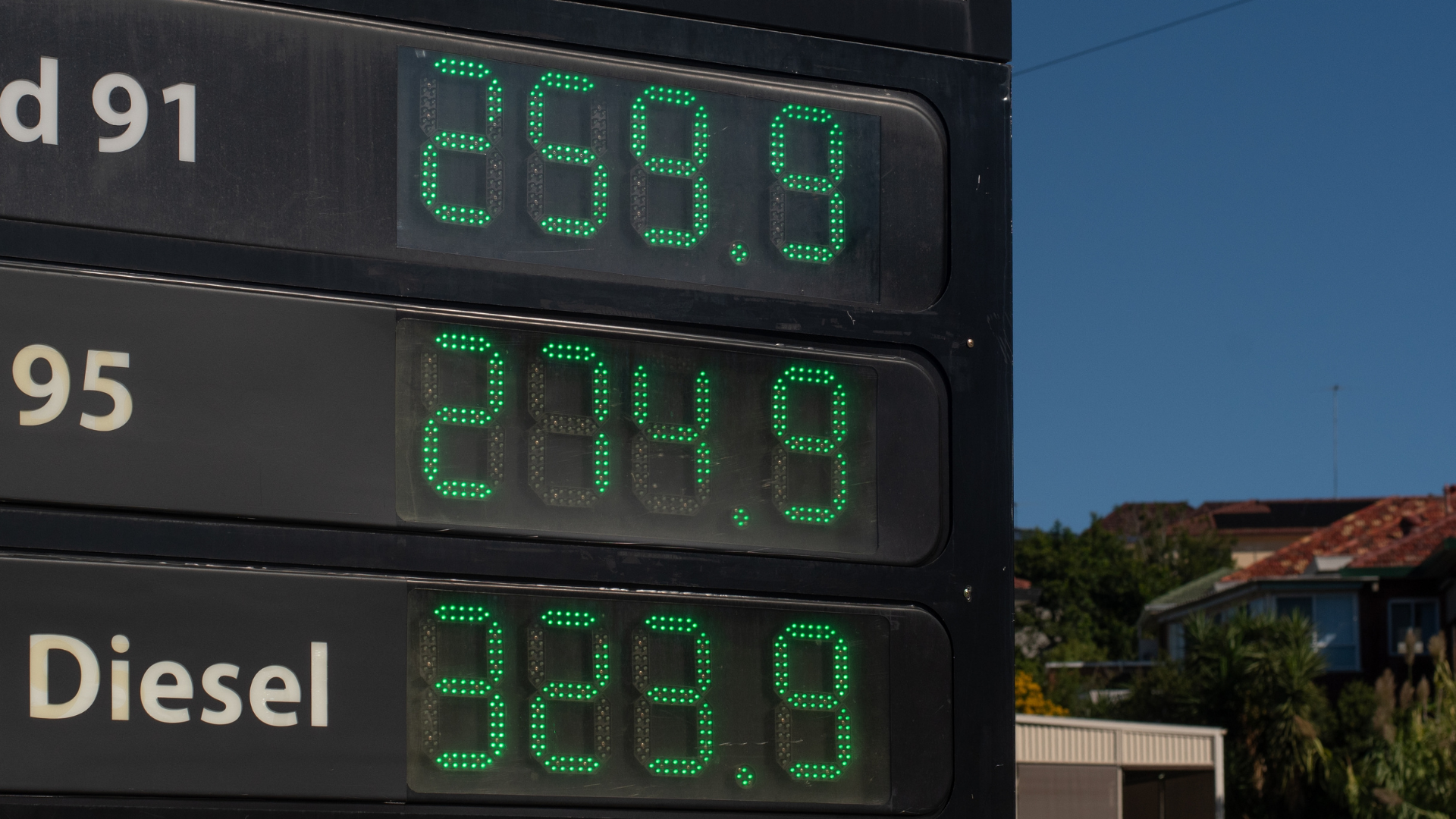
Industry leaders and local government representatives have jointly highlighted the impact of escalating fuel prices on the freight sector, with increased operational costs affecting logistics, materials delivery and project timelines [2]. The construction sector’s exposure to fuel costs extends across earthmoving, materials transport, concrete production and on-site plant operations, making sustained high prices a direct input cost pressure rather than a peripheral overhead.
Australia’s 90 per cent fuel import dependency continues to be cited as the underlying structural factor. RACQ’s Ian Jeffreys has warned that some proposed responses, including purchasing additional tankers, could entrench long-term high fuel prices rather than resolve them [8]. Commentary in The Canberra Times has argued that government responses to the 2026 fuel situation are addressing symptoms rather than root causes, and that domestic energy generation offers the only genuine insulation from foreign supply shocks [16].
The fuel cost environment has been a recurring theme across recent editions, driven by the ongoing disruption to shipping through the Strait of Hormuz. The HIA’s warning last week about the impact of high fuel prices on residential building costs, the supplier price escalation notices on PVC, polyethylene and other petroleum-linked materials reported in late March, and the broader freight surcharges across the logistics chain all remain relevant to project cost forecasting and contract administration across the sector.
NSW Court Narrows Misleading Conduct in Construction
A recent NSW Supreme Court decision in The Star Entertainment Sydney Properties Pty Ltd v Buildcorp Group Pty Ltd clarified how misleading conduct provisions under the Australian Consumer Law apply in construction disputes [14]
The case, which arose from the use of aluminium composite panels, provides important guidance on the limits of alleged representations made during construction marketing and project delivery.
The Court confirmed that not every incorrect or inaccurate statement made in the course of a project will amount to misleading or deceptive conduct—particularly where contractual risk allocation is clear and design responsibility has been expressly excluded. The decision reinforces that ACL claims cannot be used to sidestep agreed contractual responsibilities or to reallocate risk contrary to the contract structure.
The ACT’s adoption of a new building code, projected to add up to $55,000 to home builds, was also reported during the week [4]. As part of the National Housing Accord, the ACT’s regulatory alignment with national standards carries potential implications for cross-border projects and may signal the direction of future code adoption in NSW, where the NCC 2025 is now scheduled for adoption in May 2027 following the deferral confirmed last week.
Final Thoughts
The energy transition’s delivery challenges are becoming more concrete. Wind project delays, transmission cost escalation from $8.5 billion to $120 billion or more, and the pivot of investment capital from solar toward battery storage all point to an energy construction pipeline that is large in scale but shifting in composition and facing significant cost and schedule uncertainty [1, 11, 13]. The construction demand is substantial, but the commercial terms on which that work proceeds are under pressure.
Fuel cost pressures remain a structural feature of the operating environment rather than a short-term disruption. Australia’s 90 per cent import dependency means that the current cost environment is linked to global conditions that are not within the sector’s control [2, 8, 16]. The interaction between fuel costs, material price escalation and fixed-price contracting arrangements continues to affect margins and delivery risk across the sector.
Modular construction’s expansion across energy, industrial and social housing applications reflects growing commercial and policy interest in alternative delivery models [3, 9, 15]. The $261 million Hunter logistics approval and continued high-speed rail planning add to a project pipeline that remains active across multiple sectors [5, 10]. Moreover, the narrowing of misleading conduct standards in construction represents a discrete legal developments that carries implications for how risk and compliance are managed across the industry [14].
-
Renew Economy | by David Leitch (9 April 2026). The clock is ticking: Coal is down, prices have fallen, but wind projects are very, very late. https://reneweconomy.com.au/the-clock-is-ticking-coal-is-down-prices-have-fallen-but-wind-projects-are-very-very-late/
-
Daily Cargo News | by David Sexton (9 April 2026). Industry, local government highlight fuel freight pain. https://www.thedcn.com.au/news/industry-local-government-highlight-fuel-freight-pain
-
Energy Magazine | by Tom Parker (9 April 2026). The modular backbone of Australia’s energy transition. https://www.energymagazine.com.au/the-modular-backbone-of-australias-energy-transition/
-
Bay Post | by Georgina Sebar (9 April 2026). ACT adopts new building code despite projected cost rises of up to $55k. https://www.batemansbaypost.com.au/story/9215536/new-building-code-could-add-55000-to-canberra-home-builds/
-
Camden Haven Courier | by Matthew Kelly (9 April 2026). Newcastle to Sydney train line to reach capacity in early 2040s: the case for high-speed rail. https://www.camdencourier.com.au/story/9217726/hsra-report-reveals-the-sydney-newcastle-train-line-will-reach-capacity-in-15-years/
-
Intentionally left blank.
-
Intentionally left blank.
-
Sky News | by James Harrison (14 April 2026). Australians warned of long-term high fuel prices by RACQ’s Ian Jeffreys if the nation purchased more tankers. https://www.skynews.com.au/business/energy/australians-warned-of-longterm-high-fuel-prices-by-racqs-ian-jeffreys-if-the-nation-purchased-more-tankers/news-story/9cf7a728a6dbd9d5d7c0a63ba41fb09b
-
Kalkine Media (14 April 2026). Is This NSW Tie-Up a Game Changer for Modular Construction?. https://kalkinemedia.com/au/stocks/industrial/is-this-nsw-tie-up-a-game-changer-for-modular-construction
-
The Maitland Mercury | by Matthew Kelly (15 April 2026). Approval for $260m Black Hill logistics estate. https://www.maitlandmercury.com.au/story/9222962/261m-black-hill-logistics-estate-approved-creating-400-jobs/
-
Renew Economy | by Giles Parkinson (13 April 2026). "Not economically viable:" Global funds giant drops plans for solar farm, to build bigger battery instead. https://reneweconomy.com.au/not-economically-viable-global-funds-giant-drops-plans-for-solar-farm-to-build-bigger-battery-instead/
-
PV Magazine (13 April 2026). Industry leaders to convene for Australia’s Responsible BESS Development Summit 2026. https://www.pv-magazine-australia.com/press-releases/industry-leaders-to-convene-for-australias-responsible-bess-development-summit-2026/
-
MacroBusiness | by Leith van Onselen (April 2026). Soaring renewable transmission costs to pressure power bills. https://www.macrobusiness.com.au/2026/04/soaring-renewable-transmission-costs-to-pressure-power-bills/
-
The Star Entertainment Sydney Properties Pty Ltd v Buildcorp Group Pty Ltd [2026] NSWSC 27 - https://www.caselaw.nsw.gov.au/decision/19c21c2750d22e42d152459a
-
Gloucester Advocate | by Josh Leeson (11 April 2026). ‘Given me stability’: how a modular house ended three years of homelessness. https://www.gloucesteradvocate.com.au/story/9219482/modular-home-at-windale-ends-three-years-of-homelessness/
-
The Canberra Times | by Mark Love (11 April 2026). We import 90 per cent of our fuel. It doesn’t have to be that way. https://www.canberratimes.com.au/story/9219690/australias-2026-fuel-crisis-government-actions-miss-real-cause/
The Pulse collates the latest news and opinions from third-party sources. Links, snippets or text are generated by an artificial intelligence engine. The Pulse aggregates news reports and does not claim to have copyright to the content. We have not fact-checked that content and cannot vouch for its accuracy or completeness. Nor do we endorse the opinions expressed by the authors or primary publishers. The content is provided as general information only and should not be relied on as a substitute for professional advice. You should contact the source to verify any factual content as well as taking specialist advice that takes your personal objectives and circumstances into account.
.png)
Kreisson
Produced by the team at Kreisson.
Browse Past Issues

Kreisson
We provide the construction industry with simple, easy to understand, solution-based legal advice.