Data Centres, Deferred Codes and Diesel at Three Dollars: NSW Construction Absorbs a Week of Scale and Stress
This edition of The Pulse covers a week shaped by a major expansion of the data centre construction pipeline, a regulatory reprieve on building code adoption, and the continued transmission of fuel and supply chain disruption into project costs across the sector.
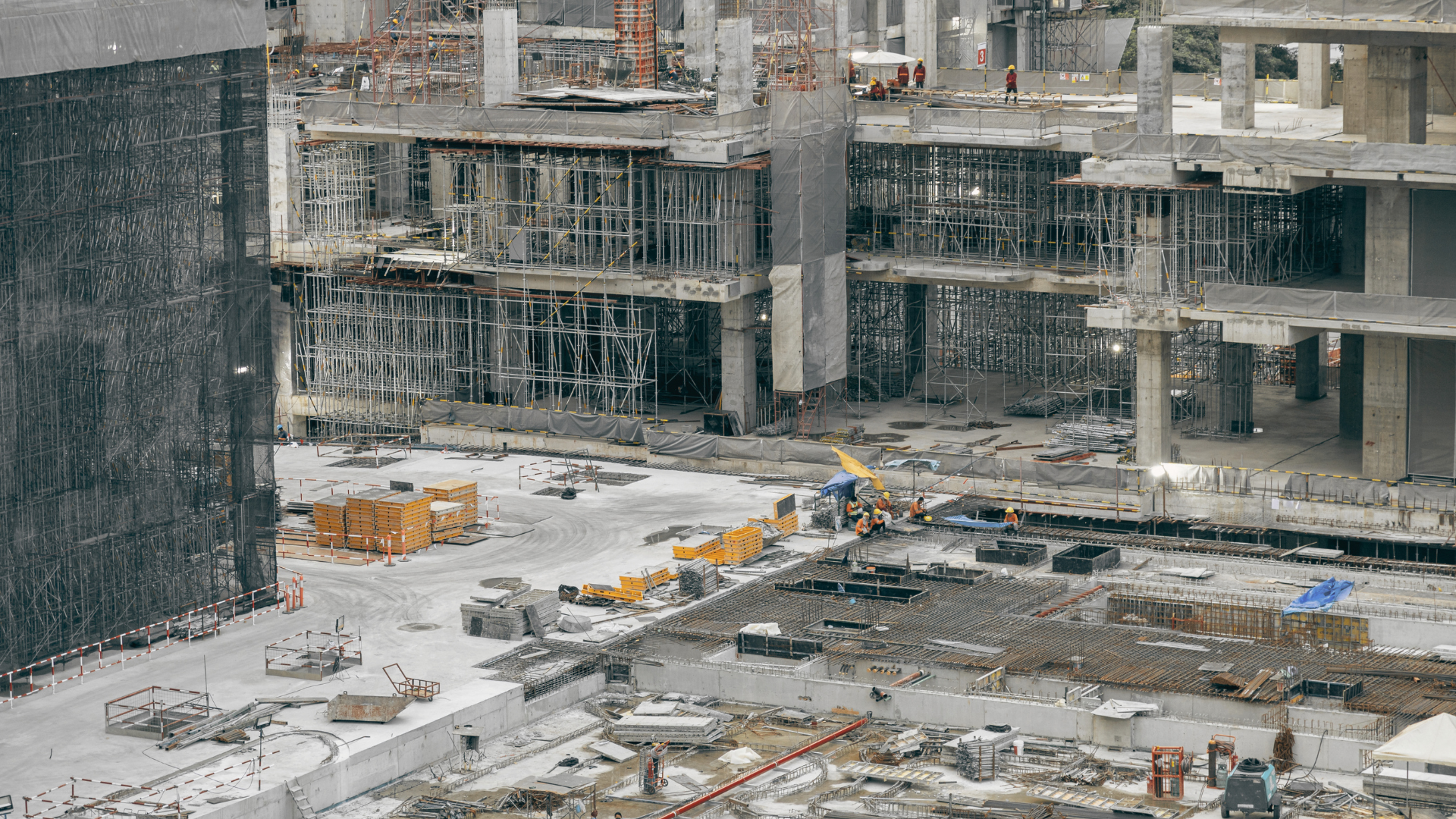
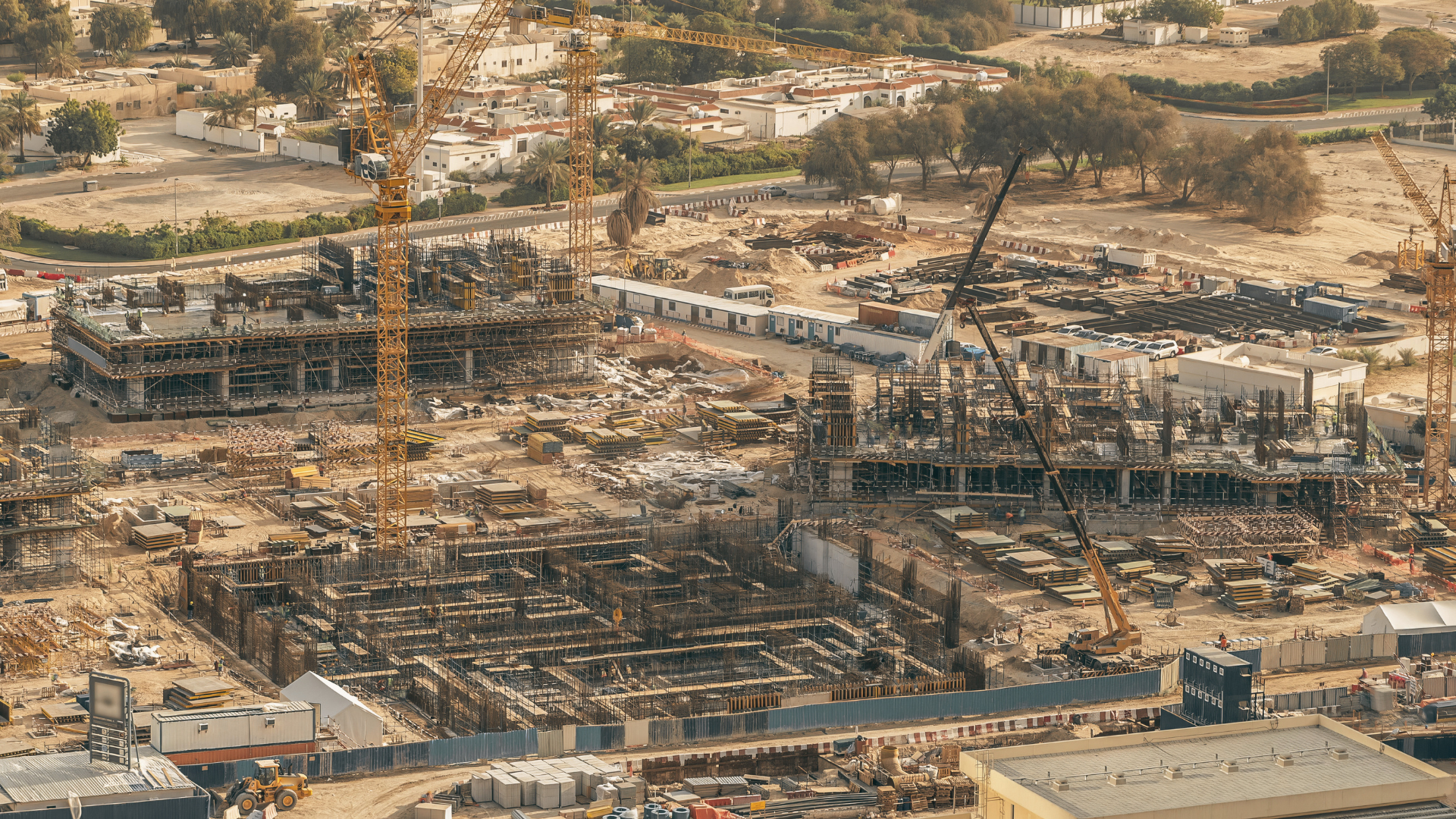
The NSW Government approved 15 new data centre projects to progress through the Investment Delivery Authority, collectively valued at approximately $51.9 billion [15]. Data centre construction activity in NSW has increased by an average of 65 per cent annually over the past three years, reaching $2.6 billion in 2024/25, and the sector now represents 12 per cent of all non-residential building investment in the state [13, 15]. NEXTDC’s 350MW S4 facility at Horsley Park has commenced construction, with Multiplex appointed as contractor [11, 12, 14].
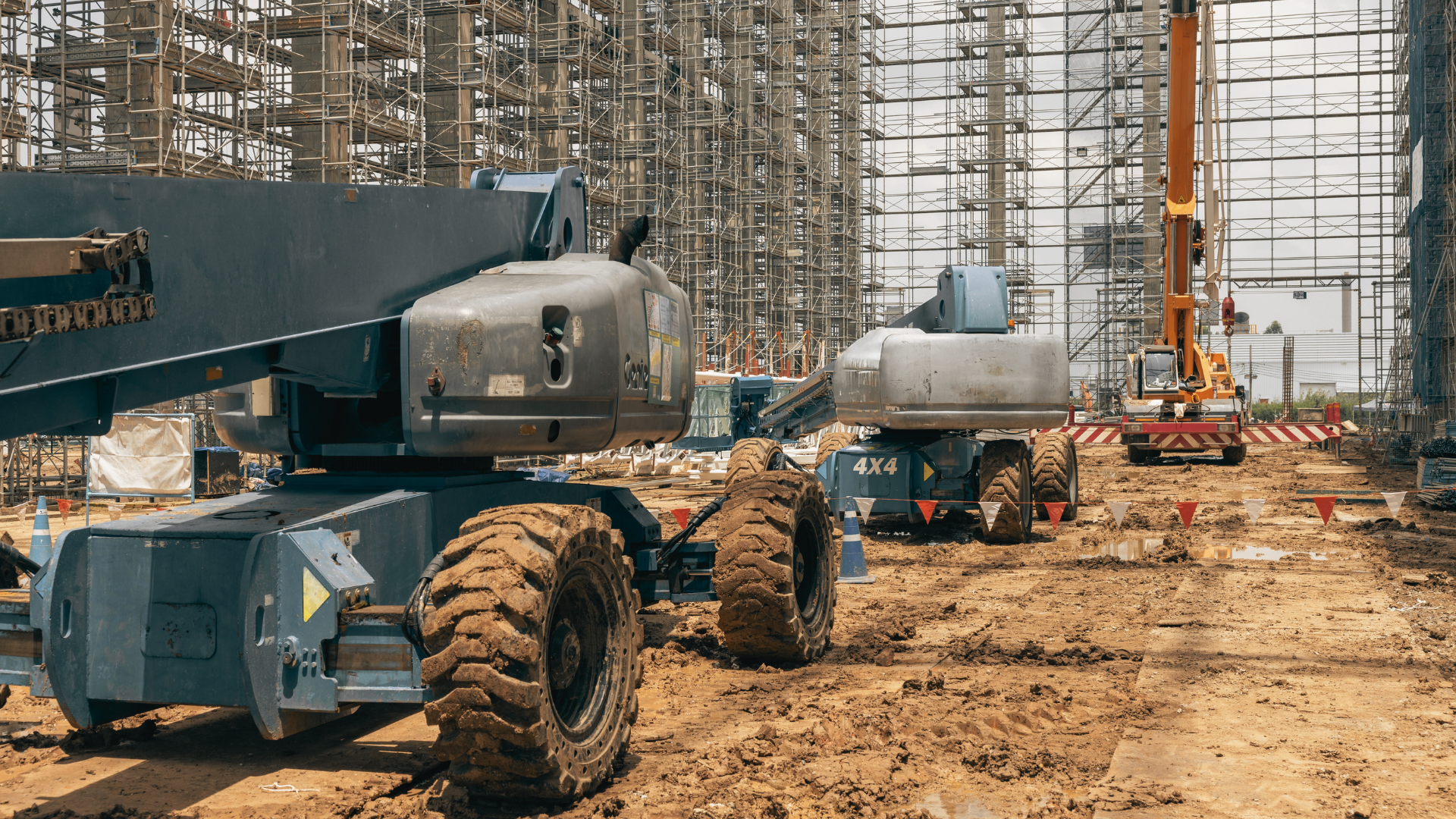
Separately, NSW confirmed it will adopt the National Construction Code (NCC) 2025 on 1 May 2027, a 12-month deferral from the original timeline [1, 5, 8]. The delay provides additional lead time for the industry to prepare for updated safety, quality and sustainability standards.
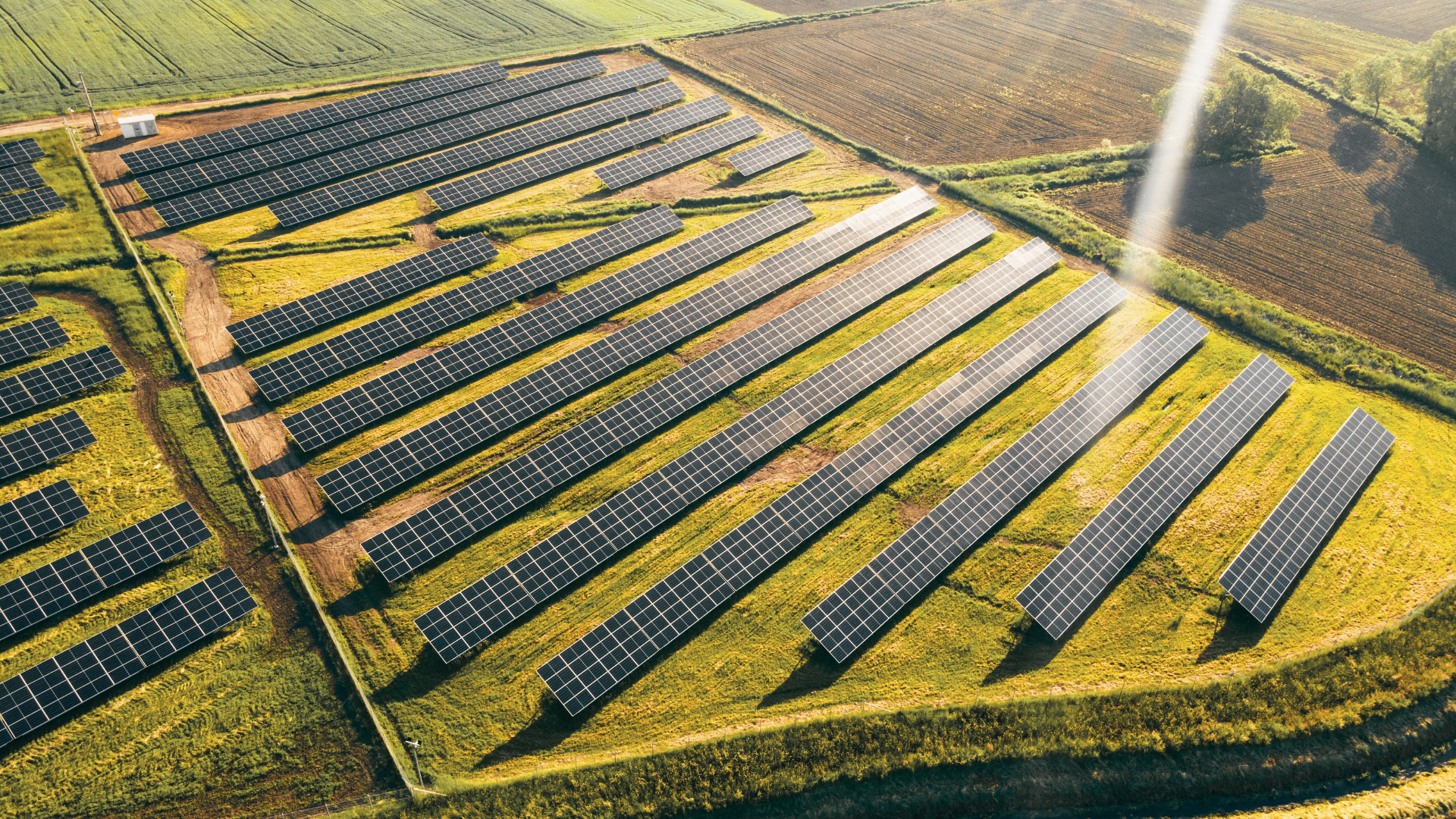
On energy and fuel, Premier Minns called for greater sovereignty over national energy supply as diesel prices continue to exceed $3.00 per litre in parts of NSW [4]. The fuel and material cost pressures reported in last week’s edition are continuing, with the construction sector absorbing ongoing price escalation across petroleum-linked inputs. The Australian Energy Market Operator has pushed back its forecast for gas shortfalls to 2030, citing the boom in grid-scale battery storage and accelerating electrification [9], while the IDA endorsed 14 energy projects valued at $34 billion [15].
$51.9 Billion Data Centre Pipeline Reshapes NSW Non-Residential Construction
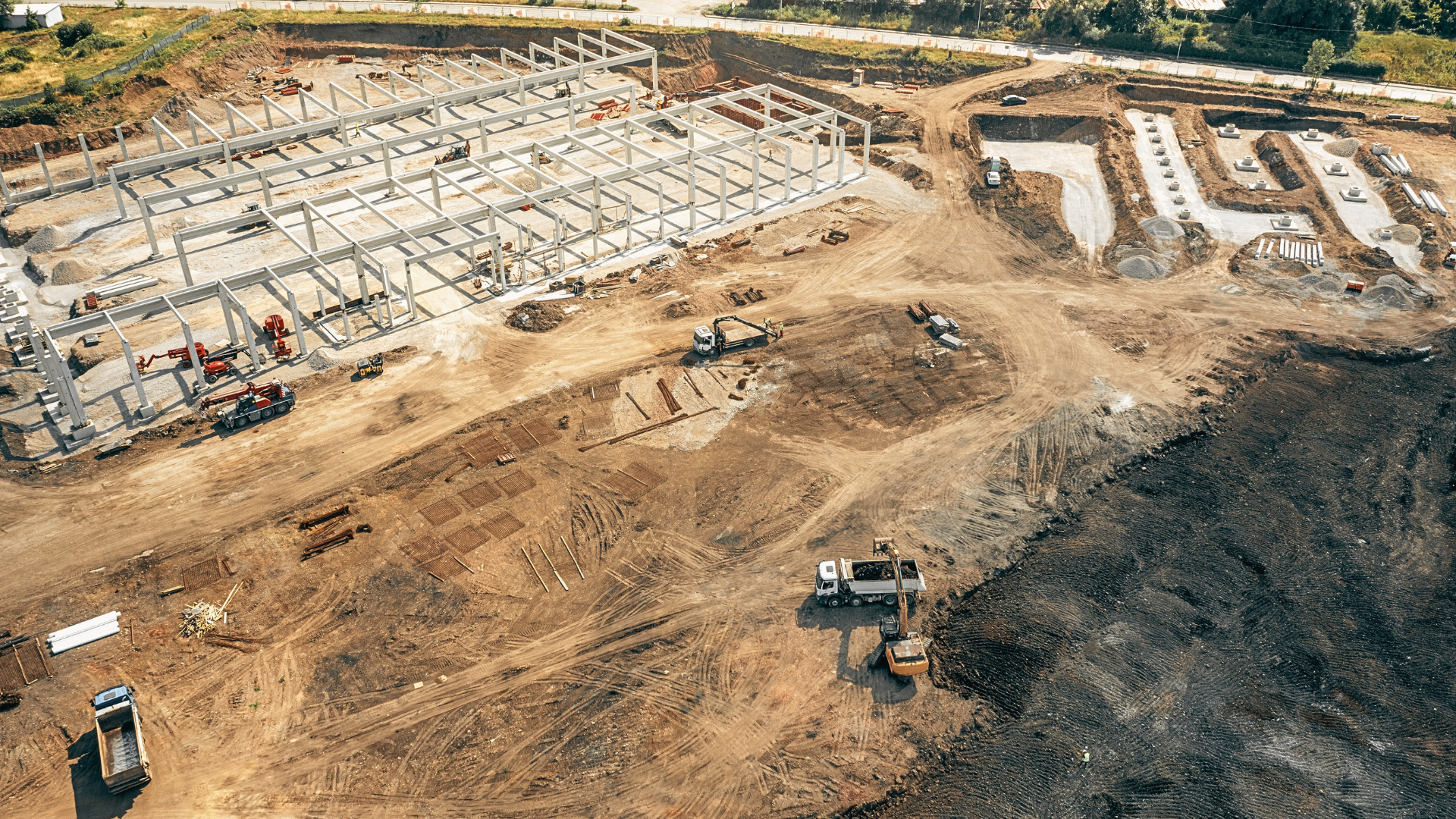
The NSW Government approved 15 new data centre projects to progress through the Investment Delivery Authority, collectively valued at approximately $51.9 billion [15]. The approvals represent a significant scaling of a pipeline that has been building across recent editions. Data centre construction activity in NSW has grown by an average of 65 per cent annually over the past three years, reaching $2.6 billion in 2024/25 [13]. The sector now accounts for 12 per cent of all non-residential building investment in the state [15], positioning it alongside transport and energy infrastructure as a major driver of construction workload.
NEXTDC’s S4 Sydney data centre at Horsley Park in Western Sydney has commenced construction. The 350MW facility will span 30,743 square metres across two four-storey buildings, with Multiplex appointed as contractor [11, 12, 14]. The project is classified as a State Significant Development and is scheduled for completion by mid-2027, with an estimated 1,800 jobs during peak construction [11]. The facility’s design incorporates modular construction techniques including prefabricated mechanical plantrooms and precast lift cores [11, 12].
With over 90 data centres already operational in NSW [17], the government has released a Data Centre Consultation Paper to guide sustainable development and gather industry feedback on regulatory settings around energy consumption, water usage and community engagement [2, 17]. NSW Treasurer Daniel Mookhey indicated the government is focused on working with proponents who demonstrate long-term commitment to the state and their social licence [15].
Data Centres Australia CEO Belinda Dennett has raised concerns about approval timelines, warning that delays could drive investment offshore as competition for AI infrastructure intensifies across the Asia-Pacific [13]. The sector has invested $3.1 billion in grid infrastructure since 2020, with an expected additional $7.2 billion by 2030 [13]. The pipeline’s scale also carries workforce implications: the sector is estimated to require an additional 8,300 workers by 2030 [13], intensifying competition for skilled labour across the broader construction market.
Energy Policy Shifts as Fuel and Supply Chain Pressures Continue
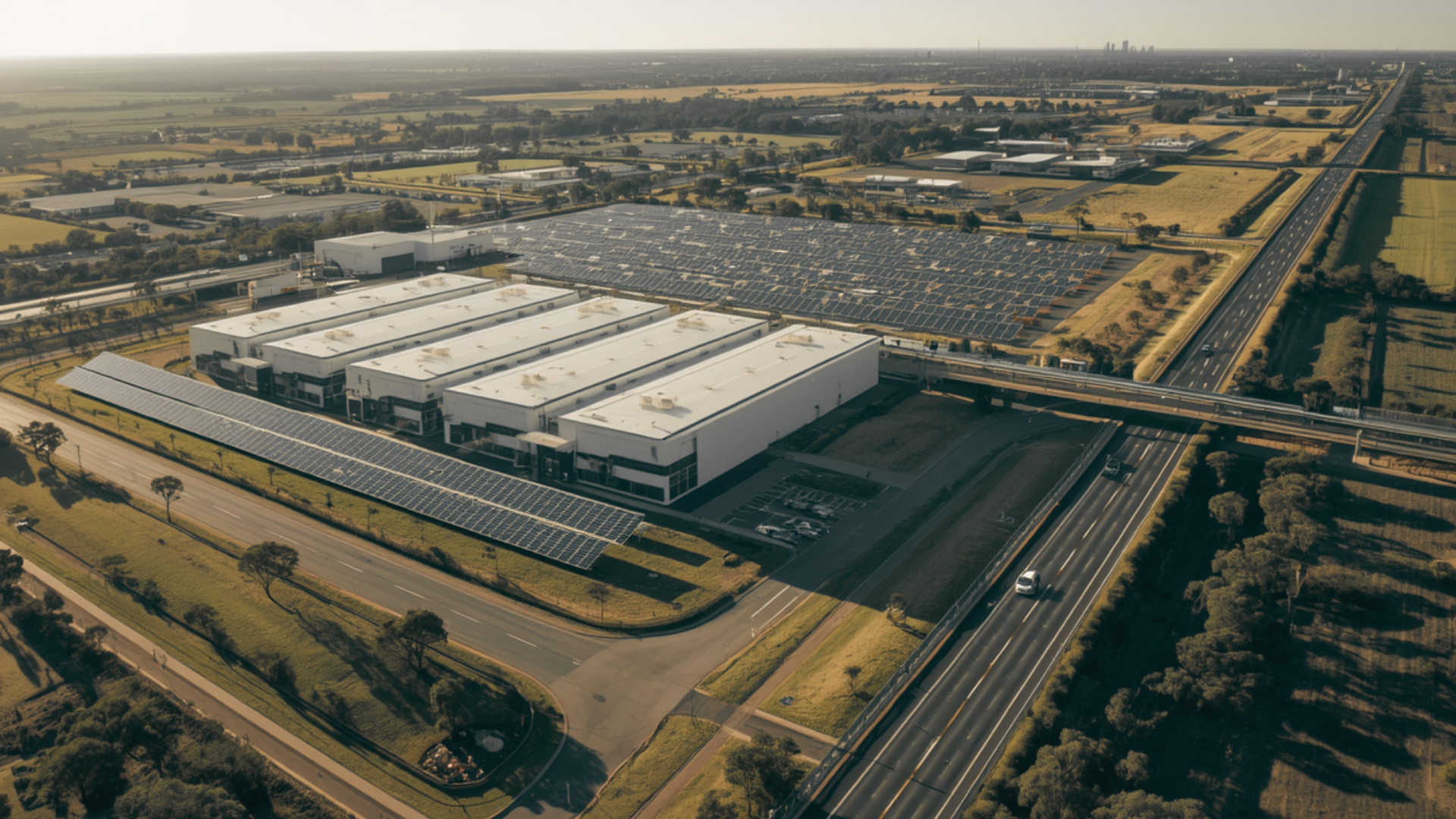
Premier Minns called this week for greater sovereignty over national energy supply as diesel prices continue to exceed $3.00 per litre in parts of NSW [4]. The Premier’s comments referenced expanded electric vehicle infrastructure and battery storage as part of a broader strategy to reduce fossil fuel dependence [4]. The fuel price and supply chain pressures reported in last week’s edition, driven by the ongoing disruption to shipping through the Strait of Hormuz following the escalation of the Middle East conflict, continue to affect the cost of construction inputs across the sector.
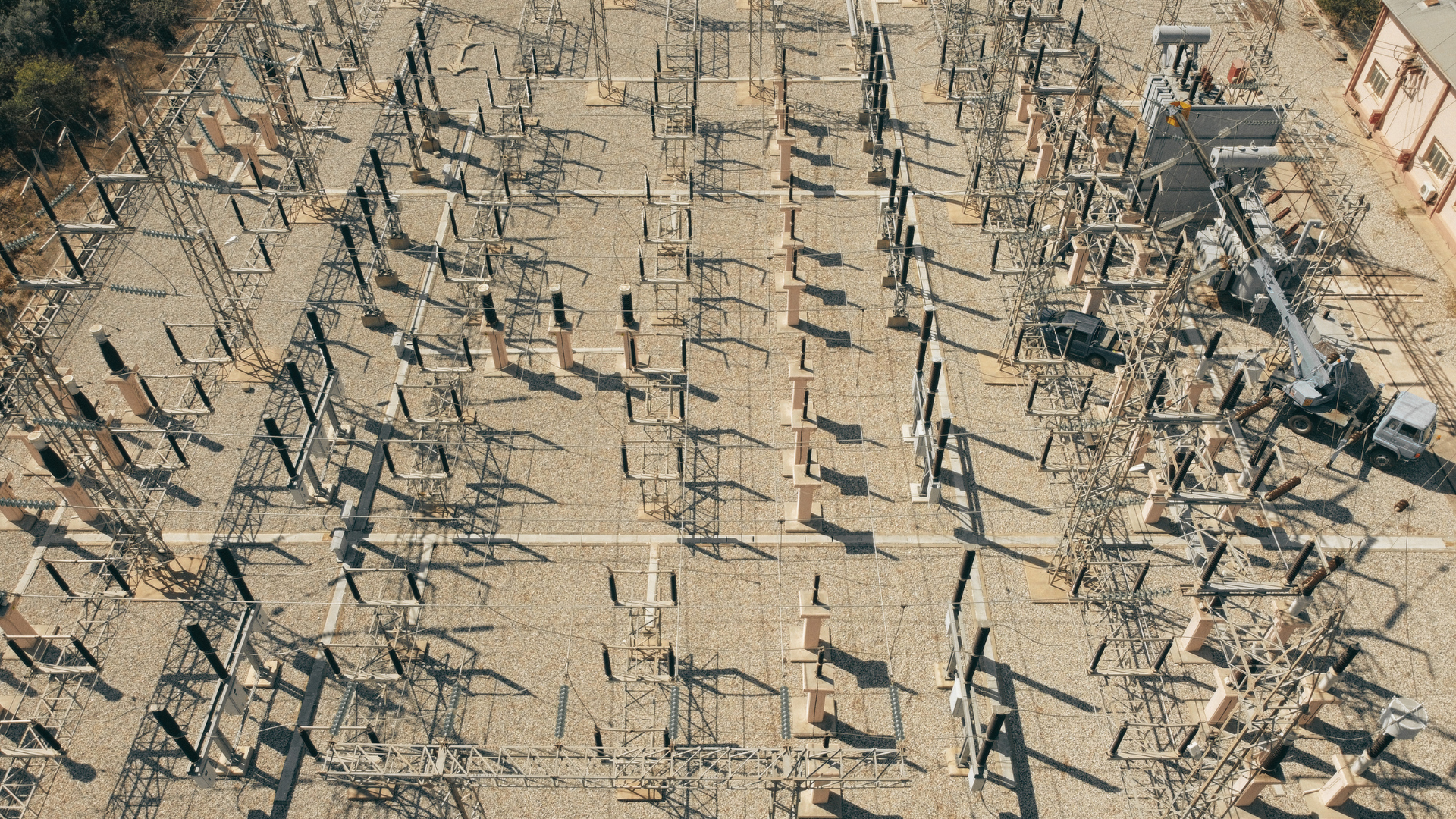
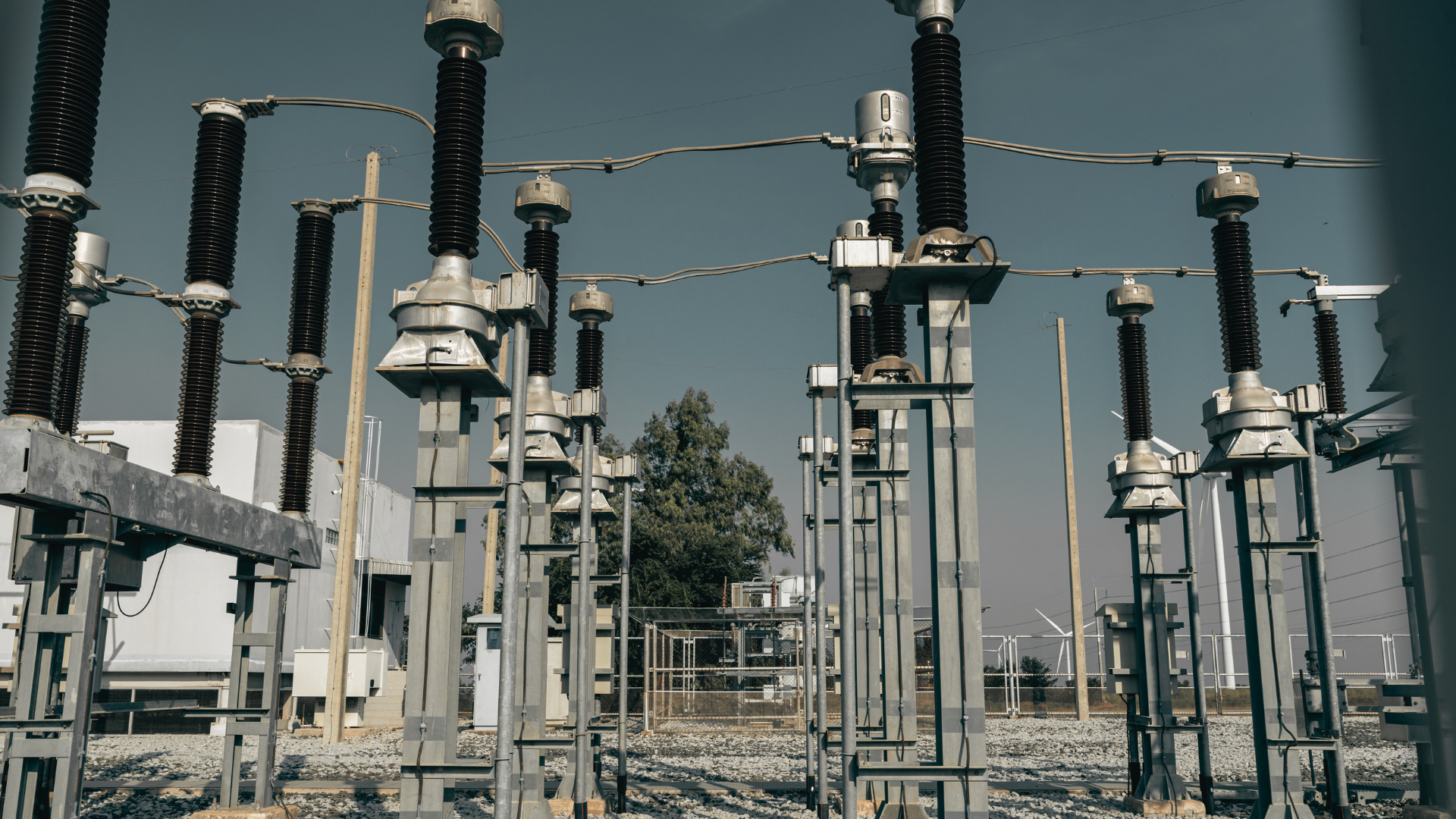
The Australian Energy Market Operator has pushed back its forecast for east coast gas shortfalls to 2030, attributing the revision to the boom in grid-scale battery storage and accelerating electrification across the economy [9]. The trend is generating a growing category of energy infrastructure construction demand alongside the data centre pipeline. The IDA endorsed 14 energy projects valued at $34 billion during the week [15], further expanding the infrastructure construction pipeline in NSW.
The Tomago aluminium smelter in the Hunter Valley is the subject of ongoing advocacy from the Australian Workers’ Union, which has urged the NSW Government to finalise financial support for the facility, citing risks to jobs and sovereign industrial capacity [7]. For the construction sector, the smelter’s viability has supply chain relevance: aluminium is a widely used construction material, and any disruption to domestic production could add to material cost pressures already elevated by fuel-driven escalation across the supply chain.
Knight Frank’s analysis of the national development landscape heading into 2026 describes conditions of cautious momentum with an uneven outlook across regions and asset types [16]. Housing supply, planning reform and cost pressures were identified as the critical factors shaping the development pipeline [16].

NCC 2025 Adoption Deferred to May 2027
NSW confirmed this week that the state will adopt the National Construction Code 2025 on 1 May 2027, deferring the original adoption timeline by 12 months [1, 5, 8]. The code applies across both commercial and residential construction, with some state-specific variations to address regional requirements [8]. The deferral provides additional time for the industry to review current practices, adjust procurement and design processes and prepare for updated safety, quality and sustainability standards [1, 8].
The decision is reported to have been received positively by industry, with commentary noting that the delay allows builders and developers to adapt without disrupting ongoing housing delivery [5]. Given the persistent housing supply pressures and the cost environment the sector is currently operating in, the additional compliance lead time is particularly relevant for projects already navigating tight feasibility margins.
The interaction between the updated NCC requirements and existing obligations under the Design and Building Practitioners Act 2020 will require attention as the transition date approaches, as updated building standards may affect practitioner registration requirements and compliance declarations [1, 8]. The 12-month window represents the preparation period before those requirements take effect.
Final Thoughts
The $51.9 billion data centre pipeline approved this week is the single largest non-residential construction development to emerge in NSW this year. At 12 per cent of all non-residential building investment and with an estimated 8,300 additional workers required by 2030, the sector is now a structural feature of the NSW construction market rather than a niche category [13, 15]. The regulatory framework governing data centre development is still forming, with the government’s consultation paper open for industry feedback [2, 17].
The NCC 2027 deferral provides a 12-month compliance preparation window at a time when the sector is managing multiple concurrent pressures [1, 5, 8]. The interaction between the updated code and existing obligations under the Design and Building Practitioners Act will be a point of focus as the transition date approaches.
The fuel and supply chain disruption reported over recent weeks remains a live issue, with diesel prices continuing above $3.00 in regional NSW and material cost escalation flowing through petroleum-linked inputs [4]. The $34 billion in energy projects endorsed by the IDA, alongside the battery storage boom pushing back gas shortfall forecasts, point to an energy infrastructure pipeline that is expanding in parallel with the data centre and transport construction programmes already underway [9, 15]. Across the sector, the volume and diversity of approved work continues to grow, while the cost and delivery environment in which that work must be executed remains under pressure.
-
Trade Earthmovers (31 March 2026). NSW to adopt National Construction Code in May 2027. https://www.tradeearthmovers.com.au/nsw-to-adopt-national-construction-code-in-may-2027/
-
NSW Government (27 March 2026). NSW Government backs data centre investment, sets course for sustainable development. https://www.nsw.gov.au/ministerial-releases/data-centre-investment-sustainable-development
-
Intentionally left blank.
-
ABC News | by Jessica Kidd (31 March 2026). NSW premier calls for more sovereignty on national energy supply as petrol prices rise. https://www.abc.net.au/news/2026-03-31/nsw-fuel-savings-measures-announced-by-chris-minns/106515942
-
Australian Design Review | by Tim McDonald (26 March 2026). NSW gives construction industry breathing room with 2027 code. https://www.australiandesignreview.com/interiors/new-south-wales-delays-uptake-of-ncc-2025/
-
Intentionally left blank.
-
Australian Manufacturing | by Kate B. (26 March 2026). NSW urged to back Tomago aluminium smelter to protect jobs and industry. https://www.australianmanufacturing.com.au/nsw-urged-to-back-tomago-aluminium-smelter-to-protect-jobs-and-industry/
-
By Sean Gustini (26 March 2026). New construction code for NSW. https://roadsonline.com.au/new-construction-code-for-nsw/
-
By Sophie Vorrath (26 March 2026). Gas shortfall fears pushed out again as grid battery boom and electrification take fresh bite from demand. https://reneweconomy.com.au/gas-shortage-warnings-pushed-out-again-as-big-battery-boom-and-electrification-take-fresh-bite-from-demand/
-
Intentionally left blank.
-
Build Australia (31 March 2026). Work commences on NEXTDC’s 350MW Western Sydney Data Centre. https://www.buildaustralia.com.au/projects/work-commences-on-nextdcs350mw-western-sydney-data-centre/
-
Inside Construction | by Ashley Grogan (30 March 2026). Work commences on NEXTDC’s S4 Sydney data centre. https://www.insideconstruction.com.au/news/latest-news/work-commences-on-nextdcs-s4-sydney-data-centre/
-
CFOtech Australia | by Sofiah Nichole Salivio (30 March 2026). NSW data centre policy backed, but approvals warning. https://cfotech.com.au/story/nsw-data-centre-policy-backed-but-approvals-warning
-
ARN | by Sasha Karen (30 March 2026). NextDC starts work on S4 Sydney data centre. https://www.arnnet.com.au/article/4151478/nextdc-starts-work-on-s4-sydney-data-centre.html
-
GovTech Review (30 March 2026). NSW Government approves another 15 data centre projects. https://www.govtechreview.com.au/content/gov-datacentre/news/nsw-government-approves-another-15-data-centre-projects-1672610037
-
The ASEAN Developer (31 March 2026). A Shifting National Landscape for Development in 2026 – Knight Frank. https://www.theaseandeveloper.com/news/2026/03/31/shifting-national-landscape-development-2026-knight-frank/1774948392
The Pulse collates the latest news and opinions from third-party sources. Links, snippets or text are generated by an artificial intelligence engine. The Pulse aggregates news reports and does not claim to have copyright to the content. We have not fact-checked that content and cannot vouch for its accuracy or completeness. Nor do we endorse the opinions expressed by the authors or primary publishers. The content is provided as general information only and should not be relied on as a substitute for professional advice. You should contact the source to verify any factual content as well as taking specialist advice that takes your personal objectives and circumstances into account.
.png)
Kreisson
Produced by the team at Kreisson.
Browse Past Issues


Kreisson
We provide the construction industry with simple, easy to understand, solution-based legal advice.
.jpg)