Walkouts, Write-Downs and War Risk: Housing Stalls and Fuel Disruption Hits the Supply Chain
This edition of The Pulse covers a week in which the pressures on NSW construction sharpened on multiple fronts simultaneously.
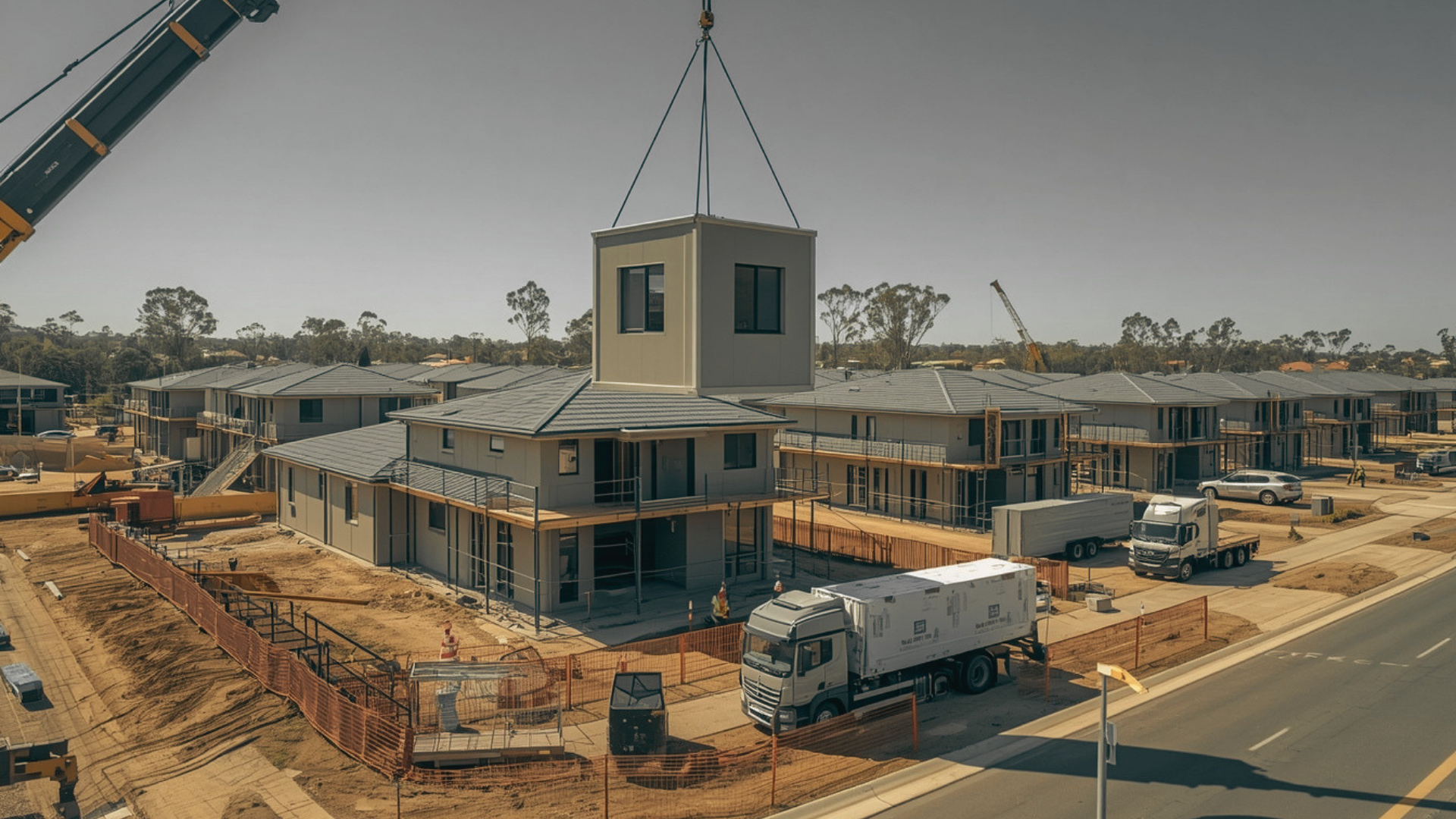
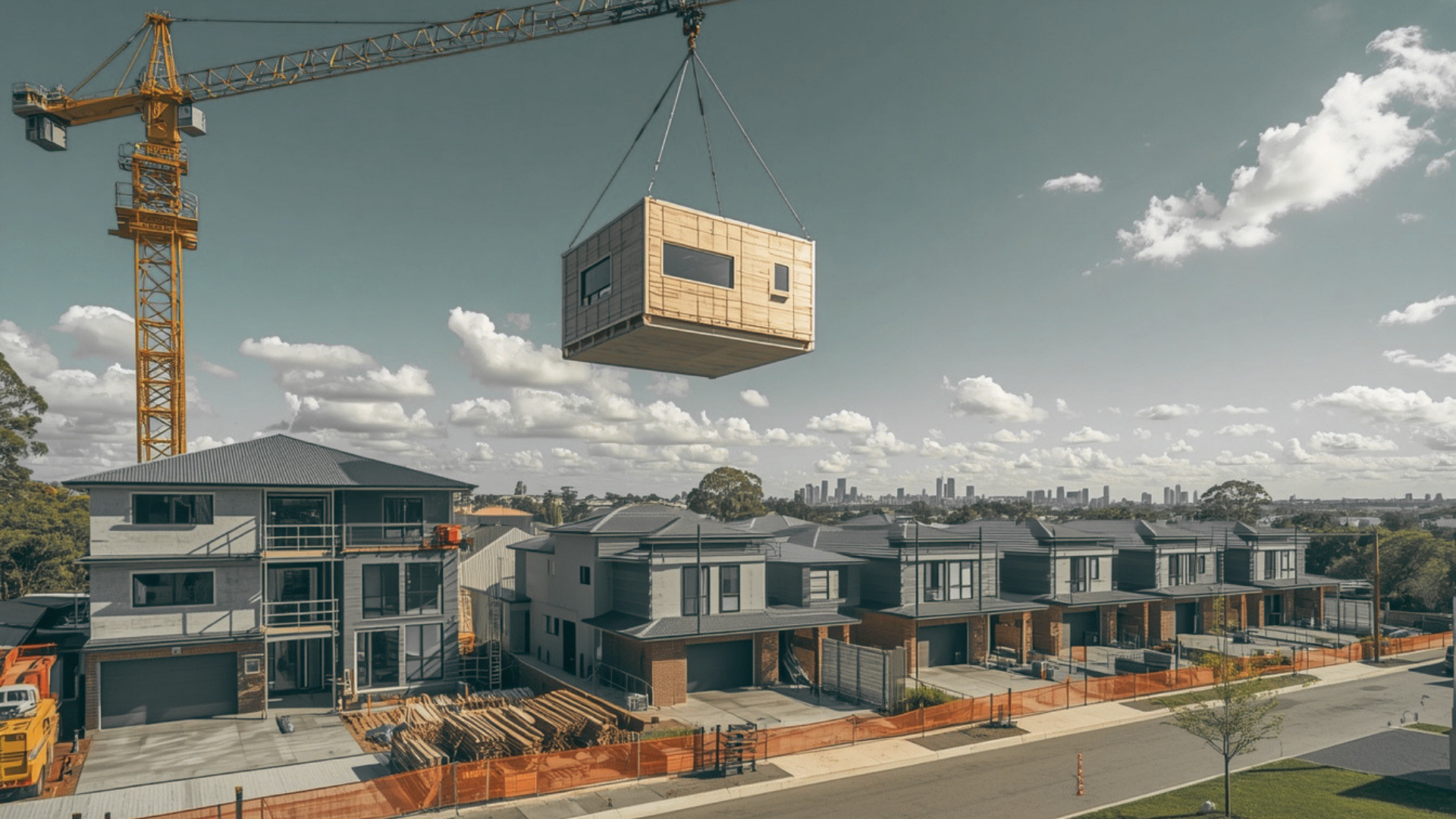
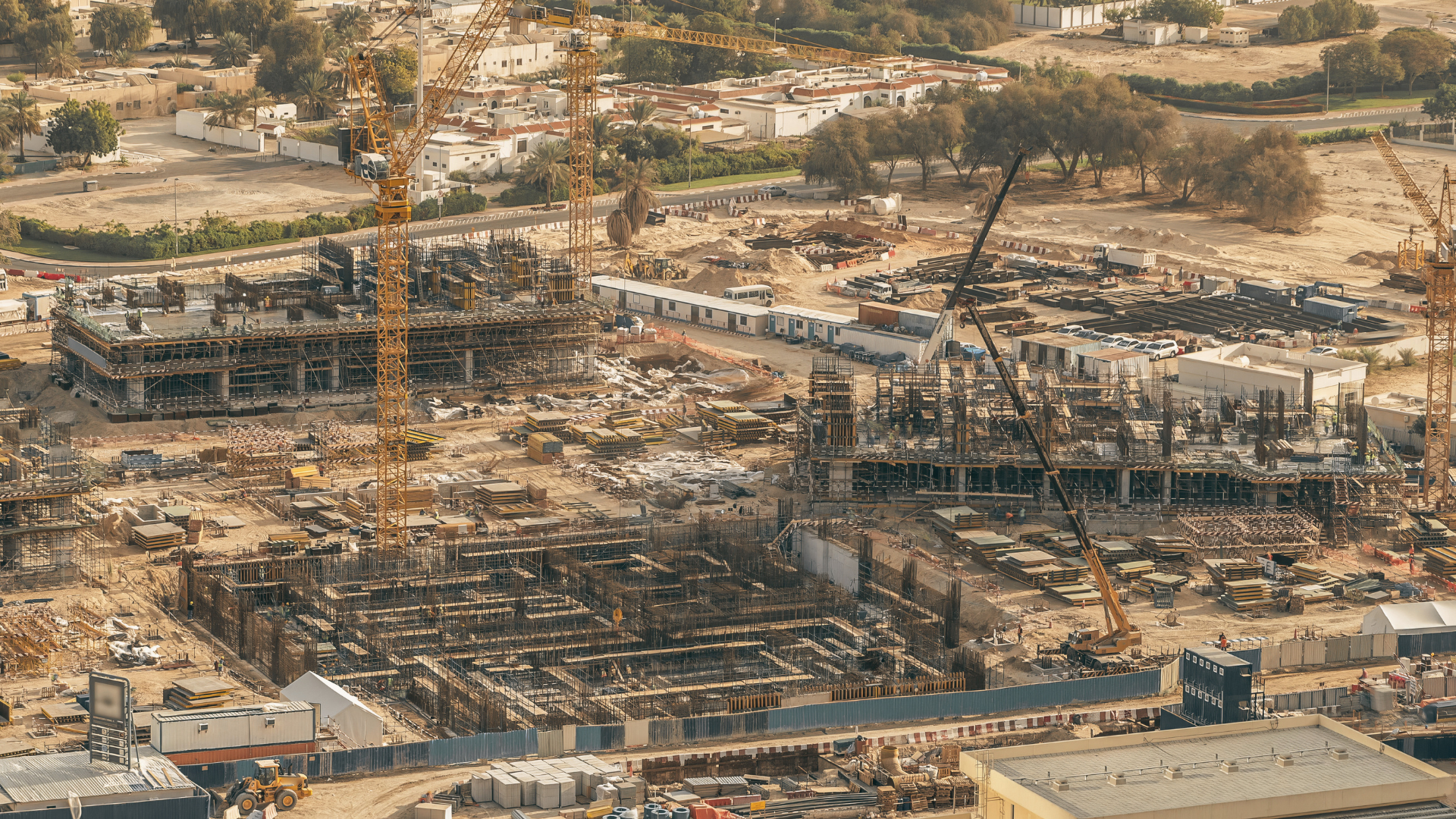
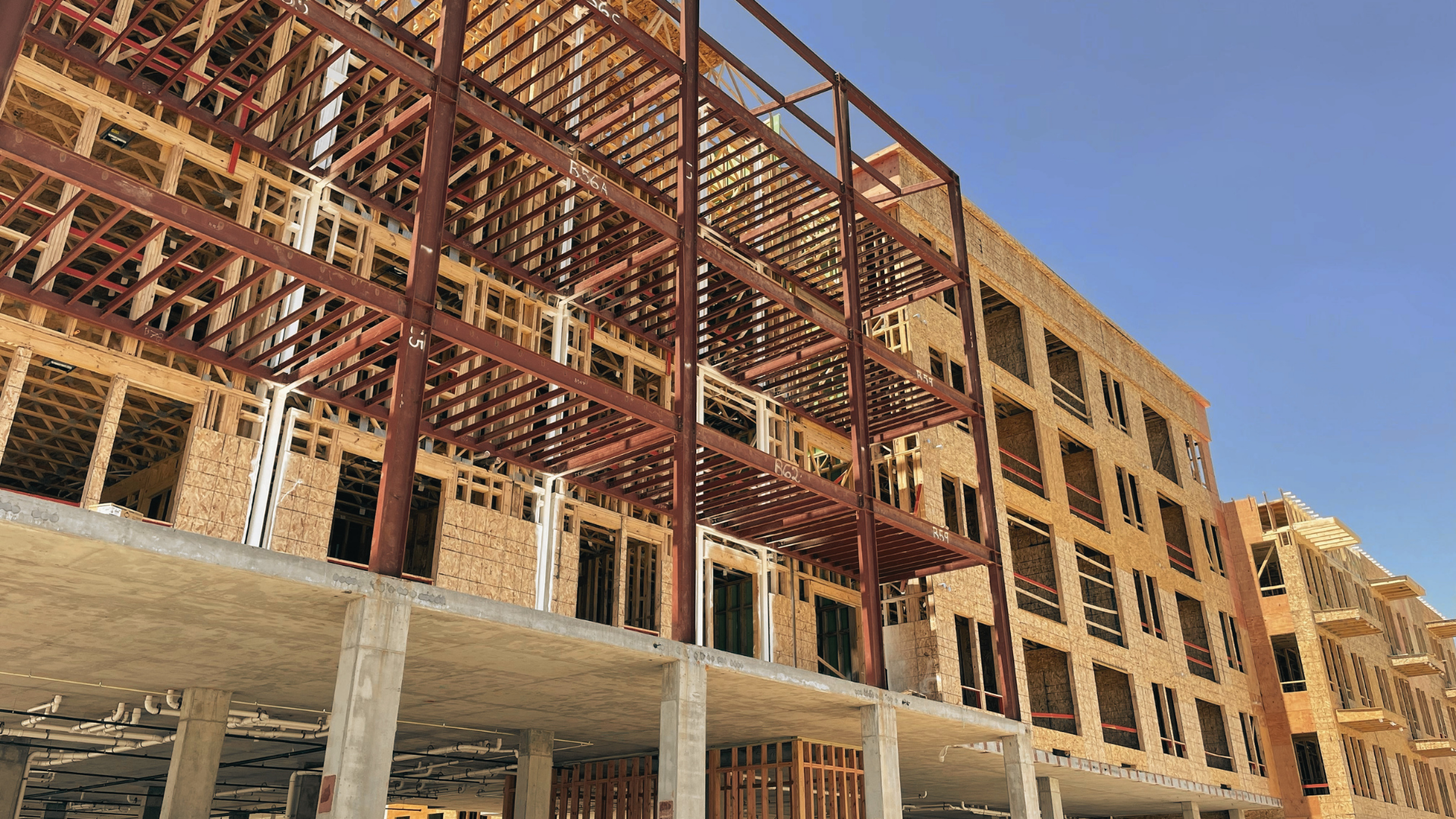
Australia continues to fall behind its National Housing Accord targets [4, 9]. The NSW Government responded with a further round of Housing Delivery Authority declarations, with close to 2,500 homes across ten projects declared as State Significant Development [10]. A $1 billion mixed-use development was also announced for Sydney’s North West, proposing more than 2,000 homes [6].
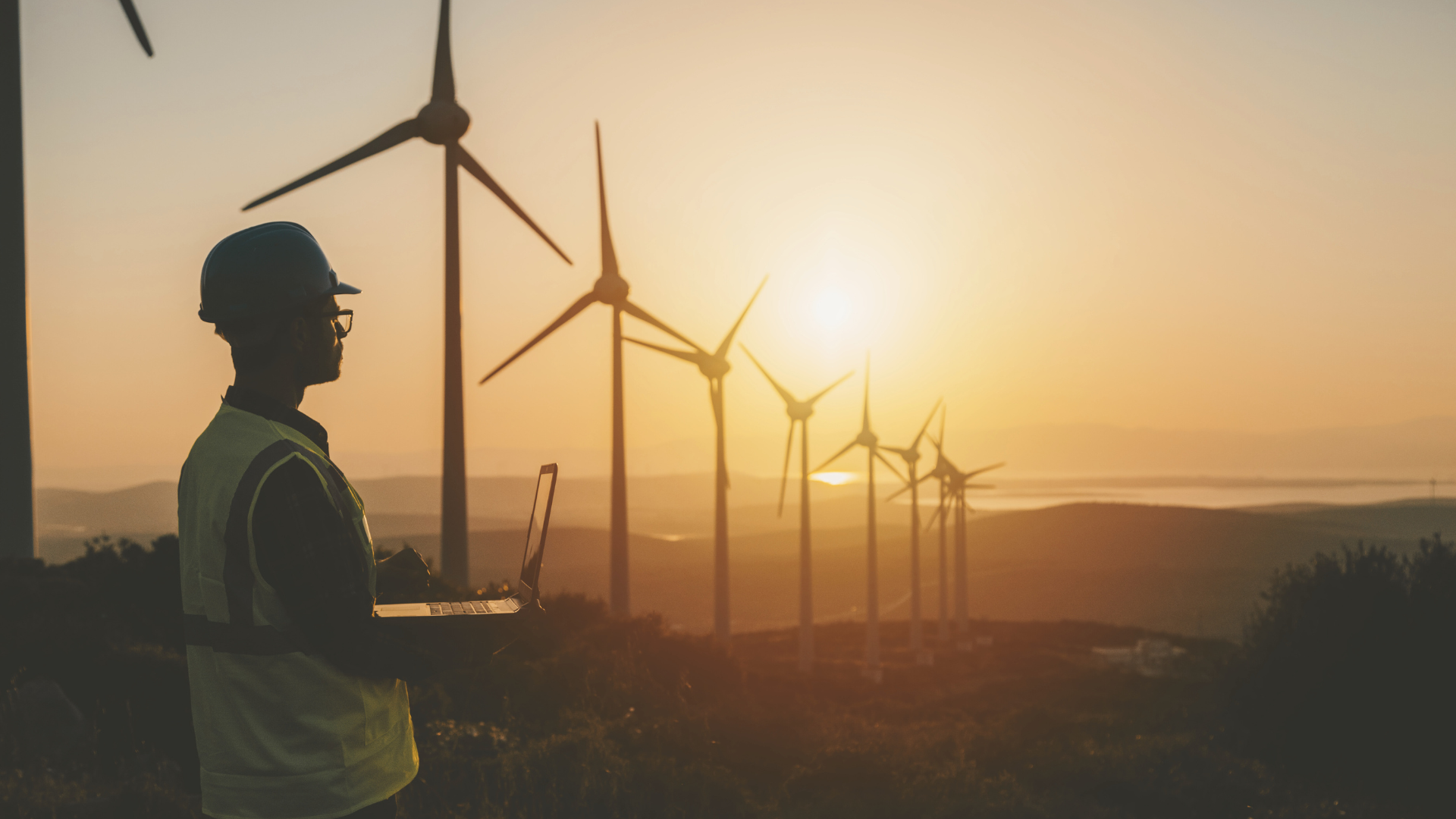
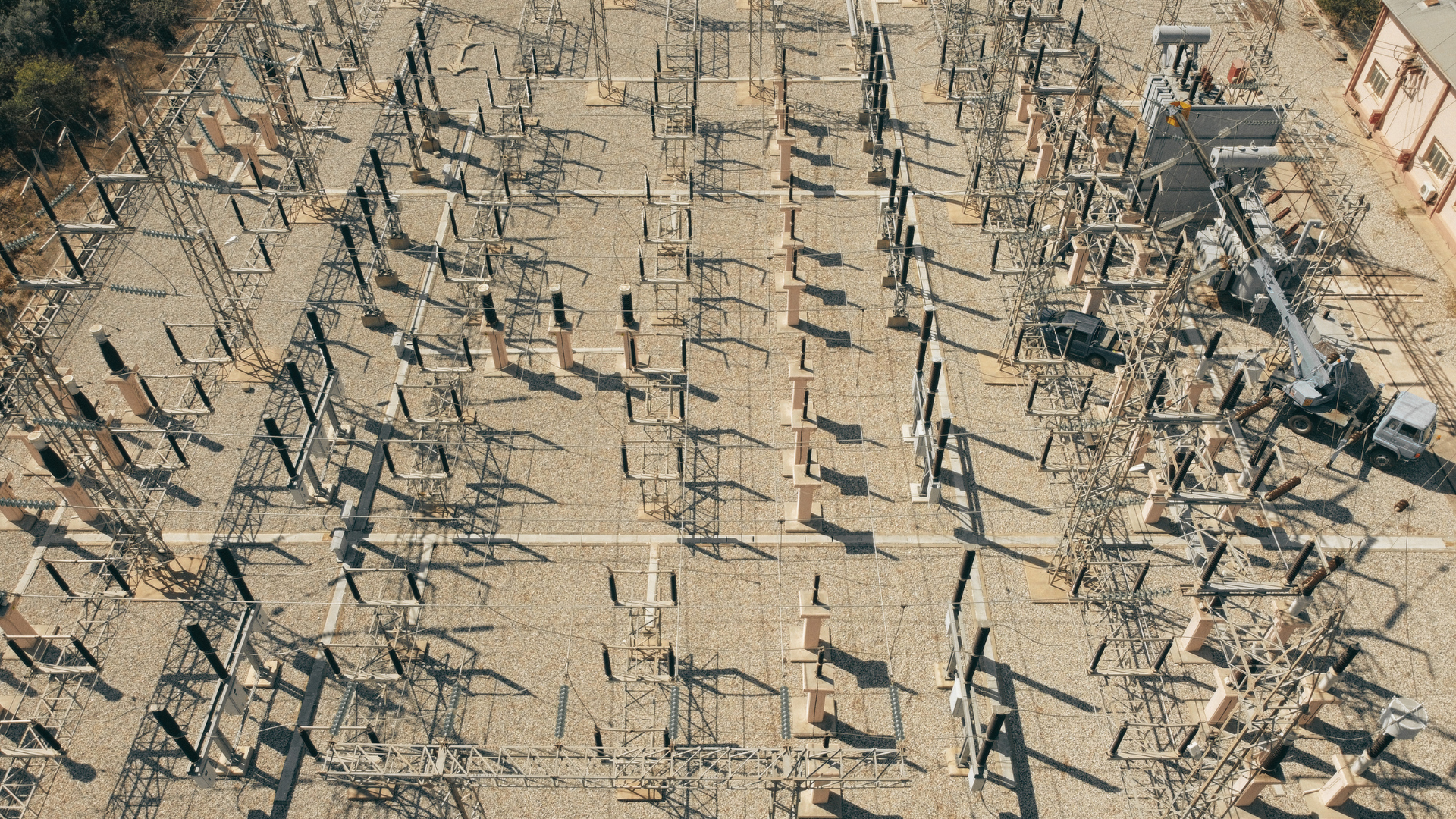
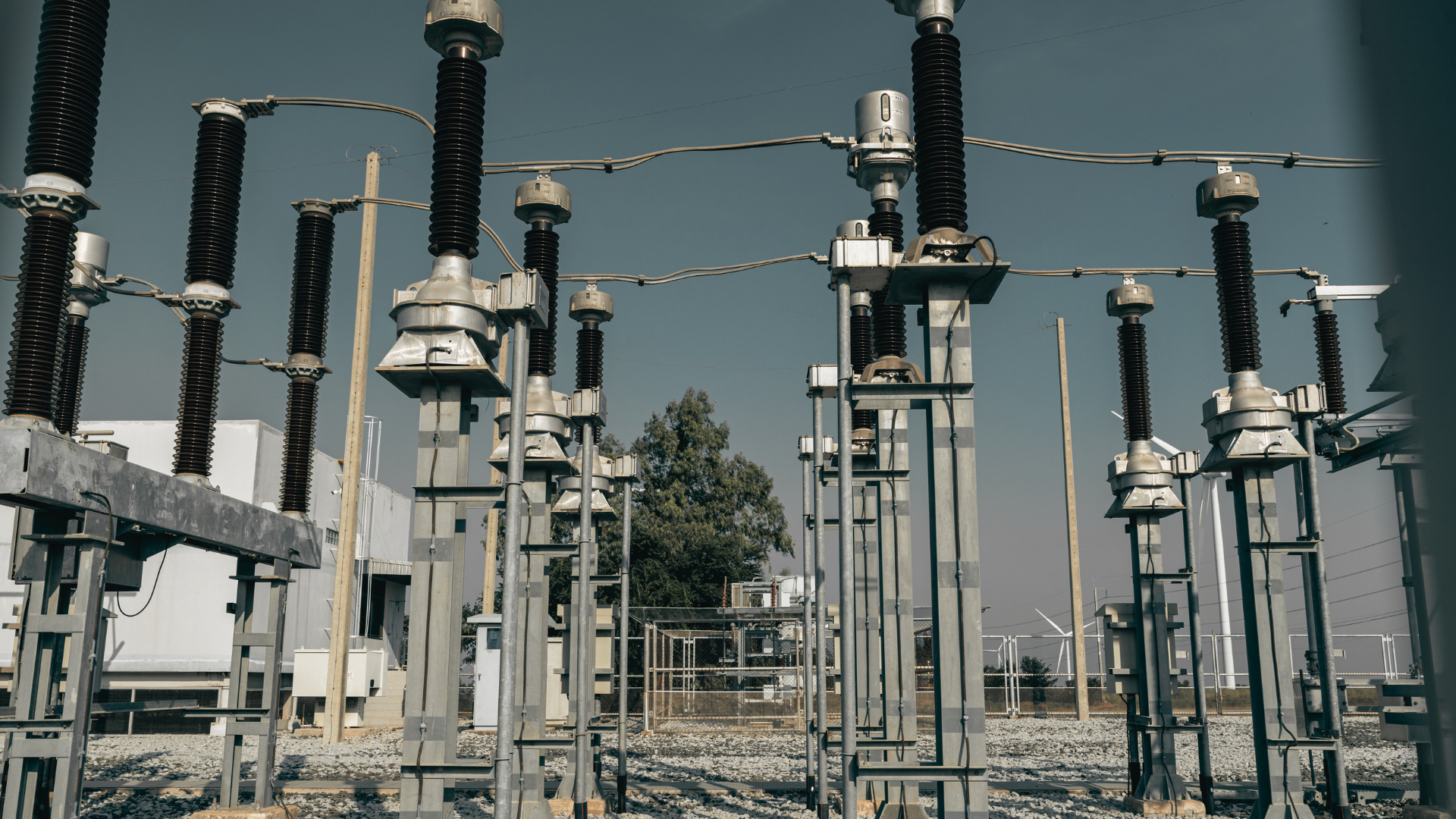
In energy, a 1,000 MWh battery was unveiled at the former Liddell Power Station site near Muswellbrook [11], and the Independent Planning Commission approved the Kingswood Battery Energy Storage System in Tamworth despite local opposition [2]. The federal government also released new expectations for data centre and AI infrastructure developers, introducing additional compliance considerations around sustainability, energy use and community impact [5, 7].
Overlaying all of this, the escalating conflict in the Middle East is now directly affecting the cost and availability of fuel, freight and construction materials across Australia. Diesel prices have surged past $2.45 per litre nationally and past $3.00 in parts of regional NSW, with over 100 fuel stations across the state experiencing diesel shortages [14, 15].
Suppliers have begun issuing price increase notices on PVC, polyethylene, concrete, steel reinforcement and other petroleum-linked inputs, with the Housing Industry Association reporting that builders are receiving escalation notices across multiple material categories [13].
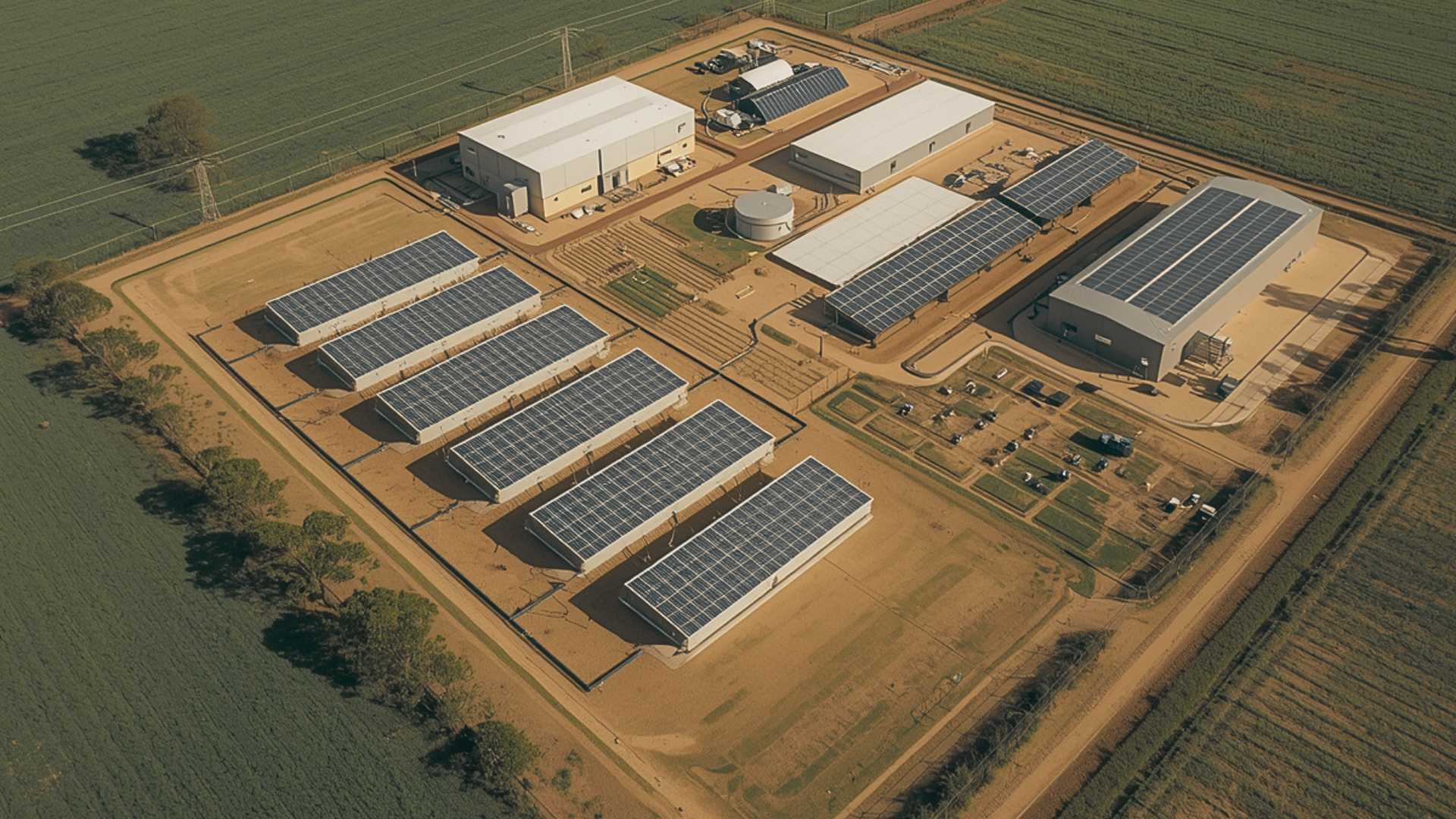
Housing Delivery Under Pressure as Developers Pull Back and Targets Slip
Reporting this week pointed to an increasing rate of developer withdrawals from Sydney residential projects, with industry commentary drawing comparisons to conditions in the US housing market [8]. Rising construction costs, regulatory uncertainty and insufficient development incentives were cited as factors eroding project feasibility [8]. The trend is consistent with broader national data showing Australia falling well behind its housing targets, with constrained land supply and cost escalation compounding the shortfall [4, 9].
The NSW Government continued to deploy state-level interventions. The Housing Delivery Authority declared close to 2,500 homes across ten projects as State Significant Development during the week, six in metropolitan Sydney and four in regional areas [10]. The HDA has now declared a total of 333 proposals since its formation. If all proposals are lodged and approved, the pathway could facilitate over 111,000 homes [10]. Separately, a $1 billion mixed-use development was announced for Sydney’s North West, proposing more than 2,000 homes aligned with transport-oriented development settings [6].
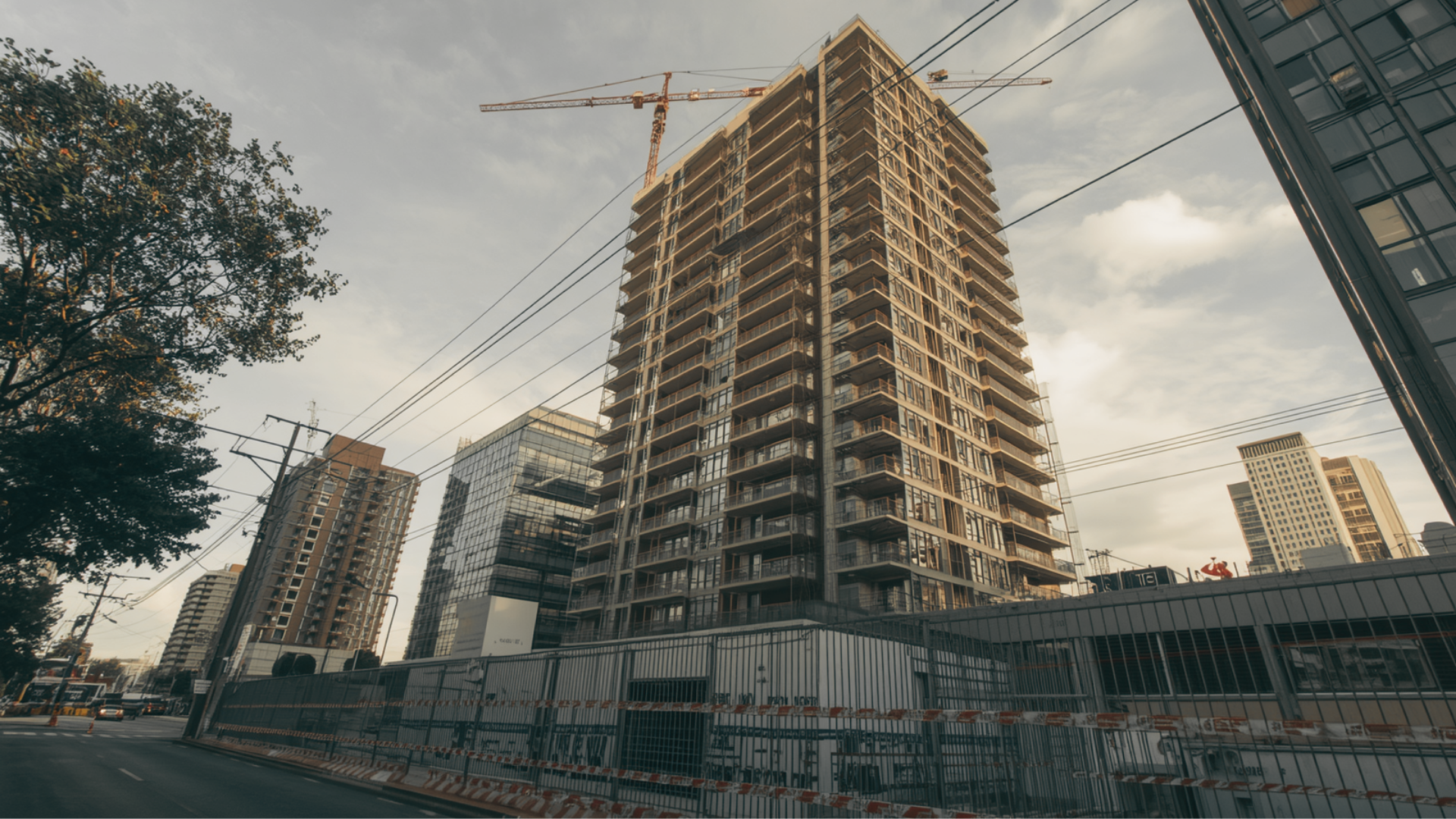
Fuel Prices Surge and Construction Supply Chains Come Under Pressure
The escalating conflict in the Middle East, triggered by US and Israeli strikes on Iran from late February 2026 and the associated disruption to shipping through the Strait of Hormuz, is now directly affecting fuel prices, material costs and supply chain stability across the Australian construction sector [14, 16].
Australia imports approximately 90 per cent of its refined liquid fuel, meaning global oil price movements transmit to domestic markets quickly and with limited lag [14, 15]. Diesel prices nationally have surged past $297.9 per litre on average, with prices exceeding $3.00 per litre at regional NSW service stations [15]. Over 550 fuel stations across NSW are without at least one kind of fuel, with independent retailers disproportionately affected [15].
The impact extends well beyond the bowser.
The Housing Industry Association reported that builders have been receiving price increase notices from suppliers across concrete, steel reinforcement, PVC and other plastic plumbing pipes [13].
An internal supplier communication obtained by The Nightly indicated that PVC products are set to increase by 27 percent, polyethylene by 36 percent and polypropylene by 31 percent from mid-April, with freight charges also rising by up to 10 per cent [13]. These materials are petroleum-derived or petroleum-dependent in their manufacturing and logistics chains, meaning fuel price shocks flow through to construction input costs across multiple categories simultaneously.
The Australian Industry Group has noted that force majeure notices and production stoppages offshore are now affecting plastics, PVC resin, fertilisers, electrical products, metals and other inputs, with the construction sector expected to feel the full impact by May [17].
Air freight and shipping rates have reportedly increased by 40 to 70 percent, with rerouting delays, port congestion and insurance withdrawals for cargo linked to the Middle East adding further pressure [17]. The federal government has released fuel from emergency reserves and appointed a national fuel coordinator, but ministers have acknowledged that Australia’s strategic reserves cover only approximately 36 days of petrol and 34 days of diesel [14].
The current environment has drawn comparisons to the COVID-era supply chain disruptions that drove cost escalation and contract disputes across the sector from 2021 onwards [16]. Master Builders Australia has described the industry as “increasingly alarmed” about the impact of fuel-driven cost increases on contracts already entered into, project feasibility and the housing delivery pipeline [16].
The contractual dimensions are significant. Many current projects were priced in a materially different cost environment. Rise and fall clauses, where they exist, only operate if activated in the contract schedule and linked to an index that tracks actual input costs. Force majeure clauses typically provide time relief, not cost recovery, and generally apply only where performance is prevented rather than made more expensive.
The interaction between fuel cost escalation, material price increases and fixed-price contracting arrangements is creating cost and delivery pressure across the sector that is likely to intensify if the disruption to the Strait of Hormuz continues [14, 15, 16, 17].
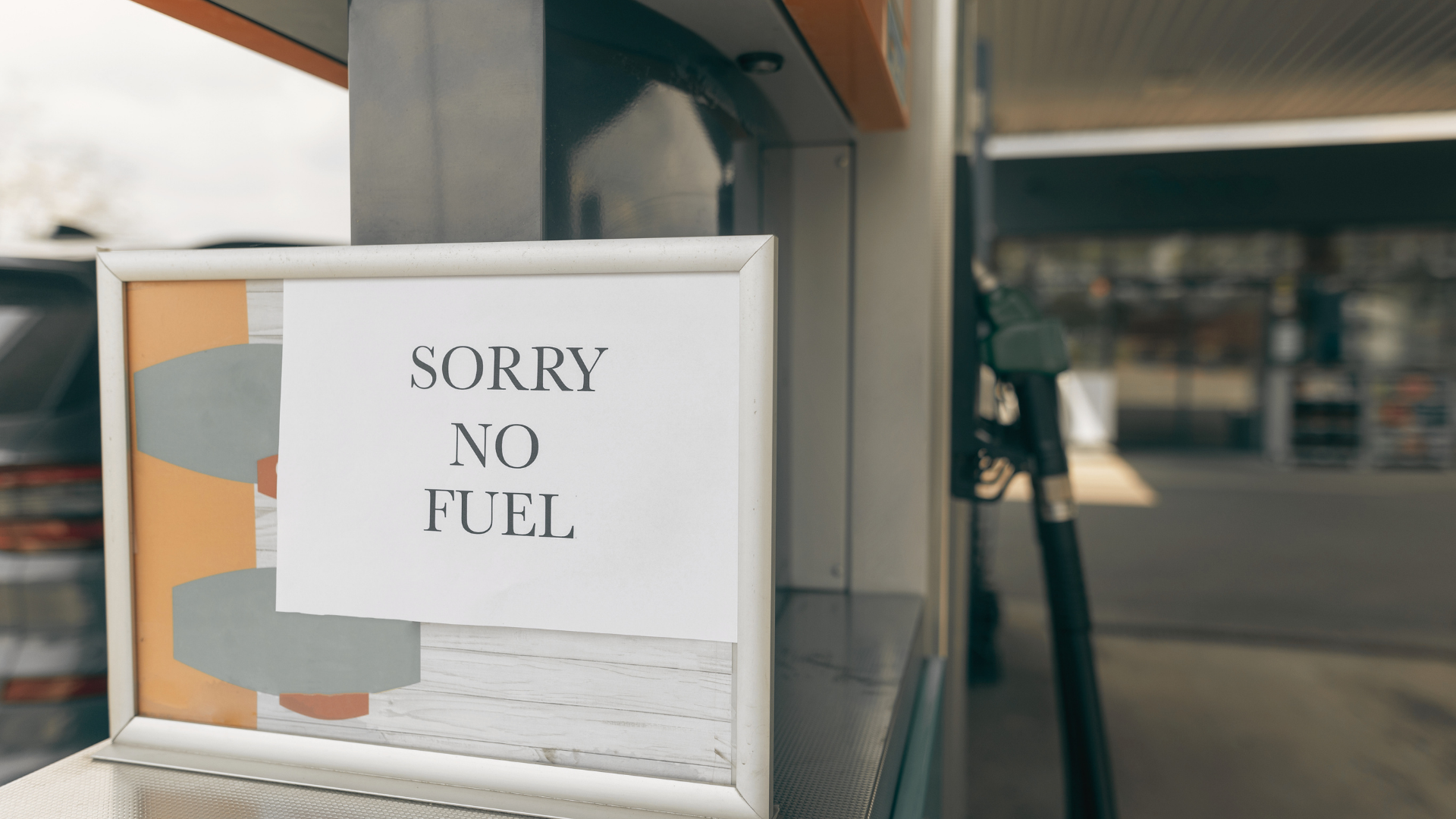
Energy Transition Advances as Federal Data Centre Expectations Take Shape
A 1,000 MWh battery was unveiled at the former Liddell Power Station site near Muswellbrook, representing one of Australia’s largest grid-scale battery installations [11]. The project is located on a former coal-fired generation site and is intended to support grid stability as the energy transition continues across the Hunter and broader NSW.
In Tamworth, the Independent Planning Commission approved the Kingswood Battery Energy Storage System despite significant local opposition centred on heavy vehicle access and amenity impacts [2]. The approval follows a pattern of BESS projects progressing through the planning system with community friction, consistent with earlier reporting on renewable energy approvals facing local resistance even where they align with state policy objectives.
Separately, the federal government released new expectations for data centre and AI infrastructure developers, building on the National AI Plan released in December 2025 [5]. The policy framework emphasises sustainability, environmental impact management and alignment with community expectations [5, 7].
Industry commentary has argued that well-planned data centres, integrated with battery storage, can contribute to energy infrastructure rather than simply consuming capacity [12]. Western Sydney continues to consolidate its position as the state’s primary corridor for logistics, industrial and digital infrastructure, driven by undeveloped employment land, the Aerotropolis pipeline and sustained investor activity [3].
Final Thoughts
The housing delivery picture this week is defined by the distance between planning activity and contracted construction. The Housing Delivery Authority continues to declare projects and state-led rezonings continue to add capacity, but developer withdrawals and cost pressures are working against the conversion of that planning pipeline into starts.
The fuel and supply chain disruption flowing from the Middle East conflict is arguably the most consequential development for the sector this week. Diesel price increases, material cost escalation across multiple categories, freight surcharges and supply uncertainty are arriving simultaneously, affecting both existing contracts priced in a different cost environment and the feasibility of projects yet to commence.
The parallels with the COVID-era supply chain disruptions are being drawn by industry bodies, and the contractual and commercial implications for builders and subcontractors operating on fixed-price arrangements are substantial.
-
Intentionally left blank.
-
MHD Supply Chain News | by Phillip Hazell (19 March 2026). Western Sydney leads industrial expansion. https://mhdsupplychain.com.au/2026/03/19/western-sydney-leads-industrial-expansion/
-
Department of Industry, Science and Resources (23 March 2026). Expectations of data centres and AI infrastructure developers. https://www.industry.gov.au/publications/expectations-data-centres-and-ai-infrastructure-developers
-
News.com.au | by Kaylee Cranley (19 March 2026). $1bn North West development unveiled. https://www.news.com.au/finance/real-estate/1bn-north-west-development-unveiled/news-story/f4987e0a2115597533600c5ca4e14df4
-
The Conversation | by Ehsan Noroozinejad (24 March 2026). Australia has set new expectations for AI data centres – they should serve the public. https://theconversation.com/australia-has-set-new-expectations-for-ai-data-centres-they-should-serve-the-public-278988
-
The Daily Telegraph | by Jake McCallum (24 March 2026). Fears of California-style collapse as developers walk from Sydney projects. https://www.dailytelegraph.com.au/news/nsw/fears-of-californiastyle-collapse-as-developers-walk-from-sydney-projects/news-story/f451f22a26c6ae89df7a12da467aff7b
-
South Western Times | by Jacob Shteyman (25 March 2026). Australia falling well behind national housing target. https://www.swtimes.com.au/news/urban-planning/australia-falling-well-behind-national-housing-target-c-22042799
-
Paul Scully (24 March 2026). Close to 2,500 homes declared state significant. https://paulscullymp.com.au/news/media-releases/close-to-2-500-homes-declared-state-significant/
-
98.1 Power FM | by Cameron Smith (23 March 2026). Energy transition underway as Liddell unveils 1,000 MWh battery. https://www.981powerfm.com.au/local-news/energy-transition-underway-as-liddell-unveils-1000-mwh-battery/
-
The Australian | by Robin Khuda (22 March 2026). Data centres: plan them well and they’ll build the energy system Australia needs. https://www.theaustralian.com.au/business/technology/data-centres-plan-them-well-and-theyll-build-the-energy-system-australia-needs/news-story/9e6c6b939807943d97d8989783090f50
-
The Nightly | by multiple authors (20 March 2026). Fuel crisis Australia: Building and plumbing costs surge, Middle East war forces suppliers to hike prices. https://thenightly.com.au/business/fuel-crisis-australia-building-and-plumbing-costs-surge-middle-east-war-forces-suppliers-to-hikes-prices-c-22004389
-
The Conversation | by Samantha Hepburn (March 2026). The Iran war has triggered a fuel price rise. What does this mean for Australian consumers? https://theconversation.com/the-iran-war-has-triggered-a-fuel-price-rise-what-does-this-mean-for-australian-consumers-277605
-
NRMA (March 2026). Fuel costs and supply in Australia: when will fuel prices drop? https://www.mynrma.com.au/open-road/news/2026/fuel-price-updates-war-in-iran
-
SBS News (21 March 2026). COVID 2.0? Industry group demands fuel carve-out, warning new builds at risk. https://www.sbs.com.au/news/article/covid-2-0-the-industry-demanding-a-fuel-carve-out-warning-new-builds-at-risk/h3ra4jdk2
-
Australian Industry Group (March 2026). DBrief: How the Iran conflict is rippling through Australia’s fuel market and supply chains. https://www.australianindustrygroup.com.au/news/podcasts/2026/dbrief/how-the-iran-conflict-is-rippling-through-australias-fuel-market-and-supply-chains/
The Pulse collates the latest news and opinions from third-party sources. Links, snippets or text are generated by an artificial intelligence engine. The Pulse aggregates news reports and does not claim to have copyright to the content. We have not fact-checked that content and cannot vouch for its accuracy or completeness. Nor do we endorse the opinions expressed by the authors or primary publishers. The content is provided as general information only and should not be relied on as a substitute for professional advice. You should contact the source to verify any factual content as well as taking specialist advice that takes your personal objectives and circumstances into account.
.png)
Kreisson
Produced by the team at Kreisson.
Browse Past Issues
.jpg)
Kreisson
We provide the construction industry with simple, easy to understand, solution-based legal advice.