Budget Backlash, Battery Builds and the Bill Takes Shape: NSW Construction Absorbs a Week of Federal and State Activity
This edition of The Pulse covers a week dominated by the 2026 Federal Budget’s housing measures, the NSW Government’s launch of its largest renewable energy tender to date, and the release of further detail on the Building (Approvals and Practitioners) Bill 2026 introduced earlier this month.
The Federal Budget committed approximately $47 billion to housing investment and altered negative gearing and capital gains tax settings to favour new builds, drawing criticism from economists and industry bodies who argue the demand-side measures will lift prices rather than improve affordability [13, 19]. The Master Builders Association estimated that the negative gearing and Capital Gain Tax (CGT) changes could deprive the market of 35,000 new homes over the next decade [2]. NSW received 17 per cent of the available infrastructure funding despite representing 31 per cent of the national population [11].
NSW launched Tenders 8 and 9 under the Long-Term Energy Service Agreement framework, seeking 2.5 GW of renewable generation and 12 GWh of long-duration storage [3, 4, 7]. Construction has commenced at OX2’s Muswellbrook Solar Farm and Battery project in the Hunter, a 135 MW solar farm and 100 MW BESS development on a former coal mine site [10, 16].
Clayton Utz published an analysis of the Building (Approvals and Practitioners) Bill 2026, which introduces Australia’s first legislative framework specifically for prefabricated buildings and consolidates the regulation currently spread across the Design and Building Practitioners Act 2020 and the Building and Development Certifiers Act 2018 [6]. Western Australia advanced a builder financial oversight Bill [18], and the High Court is preparing to rule on Scope 3 emissions in environmental impact assessments for the Mount Pleasant coal expansion [9].
Federal Budget Housing Measures Draw Criticism From Economists and Industry Bodies
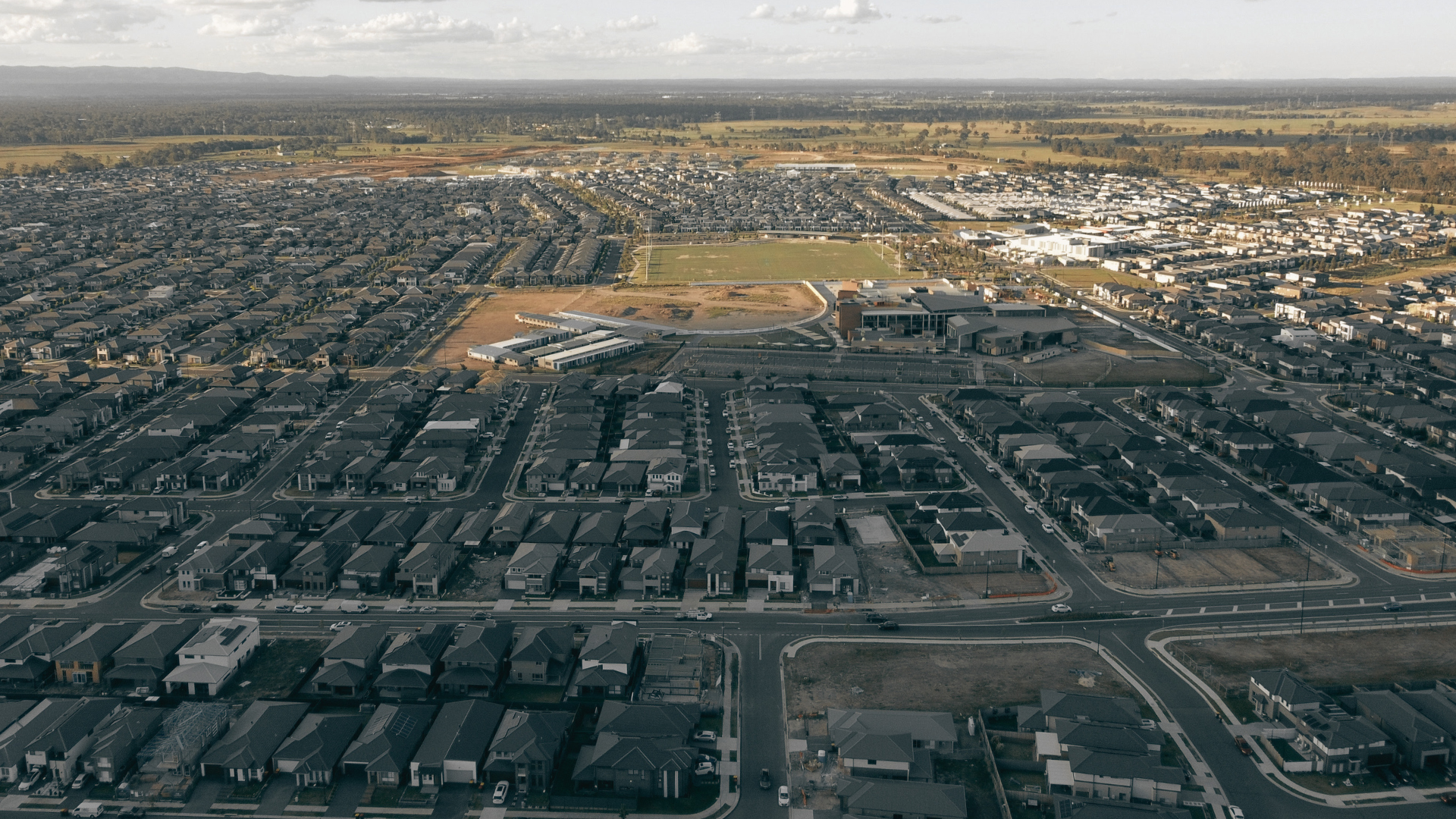
The 2026 Federal Budget committed approximately $47 billion to housing investment, targeting 65,000 new homes [13], and altered negative gearing and capital gains tax settings to restrict negative gearing to new builds and adjust CGT discounts [19]. The measures are intended to redirect investor capital toward new housing supply, but have drawn criticism from economists and industry bodies. UNSW Professor Peter Swan described the budget as the worst he had seen , arguing that demand-side measures push prices up rather than improve affordability [13].
The Master Builders Association estimated that the negative gearing and CGT changes could deprive the market of 35,000 new homes over the next decade [2]. Polling cited in the reporting found 52 per cent of voters expect to be worse off post-budget, with 47 per cent of respondents indicating they believed the measures drive intergenerational division [19]. Industry analysis identified developers and builders as the primary beneficiaries of the redirected investor activity, while first home buyers face increased competition from investors pivoting to new stock [19].
NSW received 17 per cent of available infrastructure funding despite representing 31 per cent of the national population, a disparity that Business Western Sydney’s David Borger described as unsustainable given Western Sydney’s projected growth of one million people over the next two decades [11]. Separately, the Community Industry Group welcomed incentives for new builds but flagged the absence of meaningful investment in social and affordable housing as a gap, particularly for vulnerable populations [12].
Average build costs in key NSW markets now exceed $500,000 [19], with regional NSW facing additional pressure from building material costs and labour shortages [1].
NSW Launches Largest-Ever Renewable Energy Tender as Muswellbrook Solar and Battery Begins Construction
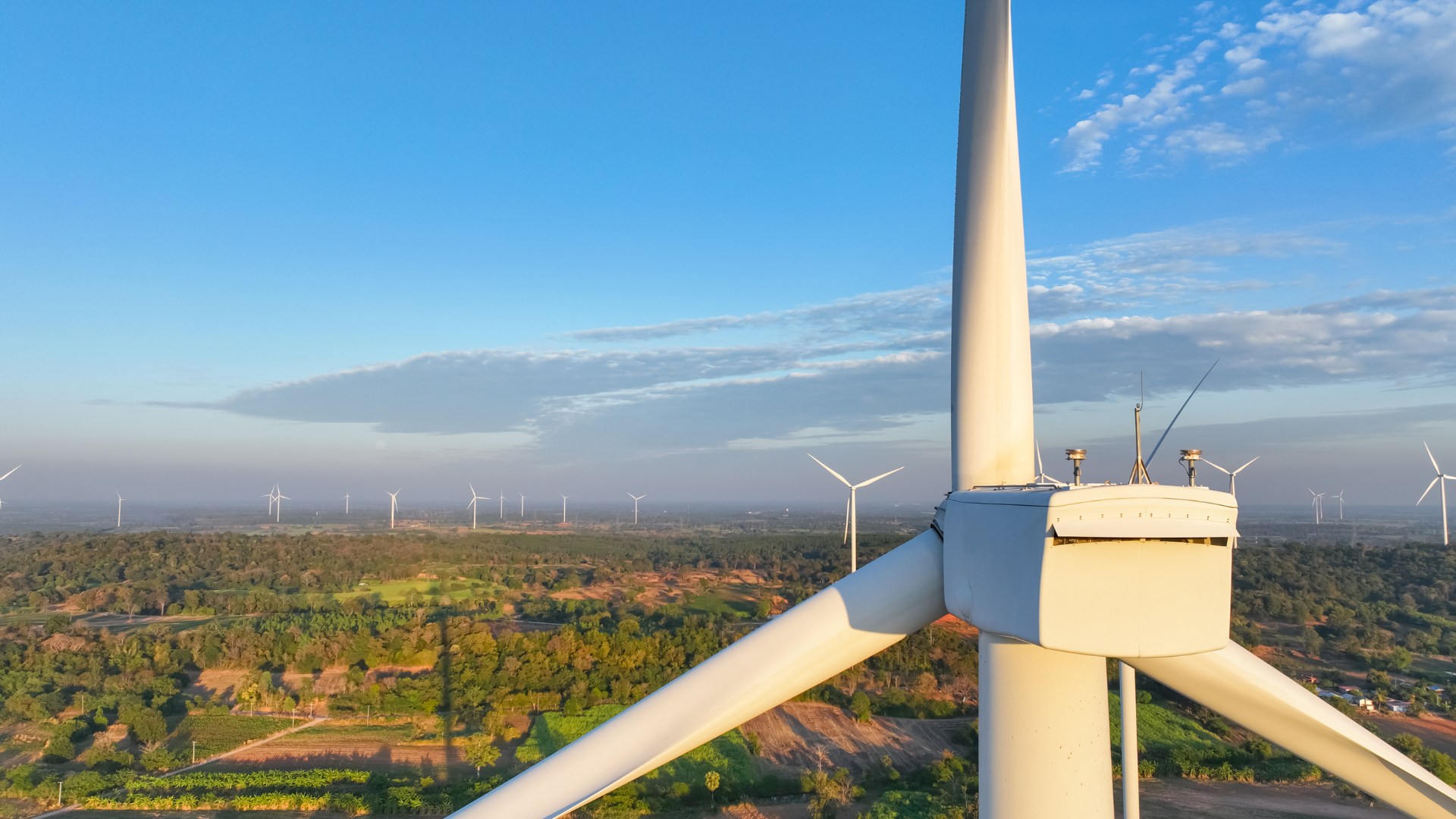
The NSW Government launched Tenders 8 and 9 under the Long-Term Energy Service Agreement (LTESA) framework, marking the state’s largest renewable energy procurement to date [3, 4, 7]. Tender 8 alone seeks 2.5 GW of new renewable energy generation, enough to power approximately one-third of NSW homes, while Tender 9 targets 12 GWh of long-duration energy storage [3, 4, 7]. Contracts under the LTESA framework extend up to 20 years, providing revenue certainty for successful proponents [4]. The tender round allows hybrid bids combining wind or solar generation with battery storage for the first time [4, 7]. Together, the tenders are expected to deliver enough capacity to power 1.26 million homes [3].
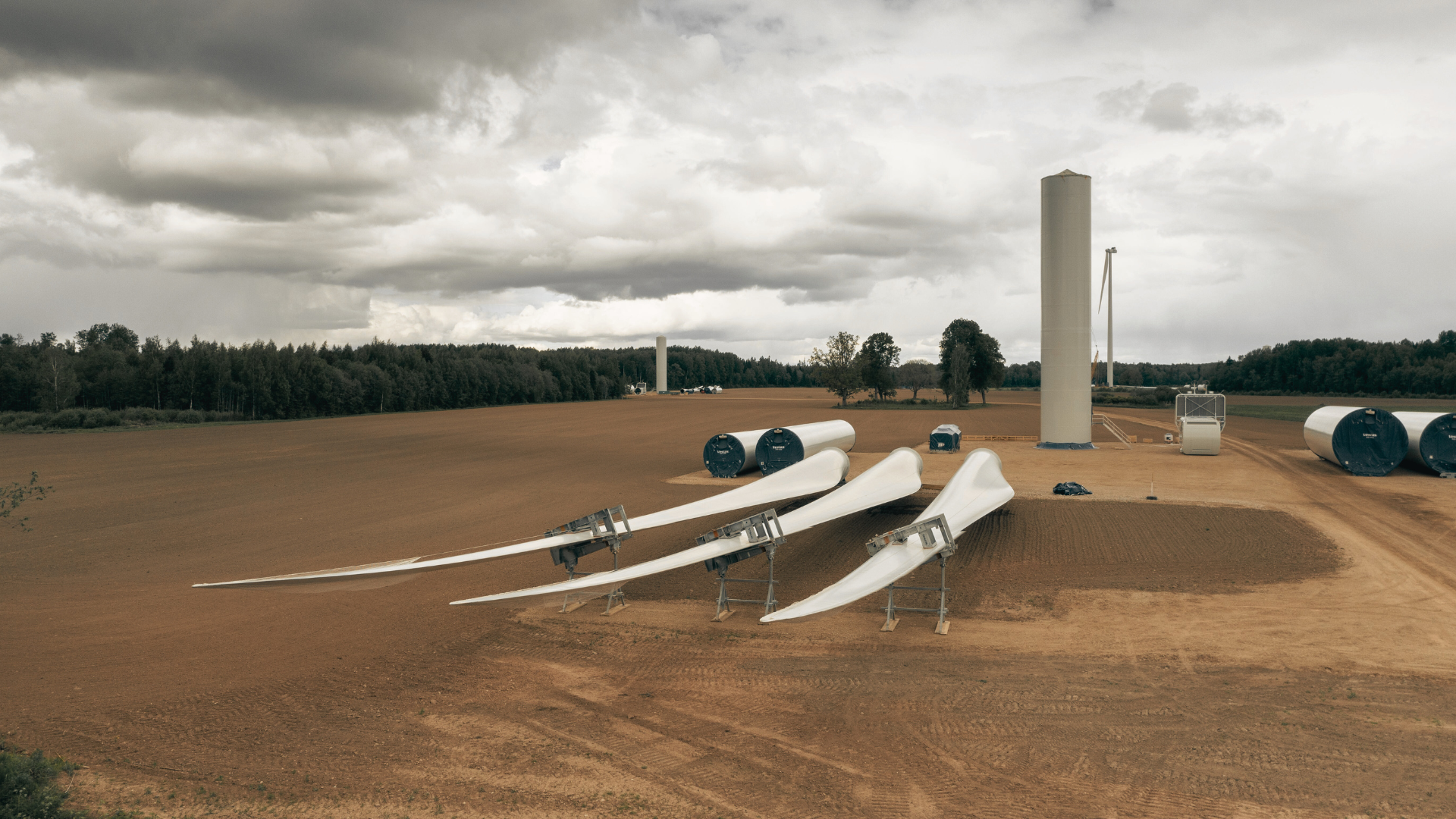
OX2’s Muswellbrook Solar Farm and Battery project has reached financial close and commenced construction, with completion expected by 2028 [10, 16]. The project comprises 135 MW of solar generation and 100 MW of battery storage, and is located on a former coal mine site in the Hunter [10, 16]. It is expected to generate approximately 347 GWh of renewable electricity annually, supplying around 52,000 homes [10]. Amazon’s involvement through power purchase agreements forms part of a $2.8 billion buy-up of nine Australian renewable projects [16]. The project secured state development approval from the Independent Planning Commission under the Environmental Planning and Assessment Act 1979, attracting over 50 public objections during assessment [16].
On the transmission side, Project EnergyConnect will introduce the NSW1-SA1 interconnector on 1 October 2026, increasing transmission capacity between NSW and South Australia and changing wholesale energy market dynamics in the region [17]. The combined generation, storage and transmission pipeline continues the pattern reported across recent editions, in which battery storage and renewables construction is expanding even as broader project delivery bottlenecks persist.
Building Bill 2026: Prefabrication Framework
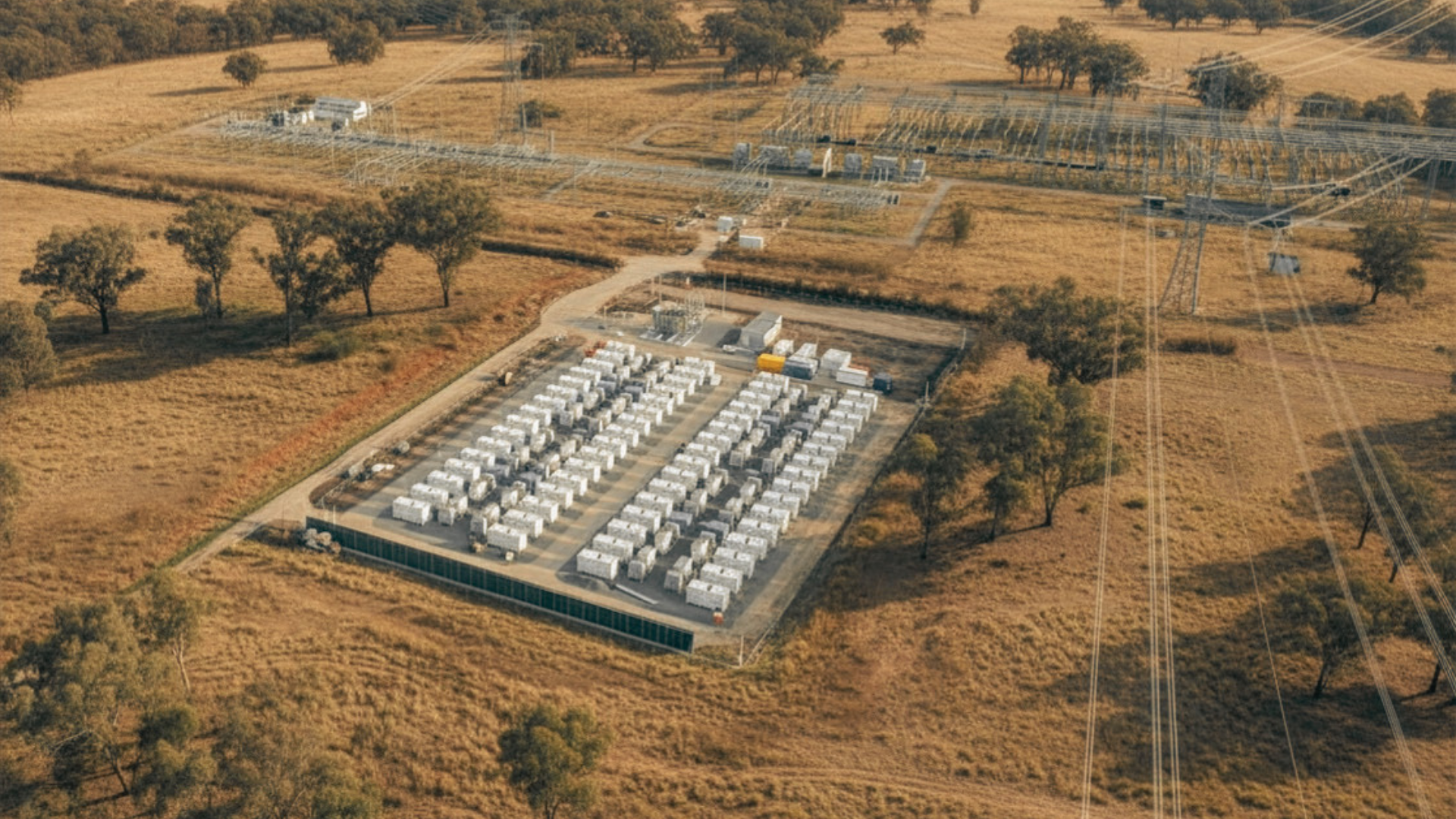
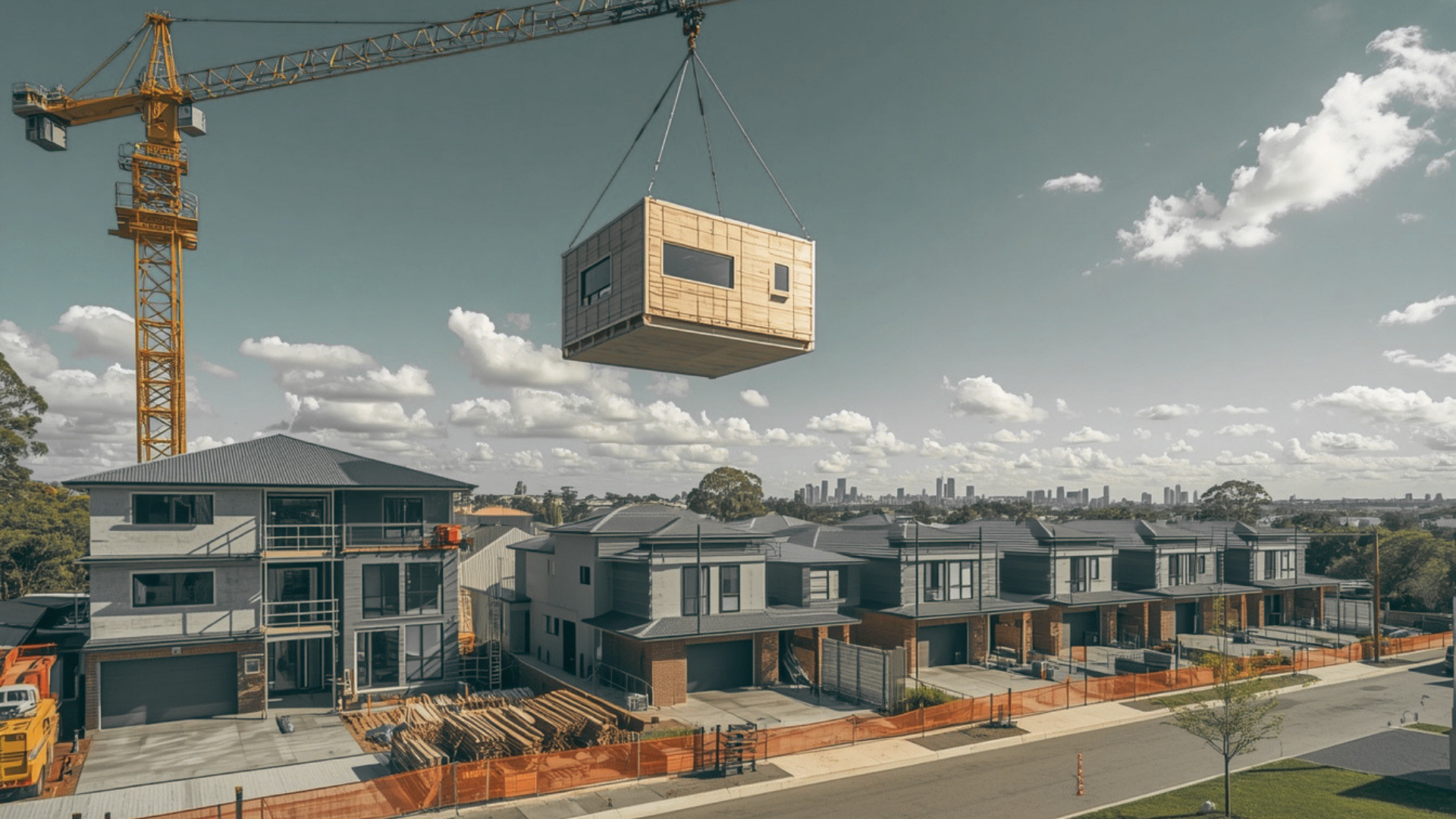
Clayton Utz published a detailed analysis of the Building (Approvals and Practitioners) Bill 2026, introduced earlier this month and covered in last week’s edition [6]. The Bill establishes the first legislative framework in Australia specifically directed at prefabricated buildings, formally recognising modern methods of construction in NSW law [6]. Manufacturers of prefabricated buildings will be required to comply with the Building Code of Australia and provide compliance declarations and instructions [6].
The Bill repeals both the Design and Building Practitioners Act 2020 (DBP Act) and the Building and Development Certifiers Act 2018 (BDC Act), consolidating the regulation of design, construction and certification into a single framework [6]. The estimated saving from streamlined approvals is $330,000 per apartment block [6]. The statutory duty of care established under the former DBP Act is preserved, with construction professionals remaining accountable for defects regardless of whether buildings are constructed on-site or in a factory [6]. The conflict of interest provisions for approval authorities now carry maximum penalties of $1.1 million, up from $33,000 under the previous regime [6].
Separately, commentary from Carlyon Ward published during the week noted that most commercial construction disputes originate in poorly drafted contracts rather than on-site, with vague scopes of work frequently leading to six-figure claims [5]. In addition, Ward notes that Security of Payment obligations are often misunderstood, risk is shifted to the party least able to control it, and legal input is called upon too late [5].
Builder Insolvency Powers in WA, and the High Court on Scope 3 Emissions
Looking interstate, Western Australia’s Building Services Legislation Amendment (Financial Oversight) Bill 2026 will empower the WA Building Commissioner to intervene before builders become formally insolvent, with the ability to impose conditions or cancel registrations where financial stability cannot be demonstrated [18]. The legislation also expands access to home indemnity insurance, allowing homeowners to claim before a builder’s formal collapse for residential work over $20,000, with maximum payouts of $40,000 for lost deposits and up to $200,000 for incomplete or defective work [18]. .
The High Court of Australia is preparing to rule on the Mount Pleasant coal mine expansion case, in which the Denman Aberdeen Muswellbrook Scone Healthy Environment Group successfully defended a NSW Court of Appeal ruling requiring consideration of greenhouse gas emissions, including Scope 3 emissions, in environmental impact assessments [9]. The proposed expansion could produce an additional 870 million metric tons of carbon dioxide, with 98 per cent classified as Scope 3 emissions [9]. A High Court decision upholding the Court of Appeal would establish a national precedent for the treatment of downstream emissions in environmental impact assessments under the Environmental Planning and Assessment Act 1979 [9].
In data centres, the federal government has introduced a national interest framework requiring data centre projects to address energy efficiency, water management and local employment, with NSW’s $51.9 billion pipeline of approved projects affected [8]. Power requirements for data centres are expected to increase by 150 to 200 per cent due to AI workloads [8], adding to the energy planning considerations now flowing through state planning, council and federal agency assessment processes.
Final Thoughts
The 2026 Federal Budget has positioned new home construction at the centre of housing policy through the negative gearing and CGT changes, but the response from economists and industry bodies has focused on the demand-side risks and the regional infrastructure funding shortfall for NSW [2, 11, 13, 19]. The combination of the Budget’s housing measures, the continuing aftermath from the Inland Rail consolidation and the established constraints on regional construction capacity will shape the housing delivery picture for the rest of the year.
Tenders 8 and 9 are the largest renewable energy procurement NSW has undertaken to date [3, 4, 7]. Combined with the Muswellbrook financial close, the imminent activation of the NSW1-SA1 interconnector and the broader pattern of renewable pipeline activity tracked across recent editions, the renewable construction segment continues to expand as a category of sustained work for civil, electrical and storage contractors [10, 16, 17].
The Clayton Utz analysis of the Building (Approvals and Practitioners) Bill 2026 fills in the prefabrication-specific detail of the reform package, including the consolidation of the DBP Act and BDC Act into a single framework and the preservation of the statutory duty of care [6]. The WA insolvency reform, the High Court Scope 3 ruling and the federal data centre framework reflect a regulatory and liability environment that is continuing to tighten across multiple fronts simultaneously [8, 9, 15, 18].
-
Wood Central (17 May 2026). Despite Some Wins, this Budget Won’t Transform Regional Australia. https://woodcentral.com.au/despite-some-wins-this-budget-wont-transform-regional-australia/
-
Spectator Australia | by Reg Hamilton (17 May 2026). An economy up in smoke. https://www.spectator.com.au/2026/05/an-economy-up-in-smoke/
-
Dungog Chronicle | by Matthew Kelly (20 May 2026). Hunter renewables boom as part of largest energy tender in state’s history. https://www.dungogchronicle.com.au/story/9249698/nsw-launches-largest-renewable-energy-tender-in-states-history/
-
The Energy (20 May 2026). New South Wales launches two more energy tenders. https://theenergy.co/article/new-south-wales-flags-two-more-ltesa-rounds
-
Independent Australia (15 May 2026). What actually goes wrong in commercial construction projects, according to Carlyon Ward. https://independentaustralia.net/about-ia/sponsored-display/what-actually-goes-wrong-in-commercial-construction-projects-according-to-carlyon-ward,21045
-
Clayton Utz (15 May 2026). Building better, smarter and faster: NSW Bill paves the way for prefabricated buildings and streamlines building certification. https://www.claytonutz.com/insights/2026/may/building-better-smarter-and-faster-nsw-bill-paves-the-way-for-prefabricated-buildings-and-streamlines-building-certification
-
Renew Economy | by Giles Parkinson (19 May 2026). NSW launches its biggest ever renewable tender to keep lights on and push down prices. https://reneweconomy.com.au/nsw-launches-its-biggest-ever-renewable-tender-to-keep-lights-on-and-push-down-prices/
-
CFOtech Australia | by Mark Tarre (15 May 2026). Australia tightens data centre scrutiny amid AI boom. https://cfotech.com.au/story/australia-tightens-data-centre-scrutiny-amid-ai-boom
-
Green Left (19 May 2026). High Court to rule on climate impact of fossil fuel projects. https://www.greenleft.org.au/2026/1454/news/high-court-rule-climate-impact-fossil-fuel-projects
-
EcoGeneration | by Lavinia Hulley (19 May 2026). Construction begins on Muswellbrook solar and BESS. https://www.ecogeneration.com.au/construction-begins-on-muswellbrook-solar-and-bess/
-
Access News (14 May 2026). Regional funding needs rebalancing. https://www.accessnews.com.au/regional-development/item/3916-western-sydney-funding-nbeeds-rebalancing
-
The Illawarra Flame (14 May 2026). CI Group responds to 2026 Federal Budget. https://www.theillawarraflame.com.au/ci-group-responds-to-2026-federal-budget/
-
Savings.com.au | by Bea Garcia (14 May 2026). Budget under fire as economist warns of housing fallout. https://www.savings.com.au/news/budget-under-fire-as-economist-warns-of-housing-fallout
-
Intentionally left blank.
-
Intentionally left blank.
-
Renew Economy | by Sophie Vorrath (18 May 2026). Construction to start on solar and battery project at site of former coal mine. https://reneweconomy.com.au/construction-to-start-on-solar-farm-and-big-battery-at-site-of-former-open-cut-coal-mine/
-
WattClarity | by Paul McArdle (18 May 2026). The basics of how Project EnergyConnect will appear in NEM Data. https://wattclarity.com.au/articles/2026/05/project-energyconnect-the-basics/
-
The Good Builder (18 May 2026). Western Australia Moves to Stop Insolvent Builders Trading. https://thegoodbuilder.com.au/western-australia-moves-to-stop-insolvent-builders-trading-heres-what-the-new-powers-actually-mean/
-
News.com.au | by Samantha Healy (18 May 2026). Developers and builders named biggest winners from Federal Budget’s broken housing promises. https://www.news.com.au/finance/real-estate/developers-and-builders-named-biggest-winners-from-federal-budgets-broken-housing-promises/news-story/8299e8f8dca32d3cf2dd77a00df1e244
The Pulse collates the latest news and opinions from third-party sources. Links, snippets or text are generated by an artificial intelligence engine. The Pulse aggregates news reports and does not claim to have copyright to the content. We have not fact-checked that content and cannot vouch for its accuracy or completeness. Nor do we endorse the opinions expressed by the authors or primary publishers. The content is provided as general information only and should not be relied on as a substitute for professional advice. You should contact the source to verify any factual content as well as taking specialist advice that takes your personal objectives and circumstances into account.
.png)
Kreisson
Produced by the team at Kreisson.
Browse Past Issues
Kreisson
We provide the construction industry with simple, easy to understand, solution-based legal advice.

.jpg)