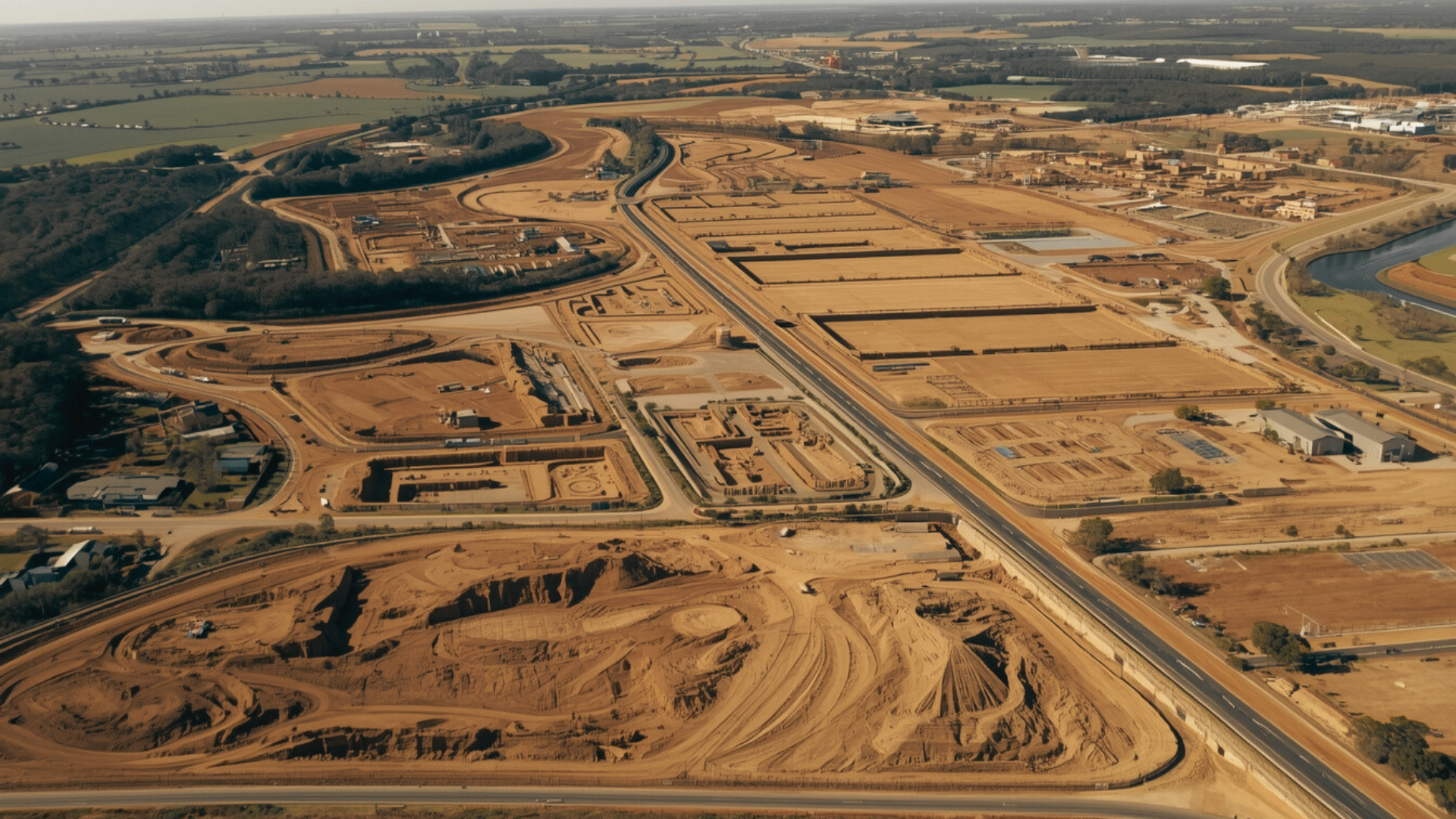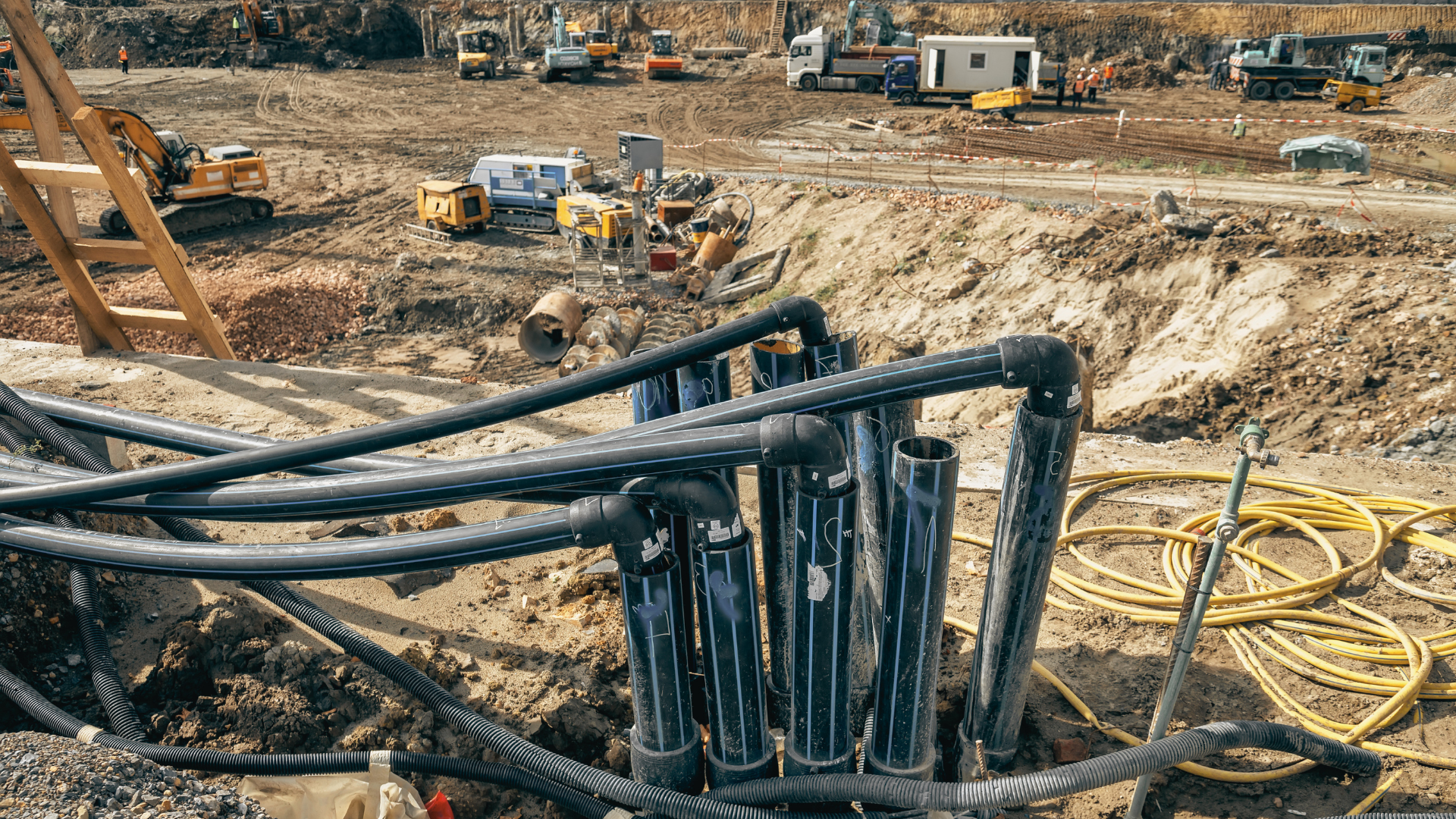
Federal Funding, Inland Rail Aftermath and a New Building Bill Reshape the NSW Construction Landscape
This edition of The Pulse covers a week dominated by federal budget decisions, the continuing aftermath from the Inland Rail consolidation, and the formal introduction of the NSW Building (Approvals and Practitioners) Bill 2026.
Major project milestones at the Western Harbour Tunnel and M5 Motorway add to a full slate of activity across the sector.
The federal government has committed a $2 billion enabling infrastructure package targeting roads, water, power and sewerage to unlock up to 65,000 new homes over the next decade [6, 15]. NSW will receive $10.8 billion of the $38.7 billion national infrastructure allocation through to mid-2030, but on a per capita basis the state will receive $1,217 per person, less than Queensland, Western Australia and South Australia [2].
The aftermath from last week’s Inland Rail consolidation continued, with contractors, councils and regional communities in Narromine, Gilgandra, Narrabri and Moree reporting significant exposure to the cancelled northern sections [9]. The Coalition launched a Rescue our Rail petition [12], and the debate over the disused Great Northern Rail corridor in northern NSW intensified [10].
The NSW Government formally introduced the Building (Approvals and Practitioners) Bill 2026 on 8 May, recognising modern methods of construction in state law and raising the maximum penalty for certifier conflict-of-interest breaches from $33,000 to $1.1 million [7]. The $7.4 billion Western Harbour Tunnel is preparing for tunnelling to commence within three weeks [4], and the $380 million M5 Motorway westbound upgrade has begun [16].
Inland Rail Aftermath Continues Across Regional NSW
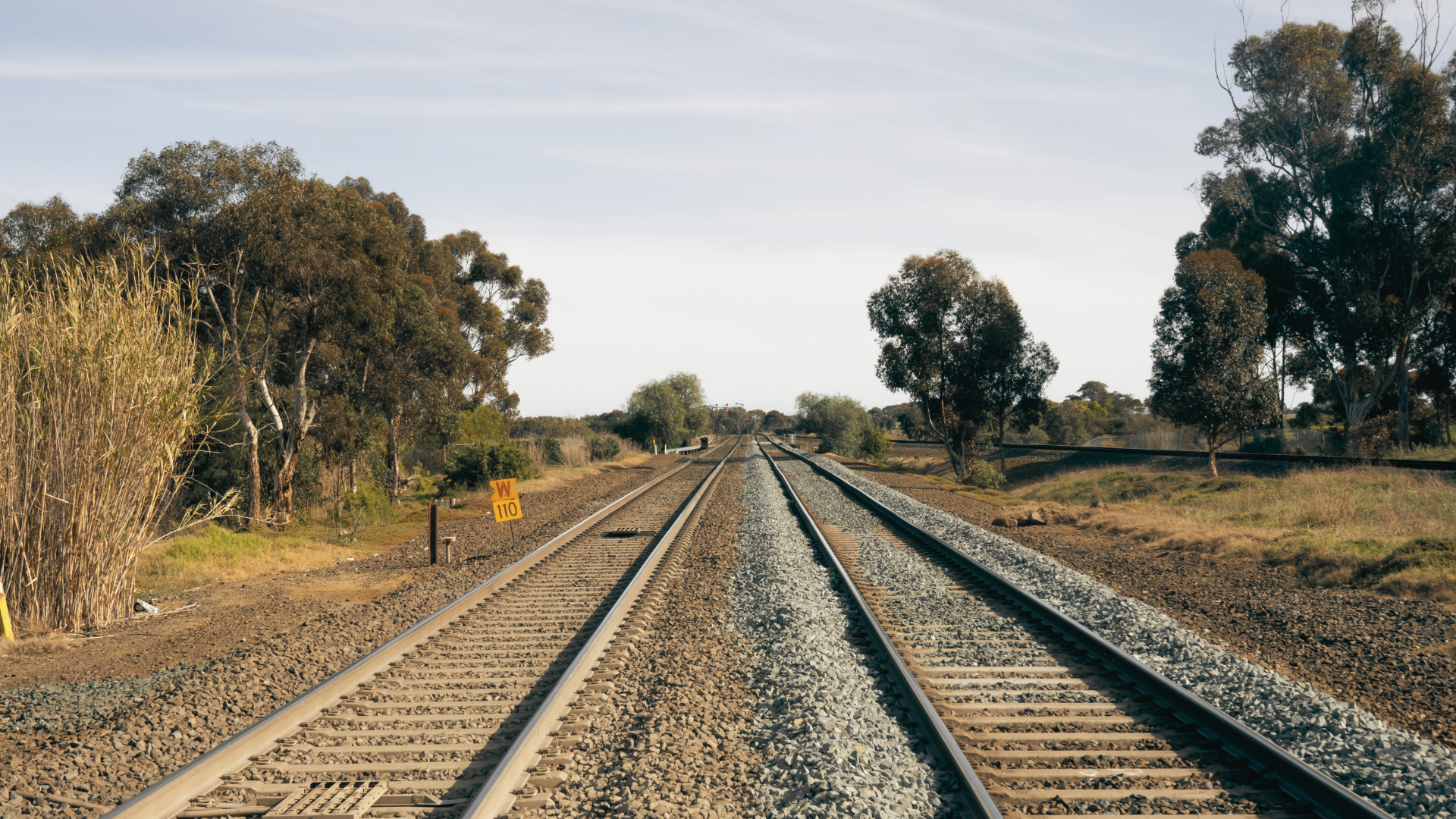
The federal government’s decision to halt Inland Rail construction north of Parkes, reported in last week’s edition, continued to generate response across regional NSW during the week. An independent cost assessment had projected the full Melbourne to Brisbane route would exceed $45 billion, more than three times the $8.4 billion budgeted in 2017 [9, 14]. The project will now be completed only between Beveridge in Victoria and Parkes in NSW by the end of 2027, with the government committing an additional $1.75 billion to the broader freight rail network and pledging to preserve the corridor north of Parkes for future use [11, 14].
Contractors and councils in towns including Narromine, Gilgandra, Narrabri and Moree, who had invested in workforce capacity, equipment and planning in anticipation of construction, reported significant financial exposure [9]. A local contractor described the position: “Communities like Narromine, Narrabri, Gilgandra, Moree ... we were ready. Towns were geared up” [9]. Federal Parkes MP Jamie Chaffey described the decision as “a huge betrayal of regional Australia” [9].
The Coalition launched a Rescue our Rail petition, arguing the project would remove 200,000 truck movements from roads annually and cut 750,000 tonnes of carbon emissions per year by 2050 [5, 12]. Shadow Minister for Infrastructure and Transport Bridget McKenzie characterised the consolidation as prioritising short-term spending over long-term productivity infrastructure [5, 12].
In northern NSW, debate over the disused Great Northern Rail corridor intensified, with competing proposals for a recreational rail trail and renewed freight rail investment [10]. Public consultation on the Draft New England North West Strategic Regional Integrated Transport Plan remains open until 14 June 2026 [10].
Federal Infrastructure Funding: $2 Billion Enabling Package and NSW Per Capita Shortfall
The 2026 federal budget has allocated $10.8 billion for NSW infrastructure through to mid-2030, representing 28 per cent of the $38.7 billion national expenditure [2]. On a per capita basis, NSW will receive $1,217 per person, compared to Queensland at $2,272, South Australia at $3,647 and Western Australia at $1,416 [2]. Premier Chris Minns stated that NSW has not received its fair share from the federal budget, citing the state’s GST distribution of 82 cents in the dollar compared to Victoria’s $1.06 [2].
Separately, the federal government has committed $2 billion in enabling infrastructure funding for roads, water, power and sewerage, targeting up to 65,000 new homes over the next decade [6, 15]. Of this amount, $500 million is earmarked for regional towns [6]. Total federal funding for enabling infrastructure now stands at $6.3 billion [15]. The Roads to Recovery program is set to exceed $1 billion by 2027/28, with $730.7 million directed to regional areas in the upcoming financial year [3]. Additional allocations include $157.4 million for the Black Spot Program and $330 million for Safer Local Roads and Infrastructure Projects [3].
An estimated 34 per cent of land in Greater Sydney is constrained by lack of enabling infrastructure, with the total shortfall estimated at approximately $16 billion [6]. Australia is projected to be over 220,000 homes short of the federal government’s target of 1.2 million homes by mid-2029, with 219,000 homes delivered in the first five quarters of the housing accord against a required rate of 280,000 per year [15]. Post-permit approval bottlenecks and labour shortages have been identified as further constraints on delivery alongside the enabling infrastructure gap [15].
Building (Approvals and Practitioners) Bill 2026 Formally Introduced
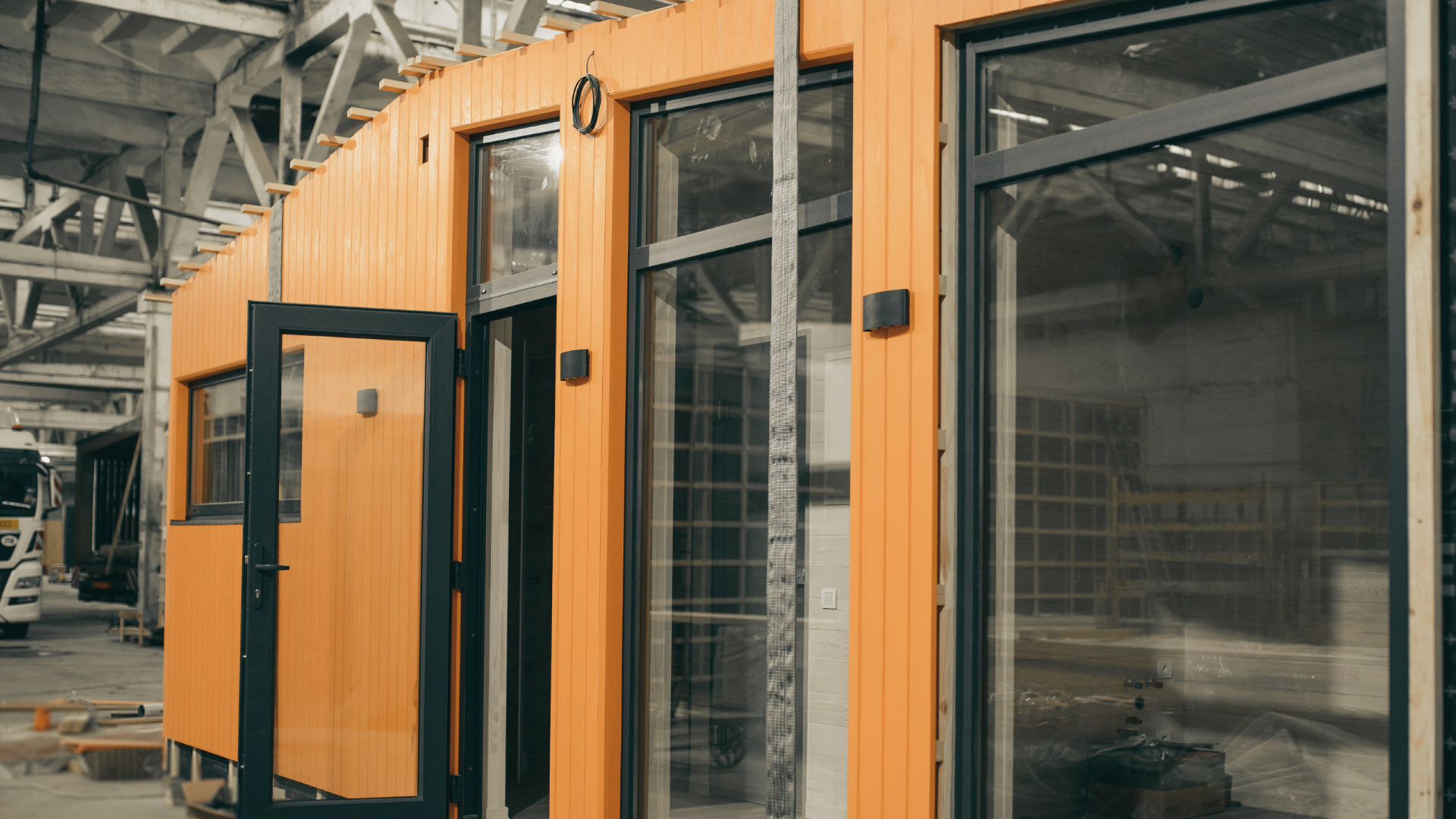
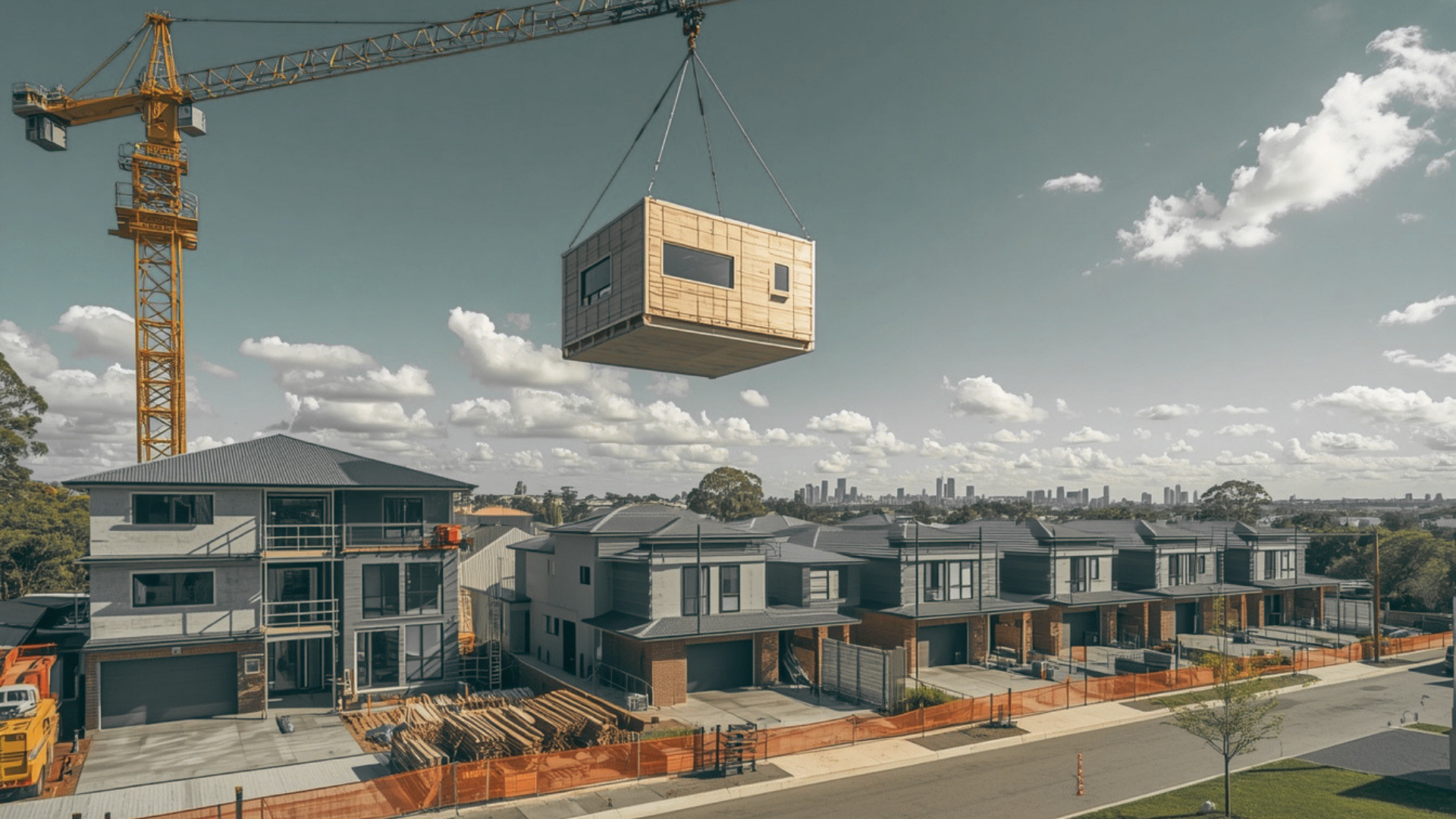
The Building (Approvals and Practitioners) Bill 2026, foreshadowed in last week’s edition, was formally introduced on 8 May [7]. The Bill recognises modern methods of construction, including prefabricated and modular housing, within the state’s legal framework [1, 7]. According to material released with the Bill, modern methods of construction can deliver up to 20 per cent lower overall costs and 50 per cent faster build times compared to traditional methods, with estimated savings of approximately $330,000 per apartment block from streamlined approvals [7]. The Bill introduces staged approvals and permits minor variations without full reassessment [7].
NSW Building Minister Anoulack Chanthivong framed the reforms as a response to a once-in-a-generation housing supply challenge [7]. The Bill also imposes significantly increased penalties for certifiers who breach conflict-of-interest rules, with maximum fines rising from $33,000 to $1.1 million [7].
The market context for these reforms reflects a split in the residential construction sector. At one end, buyers are turning to modular, prefab and alternative construction methods driven by affordability pressures; at the other, affluent clients are commissioning luxury custom builds [1]. The middle market, comprising homes priced between $350,000 and $750,000, is reported to be under the most pressure, with buyers pivoting to established properties or alternative construction methods [1]. The Bill’s formal recognition of modern methods of construction will sit alongside existing legislation including the Design and Building Practitioners Act 2020 and the Home Building Act 1989.
Western Harbour Tunnel and M5 Motorway Upgrade Reach New Phases
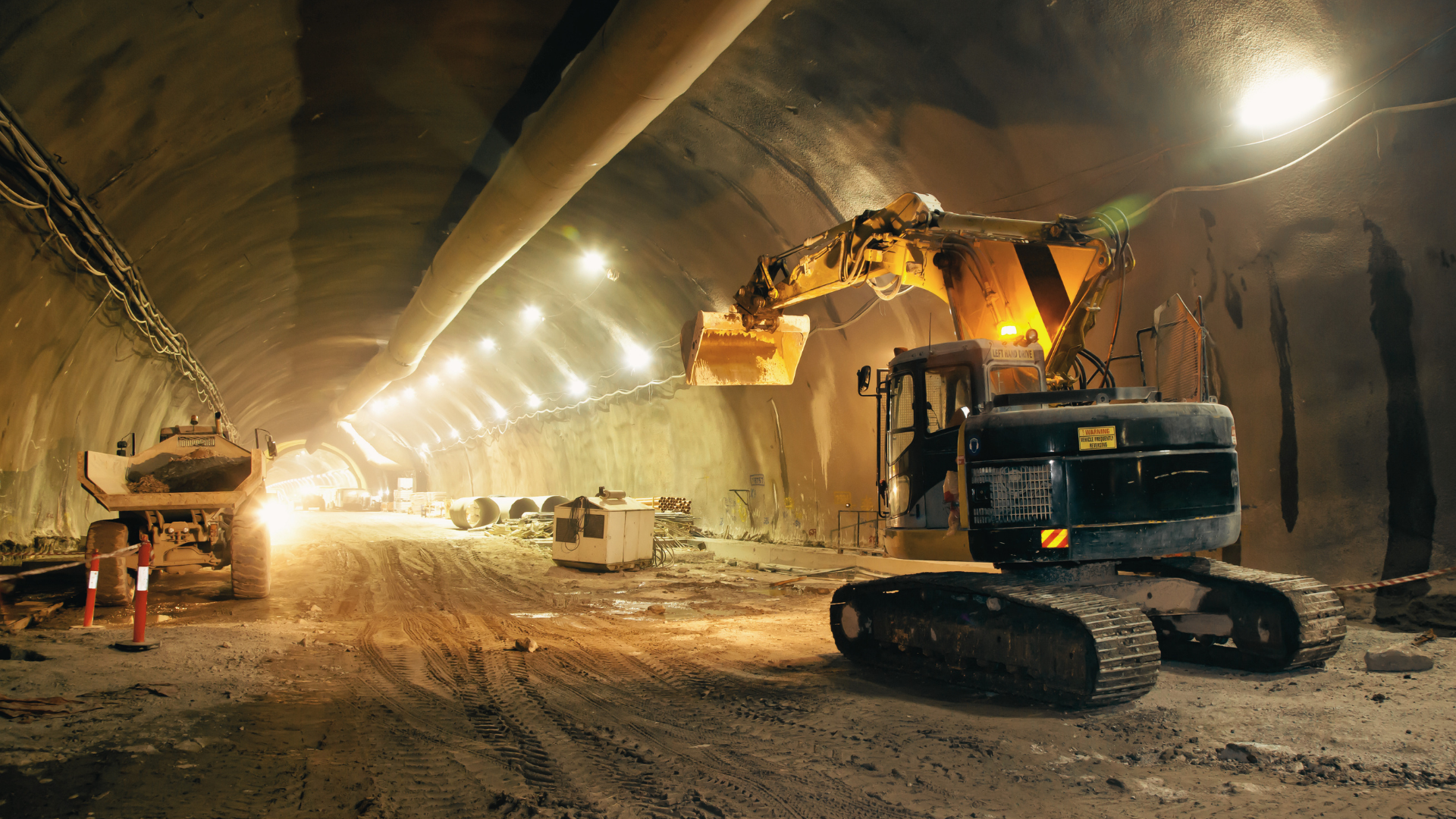
The $7.4 billion Western Harbour Tunnel project is preparing to commence tunnelling beneath Sydney Harbour, with the first of two boring machines expected to begin its descent within three weeks [4]. The 6.5-kilometre tunnel will reach depths of up to 47 metres below the harbour surface, with each boring machine more than double the width of those used for Sydney’s metro rail lines [4]. A purpose-built slurry treatment plant, capable of pumping up to three million litres of bentonite slurry per hour, will support operations, with peak excavation generating up to 400 truckloads of spoil per day [4].
The $380 million M5 Motorway westbound upgrade has commenced between Moorebank Avenue and the Hume Highway [16]. The project, being delivered by Seymour White and Jacobs in collaboration with Transport for NSW, will construct a new 300-metre, three-lane bridge over the Georges River and Southern Sydney Freight Line, eliminate weaving sections and add lanes to accommodate over 2,500 daily truck movements from the Moorebank Intermodal Terminal [16]. Approximately 2,600 vehicles per day are expected to benefit from reduced weaving and improved safety [16].
Climate Council Submission on Data Centres and Dewatering Compliance
The Climate Council lodged a submission to Infrastructure NSW on the intersection between data centre growth, energy policy and digital infrastructure [8]. The submission warns that unchecked growth in data centres, driven by artificial intelligence and cloud computing demand, could affect the state’s energy transition from fossil fuels to renewables [8].
The Council has advocated for enforceable planning requirements, including a minimum five-star NABERS Energy rating for new data centres, and alignment with the NSW Infrastructure Roadmap and Long-Term Energy Service Agreements scheme [8]. The submission adds to the ongoing parliamentary inquiry into the sector reported in earlier editions.
Regulatory scrutiny of dewatering compliance on NSW construction projects continues to intensify [13]. Dewatering activities are regulated under the Water Management Act 2000, covering water access licensing, extraction infrastructure and the management or discharge of extracted water. Reporting noted that dewatering is still frequently treated as an operational task rather than a regulatory and environmental consideration, and that projects can be caught out by assuming exemptions rather than evidencing them [13].
Final Thoughts
The Inland Rail aftermath has continued to develop a week on from the federal government’s consolidation decision. Contractors, councils and regional communities in the towns north of Parkes are now working through the implications of cancelled mobilisation and lost pipeline, while the Coalition and industry groups have moved to push back against the decision politically [9, 12, 15].
The federal infrastructure funding picture for NSW combines the $2 billion enabling package with a per capita allocation that sits below several other states [2, 6, 15]. The enabling funding addresses one of the constraints on housing delivery, but post-permit bottlenecks and labour shortages remain alongside it.
The formal introduction of the Building (Approvals and Practitioners) Bill 2026, the commencement of the M5 upgrade and the imminent start of Western Harbour Tunnel boring all reflect a sector continuing to absorb both regulatory and project-level change [4, 7, 16]. The Climate Council’s data centre submission and the continued regulatory focus on dewatering compliance add to the environmental and energy considerations shaping the planning and approvals environment [8, 13].
-
The Good Builder (11 May 2026). Modular at One End, Luxury at the Other. How the Splitting Housing Market Is Reshaping Opportunity for Australian Builders. https://thegoodbuilder.com.au/modular-at-one-end-luxury-at-the-other-how-the-splitting-housing-market-is-reshaping-opportunity-for-australian-builders/
-
The Age | by Max Maddison (12 May 2026). NSW short-changed by Chalmers on key infrastructure funding. https://www.theage.com.au/politics/nsw/nsw-short-changed-by-chalmers-on-key-infrastructure-funding-20260508-p5zv1n.html
-
Weekly Times | by Peter Hunt, Conor Fowler (12 May 2026). Roads to recovery fund to reach $1 billion. https://www.weeklytimesnow.com.au/news/roads-to-recovery-fund-to-reach-1-billion/news-story/24c47b0381eb4a6427f917707d2c75c4
-
The Age | by Matt O’Sullivan (11 May 2026). Launch date looms for mega tunnelling machines’ descent under Sydney Harbour. https://www.theage.com.au/national/nsw/launch-date-looms-for-mega-tunnelling-machines-descent-under-sydney-harbour-20260423-p5zqd1.html
-
Industry Queensland (11 May 2026). Petition to fight Inland Rail’s northern chop. https://industryqld.com.au/petition-to-fight-inland-rails-northern-chop/
-
NT News | by Linda Silmalis (9 May 2026). $2bn pre-budget cash splash to water our infrastructure ‘deserts’. https://www.ntnews.com.au/news/nsw/2bn-prebudget-cash-splash-to-water-our-infrastructure-deserts/news-story/bd02a40b824321902a0f1725be4270c2
-
The Urban Developer | by Leon Della Bosca (8 May 2026). NSW Building Bill Targets Prefab Homes, Approvals and Certifiers. https://www.theurbandeveloper.com/articles/nsw-building-bill-prefab-homes-approvals-certifiers-renewable-projects
-
Climate Council Australia (8 May 2026). Submission to Infrastructure NSW Data Centres Consultation. https://www.climatecouncil.org.au/resources/submission-infrastructure-nsw-data-centres-consultation/
-
Western Advocate | by Dane Wilson (8 May 2026). ‘Confidence has been shattered’: contractors, councils left high and dry by Inland Rail cut. https://www.westernadvocate.com.au/story/9241305/parkes-and-narromine-left-behind-as-inland-rail-cancelled/
-
Guyra Gazette (12 May 2026). Debate continues over future use of rail corridor. https://www.guyragazette.com.au/news/debate-continues-over-future-use-of-rail-corridor.php
-
The Gilgandra Weekly (7 May 2026). Inland Rail issues statement after government cuts funding. https://www.gilgandraweekly.com.au/inland-rail-issues-statement-after-government-cuts-funding-2026-05-07
-
Beef Central (12 May 2026). Coalition launches ‘rescue our rail’ petition for Inland Rail. https://www.beefcentral.com/news/coalition-launches-rescue-our-rail-petition-for-inland-rail/
-
Pump Industry | by Tom Parker (7 May 2026). Dewatering on construction sites: Why compliance must be built in from the start. https://www.pumpindustry.com.au/dewatering-on-construction-sites-why-compliance-must-be-built-in-from-the-start/
-
MHD Supply Chain News | by Phillip Hazell (7 May 2026). Government consolidates Inland Rail after $45 billion cost estimate. https://mhdsupplychain.com.au/2026/05/07/government-scales-back-inland-rail-after-45-billion-cost-estimate/
-
The Good Builder (11 May 2026). $2 Billion for Roads, Water and Power Has Already Been Confirmed. What It Means for the Housing Pipeline. https://thegoodbuilder.com.au/2-billion-for-roads-water-and-power-has-already-been-confirmed-what-it-means-for-the-housing-pipeline/
-
Trade Trucks (11 May 2026). Major $380 million M5 Motorway upgrade kicks off. https://www.tradetrucks.com.au/major-380-million-m5-motorway-upgrade-kicks-off/
The Pulse collates the latest news and opinions from third-party sources. Links, snippets or text are generated by an artificial intelligence engine. The Pulse aggregates news reports and does not claim to have copyright to the content. We have not fact-checked that content and cannot vouch for its accuracy or completeness. Nor do we endorse the opinions expressed by the authors or primary publishers. The content is provided as general information only and should not be relied on as a substitute for professional advice. You should contact the source to verify any factual content as well as taking specialist advice that takes your personal objectives and circumstances into account.
.png)
Kreisson
Produced by the team at Kreisson.
Browse Past Issues
Kreisson
We provide the construction industry with simple, easy to understand, solution-based legal advice.
.jpg)