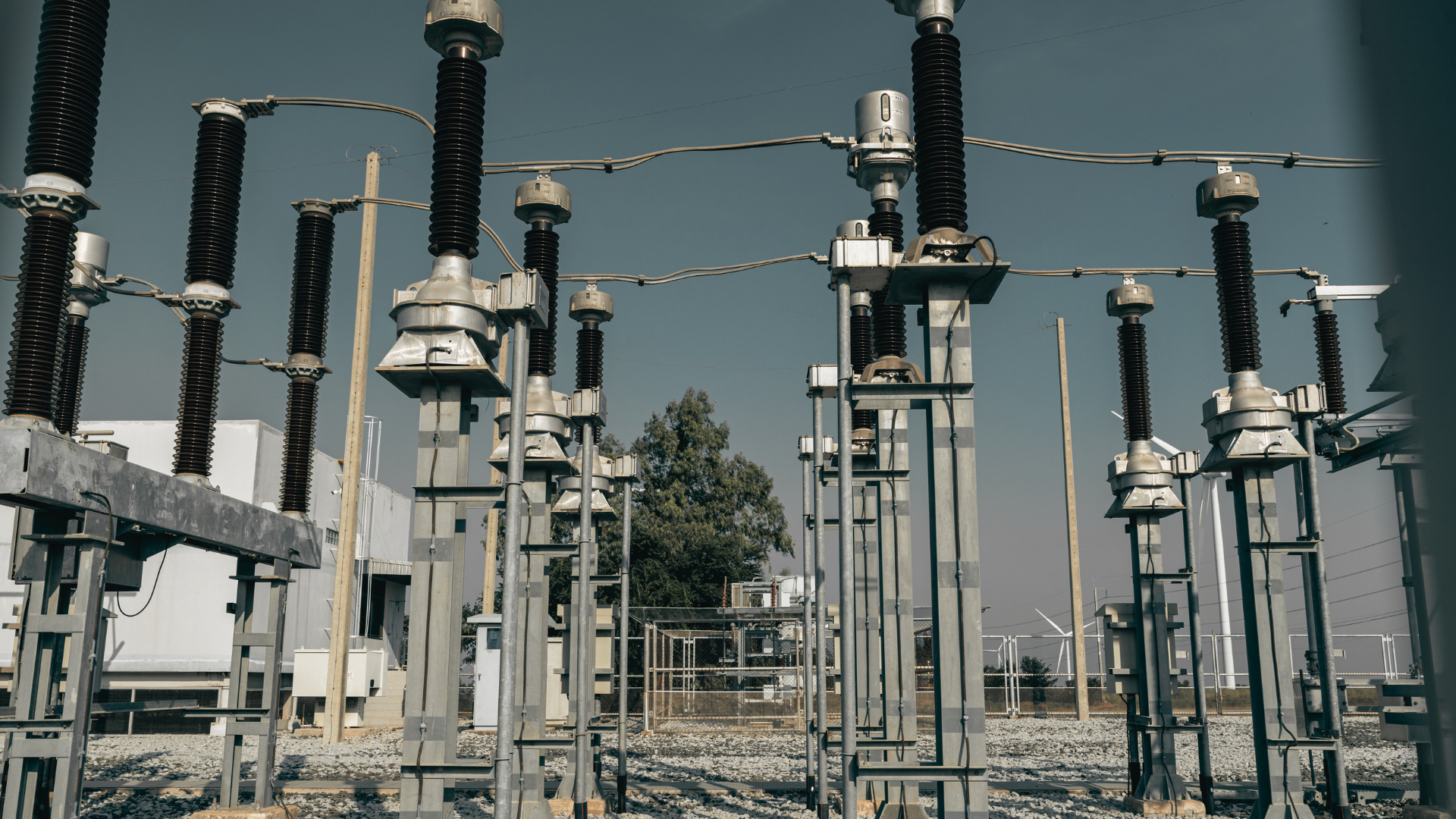
Terms Before the Work: NSW Standardises Consultation and Puts a Price on Grid Access for Data Centres
This week's reporting was led by rules taking effect and rules put out for comment, with the planning system and the electricity network each acquiring a single set of terms.
The Minns Labor Government confirmed that the statewide Community Participation Plan took effect on 1 September 2026, replacing more than 100 separate council and agency plans [5]. On the grid, the Department of Climate Change, Energy, the Environment and Water put ten reform proposals out for comment, among them an entry bond for data centre connection applicants and an upgrade fee defaulting to $200,000 per megawatt in Sydney, Newcastle and Wollongong, against connection requests of up to 28 gigawatts [3]. Behind those proposals sits the Electricity Infrastructure Investment Amendment Bill 2026, which would let the Minister declare an access scheme for large load infrastructure [2], and alongside them Transgrid identified a pathway to a further 2 gigawatts of Sydney capacity, paid for by the proponents who need it [6]. On certification, Building Commission NSW published practice advice from its first large-scale audit of Class 1 certifiers [1].
Delivery carried the second strand, most of it in Sydney's west. Goldwind secured approval to co-locate 53 batteries with turbines at its 298 megawatt Coppabella wind farm near Yass, which Renew Economy reported as likely to be Australia's first grid-scale hybrid of wind and storage [14]; Brookfield Properties committed $200 million to Nepean Business Park in Penrith [10]; and Holcim moved its Badgerys Creek plant toward first production, 1.5 kilometres from Western Sydney International Airport [8]. On the trades behind that work, the Powering Skills Organisation put the national shortfall of electricians and related trades at 72,000 by 2030 [11], while the ABC reported a 24 per cent rise in NSW secondary dwelling approvals in a year as modular construction finds a foothold [9]. Four State Significant Development matters appear in this edition's project tracker [4, 7, 12, 13].
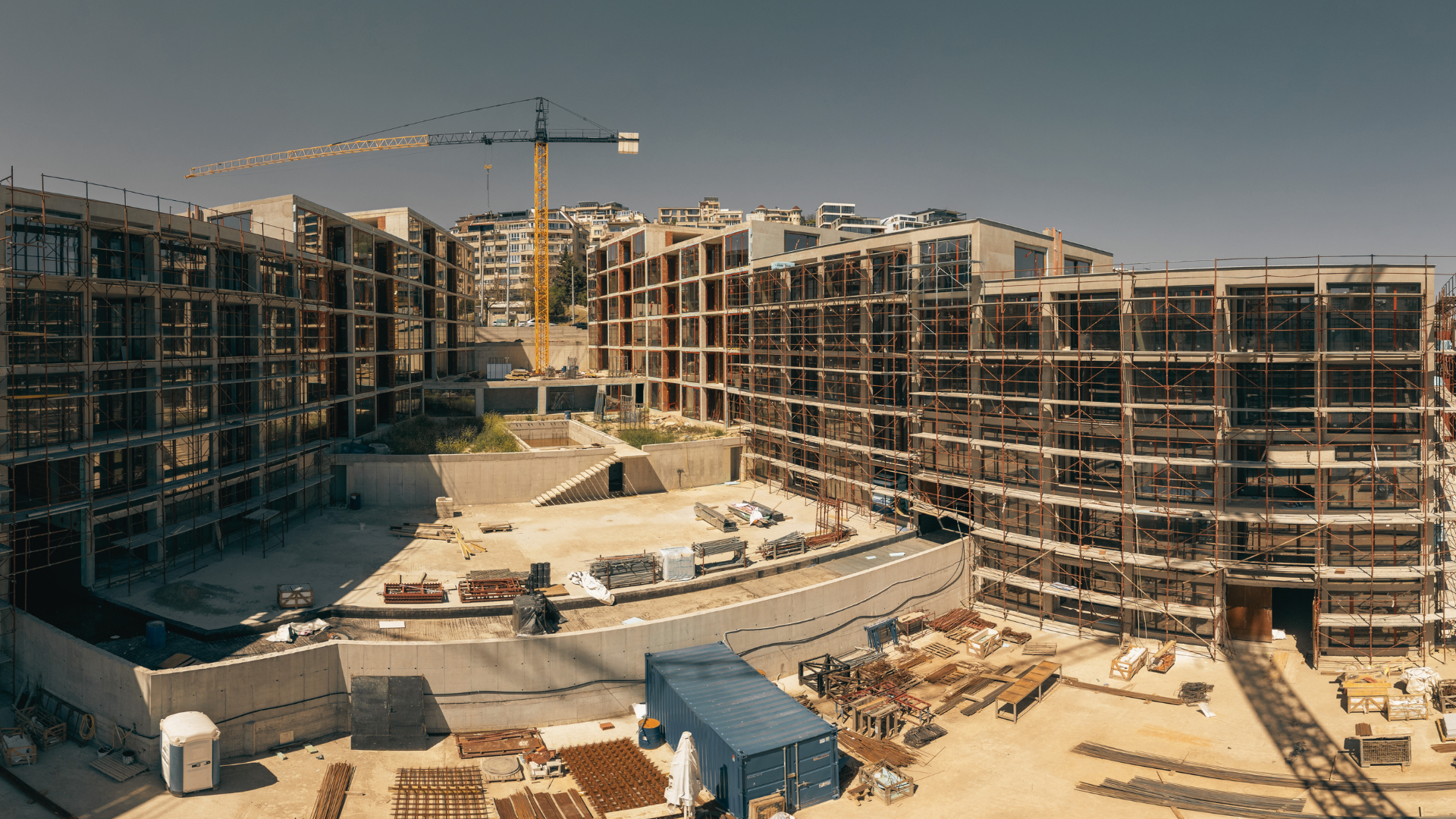
One Consultation Rulebook Takes Effect Statewide, and Certifiers Get Practice Advice in Twelve Areas
The statewide Community Participation Plan took effect on 1 September 2026, and with it more than 100 separate council and agency plans gave way to one statewide approach to consulting communities on planning proposals [5]. The Minns Labor Government describes the change as standardising consultation requirements across the state while shifting the weight of engagement toward strategic planning and the large, complex development applications, so that communities get longer to comment on proposals that set where development and infrastructure should go, and councils spend less time exhibiting low impact applications [5]. Following our recent reporting on the draft, the final version arrives shaped by more than 1,000 submissions [5].
Those submissions produced a refined list of the low impact development categories that fall outside notification and exhibition, together with altered arrangements for consulting on draft regional and district plans and Local Strategic Planning Statements, changes the Government attributes to the value of early consultation on long term proposals [5]. Councils keep room to tailor how they collaborate with their communities, with guidance on engagement strategies to follow over the coming month, and the plan itself sits within the wider reforms to the Environmental Planning and Assessment Act 1979 that passed Parliament in November 2025 [5]. Minister for Planning and Public Spaces Paul Scully said "By creating one clear statewide approach we're giving everyone in NSW a fairer way to have their say, no matter where they live" [5].
Certification acquired its own set of standards in the same week. Building Commission NSW has published the findings of the first audit at scale it has run since the Commission was formed, covering 427 certifiers in the restricted building surveyor category and the paperwork behind 728 Class 1a residential projects, with the audits themselves conducted between June and December 2024 [1]. The Commission assessed overall performance as reasonable and has organised what it found into practice advice across twelve areas [1]. One of those areas concerns the inspection record itself: a passing critical stage inspection is to be recorded as satisfactory, the term the Environmental Planning and Assessment (Development Certification and Fire Safety) Regulation 2021 defines, and the Practice Standard for Registered Certifiers recommends certifiers carry a device that can take and store photographs at each inspection [1]. The findings, the Commission states, will feed its future compliance programmes, with more practice advice and education for certifiers to follow [1].
Data Centres Are Asked to Pay Their Way onto the Grid, and Coppabella Adds Storage Under an Existing Approval
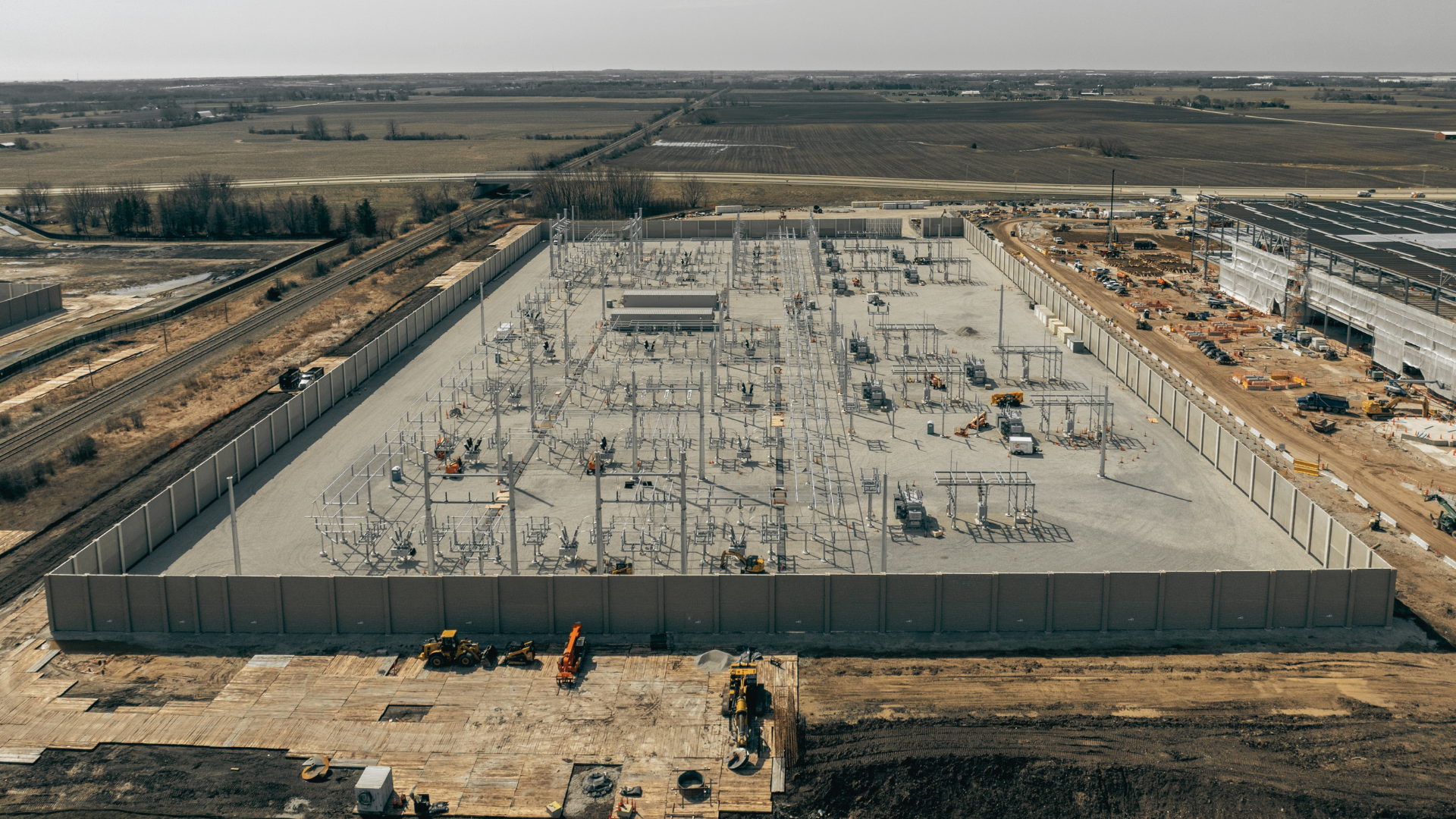
Following our recent reporting on the NSW Data Centre Policy Framework and Transgrid's connection criteria, the Department of Climate Change, Energy, the Environment and Water has now released the consultation paper that gives the framework's cost recovery pillar its detail [3]. The paper puts the case for acting now in numbers: as of July 2026, data centres were seeking network connections totalling up to 28 gigawatts, around 13 gigawatts of them in advanced discussions, against an average daily demand across NSW of between 7.5 and 10 gigawatts [3]. Submissions close at 5 pm on Monday 14 September 2026 [3].
Ten proposals follow, grouped under three themes [3]. On connections and planning, applicants would lodge an entry bond, network service providers would gather and share more about prospective connections, and demand profiles would be written into connection agreements [3]. On cost allocation, data centres would guarantee payment for the capacity made available to them whether or not it is drawn, and applicants would meet a Major Network Upgrade Fee defaulting to $200,000 per megawatt in Sydney, Newcastle and Wollongong and $100,000 per megawatt elsewhere [3]. The third theme turns connection agreements into the instrument for holding operators to the NSW Data Centre Guidelines' commitments to offset demand and to cut load when the grid is under stress [3]. Feedback, the Department states, will inform a regulation it intends to make in 2026, subject to passage of the Bill [3].
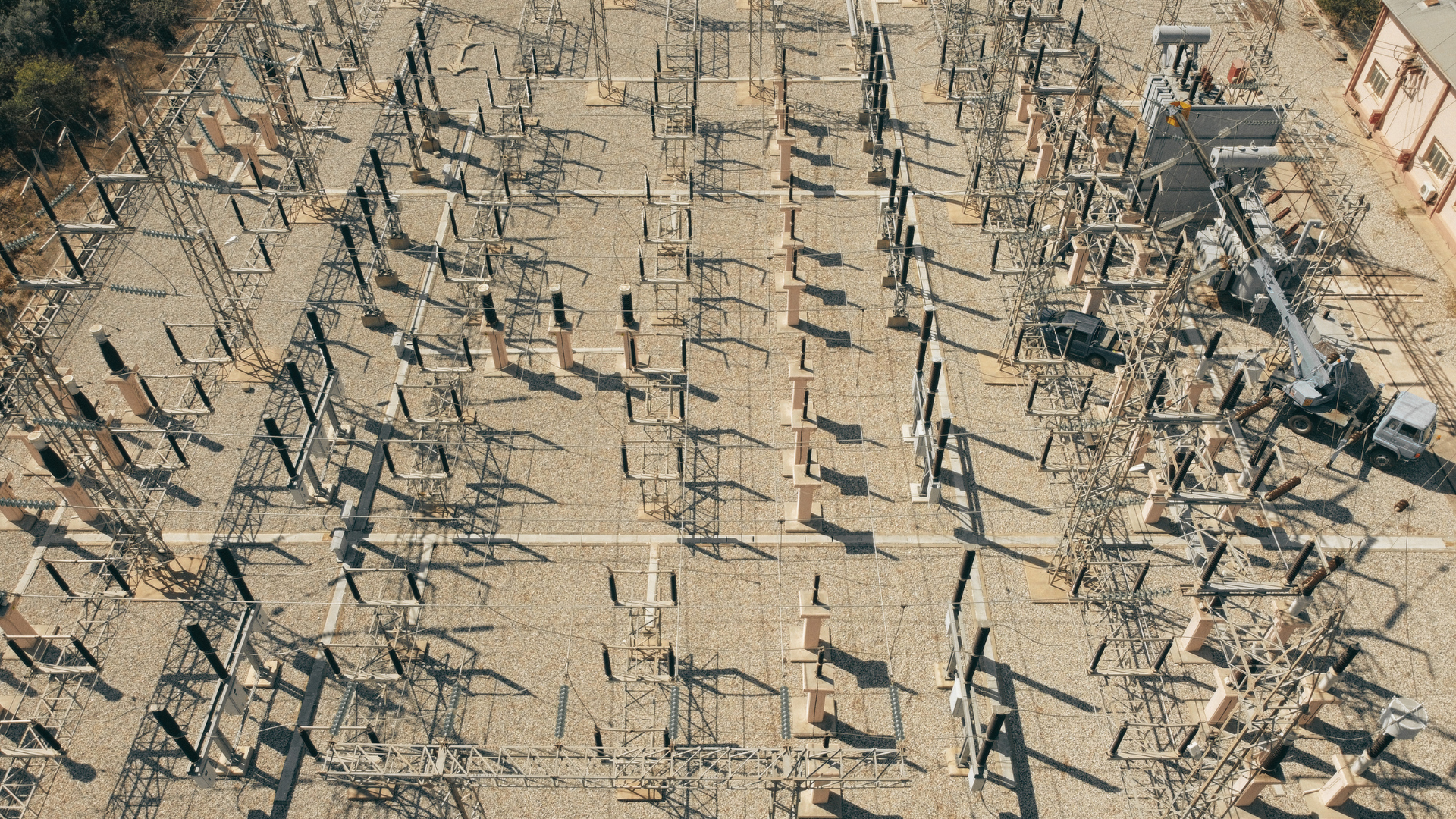
That Bill is the Electricity Infrastructure Investment Amendment Bill 2026, introduced into the Legislative Assembly on 5 August 2026 and now awaiting the resumption of its second reading debate [2]. It would amend the Electricity Infrastructure Investment Act 2020 so that the Minister may declare, by order published in the Gazette, a large load infrastructure access scheme that authorises or prohibits access to specified network infrastructure, and it provides for the amending Act to commence on assent [2]. Transgrid, meanwhile, has identified a way to unlock up to 2 gigawatts of additional Sydney capacity through a new South Creek 500/330 kilovolt substation and upgrades to existing substations and lines, Utility Magazine reported, with roughly 1.5 gigawatts already allocated to signed data centre connection agreements [6]. Transgrid Executive General Manager Network Jason Krstanoski said "These augmentations would unlock additional capacity for some new data centres in Sydney, with the cost to be borne by those proponents" [6].
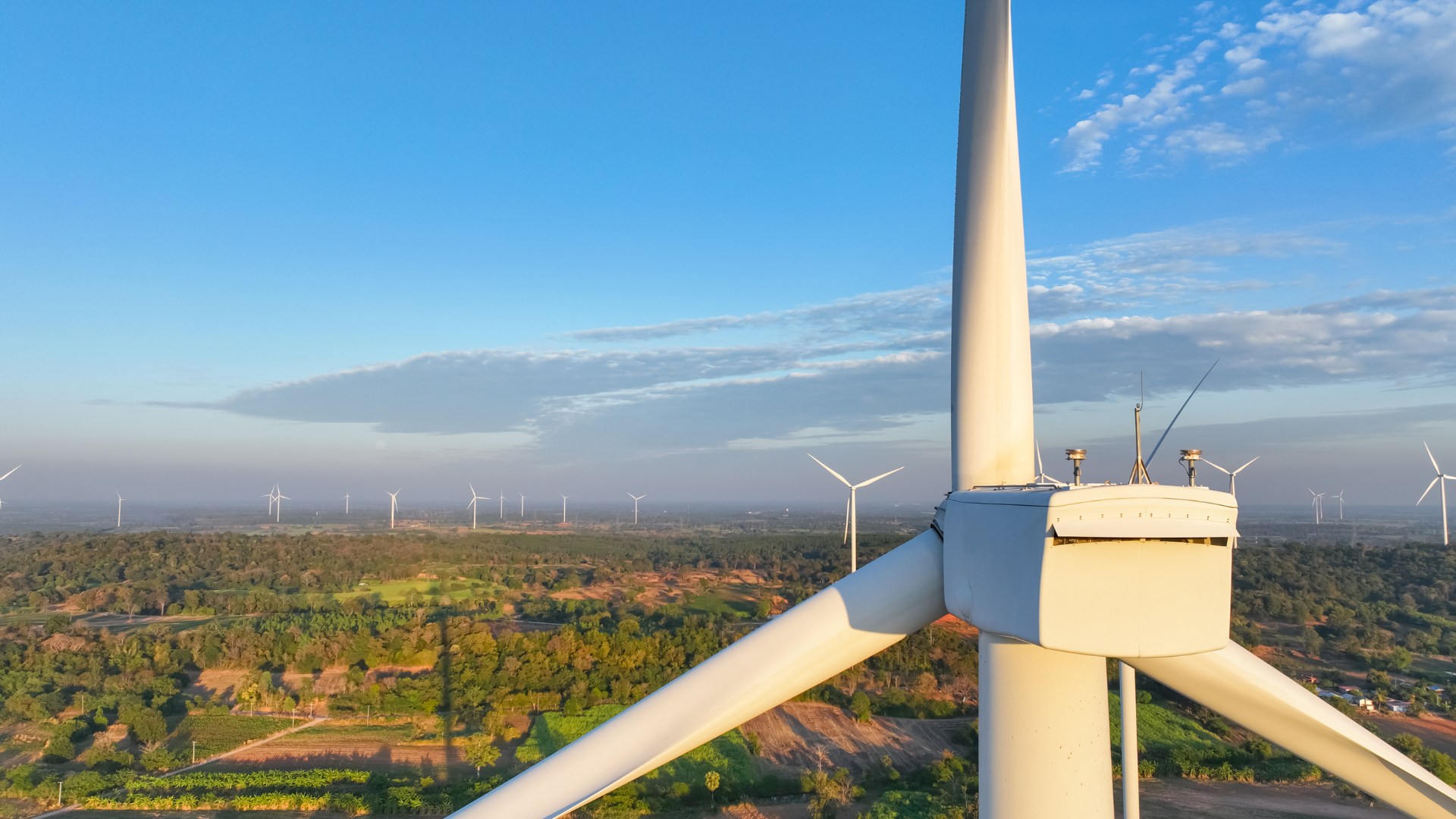
Further south, the week's energy news was about storage rather than load. Renew Economy reported that Goldwind Australia has state approval to install batteries at 53 of the 75 turbine locations at its 298 megawatt Coppabella wind farm, about 30 kilometres west of Yass, in what the publication describes as likely to be the first grid-scale hybrid of wind and battery on the National Electricity Market [14]. The modification, lodged with the NSW planning department in December 2025, provides for 5 megawatt, four hour battery units within the already approved construction footprint, giving a combined rating of 222.6 megawatts and 1,063 megawatt hours of storage, and Transgrid has accepted the updated generator performance standards for the DC-coupled design [14]. Goldwind Australia chief executive Ning Chen said "Integrating battery storage into Coppabella's project design will improve the project's ability to support higher-value renewable energy delivery and provide greater operational flexibility in the NSW region of the National Electricity Market" [14].
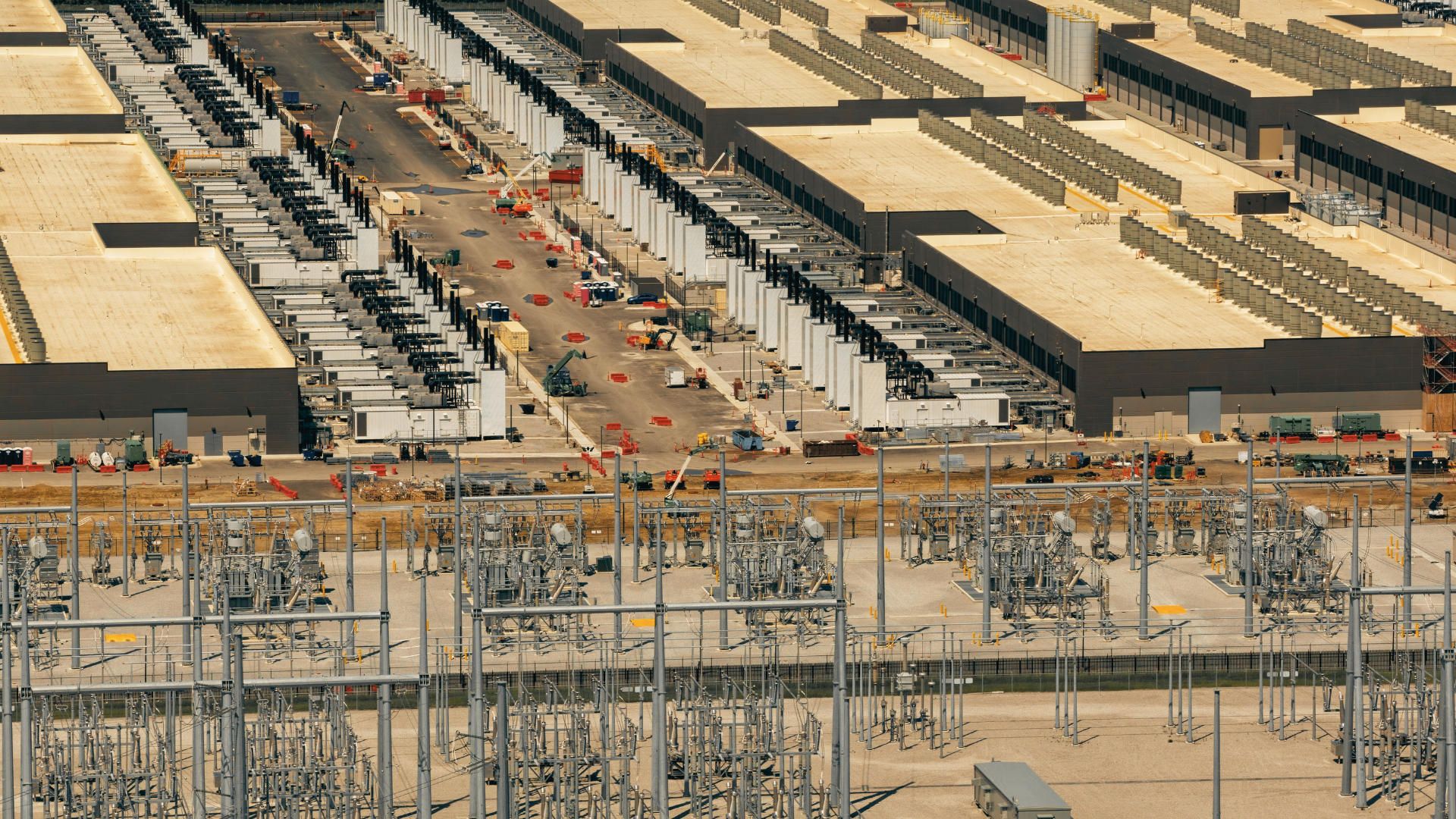
Western Sydney Gains a Business Park and a Concrete Plant, as the Trades Pipeline Runs Two Booms at Once
In Penrith, The Industrialist reported that Brookfield Properties will invest $200 million to acquire a multi-tenant industrial asset on a seven hectare parcel within Precinct Capital's 47 hectare Nepean Business Park, the Canadian group's first development in far western Sydney [10]. The first four stages of the estate are already complete, the ASX-listed FDC Construction and Fitout Group has been selected to build the new facility, and site preparation is under way [10]. Precinct Capital chair Bruce Baudinet said "We have always believed in Penrith and that this region would emerge as a key hub for Sydney in tandem with the new Western Sydney Airport and Aerotropolis" [10].
A little further out, Quarry Magazine reported that Holcim Australia is completing the final stage of a new concrete plant at Badgerys Creek, 1.5 kilometres from Western Sydney International (Nancy-Bird Walton) Airport and 2.5 kilometres from Bradfield City, with capacity of up to 1,000 cubic metres a day [8]. Once operating, it is to work alongside Holcim's Emu Plains, Narellan and Rooty Hill plants in supplying a growth corridor where the publication puts investment at more than $25 billion [8]. Holcim executive general manager for ready-mix concrete and major projects Greg Price said "Fourteen months ago, like many new developments here, this was a paddock; now it's set to be one of our busiest plants" [8].
The question of who builds all of this ran through the ABC's reporting. The Powering Skills Organisation, a government-established jobs and skills commission, estimates Australia needs a further 72,000 electricians, technicians and related tradespeople by 2030, up from a forecast shortfall of 42,000 a year earlier [11]. The ABC attributed much of the widening gap to data centre construction, which Treasury expects to be worth about $150 billion by the end of the decade and which the report estimates will alone require 13,000 additional energy trades workers [11]. PSO chief executive Anthea Middleton said "We have multiple national priorities that are simultaneously competing for the same electricians, technicians and skilled trades workers", and the organisation has asked government to require a first and second year apprentice intake on every major energy project [11].
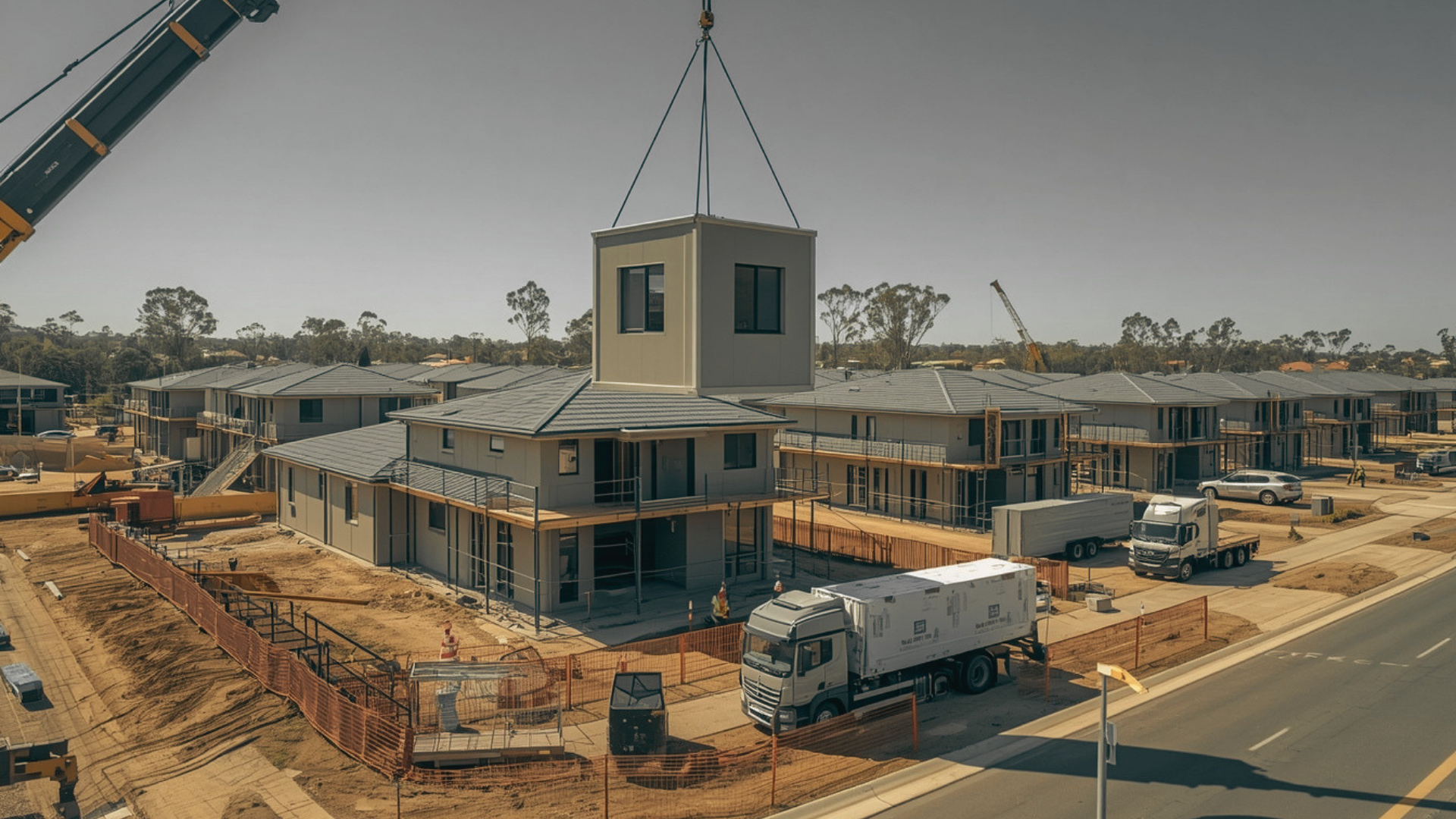
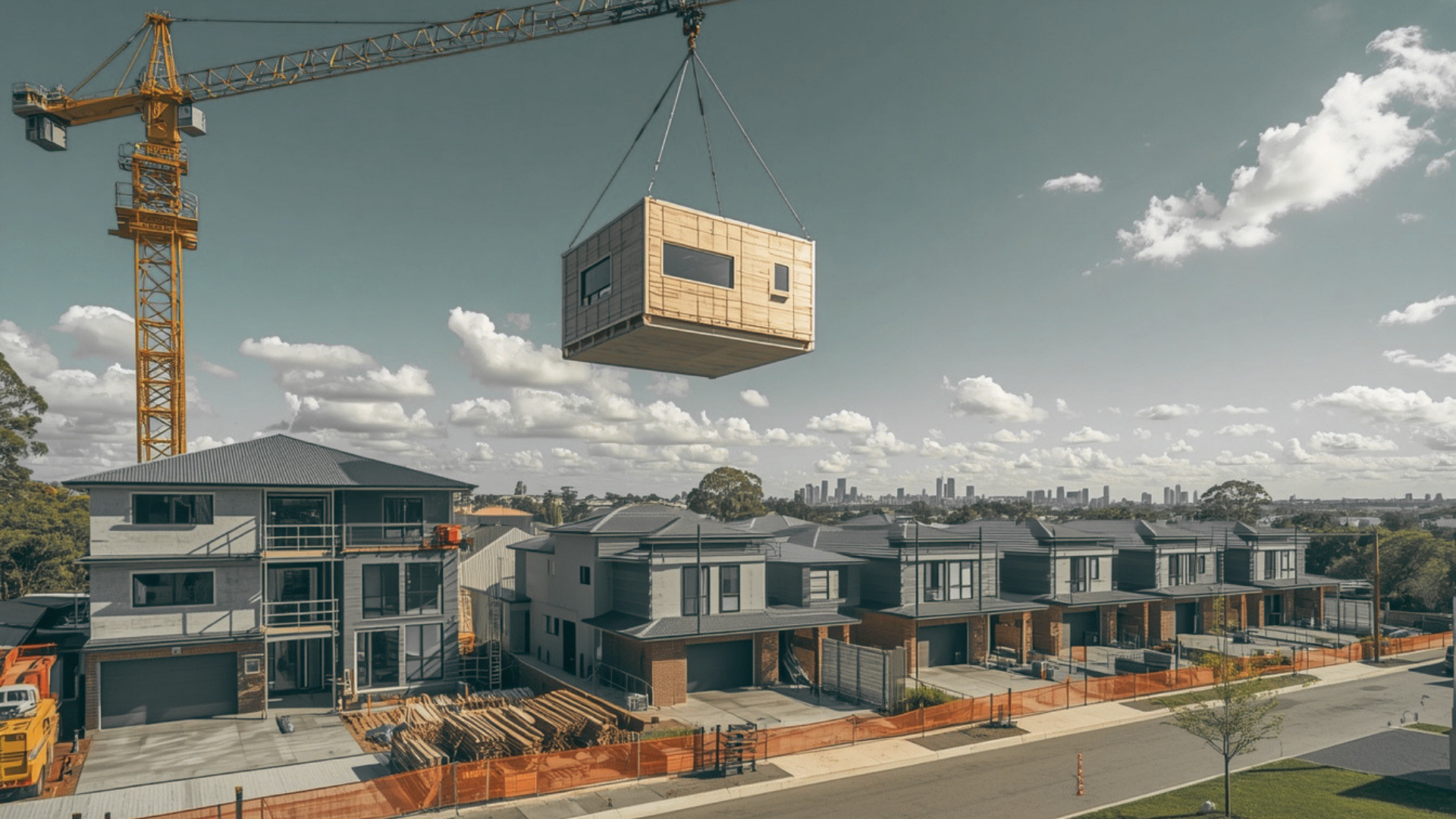
The ABC's second report looked at how homes are built, and found secondary dwelling approvals in NSW up 24 per cent in a year, a rise it linked in part to a relaxation of planning laws, while modular and prefabricated housing still accounts for only 3 to 5 per cent of Australian construction [9]. University of NSW construction researcher Riza Yosia Sunindijo told the ABC that manufacturers need a steady pipeline of projects to reach the scale that brings costs down, and that for regional areas short of both housing and workers, modular construction "can address both issues by reducing the amount of labour required onsite, while also improving productivity for housing delivery" [9].

Project Tracker: State Significant Development at 2 September 2026
We have been following a number of State Significant Development projects through recent editions as they move from announcement toward delivery, and here is where each of them stands as of this edition.
|
Project |
What moved |
Status at 3 Sept 2026 |
Source |
|
Housing Delivery Authority declarations |
Ten further projects declared State Significant Development, eight in metropolitan Sydney and two in regional NSW, for more than 1,700 homes if lodged and approved. The pipeline stands at 492 declared proposals, 20 approved and 10 under construction. |
Declared |
[13] |
|
Waterloo mixed-use precinct, 2.1 hectares |
State approval for 826 build-to-rent homes and 4,095 square metres of retail and hospitality at Danks and Young Streets, designed by SJB, Bates Smart, Curious Practice and Chenchow Little. Coronation Property describes it as the largest housing development approved under the Housing Delivery Authority pathway to date. |
Approved; staged completion targeted from 2028 |
[12] |
|
New Bankstown Hospital, $2 billion |
Multiplex appointed as early contractor involvement building partner following SSD approval, to finalise design with the project team, designers and clinicians. Demolition and site remediation continue through 2026. |
Main works expected to begin in 2027 |
[7] |
|
IFM Macquarie Park data centre site, $1.5 billion |
IFM Investors has listed the 2.86 hectare site at 6-8 Julius Avenue, North Ryde, which the listing describes as conditionally approved for a data centre. JLL is running an expression of interest campaign. |
Conditionally approved; on market |
[4] |
Final Thoughts
Two patterns run through the week's coverage, and the first is standardisation ahead of volume. A single Community Participation Plan was reported as replacing more than 100 separate plans in the same week the state's declared housing pipeline passed 492 proposals [5, 13], and the Building Commission turned its audit of 427 Class 1 certifiers into practice advice for the whole profession [1]. On the grid, the consultation paper and the Bill together frame one set of connection and cost recovery terms for a queue of up to 28 gigawatts [2, 3].
The second is that the cost of new capacity is being assigned to the party that calls for it. The Department's paper would have data centre proponents post bonds, guarantee payment for allocated capacity and meet a per megawatt upgrade fee [3]; Transgrid described augmentations paid for by the proponents who need them [6]; and the Powering Skills Organisation asked that major energy projects carry first and second year apprentices rather than draw on those trained elsewhere [11]. The delivery reporting sat comfortably alongside that picture, with capital and plant reported arriving in Penrith and Badgerys Creek in step with the corridor they are built to supply [8, 10], and storage at Coppabella folded into a footprint already approved [14]. The composition of that reporting was consistent with terms being settled before the work rather than after it.
-
Building Commission NSW (July 2026, updated August 2026). Building certification work audits – Class 1: Report on audits conducted June to December 2024. https://www.nsw.gov.au/departments-and-agencies/building-commission/building-and-construction-resources/building-certification-work-audits-class-1
-
Parliament of NSW (5 August 2026). Electricity Infrastructure Investment Amendment Bill 2026, Bill Details. https://www.parliament.nsw.gov.au/parliamentary-business/bills/bill-details?billId=18938
-
NSW Department of Climate Change, Energy, the Environment and Water (17 August 2026). Reforming electricity network connection and cost recovery arrangements for data centres in NSW: Consultation paper. https://www.energy.nsw.gov.au/nsw-plans-and-progress/regulation-and-policy/public-consultations/data-centres
-
Inspirepreneur Magazine (27 August 2026). IFM Lists $1.5B Macquarie Park Data Centre Site. https://inspirepreneurmagazine.com/news/news-technology-news-2/ifm-macquarie-park-data-centre-site
-
NSW Government (27 August 2026). Making it easier for everyone, everywhere, to have their say on planning matters. https://www.nsw.gov.au/ministerial-releases/community-participation-plan
-
Utility Magazine (27 August 2026). Plan to make data centres fund new transmission capacity. https://utilitymagazine.com.au/plan-to-make-data-centres-fund-new-transmission-capacity
-
Inside Construction (28 August 2026). ECI partner appointed for new $2 billion Bankstown Hospital. https://insideconstruction.com.au/eci-partner-appointed-for-new-2-billion-bankstown-hospital
-
Quarry Magazine (28 August 2026). Holcim Australia expands concrete capacity in Western Sydney. https://quarrymagazine.com/holcim-australia-expands-concrete-capacity-in-western-sydney
-
ABC News (29 August 2026). Modular solution for multi-generational living as housing crisis changes way we live. https://www.abc.net.au/news/2026-08-30/modular-prefabricated-housing-for-multi-generational-living/107007838
-
The Industrialist (31 August 2026). Brookfield's landmark $200 million investment in Penrith's Nepean Business Park. https://theindustrialist.com.au/properties/2026/08/31/brookfields-landmark-200-million-investment-penrith%E2%80%99s-nepean-business-park
-
ABC News (1 September 2026). AI boom's demand for skilled workers could hit housing pipeline. https://www.abc.net.au/news/2026-09-02/ai-boom-could-hit-housing-pipeline-as-worker-shortage-grows/107103420
-
Architecture AU (1 September 2026). 2.1-hectare 'complete neighbourhood' scheme in inner-city Sydney secures approval. https://architectureau.com/articles/21-hectare-complete-neighbourhood-scheme-in-inner-city-sydney-secures-approval
-
Inside Local Government (1 September 2026). 10 new housing projects declared State Significant. https://insidelocalgovernment.com.au/10-new-housing-projects-declared-state-significant
-
Renew Economy (1 September 2026). Wind giant gets green light to plug batteries into turbines at 300 MW project, deliver an Australian first. https://reneweconomy.com.au/wind-giant-gets-green-light-to-plug-batteries-into-turbines-build-australias-first-grid-scale-wind-storage-hybrid
The Pulse collates the latest news and opinions from third-party sources. Links, snippets or text are generated by an artificial intelligence engine. The Pulse aggregates news reports and does not claim to have copyright to the content. We have not fact-checked that content and cannot vouch for its accuracy or completeness. Nor do we endorse the opinions expressed by the authors or primary publishers. The content is provided as general information only and should not be relied on as a substitute for professional advice. You should contact the source to verify any factual content as well as taking specialist advice that takes your personal objectives and circumstances into account.
.png)
Kreisson
Produced by the team at Kreisson.
Browse Past Issues




Kreisson
We provide the construction industry with simple, easy to understand, solution-based legal advice.