Power Lines and Pipelines: NSW's Energy Build-Out Runs Ahead of a Slowing Housing Supply
This week's reporting frames the NSW energy transition as a build-out defined increasingly by where power can be stored and carried rather than merely generated.
The State Government announced approval of the $1.8 billion Stratford Pumped Hydro and Solar project on a closed Gloucester Valley coal site, pairing a 300 MW store carrying 12 hours of energy with a 320 MW solar farm and forecast to meet around 13 per cent of the 2034 long-duration storage target [11]; Idemitsu Australia put forward a 108 MW, eight-hour vanadium flow battery, potentially the country's largest, to anchor a clean-industries precinct on the former Muswellbrook coal mine [4]; and EnergyCo signed a deed with Transgrid to lift a Jerilderie-to-Wagga Wagga link toward 500kV so that 3.56 GW of South West Renewable Energy Zone capacity can reach load [5]. On delivery, the last of nine 124-tonne transformers reached the Maragle substation, one of four being built for HumeLink [6], while ASL told the market its resumed NSW Capacity Investment Scheme auctions would be scored on best value rather than lowest price, after few of 31 federally underwritten wind projects had reached financial close [12].
On housing, the reporting frames a widening distance between an accelerating approvals pipeline and a falling rate of finished homes. The Housing Delivery Authority was reported to have generated a pipeline of roughly 150,000 potential dwellings in 18 months and to have declared a further 94 residential proposals state significant [1], even as Australian Bureau of Statistics figures showed only 10,227 NSW homes completed in the June quarter, a 15 per cent fall, against a target implying about 88,000 a year [2], and the Urban Development Institute of Australia urged the Minns Government to draw down $3.6 billion in Commonwealth-backed enabling-infrastructure funding [13]. Individual approvals and proposals moved through the same pathway, from a green-lit Roseville apartment scheme [9] to state-significant towers on exhibition at Chatswood [8] and Coffs Harbour [14], while on the delivery side the $381 million Muswellbrook Bypass advanced toward tender [10] and a completed Glebe project renewed the case for a national mass-timber standard [7].

Energy Transition and Renewable Infrastructure
The NSW Government announced approval of the $1.8 billion Stratford Pumped Hydro and Solar project, describing it as converting a former mining site in the Gloucester Valley into a renewable generator able to power up to 120,000 homes [11]. The release said the scheme, by Gloucester Coal Pty Ltd, a Yancoal Australia subsidiary, couples a 300 MW pumped hydro station holding 12 hours of storage with a 320 MW solar farm, and would move water from an existing dam up to a newly built upper reservoir on the Stratford Mining Complex, where coal operations ended in 2024 [11]. According to the release, the project was declared Critical State Significant Infrastructure in June 2024, is expected to support up to 350 construction roles and 10 ongoing positions, will return about $18.2 million to the region under a Voluntary Planning Agreement struck with Mid Coast Council, and is forecast to supply around 13 per cent of what the state is targeting for long-duration storage by 2034 under the Electricity Infrastructure Roadmap [11].
Renew Economy set out a second Hunter proposal on decommissioned coal land: a 108 MW vanadium flow battery with at least eight hours of storage, some 864 MWh, advanced by Idemitsu Australia for the Muswellbrook Clean Industries Precinct on the former Muswellbrook coal mine [4]. The report noted the redox flow technology was first patented by University of New South Wales engineer Maria Skyllas-Kazacos in the 1980s, and said that, if built, the battery would rank as the country's largest of its kind, ahead of a 50 MW unit planned in Western Australia [4]. According to the report, the battery would join other precinct projects, among them the Idemitsu and OX2 Muswellbrook Solar Farm and Battery and the AGL and Idemitsu Bells Mountain pumped hydro proposal, with Idemitsu having opened a $40,000 community benefit fund [4].
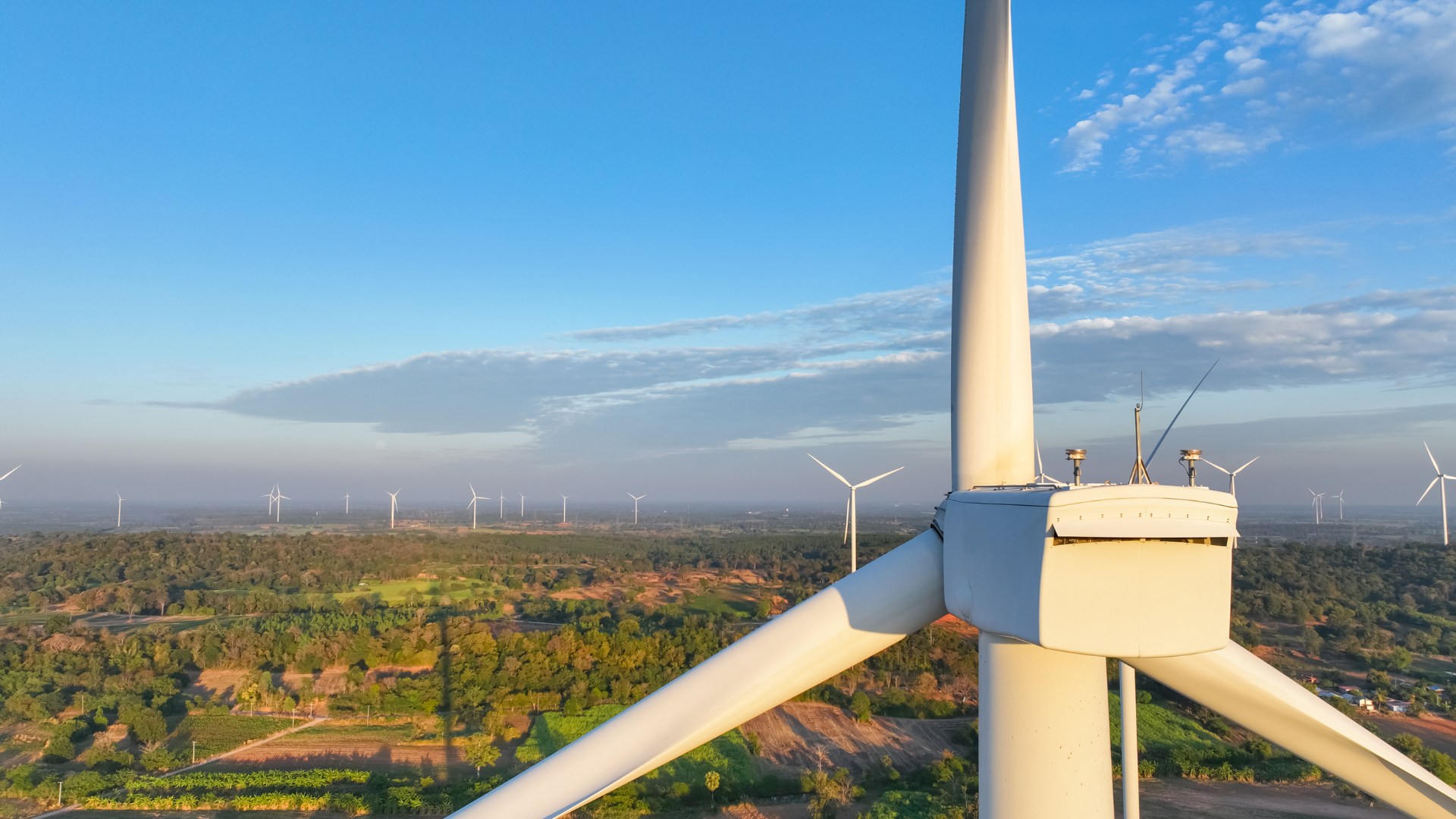
On transmission, EnergyCo said it had signed a deed with Transgrid to upgrade a section between Jerilderie and Wagga Wagga so that 3.56 GW of wind, solar and battery capacity in the South West Renewable Energy Zone can reach the main load centres [5]. According to Renew Economy, the works include lifting the Dinawan substation to 500kV and converting the Dinawan-to-Wagga Wagga line from 330kV, and EnergyCo chief executive Hannah McCaughey was quoted saying the zone is expected to power up to 1.6 million homes; the report added that the deed followed a $225 million state commitment and that the zone's capacity is now widely regarded as too small for the projects planned there [5]. Further south, the Tumut and Adelong Times reported that the last of nine 124-tonne transformers had been trucked to the Maragle substation, one of four under construction for HumeLink, quoting Transgrid HumeLink West project director Michael Howard describing the 500 kV substation as designed to manage changing power flows from Snowy 2.0 [6].
Renew Economy also reported adjustments to the tenders underpinning new wind and solar, made by ASL as manager of Capacity Investment Scheme auctions and applying first in NSW as the state restarts its own auctions, with at least 2.5 GW already being awarded and a further 2.5 GW later in the year [12]. The report said ASL would judge bids on best value rather than the lowest price, so that a winning project has the revenue certainty to secure finance and proceed, after only three of 31 federally underwritten wind projects nationally had begun construction and just one, Squadron Energy's Uungula in the central west, was being built in NSW [12]. ASL chief executive Nevenka Codeville was quoted saying, "We cannot wait until coal retires for price signals to stimulate investment. We need the investment to happen now" [12].
Housing Supply and Planning
Build Australia reported that the Housing Delivery Authority had produced a pipeline of more than 150,000 potential dwellings in 18 months, declaring a further 94 residential proposals state significant and taking the running total to 484 declared projects [1]. According to the report, the authority, set up in December 2024 and since made permanent, obliges proponents to lodge a state-significant development application within nine months and to begin construction within a year of approval, with 14 projects fully approved and Planning Minister Paul Scully quoted saying the pathway had "far exceeded expectations" [1]. That pipeline sat against Australian Bureau of Statistics data reported by News.com.au recording 10,227 homes finished in the June quarter, a 15 per cent fall, with Property Council of NSW executive director Katie Stevenson quoted saying the state "still needs to dramatically lift the number of homes being delivered" and pointing to construction costs, finance access and government charges [2]. The Age reported that the Urban Development Institute of Australia had pressed the Minns Government to match Commonwealth funding under the 100,000 Homes for First Home Buyers program, with UDIA NSW chief executive Stuart Ayres quoted saying the state could free up $3.6 billion of housing-enabling infrastructure "for just 20¢ in the dollar", supporting more than 133,000 homes [13].
Individual approvals showed that pipeline in operation. The Mercury reported that the NSW Planning, Housing and Infrastructure Department had approved Hyecorp Property Group's estimated $148.5 million plan for 16-24 Lord Street and 21-27 Roseville Avenue, clearing nine dwellings in the Clanville Heritage Conservation Area to make way for 249 apartments across four towers, of which 54 would be affordable units [9]. According to the report, the approval came over more than 800 objections, permitted a height increase from 28.6 metres to 31.1 metres, and required the removal of 90 trees against replanting of 104, with the developer's impact report estimating 640 direct construction jobs [9].
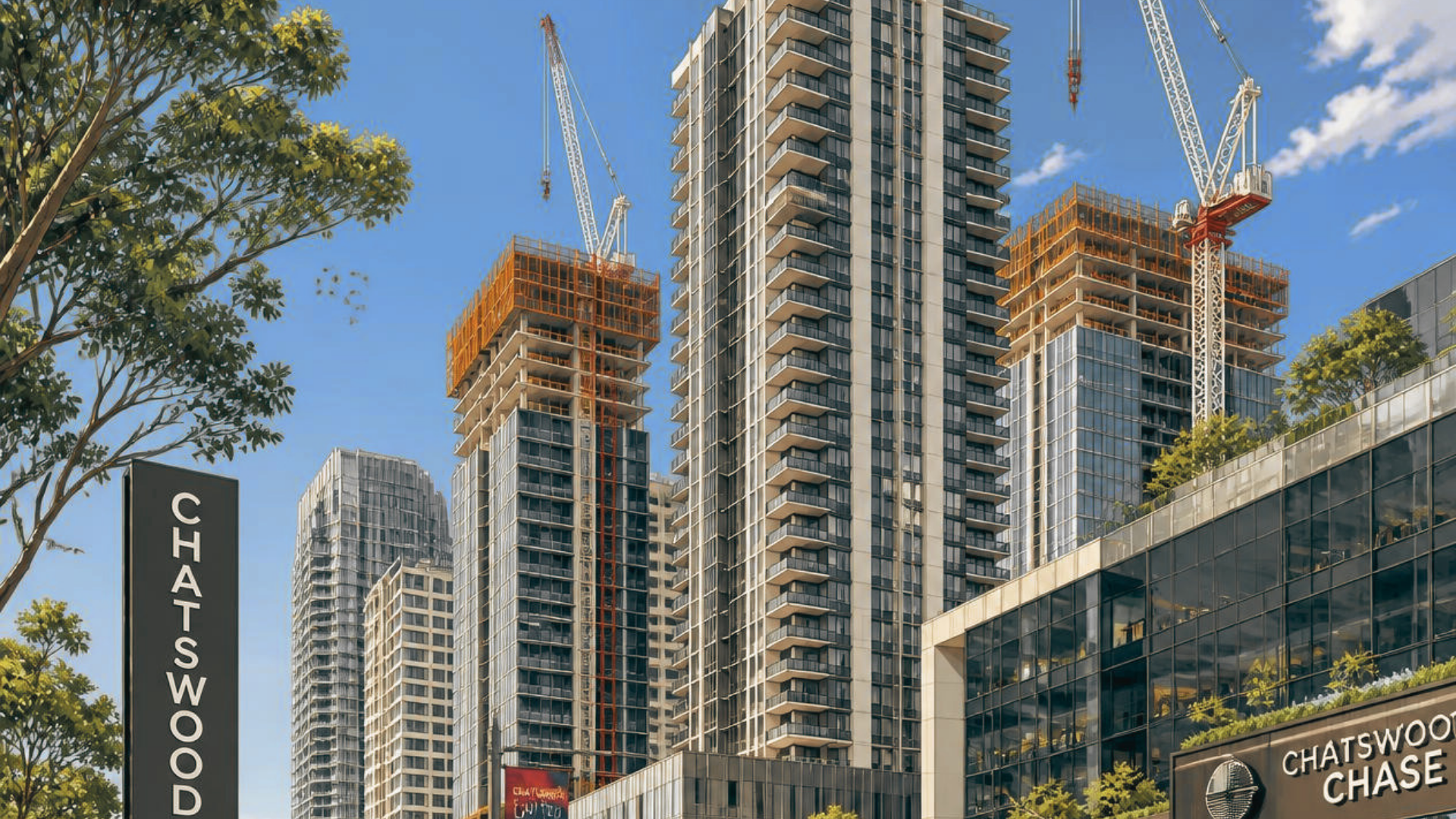
Two further state-significant proposals were reported on exhibition through the same pathway. Architecture AU reported a $1.3 billion mixed-use scheme at 8 Wilson Street, Chatswood, of two towers of 58 and 60 storeys delivering 552 apartments, designed by PBD Architects for a Billbergia Group and Metric Credit Partners joint venture and framed around the government's transport-oriented development reforms [8]. The Urban Developer reported a $134 million Uniting Church proposal at 19A-21 Gordon Street, Coffs Harbour, seeking 152 homes, 40 of them affordable, above a new place of worship and a community kitchen, and moving through the Housing Delivery Authority with a concurrent rezoning to lift the height control from 44 metres to 90 metres after the project was declared state significant in April [14].
On the commercial side, Urban Digest reported that a $669.4 million automated distribution centre at 475 Badgerys Creek Road had entered exhibition as a state-significant development, proposing a warehouse rising to 25.02 metres with a gross floor area of 195,829 square metres on a 17.17-hectare site in the Western Sydney Aerotropolis [3]. According to the report, the centre would run around the clock, include no housing, and create about 3,123 construction jobs and 807 ongoing roles, and was being assessed as a warehouse or distribution centre under the Planning Systems SEPP 2021 [3].
Major Projects and Construction Methods
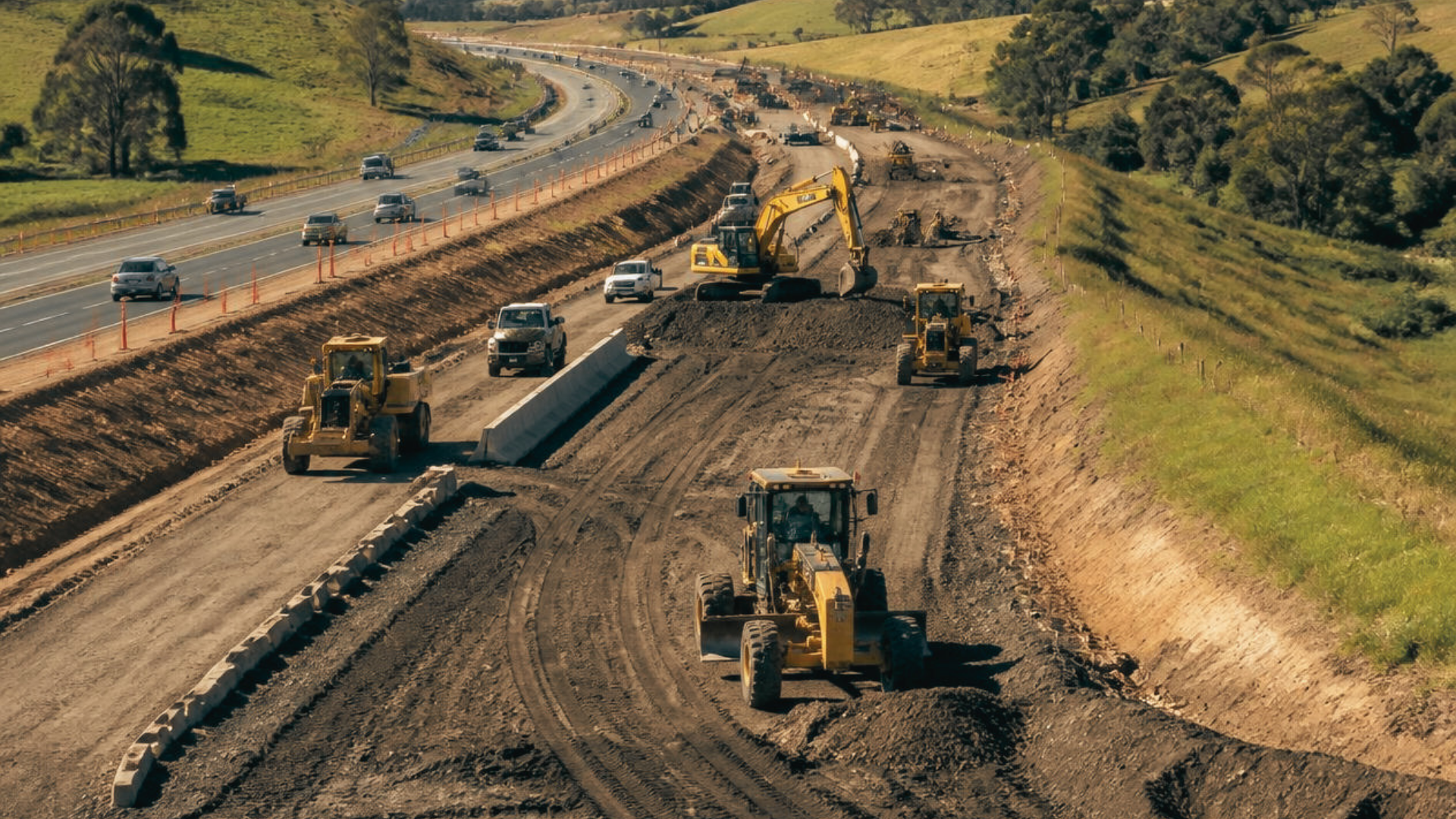
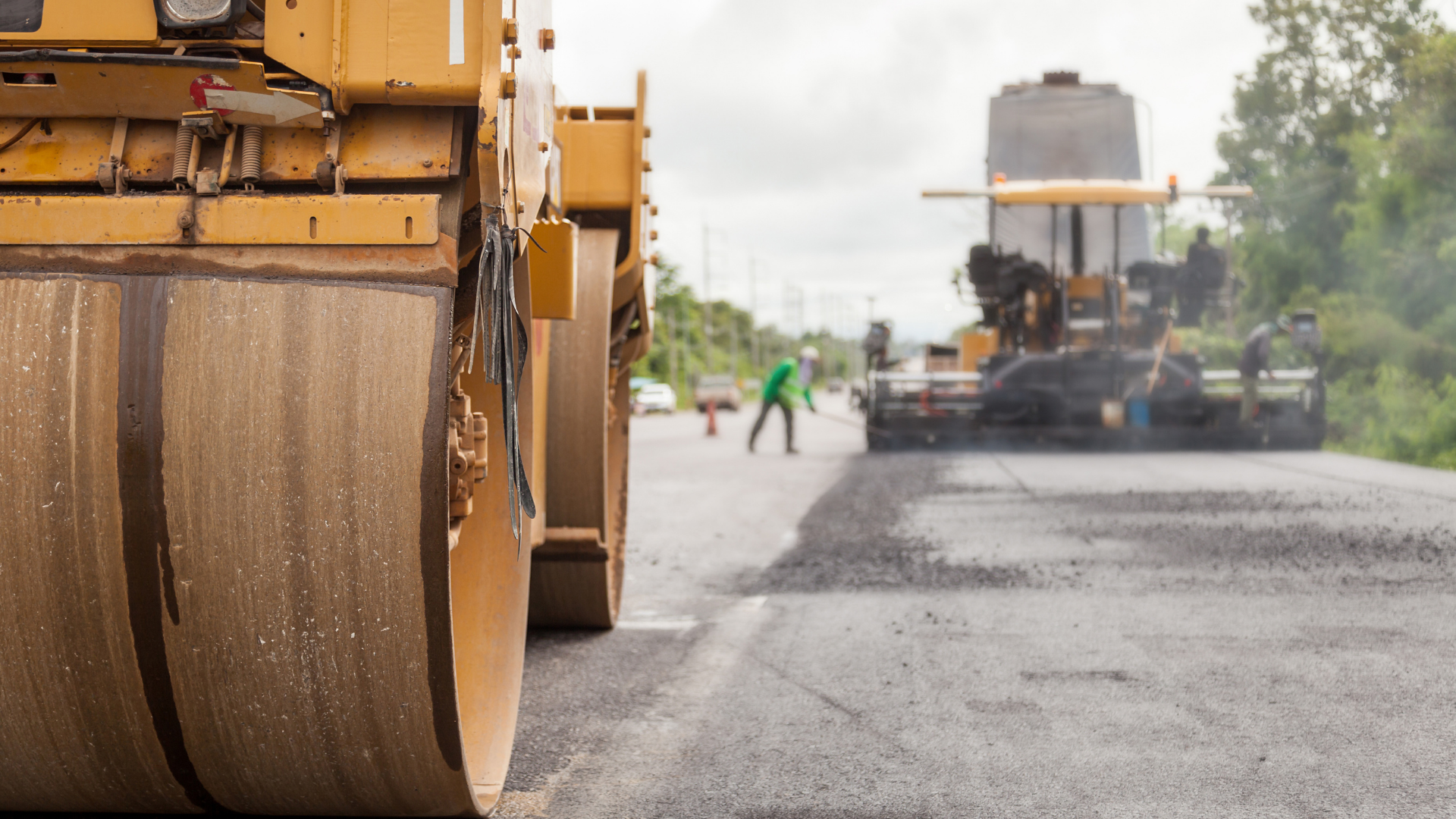
The NSW Government said early works were under way on the $381 million Muswellbrook Bypass, a New England Highway upgrade funded jointly with $304.8 million from the Australian Government and $76.2 million from the state [10]. According to the release, the bypass would divert about 2,500 heavy vehicles a day from the town centre, support around 720 construction jobs, and had moved to a refined design; it said the Aboriginal cultural heritage salvage program finished in late 2025, utility relocation and dynamic compaction across a backfilled open-cut mine were proceeding, shortlisted applicants had advanced to the Request for Tender stage, and main construction was expected to begin in 2027 [10].
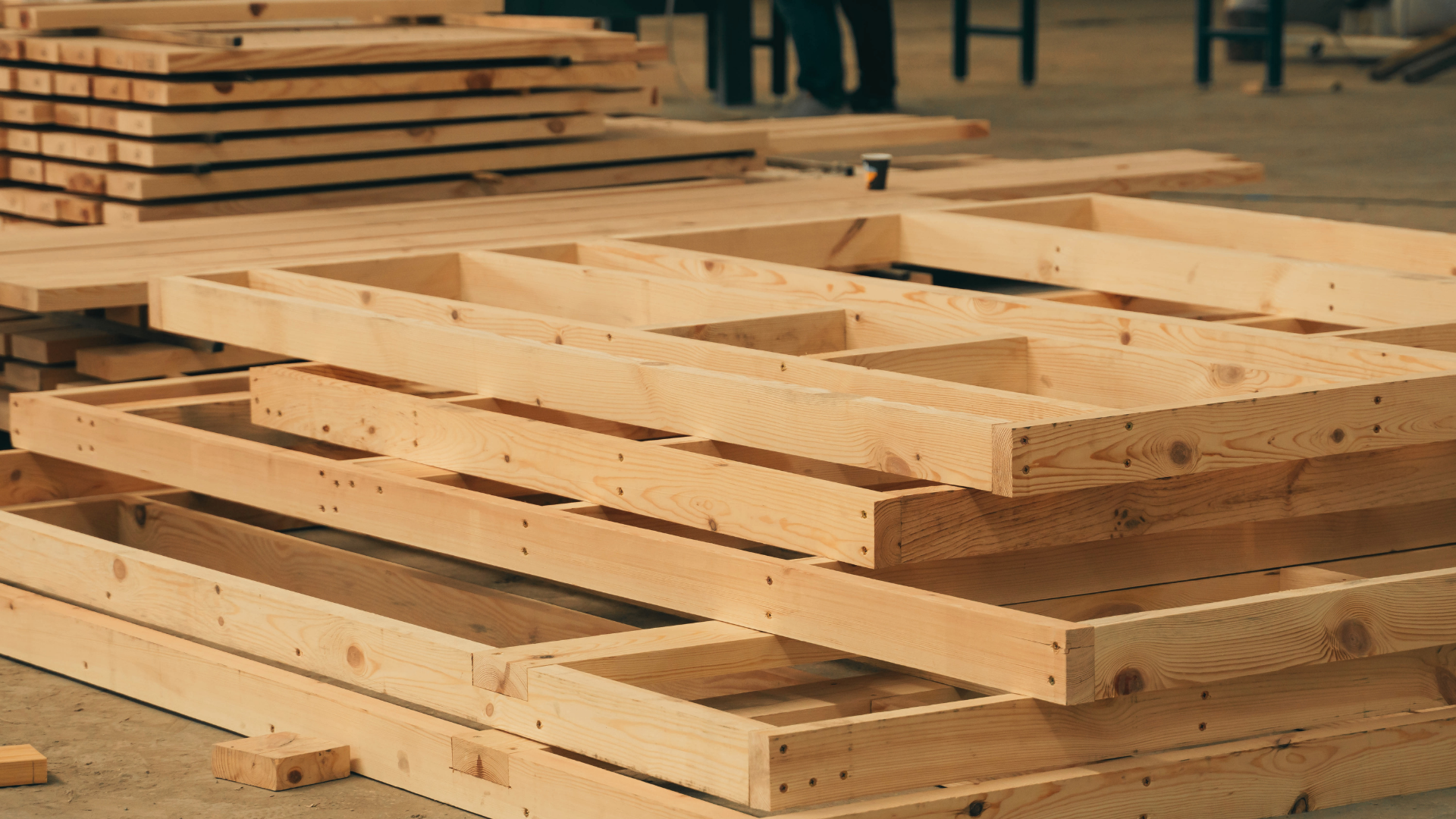
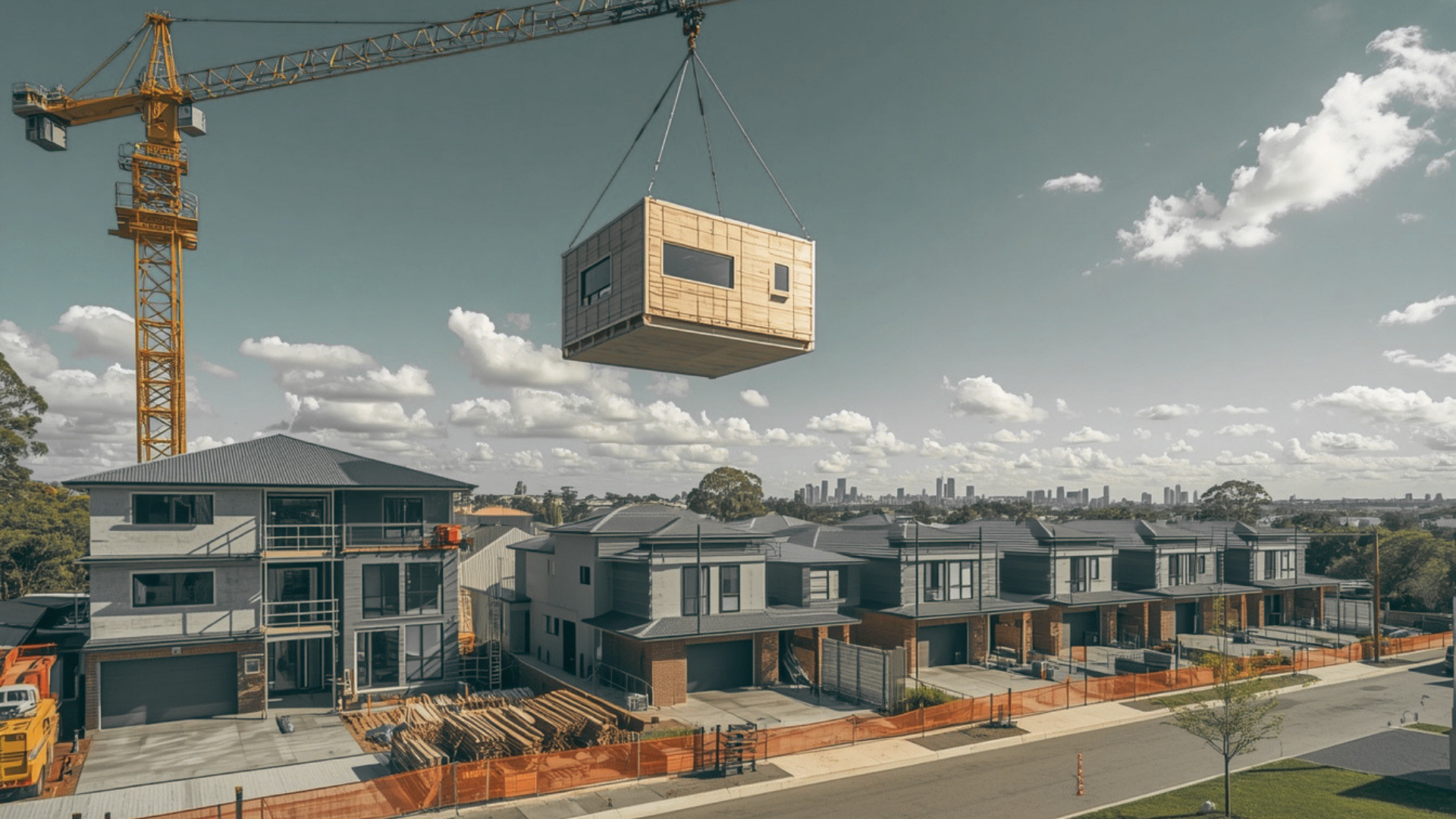
Wood Central reported on the completed $65 million Cowper Street redevelopment in Glebe, delivered for Homes NSW with backing from The King's Trust Australia and described as the state's earliest social housing built in mass timber and the first social homes in Australia to be fully electrified and rated 6-Star Green Star [7]. According to the report, GroupGSA architect Noura Thaha said each element had to be justified on its own through Performance Solutions, because the National Construction Code offers no straightforward Deemed-to-Satisfy route for exposed cross-laminated timber in Class 2 apartments, and she pressed for guidelines available across the country and fire-test results placed in the public domain [7]. The report said the pair of towers, built by Kane Constructions from 2,590 cubic metres of CLT and glulam pressed by XLam, replaced 19 ageing dwellings with 75 social homes, with floor plates raised in as little as a fortnight, and quoted Homes NSW chief executive Rebecca Pinkstone saying, "Cowper Street shows how good design can help deliver more homes in established communities" [7].
Final Thoughts
Two patterns run through the week's coverage. On energy, the developments reported across the Stratford approval [11], the Muswellbrook vanadium proposal [4], the EnergyCo and Transgrid deed [5] and the Maragle transformer delivery [6] cluster around storage and transmission on repurposed coal land rather than new generation alone, while ASL's tender redesign [12] located the reported constraint in bankability rather than the size of the pipeline.
On housing, the reporting set an accelerating approvals pathway [1, 8, 14] against a falling completion rate [2] and an unresolved infrastructure-funding gap [13], a juxtaposition consistent with supply pressure sitting downstream of approval rather than at it. The individual approvals reported this week, from Roseville [9] to the Badgerys Creek distribution centre [3], showed that pipeline in operation, while the Muswellbrook Bypass [10] and the Cowper Street mass-timber project [7] pointed to the delivery and construction-method questions that follow once approval is secured.
-
Build Australia (9 July 2026). NSW's HDA builds pipeline for 150,000 new homes. https://buildaustralia.com.au/news_article/nsws-housing-delivery-authority-builds-pipeline-for-150000-new-homes
-
News.com.au (10 July 2026). NSW falls further behind housing targets amid 'dire' drop in new builds. https://www.news.com.au/finance/real-estate/nsw-falls-further-behind-housing-targets-amid-dire-drop-in-new-builds/news-story/a28379214e7f39dd45cdbe7a620145f6
-
Urban Digest | by Stephanie (12 July 2026). $669m Badgerys Creek Distribution Centre Proposal on Exhibition. https://urbandigest.com.au/ssd-105499958-669m-badgerys-creek-distribution-centre-proposal-on-exhibition
-
Renew Economy | by Joshua S Hill (13 July 2026). Australia's biggest vanadium flow battery planned for clean energy precinct at former coal mine. https://reneweconomy.com.au/australias-biggest-vanadium-flow-battery-planned-for-clean-energy-precinct-at-former-coal-mine
-
Renew Economy | by Joshua S Hill (13 July 2026). Deed signed to boost export link from new renewable energy zone to main demand centres. https://reneweconomy.com.au/deed-signed-to-boost-export-link-from-new-renewable-energy-zone-to-main-demand-centres
-
Tumut and Adelong Times (13 July 2026). Maragle Substation reaches major milestone. https://tatimes.com.au/maragle-substation-reaches-major-milestone
-
Wood Central | by Jason Ross (13 July 2026). King Charles Housing Project Proves Australia Needs a CLT Standard. https://woodcentral.com.au/mass-timber-social-housing-glebe-nsw
-
Architecture AU (14 July 2026). 60-storey Chatswood towers on exhibition. https://architectureau.com/articles/60-storey-chatswood-towers-on-exhibition
-
Mercury | by Paige Fryer (14 July 2026). Roseville: Nine heritage-area homes to be demolished for towers at Lord St and Roseville Ave. https://www.themercury.com.au/news/nsw/roseville-nine-heritagearea-homes-to-be-demolished-for-towers-at-lord-st-and-roseville-ave/news-story/96d34b1ddc6c22f7df01db4f9fc1c65e
-
NSW Government (14 July 2026). Full steam ahead on Muswellbrook Bypass. https://www.nsw.gov.au/ministerial-releases/full-steam-ahead-muswellbrook-bypass
-
NSW Government (14 July 2026). New life for mine site as $1.8b pumped hydro project approved. https://www.nsw.gov.au/ministerial-releases/mine-site-becomes-renewable-energy-generator
-
Renew Economy | by Giles Parkinson (14 July 2026). "We cannot wait": Changes made to renewable tenders to ensure wind and solar projects actually get built. https://reneweconomy.com.au/we-cannot-wait-changes-made-to-renewable-tenders-to-ensure-wind-and-solar-projects-actually-get-built
-
The Age | by Max Maddison (14 July 2026). The $3.6b water and road fix that could unlock 130,000 homes in NSW. https://www.theage.com.au/politics/nsw/the-3-6b-water-and-road-fix-that-could-unlock-130-000-homes-in-nsw-20260713-p60ese.html
-
The Urban Developer | by Vanessa Croll (14 July 2026). Church Topped with 150-Home Tower Proposed for Coffs Harbour CBD. https://www.theurbandeveloper.com/articles/uniting-church-site-coffs-harbour-mixed-use-tower-gordon-street-hda
The Pulse collates the latest news and opinions from third-party sources. Links, snippets or text are generated by an artificial intelligence engine. The Pulse aggregates news reports and does not claim to have copyright to the content. We have not fact-checked that content and cannot vouch for its accuracy or completeness. Nor do we endorse the opinions expressed by the authors or primary publishers. The content is provided as general information only and should not be relied on as a substitute for professional advice. You should contact the source to verify any factual content as well as taking specialist advice that takes your personal objectives and circumstances into account.
.png)
Kreisson
Produced by the team at Kreisson.
Browse Past Issues


Kreisson
We provide the construction industry with simple, easy to understand, solution-based legal advice.