Practitioners, Payments
and a Patchy Pipeline: NSW Construction Weighs Compliance Risk Against a Two-Speed Building Recovery
This week's reporting frames builder risk in NSW less around a single new rule than around the accumulation of compliance and cashflow exposures already coming due.
NSW Parliament is weighing a 12-month delay to the mandatory Professional Indemnity insurance requirement for registered building practitioners under the Design and Building Practitioners Act 2021, which would push the start date from 1 July 2026 to 1 July 2027 [1]; the same reporting noted that the Act's statutory duty of care applies retrospectively, with claims able to be brought up to ten years after work is completed [1]. Separately, credit reporting agency CreditorWatch found that the large majority of construction firms carried overdue invoices over a 12-month period, while of all companies entering external administration in 2023-24, corporate regulator data put construction's share at around 27 per cent, the highest of any industry [7].
On housing supply, capital and construction method featured side by side. The Housing Industry Association welcomed the NSW Government's decision to scrap a 9 per cent duty surcharge that had applied to foreign purchasers of qualifying retirement-living and build-to-rent projects [2], in the same week that Billbergia and Metrics Credit Partners lodged a $1.3 billion proposal to lift apartment numbers at a Chatswood site from 332 to 552 across towers of 60 and 56 storeys [4]. NSW also opened close to $4 million in grants to help manufacturers adapt modern methods of construction for mid and high-rise housing [6], against a backdrop in which ABS approvals data showed NSW dwelling approvals up 8.3 per cent but rotating away from established western-Sydney growth corridors toward the Inner West, Sutherland and Canada Bay [8]. Energy infrastructure investment ran alongside that housing picture, with up to $77 billion in private investment flagged through the NSW Government's Electricity Infrastructure Roadmap [3], and Neoen starting construction of a 215 MW/963 MWh battery at its Culcairn Solar Farm [5].
Builder Risk: Professional Indemnity Insurance and the Payment Chain
CFOtech reported that NSW lawmakers are considering a 12-month deferral of the mandatory Professional Indemnity insurance requirement for registered building practitioners, moving the commencement date under the Design and Building Practitioners Act 2021 from 1 July 2026 to 1 July 2027, with the proposal before State Parliament amid concern that sole traders may not be ready to meet the original timeframe [1]. Daniel Quinn, Head of Customer Acquisition at insurance comparison platform BizCover, said the statutory duty of care under the Act applies retrospectively, noting that "claims can be brought up to 10 years after the work is completed" [1]. Quinn said the construction sector should treat any deferral as extra time to prepare rather than a reason to wait, since businesses that delay reviewing their cover would have less opportunity to compare policies and confirm what their existing arrangements do and do not protect, with sole traders and small operators standing to gain the most from the additional lead time given their thinner administrative support [1].
On the payment side, The Good Builder reported that credit bureau CreditorWatch has repeatedly identified construction as carrying the highest rate of late payment of any Australian industry, with 92 per cent of construction firms recording overdue invoices over a 12-month period and 39 per cent reporting invoices more than 30 days overdue at any one time [7]. The outlet said that, among small construction businesses, roughly 11.6 per cent were carrying invoices more than 60 days overdue at any given time, and linked that pattern directly to insolvency: of all companies entering external administration, ASIC data showed construction made up close to 27 per cent in the 2023-24 year, the highest proportion of any single industry, with total insolvencies across the economy reaching levels not seen since modern record-keeping started in 1999-2000 [7]. Master Builders Australia's own data, cited in the same piece, put construction company collapses for the year in the thousands, averaging out to close to nine businesses closing for every day the industry works [7].
The Good Builder also pointed to the legislative response built around security of payment laws operating in every state and territory, which give contractors and subcontractors the right to lodge a payment claim, compel a response within a set period, and obtain rapid adjudication, typically within around ten days, while voiding "pay when paid" clauses that once let head contractors withhold payment from subcontractors until they themselves were paid upstream [7]. It noted that Victoria's parliament legislated changes during late 2025 that begin taking effect across 2026, equipping adjudicators with new powers to void unfair time-bar clauses and mandating that retention money be held in trust, while the federal Payment Times Reporting Scheme has begun issuing its first directions against slow-paying large businesses in the 2025-26 cycle [7].
Housing Supply, Capital and a Two-Speed Recovery
Elite Agent reported that the NSW Government has scrapped a duty surcharge of 9 per cent that had applied to foreign purchasers of qualifying retirement-living and build-to-rent projects, a reversal the Housing Industry Association welcomed [2]. HIA Chief Economist Tim Reardon described the change as a course correction and called on other Australian jurisdictions to review their own settings, arguing that foreign investors have been barred from buying established homes since 1975 and that their role in the market is concentrated in financing, developing and constructing new supply rather than competing with owner-occupiers [2]. Reardon said foreign investor taxes had "become one of the worst own goals in Australian housing policy", contending that government forgoes more in income tax, payroll tax, company tax and GST when a project stalls than the surcharge itself ever collected [2].
The Urban Developer reported that Billbergia and Metrics Credit Partners have lodged a revised $1.3 billion proposal for their Chatswood Grand Residences site, lifting an existing 36-storey approval into twin towers of 60 and 56 storeys and increasing apartment numbers from 332 to 552 through the Housing Delivery Authority pathway, with the scheme on exhibition until 14 July [4]. Andrew Lockhart — Metrics' chief executive and managing partner of the group described the plan as extending a "long-standing partnership" with Billbergia, while Saul Moran, who holds the development director role at Billbergia, described the location as "highly connected" and pointed to nearby "world-class transport, retail, employment and essential services" [4]. The publication reported that Billbergia has earmarked as much as $80 million for public-benefit works and supporting infrastructure, with construction able to start before the end of the year if approval is granted and the project completed by 2031 [4].
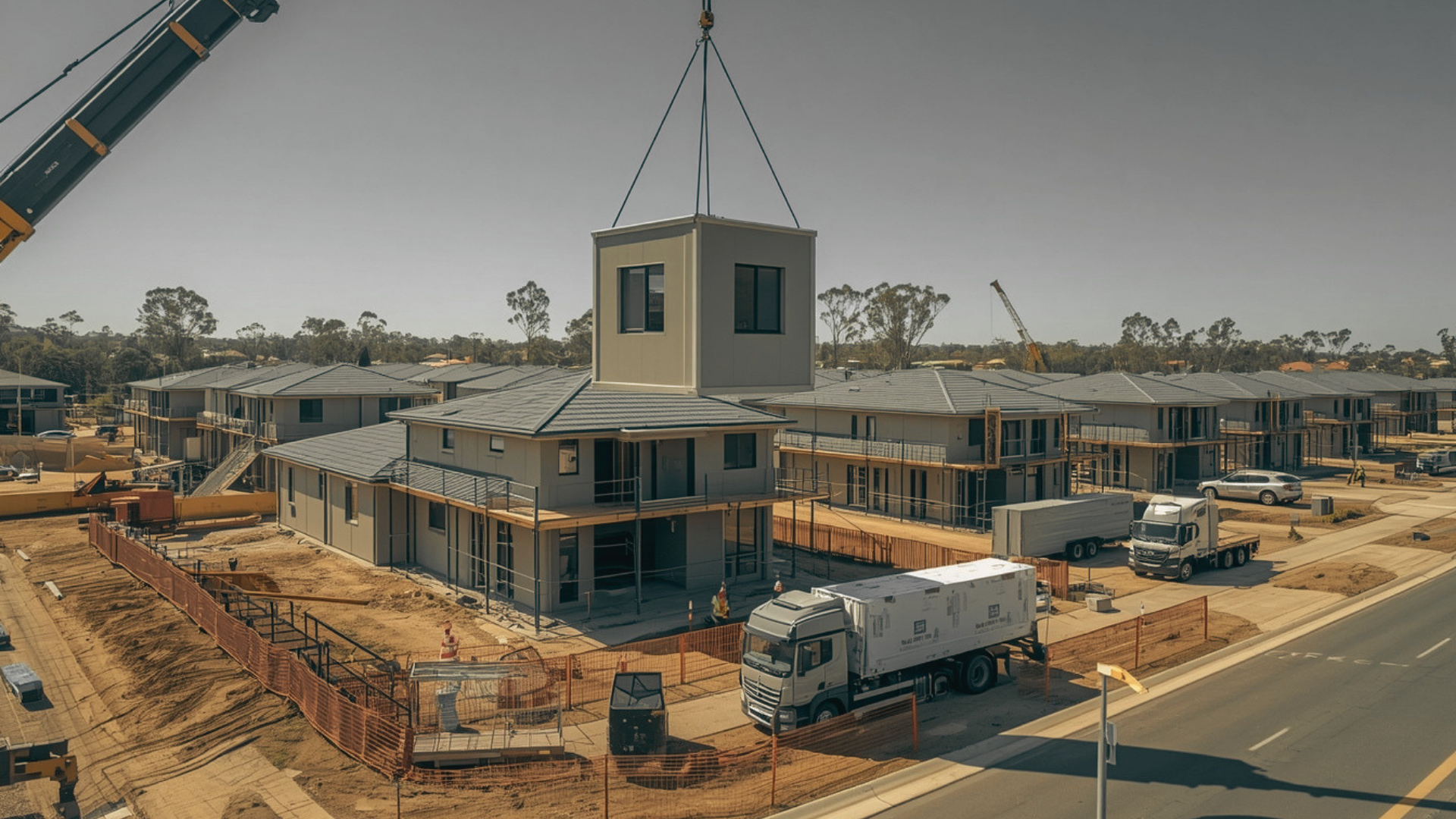
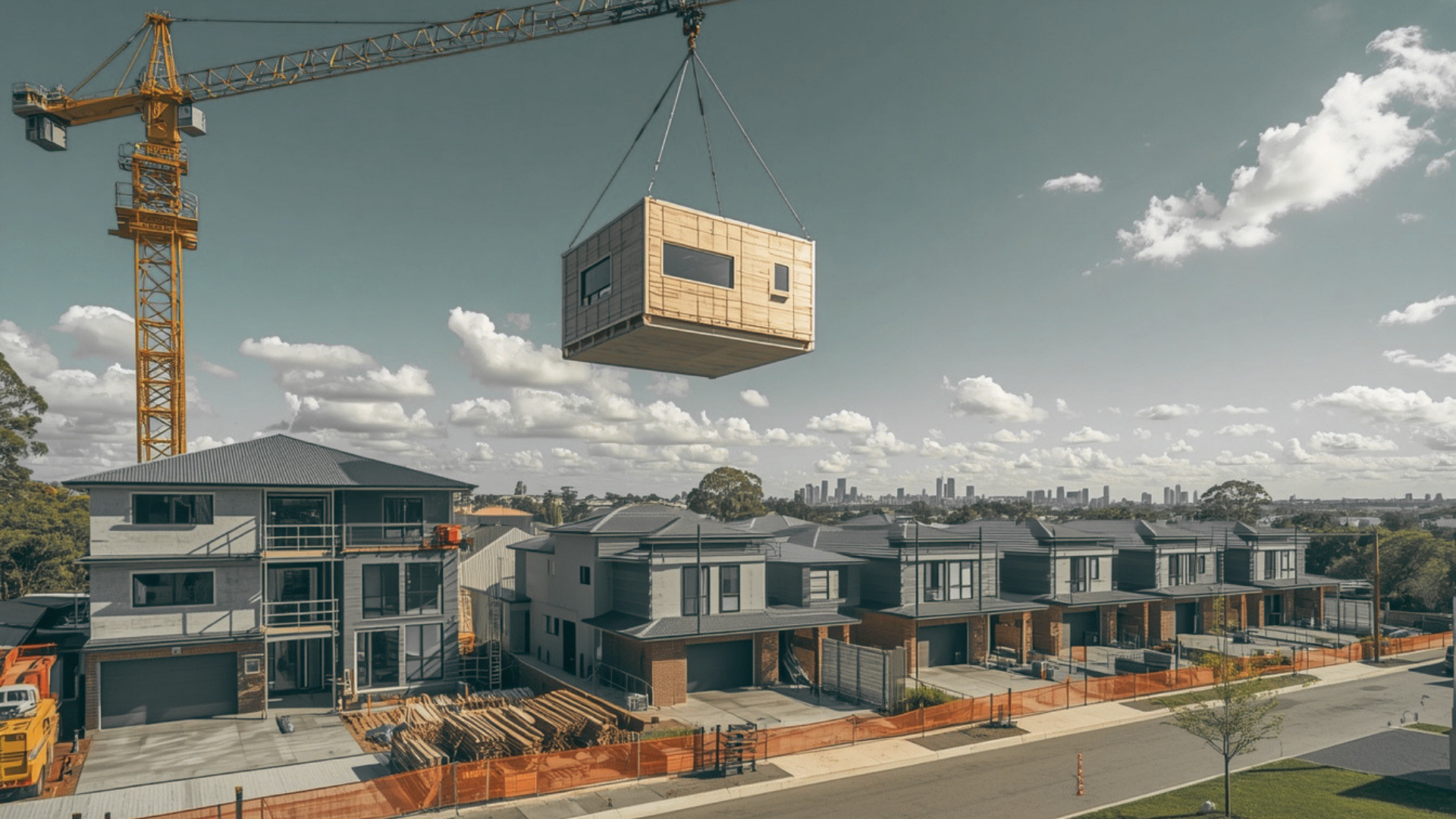
The Good Builder reported that the NSW Government opened applications on 29 June for close to $4 million across two grant programs aimed at moving modern methods of construction beyond detached housing: a $2 million Housing Innovation in Construction Fund offering grants of $20,000 to $150,000 to established manufacturers on a matched-funding basis, and a Housing Innovation Network Grants Program offering up to $250,000 for smaller operators to pilot housing products in partnership with Homes NSW [6]. The outlet linked the grants to the Building Bill 2026, currently before Parliament, which would formally recognise prefabricated buildings in law, alongside a $32.3 million Budget commitment to modernise the building-approvals system and a flagged two-stage tender inviting local and international operators to partner on a prefabrication facility [6]. The Australian Constructors Association welcomed the funding as a step toward lifting productivity across the construction pipeline, while Luke Achterstraat, chief executive of Community Housing Industry Association NSW, was reported as characterising modular construction as one useful tool within a broader housing policy mix, rather than a complete answer on its own [6].
Against that policy activity, The Good Builder's analysis of Australian Bureau of Statistics approvals data showed NSW dwelling approvals up 8.3 per cent across the ten months to April 2026, comparing the period against the equivalent ten months one year before, with Parramatta down 14 per cent even though it remained the state's largest local government area by volume [8]. The outlet reported that growth was instead concentrated in the Inner West, up 122 per cent, alongside Sutherland at 91 per cent, Canada Bay at 88 per cent and Penrith at 76 per cent, with Sydney's growth front shifting into the middle-ring suburbs instead of extending further west, and Greater Sydney accounting for 67 per cent of the state's total approvals [8].
Energy Transition and Renewable Infrastructure
Engineers Australia reported that the 2026-27 NSW Budget commits $116.7 billion to infrastructure over four years, including up to $77 billion in private investment flagged through the Electricity Infrastructure Roadmap and close to $225 million for new transmission infrastructure aimed at supporting 2.5 gigawatts of additional network capacity by 2029 [3]. Engineers Australia Sydney General Manager Jamie Burrage said initiatives such as a planned Modern Methods of Construction facility and the transmission funding were positive for engineers in the state, describing them as directly aligned with the organisation's recommendations to government [3]. The Budget also includes $291 million in 2026-27 for regional road upgrades to support equipment movement to renewable energy zones, and $6.5 million to establish a Local Jobs First Commission to prioritise local workers and businesses in procurement [3].
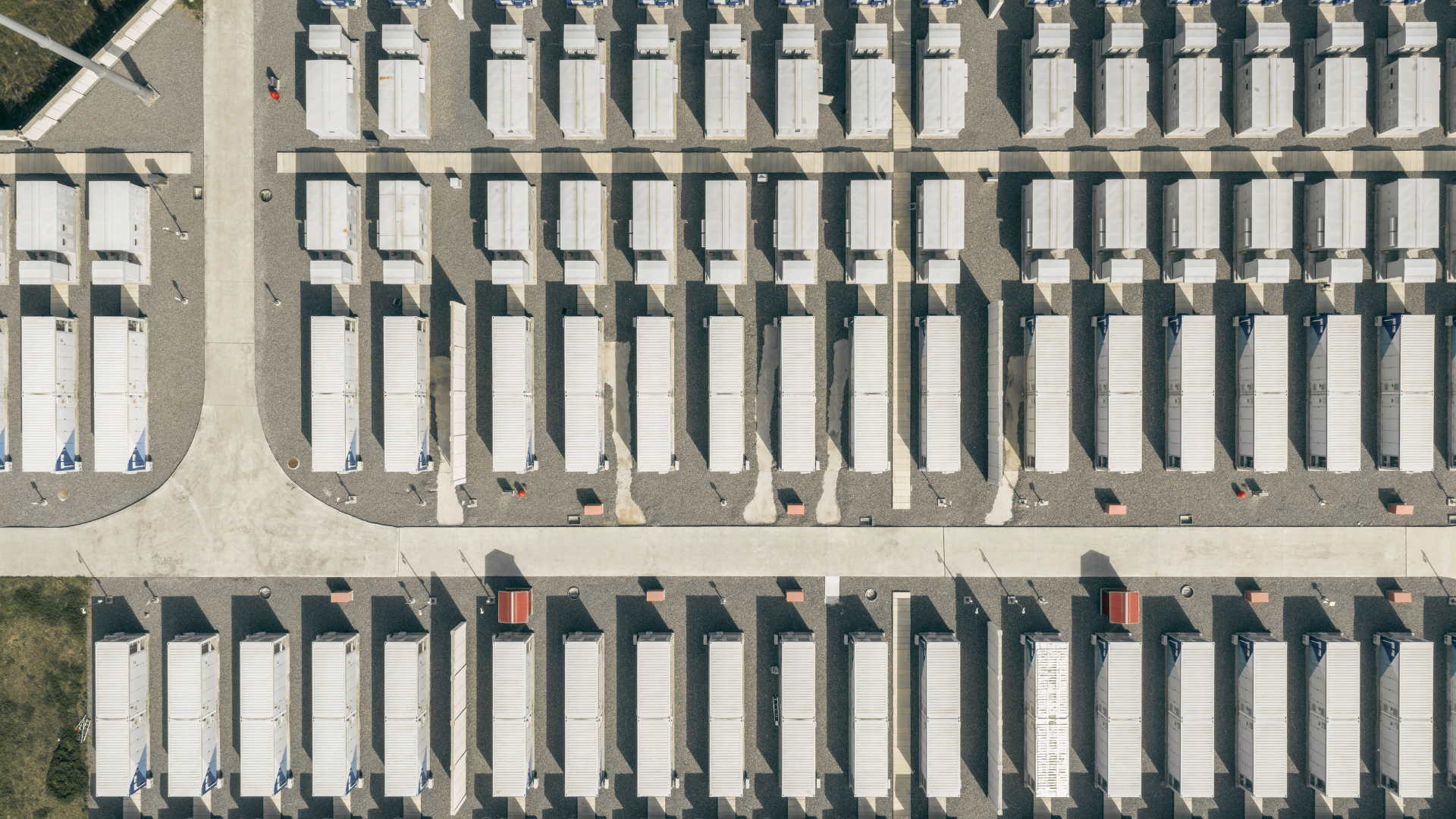
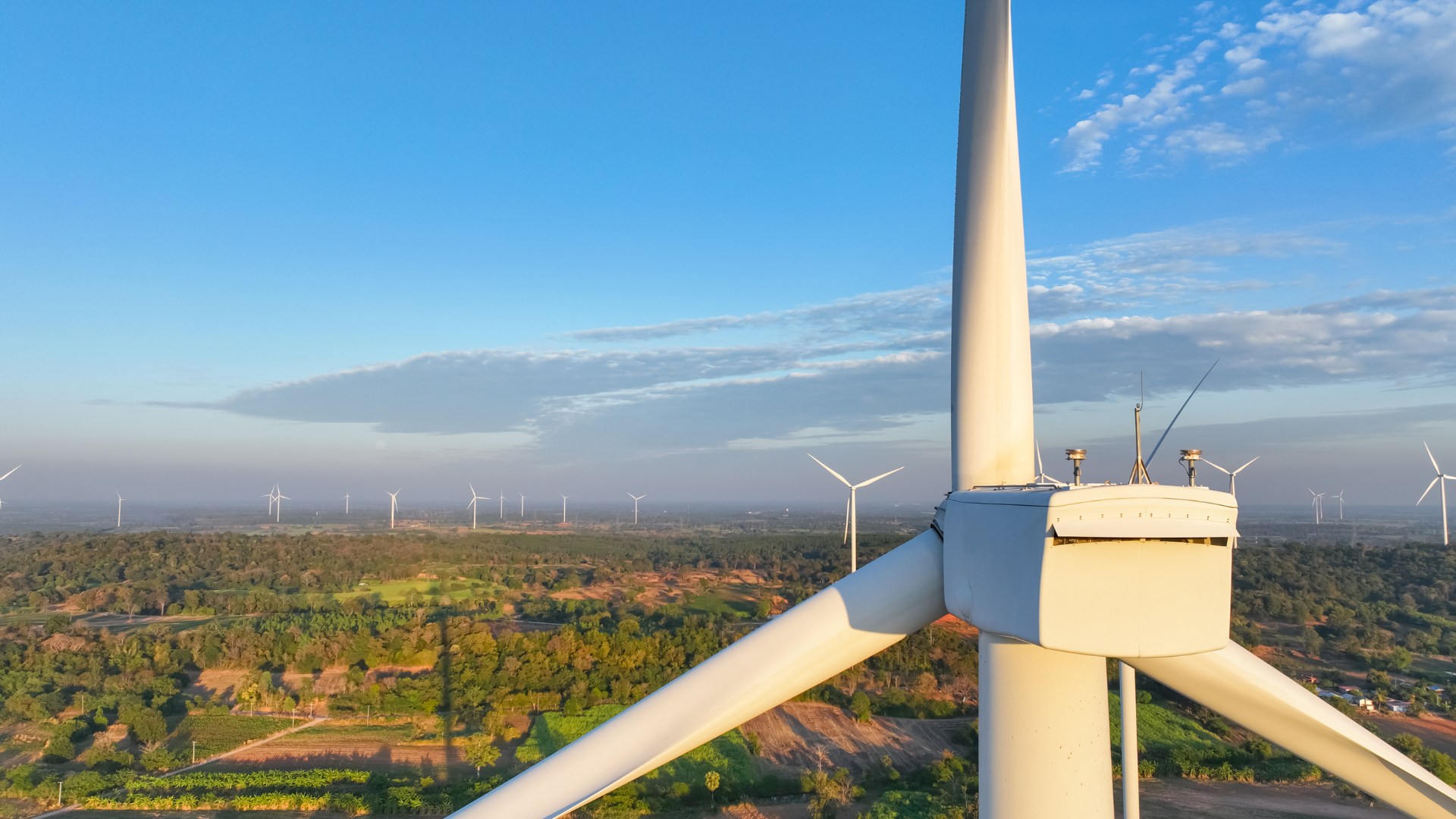
Energy Source & Distribution News reported that Neoen Australia has started building a 215 MW/963 MWh battery at its Culcairn Solar Farm in the NSW Riverina, with NHOA Energy delivering the project alongside Equans Solar & Storage and Bouygues Construction Australia, which are working together under a construction joint venture, and operations are scheduled for 2028 [5]. The outlet noted the asset marks the first time Neoen has paired one of its batteries directly behind the meter at a solar site, lifting the company's combined NSW and ACT renewable generation and storage capacity past 1 gigawatt while supporting the NSW Government's Electricity Infrastructure Roadmap [5].

Final Thoughts
The pattern of reporting around builder risk this week was consistent with existing exposures becoming more visible, rather than new obligations being introduced. The proposed deferral of the Professional Indemnity insurance requirement under the Design and Building Practitioners Act 2021 leaves the underlying statutory duty of care, and its ten-year retrospective claims window, unchanged regardless of the timing reported [1]; the late-payment and insolvency data reported via CreditorWatch and ASIC describes a payment chain in which security of payment legislation already gives contractors adjudication rights, available only to those who use them correctly [7]. Read together, the compliance and cashflow risk identified this week sits on statutory frameworks already in place rather than ones newly announced.
On supply, the pattern of reporting was consistent with capital and construction method both being treated as levers on the housing pipeline alongside planning approval itself. The reversal of the foreign purchaser duty surcharge and the upsized Chatswood proposal were reported in the same week as NSW's modern-construction grants and a state-by-state approvals picture showing growth rotating toward middle-ring Sydney councils [2, 4, 6, 8]. Energy infrastructure investment was reported alongside that housing-supply activity rather than separately from it, with the NSW Budget's transmission and Electricity Infrastructure Roadmap commitments and Neoen's Culcairn battery construction both proceeding within the same week's coverage [3, 5].
-
CFOtech Australia | by Karen Joy Bacudo (25 June 2026). NSW builders face delay on indemnity insurance rules. https://cfotech.com.au/story/nsw-builders-face-delay-on-indemnity-insurance-rules
-
Elite Agent | by Catherine Nikas-Boulos (25 June 2026). NSW reverses ‘worst own goal’ on foreign investor tax to boost housing supply. https://eliteagent.com/nsw-reverses-worst-own-goal-on-foreign-investor-tax-to-boost-housing-supply
-
Engineers Australia (29 June 2026). NSW Budget: renewable energy infrastructure and regional support. https://www.engineersaustralia.org.au/news-and-media/2026/06/nsw-budget-renewable-energy-infrastructure-and-regional-support
-
The Urban Developer | by Vanessa Croll (29 June 2026). Billbergia, Metrics $1.3bn Chatswood Skyscraper Aims for 60 Storeys. https://www.theurbandeveloper.com/articles/billbergia-metrics-chatswood-grand-resdiences-joint-venture-hda-8-wilson-street
-
Energy Source & Distribution News | by Nadia Howland (30 June 2026). Neoen launches battery build at Culcairn Solar Farm. https://esdnews.com.au/neoen-launches-battery-at-culcairn-solar-farm
-
The Good Builder | by TGB Editorial (30 June 2026). NSW Opens Nearly $4 Million in Grants to Push Modern Construction Into Mid and High-Rise Housing. https://thegoodbuilder.com.au/nsw-opens-nearly-4-million-in-grants-to-push-modern-construction-into-mid-and-high-rise-housing
-
The Good Builder | by TGB Editorial (30 June 2026). The Payment Dispute Problem: How Much Money Australian Builders Lose Every Year to Slow and Non-Payment. https://thegoodbuilder.com.au/the-payment-dispute-problem-how-much-money-australian-builders-lose-every-year-to-slow-and-non-payment
-
The Good Builder | by TGB Editorial (30 June 2026). Where Australia Is Actually Building Right Now: The State-by-State Picture Behind the National Recovery. https://thegoodbuilder.com.au/where-australia-is-actually-building-right-now-the-state-by-state-picture-behind-the-national-recovery
The Pulse collates the latest news and opinions from third-party sources. Links, snippets or text are generated by an artificial intelligence engine. The Pulse aggregates news reports and does not claim to have copyright to the content. We have not fact-checked that content and cannot vouch for its accuracy or completeness. Nor do we endorse the opinions expressed by the authors or primary publishers. The content is provided as general information only and should not be relied on as a substitute for professional advice. You should contact the source to verify any factual content as well as taking specialist advice that takes your personal objectives and circumstances into account.
.png)
Kreisson
Produced by the team at Kreisson.
Browse Past Issues

Kreisson
We provide the construction industry with simple, easy to understand, solution-based legal advice.