Prefab Plans, Power Limits and Penalties: NSW's Budget Week Spans Housing, Energy and Safety
This week's reporting framed NSW housing policy around two reinforcing levers: industrialised, factory-built construction and a budget weighted toward supply.
The state moved to open a two-stage tender for a Modern Methods of Construction Innovation Facility to manufacture prefabricated modules off site, with Premier Chris Minns saying the housing task demanded "new thinking, new technology and new solutions" [5]. The FY27 budget, handed down on 23 June 2026, put an initial $31.1 million toward the new Bays West precinct and its delivery authority, directed $5.2 billion to four water-infrastructure projects servicing housing growth around the Western Sydney Aerotropolis, and expanded the $1 billion Pre-Sale Finance Guarantee by a further $80 million [10]. At the project level, a $57 million Stage 3 consent cleared 142 more apartments and a childcare centre within a 558-apartment Regents Park precinct in Western Sydney [9].
Alongside the housing measures, the week's reporting tracked major-project delivery, grid capacity and a run of regulator activity. Tunnelling on the $3.1 billion M6 Stage 1 is to resume under the original design and construct contract with consortium CGU, with the government putting the completion sum at $2.55 billion and no extra cost to taxpayers [3]; demolition began on the $2 billion Bankstown Hospital, said to support around 3,600 direct jobs [4]; and Brookfield agreed to sell the tier-one builder Multiplex to Japan's Obayashi Corporation for $924 million [1]. On energy, Transgrid told data-centre developers that Western Sydney transmission capacity was "largely exhausted" beyond 2033, against roughly $100 billion of data-centre projects under consideration [7], while interstate analysis warned a Victorian buffer-zone policy could sterilise most of that state's land for renewables [2]. Regulator activity also clustered: the inaugural SafeWork NSW Advisory Council was named [8], a Wilton compliance blitz produced 14 notices across 20 sites [11], an unlicensed operator was fined $62,500 [6], and the NSW Environment Protection Authority opened an investigation into a Snowy 2.0 sewage spill [12].

Housing Supply, the Budget and the Modular Pivot
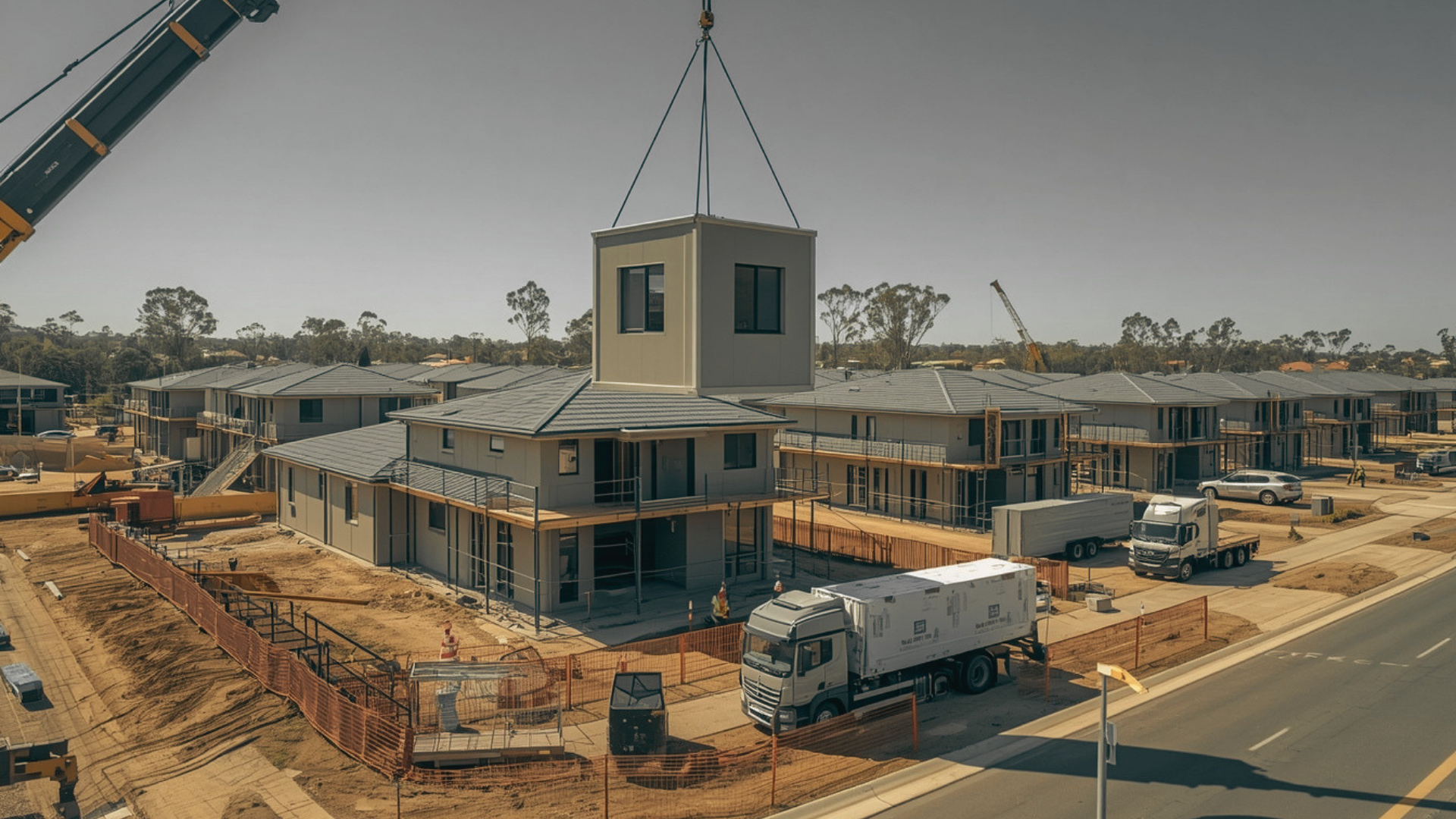
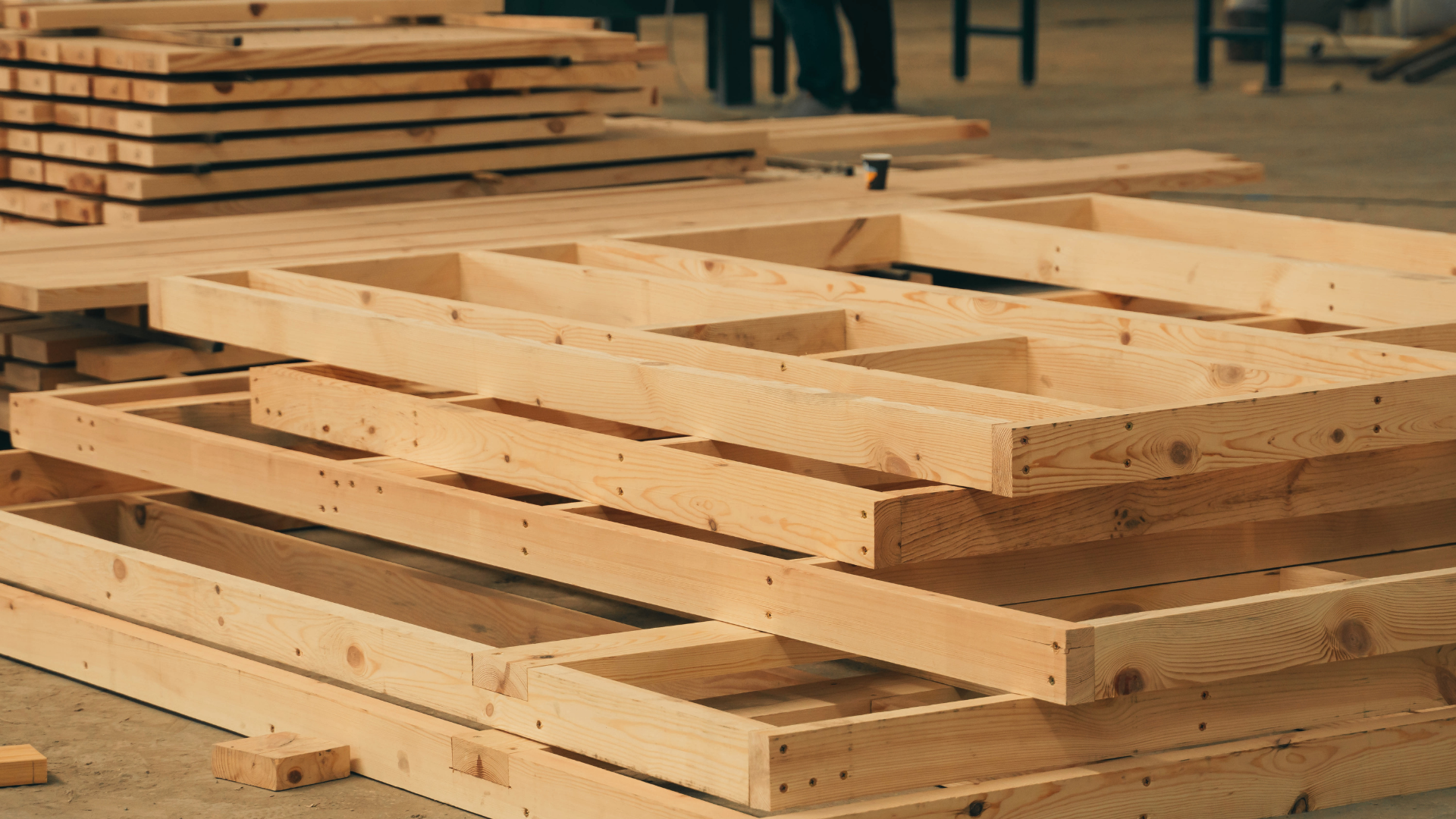
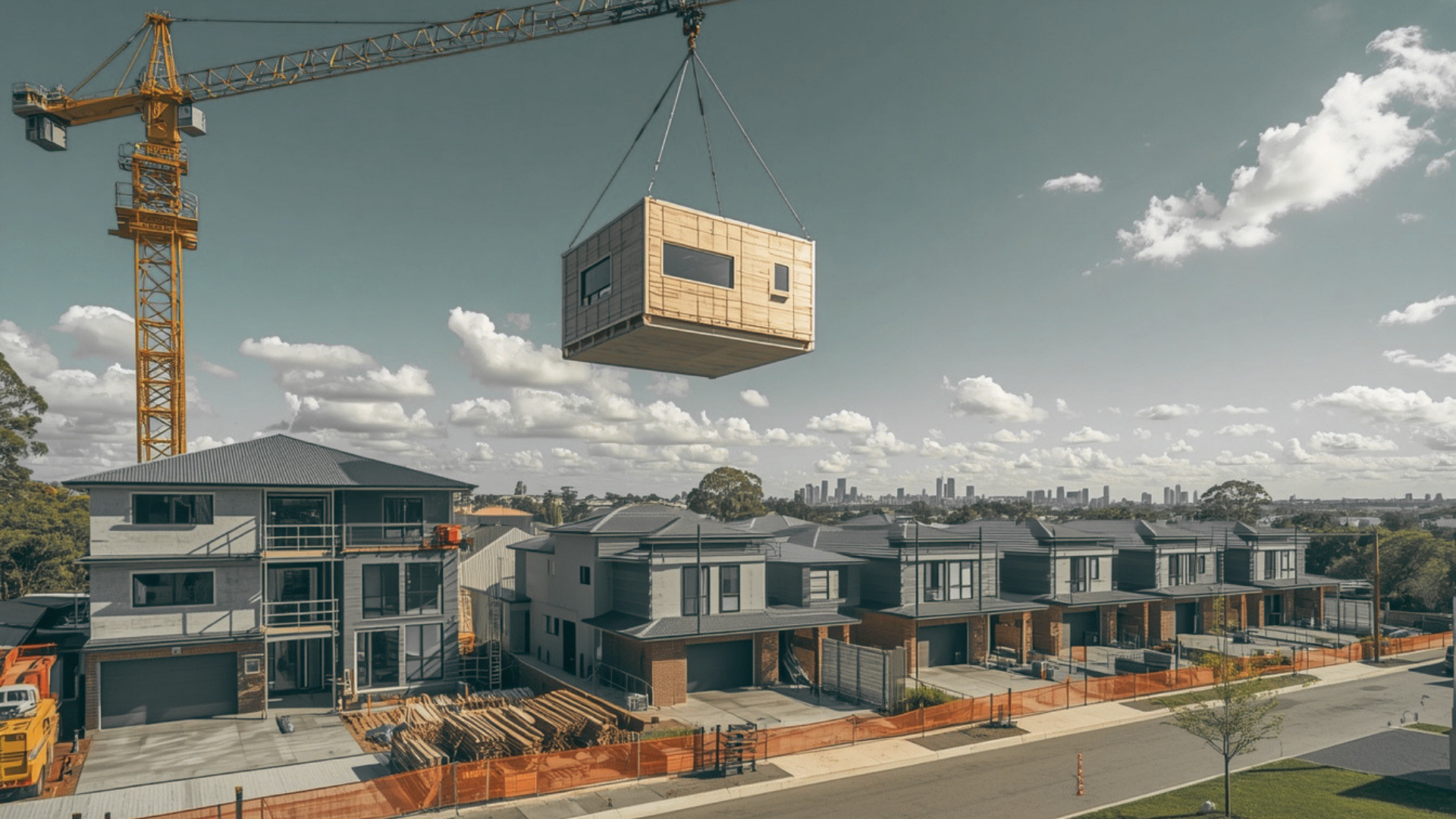
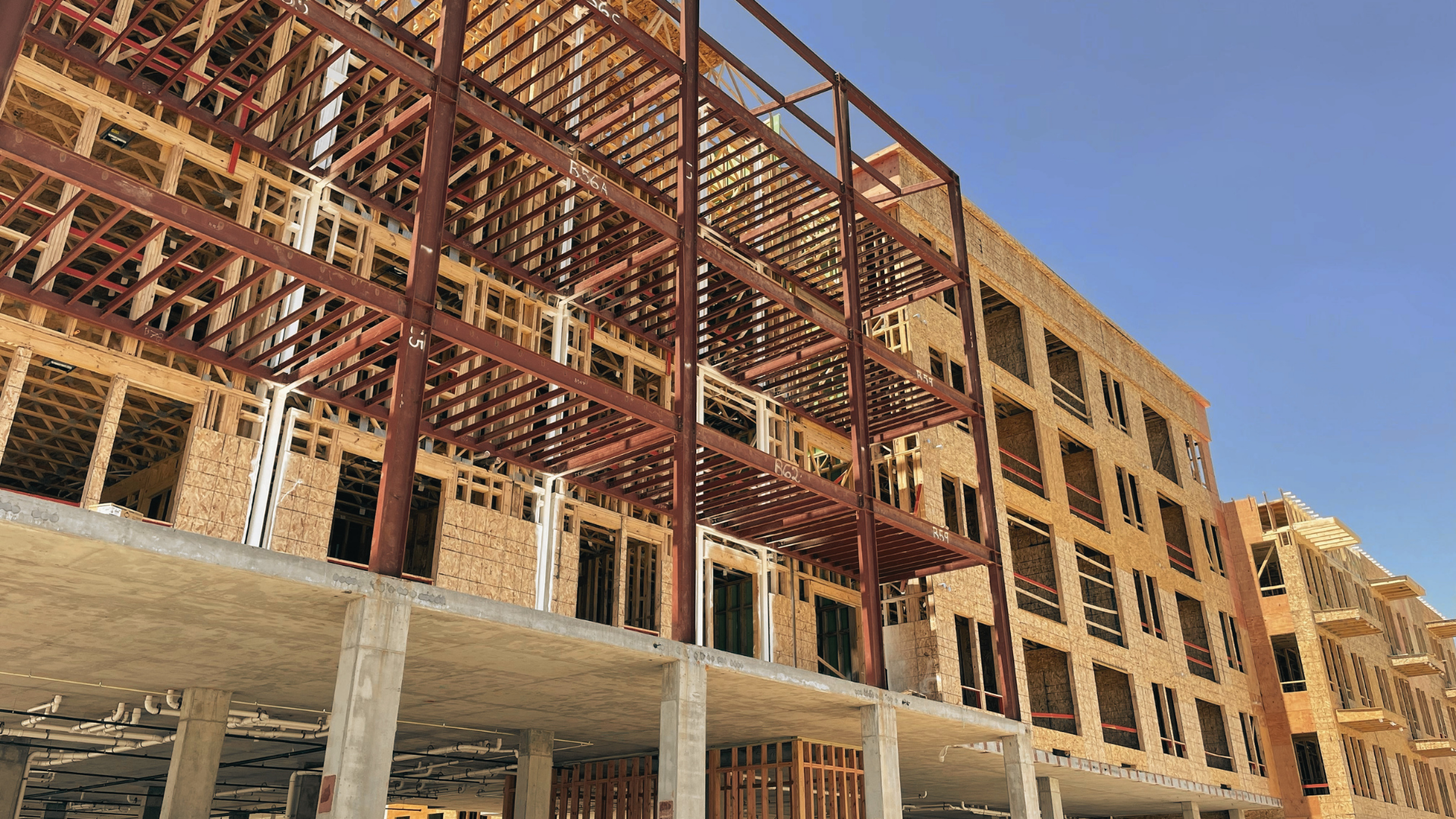
The dominant housing story of the week was the NSW Government's move to partner with industry on off-site manufacturing. ABC News reported that the state would open a two-stage tender for a Modern Methods of Construction Innovation Facility, at which prefabricated modules and components would be produced in a dedicated plant before being transported to developments across the state [5]. Premier Chris Minns said in a statement that "The way we build homes has barely changed for generations," and that "the housing pressures facing NSW demand new thinking, new technology and new solutions." Planning Minister Paul Scully told the ABC the method could deliver "savings of up to 20 per cent in time, and 50 per cent in cost when it comes to using modern methods of construction," and said the government's support "could be an equity position, it could be land, it could be training." Scully said the facility would focus on components for medium-density housing aligned to the state's housing pattern book, and that he hoped to stand up more than one plant across NSW. No funding figure was attached at announcement, which preceded the budget.
The FY27 budget, handed down on 23 June 2026, carried a set of housing measures reported by realestate.com.au [10]. An initial $31.1 million was committed to begin Bays West, a new inner-city precinct planned for up to 8,500 homes and to establish a Bays West Delivery Authority within the Department of Planning, Housing and Infrastructure. A further $5.2 billion was directed to four water-infrastructure projects intended to unlock housing across Western Sydney, including the Aerotropolis and the Bradfield city centre. The budget also funded an expression of interest for a Modern Methods of Construction facility together with a regulatory framework for prefabricated and off-site building, and added $80 million to the $1 billion Pre-Sale Finance Guarantee. Under the revised settings, the guarantee can cover the full value of an affordable-housing scheme worth up to $30 million where a not-for-profit community housing provider is delivering it, and up to 75 per cent of homes raised from 50 per cent in smaller market projects of fewer than 20 dwellings valued up to $30 million.
At the individual-project level, The Urban Developer reported that the Department of Planning, Housing and Infrastructure had approved Stage 3 of a long-running industrial-to-residential redevelopment at Regents Park, roughly 22 kilometres west of the Sydney CBD [9]. Granted on 15 June 2026 to a Raad Holdings entity, the $57 million consent clears Building C, designed by Smith & Tzannes and rising in sections of nine, 10 and 12 storeys — plus a central public open space, adding 142 apartments and a 106-place childcare centre to a precinct ultimately planned for 558 apartments. Three of the project's four stages have now passed through the state planning system. The reporting noted that available planning material did not identify a construction start date and that the western-side final stage was still to be advanced.
Major Projects: the M6, Bankstown Hospital and a Builder Sold
Tunnelling on the M6 Stage 1 motorway in southern Sydney is set to restart more than two years after subsidence stopped the works, ABC News reported [3]. About 90 per cent of tunnelling on the $3.1 billion project — a four-kilometre twin-tunnel link between Arncliffe and Kogarah had been completed when two subsidence events in early 2024 placed a nearby building at risk and brought underground work to a halt in early 2025. The NSW Government and Transport for NSW reached an agreement with the M6 Stage 1 consortium, CGU, to finish the remaining 250 metres of main-tunnel excavation under the original design and construct contract, which Roads Minister Jenny Aitchison said carried no extra cost for taxpayers. Aitchison said CGU had "agreed not to pursue those claims for the two subsidence events that happened in 2024, and they'll work to rectify that area," with contested matters to run through the dispute-resolution process already provided for under the contract, in parallel with construction. She said the government was "not paying any more than that contract sum of $2.55 billion to complete the project"; an opening already deferred to 2028 awaits a fresh timeline.
Felix reported that demolition and dismantling had begun on the $2 billion new Bankstown Hospital, marking the start of major works on a project the NSW Government describes as the largest it has funded for a public hospital in the state [4]. Interior strip-out is under way ahead of structural removal, with demolition and remediation continuing through 2026. The new facility is to feature a 14-storey clinical building and a 10-storey car park, with an expanded emergency department, additional beds and treatment spaces, operating theatres, an intensive care unit, maternity and women's and children's services, mental health inpatient care, and cancer and aged-care services. Premier Chris Minns linked the spend to "the scale of growth in Western Sydney and the importance of delivering world-class health infrastructure," while Deputy Premier Prue Car said the hospital was "estimated to support approximately 3,600 direct jobs," with scope for further indirect employment over the build.
In industry news, The Urban Developer reported that Brookfield had agreed to sell the tier-one contractor Multiplex to Japan's Obayashi Corporation for $924 million (US$650 million), of which about $753 million is cash with an earn-out tied to future performance [1]. Obayashi – described as one of Japan's "Big Five" builders, with around 18,000 staff across 156 companies, the corporation would hold Multiplex as a subsidiary and flagged plans to grow it in markets including Australia, North America and South-East Asia. Multiplex, founded in Perth in 1962 and taken private by Brookfield after a spell on the ASX, employs about 2,500 people; recent work cited in the reporting includes the new Sydney Fish Market, as well as Western Sydney International Airport, and the two firms had earlier collaborated on the Sydney Olympic Stadium. Completion is expected by late September 2026.
Energy, the Grid and the Renewable Build-Out
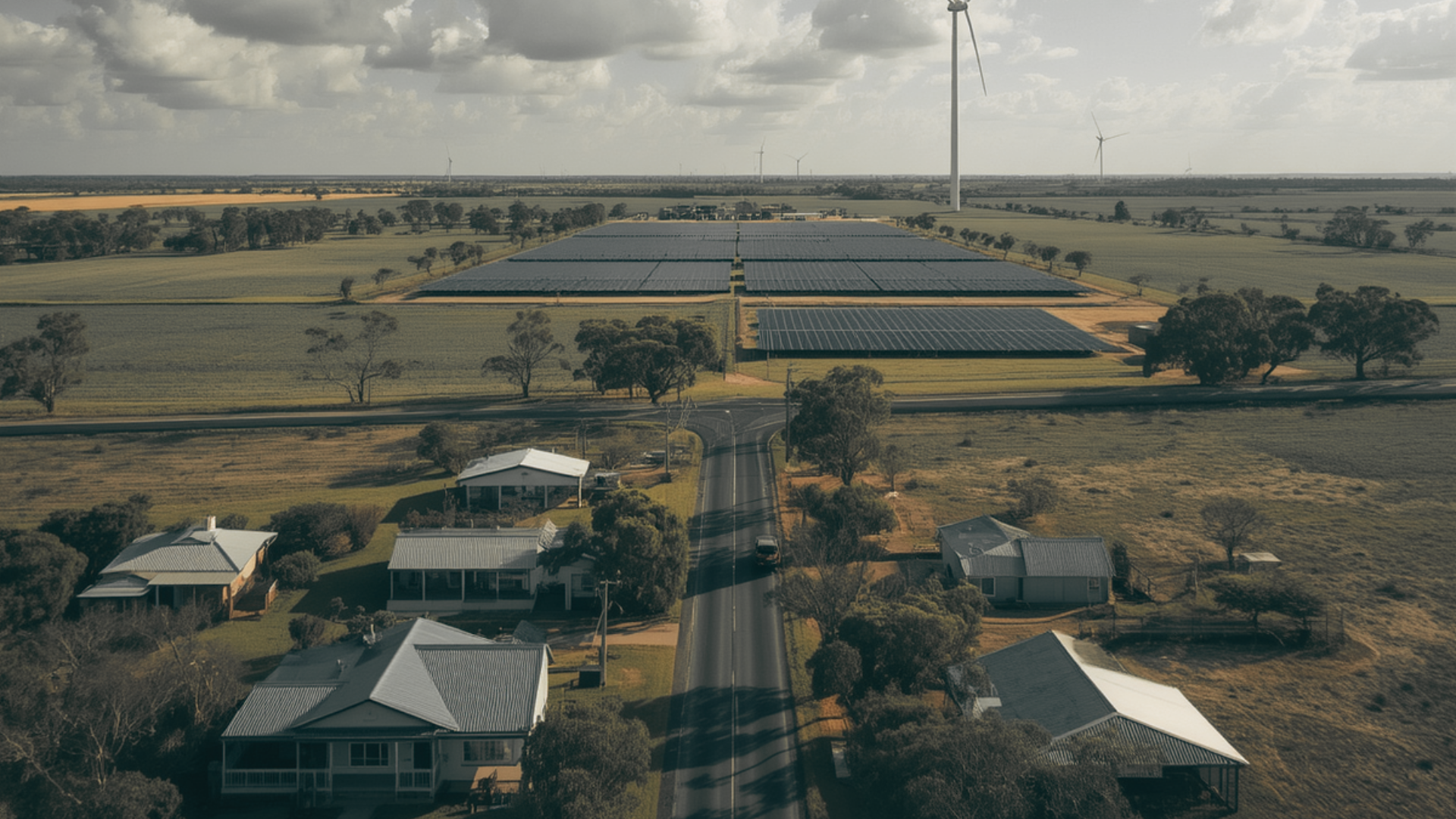
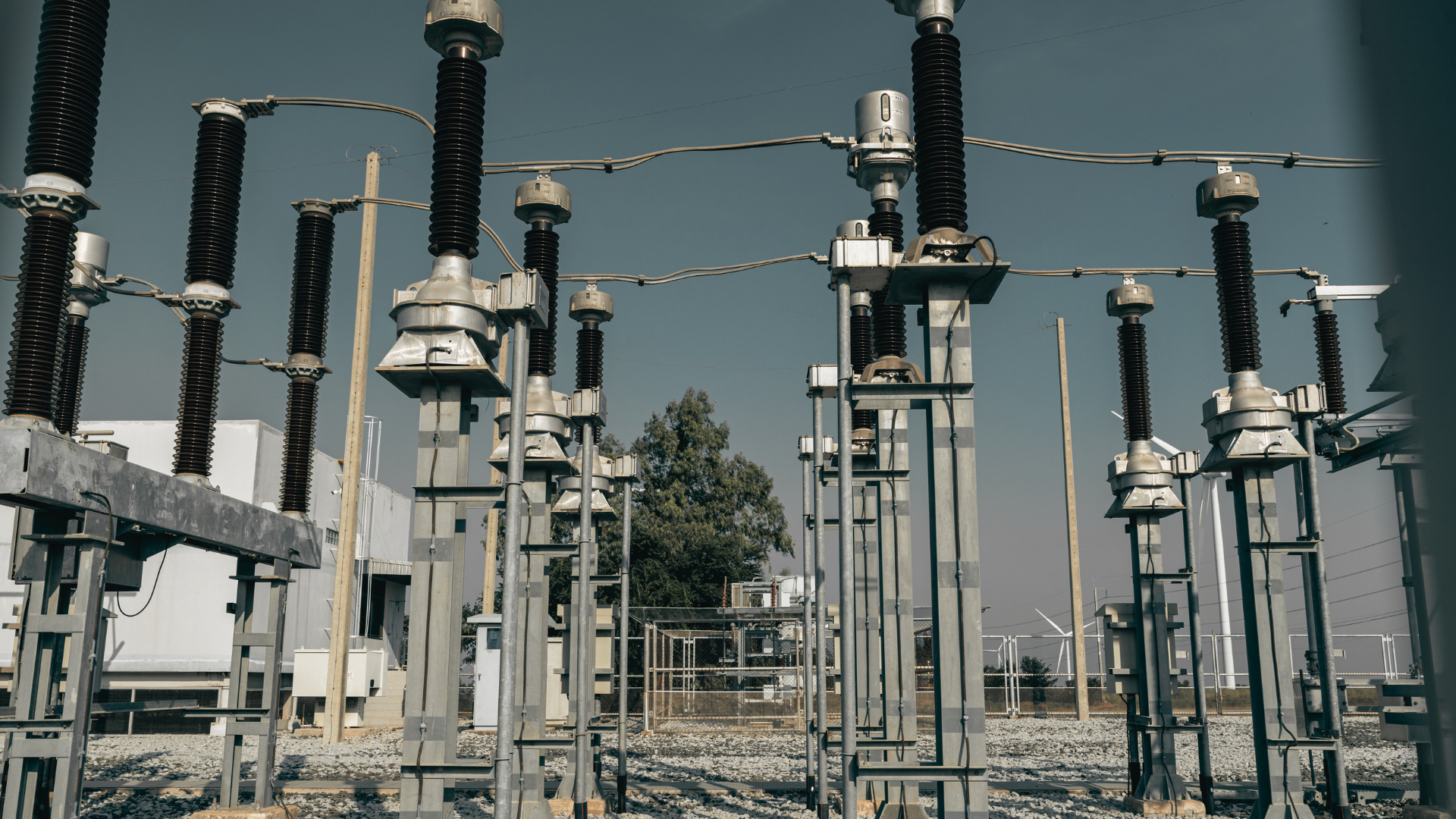
Network capacity framed the week's energy reporting. The Australian reported that Transgrid had written to data-centre operators warning that electricity supply at the heart of the investment boom was "largely exhausted," and encouraging developers to look to regional sites to relieve pressure on city grids [7]. In a letter dated 17 June, Jason Krstanoski, Transgrid's executive general manager for network, said the Western Sydney network faced mounting constraint, with little spare capacity past 2033, and that the company had recently signed connection agreements covering roughly 1.5 gigawatts of demand in the region. Transgrid said it was in advanced discussions over a further volume of data-centre load of about 8 gigawatts, close to the state's average daily electricity demand of between 7.5 and 10 gigawatts but that scope for additional large connections was limited until the timing of major new transmission became clearer. The report put about $100 billion of data-centre projects under consideration in NSW, noted that proponents would be expected to fund network augmentations upfront, and cited the Hunter and the Riverina, where transmission is being built or upgraded, as regional alternatives.
An interstate development the same week underlined the friction attending the renewable rollout more broadly. ABC News reported on Clean Energy Council analysis of the Victorian Coalition's proposed mandatory two-kilometre buffer between renewable-energy projects and dwellings, which the Council estimated would render about 70 per cent of Victorian land unviable for such projects [2]. Clean Energy Council chief executive Jackie Trad called the measure "a real knock to the industry" and said it placed about 26,000 jobs at stake, along with wages flowing to regional communities and some $19 million owed to local councils. The reporting traced the buffer concept to a 2014 Coalition policy and quoted shadow energy minister David Davis defending its return as a fair balance for regional communities affected by the rollout, including in Victoria's west around the VNI West transmission project; renewable-energy specialists interviewed by the ABC held differing views on the likely impact while stressing the need to replace ageing coal generation.
Safety, Licensing and Regulator Action
Several strands of regulator activity ran through the week's NSW reporting. The Mandarin reported the appointment of the inaugural SafeWork NSW Advisory Council, chaired by Emeritus Professor Michael Quinlan [8]. Its 12 members which were appointed by the minister to three-year terms, speak for employers, workers, safety specialists and families bereaved by a workplace death, and the appointments advance SafeWork's transition toward operating as a standalone regulator, in line with amendments to the Work Health and Safety Act 2011 made the previous year. Quinlan said the council was "dedicated to improving safety outcomes for workplaces and families in NSW."
SafeWork NSW separately reported the results of a targeted compliance operation in the Wilton and Wollondilly area, where inspectors attended 20 construction sites spanning residential, commercial, civil and infrastructure work on 11 June 2026 [11]. The visits produced 14 notices, comprising nine improvement and five prohibition notices, alongside 40 verification checklists addressing falls from height, mobile plant and psychosocial risk. The operation followed a Builders Breakfast and Toolbox Talk attended by around 80 industry participants and by Sophie Cotsis, the Minister for Work Health and Safety, at which inspectors set out the regulator's 2025-26 priorities, including falls from height, injuries from mobile plant and vehicles, psychosocial hazards, and exposure to hazardous substances such as silica and asbestos. SafeWork said the construction sector had reported more than 2,229 workplace incidents, including 13 fatalities, over the previous 12 months, and directed eligible attendees to a $1,000 small-business safety rebate.
On licensing, the Daily Liberal reported that an unlicensed tradie had been convicted and fined a total of $62,500 in their absence at Dubbo Local Court for carrying out and arranging building work while unlicensed and uninsured [6]. Between March 2023 and January 2024 the tradie had performed roughly $178,000 of work at a Dubbo home including a driveway, pool surrounds, fencing and a rebuilt deck, and had engaged a plumber for further work, without holding the necessary licences or insurance. Building Commission NSW laid five charges after the homeowner reported the tradie for abandoning the job in a defective state, and the reporting noted the Commission had since received three further complaints about their company. The fines were set at $15,000, $7,500, $15,000, $10,000 and $15,000 across the charges.
The Advertiser reported that the NSW Environment Protection Authority had opened an investigation into the Webuild-led Future Generation joint venture building Snowy 2.0, after The Australian put to the regulator allegations that sewage-contaminated water from the Marica workers' camp had been hosed away rather than cleaned up during two incidents in March and April 2026 [12]. The volume is disputed: Snowy Hydro's incident report put the March spill at about 500 litres, with less in April, while sources cited in the reporting said it was far larger, and the EPA had not previously been notified. A Snowy Hydro spokesman said "Unplanned spills of any kind are unacceptable," but that "the nature and volumes were below the EPA's notification thresholds for the project." Professionals Australia NSW state director Justine McCarthy, whose union represents white-collar workers on the project, told The Advertiser there was "a culture of cover-up" and of "downplaying or diminishing safety and environmental incidents," and said workers feared retribution for speaking up. The reporting noted that NSW National Parks and Wildlife, the agency responsible for the surrounding reserve, had also not been told.
Final Thoughts
The supply-side response reported this week was concentrated on industrialised construction and on planning and finance levers rather than on conventional delivery alone. The modular-facility tender [5], the budget's Modern Methods of Construction framework and the expanded Pre-Sale Finance Guarantee [10], and the staged Regents Park approval [9] were each reported as ways to move more housing through the system faster. Major-project delivery continued under conventional contracting in parallel — the M6 resuming under its original design and construct contract [3] and the Bankstown Hospital reaching its demolition phase [4] even as ownership of one of the country's largest builders shifted offshore with the sale of Multiplex to Obayashi [1].
On energy and regulation, the constraint reported across the week was less about generation than about network capacity and policy friction: Transgrid framed Western Sydney's transmission limits and a regional pivot for data-centre load [7], while interstate analysis framed a buffer-zone setback as a brake on land available for renewables [2]. Running alongside, a concentration of regulator activity with the new SafeWork Advisory Council [8], the Wilton site inspections [11], a $62,500 licensing penalty [6] and the EPA's Snowy 2.0 investigation [12] placing workplace safety, contractor licensing and environmental compliance under scrutiny in the same week.
-
The Urban Developer | by Patrick Lau (17 June 2026). Brookfield Sells Multiplex for $924m to Japan's Expanding Obayashi. https://www.theurbandeveloper.com/articles/brookfield-sells-multiplex-for-aud924m-to-expanding-obayashi
-
ABC News (18 June 2026). Report claims Coalition's renewable 'buffer zone' puts projects at risk. https://www.abc.net.au/news/2026-06-19/report-says-coalition-renewable-buffer-zone-risks-projects/106802794
-
ABC News (19 June 2026). Tunnelling for M6 motorway in Sydney's south to resume two years after sinkholes halted the project. https://www.abc.net.au/news/2026-06-19/nsw-government-strikes-deal-to-resume-m6-tunnelling/106817332
-
Felix | by Monica Gameng (19 June 2026). Major works begin on $2bn new Bankstown Hospital project. https://felix.net/project-news/major-works-begin-on-2bn-new-bankstown-hospital-project
-
ABC News | by Sean Tarek Goodwin (21 June 2026). NSW to set up modular housing factory to 'turbocharge' delivery of new homes. https://www.abc.net.au/news/2026-06-21/nsw-modular-homes-plan-to-turbocharge-housing-supply/106824550
-
Daily Liberal | by Allison Hore (21 June 2026). No-show tradie slapped with over $60,000 in fines for unlicensed work. https://www.dailyliberal.com.au/story/9284890/lachlan-barnett-unlicensed-tradie-fined-62500-by-court
-
The Australian | by Perry Williams (22 June 2026). Data centres face sold out signal from NSW grid operator Transgrid amid boom. https://www.theaustralian.com.au/business/data-centres-face-sold-out-signal-from-nsw-grid-operator-transgrid-amid-boom/news-story/7e37523447b67633b5e97b7313e67c62
-
The Mandarin | by Dan Holmes (22 June 2026). Inaugural SafeWork NSW Advisory Council appointed. https://www.themandarin.com.au/314997-inaugural-safework-nsw-advisory-council-appointed
-
The Urban Developer | by Vanessa Croll (22 June 2026). Western Sydney's $196m housing precinct clears next stage. https://www.theurbandeveloper.com/articles/raad-holdings-auburn-road-regent-park-rental-affordable-apartments-childcare-approved-stage-3
-
realestate.com.au | by Juliet Helmke (23 June 2026). NSW's budget measures tackle housing supply from multiple angles. https://www.realestate.com.au/news/nsws-budget-measures-tackle-housing-supply-from-multiple-angles
-
SafeWork NSW (23 June 2026). SafeWork NSW conducts proactive construction site visits following Builders Breakfast and Toolbox Talk at Wilton. https://www.safework.nsw.gov.au/news/safework-media-releases/safework-nsw-conducts-proactive-construction-site-visits-following-builders-breakfast-and-toolbox-talk-at-wilton
-
The Advertiser | by Nick Evans and Perry Williams (24 June 2026). Regulators probe Snowy Hydro contractor over alleged sewage spill cover-up. https://www.adelaidenow.com.au/business/regulators-investigate-snowy-hydro-contractor-over-alleged-sewage-spill-coverup/news-story/5c9007dc8a427152ce1c707e664ffee7?btr=afdf28147afe55a716a204d8f0f0560a
The Pulse collates the latest news and opinions from third-party sources. Links, snippets or text are generated by an artificial intelligence engine. The Pulse aggregates news reports and does not claim to have copyright to the content. We have not fact-checked that content and cannot vouch for its accuracy or completeness. Nor do we endorse the opinions expressed by the authors or primary publishers. The content is provided as general information only and should not be relied on as a substitute for professional advice. You should contact the source to verify any factual content as well as taking specialist advice that takes your personal objectives and circumstances into account.
.png)
Kreisson
Produced by the team at Kreisson.
Browse Past Issues
.jpg)
Kreisson
We provide the construction industry with simple, easy to understand, solution-based legal advice.