Rectification Orders, Insurance Reform and a Modular Factory Tender: A Week of Enforcement and Investment in NSW Construction
This week's reporting frames builder accountability in NSW as running the full life of a building — licensing checks at the site gate, rectification orders after occupation, and the design of defects insurance in Parliament.
Building Commission NSW issued an updated building work rectification order requiring the developer to repair severe water ingress, mould and structural cracking at a 43-unit Tweed Heads complex less than three years after its occupation certificate issued, with design documentation due by August 2026 and physical works by December [9]; the same regulator's June inspection sweep through the Central West and Far West produced 14 fines worth $11,650 from 89 general inspections, led by unlicensed work and unlicensed contracting [8]. On the insurance side, the second hearing of a NSW bill amendment was reported to sharpen the statutory definition of defects and broaden what decennial liability insurance can respond to [4], and a tribunal ruling handed down on 29 June 2026 held that the method by which NSW home building compensation premiums are calculated should be made public, while icare's internal profit and cost information stays confidential [2].
The week's second thread was capital – who is funding NSW residential construction, and on what terms. The Australian reported that lenders are directly overseeing some projects of a large western Sydney developer carrying an estimated $3.1 billion in debt with 10,847 apartments in construction or at application stage [5]; the Procore/Property Council sentiment survey recorded NSW's index falling from 109 to 89 in a single quarter, the steepest drop of any state or territory, with debt finance availability flagged as a growing feasibility constraint [1]. Against that financing picture, the NSW Government opened a two-stage procurement for a large-scale modular manufacturing facility, offering direct funding, suitable land or a commitment to buy what the factory produces [6], a call the Property Council urged Hunter businesses to answer [3], while the Legislative Council's inquiry into data centres drew a submission arguing the sector's growth can be made compatible with the State's energy, water and community objectives if the right conditions are imposed [7].
Building Commission NSW: Tweed Heads Rectification Order and a Central West Compliance Blitz
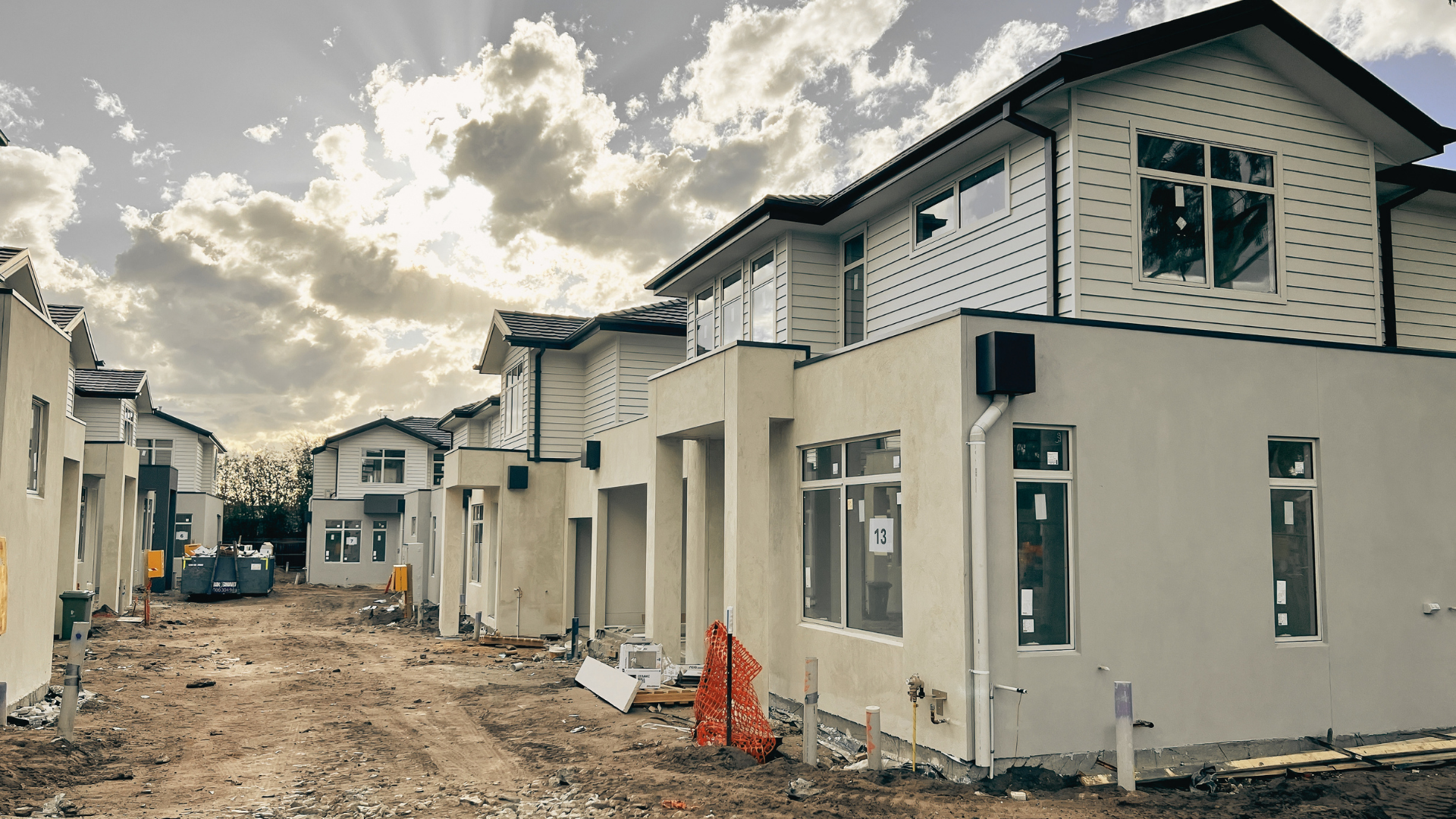
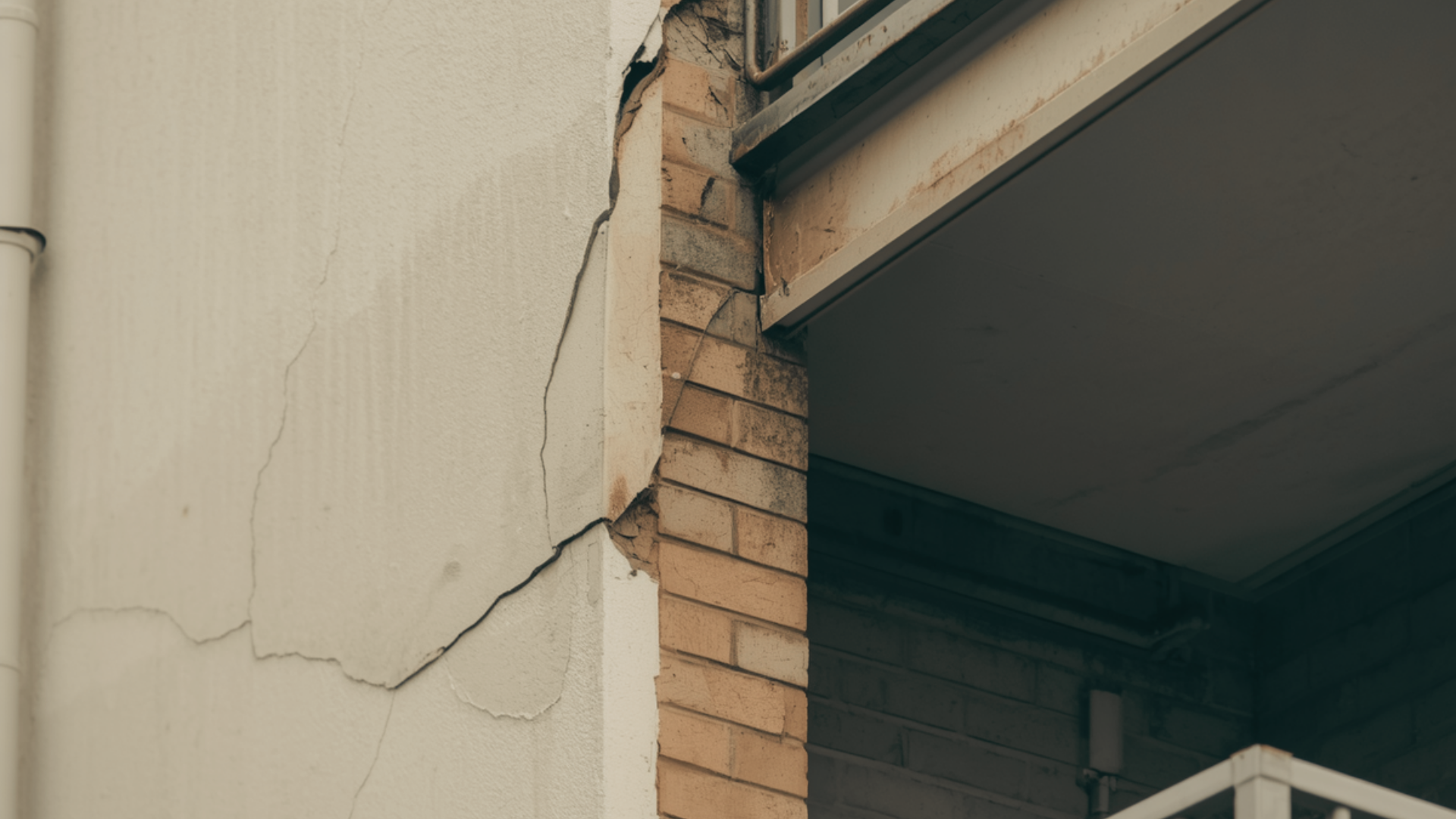
The Courier Mail reported that Building Commission NSW has issued a developer, with an updated building work rectification order over a nine-storey, 43-unit apartment complex at 79-81 Wharf Street, Tweed Heads, where residents were reported to be dealing with conditions the order describes as "unhabitable", extensive mould and structural cracking — in a building that received its occupation certificate a little over two years before State inspectors first examined it in December 2025 [9]. According to the reporting, water penetration and the mould that followed had left three apartments unfit to occupy, a concrete awning showed a crack running the full depth of its slab, and leaks in the basement carpark were corroding metal ducts in a way that could bear on the structural integrity of the building over the long term [9]. Jason Li, acting director of Building Compliance, said the defects exposed occupants to an unacceptable level of risk [9].
The order's history was contested. The developer received its first rectification order in June; the Commission later modified that order by extending the developer's time and narrowing the required scope after the developer produced an invoice demonstrating that contractors had previously examined the carpark's ventilation and leaks [9]. The Courier Mail reported that the developer disputed some earlier findings and asked for additional time to evaluate the remaining defects and settle its remediation methodology; The developer did not respond to a request for comment but has engaged with the rectification process [9]. Under the order, architectural and engineering designs for the repair work are due by August 2026, the physical works must be complete by December, and missing the deadline is a criminal offence that may attract significant penalties [9].
In the same week, the Blayney Chronicle reported the results of Building Commission NSW's June sweep through the Central West and Far West, where inspectors visited sites around Orange, Bathurst, Forbes, Parkes, Dubbo, Narromine, Gilgandra and Mudgee between 22 and 25 June [8]. Of 89 general inspections, 14 produced fines totalling $11,650 with unlicensed work, unlicensed contracting and missing builders signage the most common grounds alongside 13 cautions [8]. Ten building-standard inspections identified 17 instances of non-compliance, among them frame and brick overhangs beyond allowable tolerances, structural steel that had not been correctly primed, and waterproofing applied at inconsistent thickness, while none of the 38 electrical inspections attracted a notice [8]. A Building Commission NSW spokesperson said "Hiring tradespeople with the correct licences is essential to ensuring quality work, protecting customers and maintaining safety and standards across the industry", and confirmed the regulator would return to the region for further inspections before the end of the year [8].
Builder Insurance: Decennial Liability Reform and HBCF Premium Transparency
The Urban Developer reported that rule changes progressing in two states would alter how developers approach insurance for building defects [4]. In New South Wales, a bill amendment at its second hearing late in June was reported to give defects a more precise definition and to widen the coverage available under decennial liability insurance, the product also marketed as latent defects insurance [4]. In Victoria, the Lower House earlier in June approved the Building Legislation and Treasury Legislation (Tax Relief) Amendment Bill 2026, which establishes a decennial liability scheme for residential apartment buildings as an alternative sitting alongside developer bonds, in contrast with the existing strata bond arrangements [4].
Insurance Business reported a tribunal ruling, handed down on 29 June 2026, on access to documents concerning the home building compensation scheme in NSW, a cover that builders performing residential work are required to hold, that touches roughly 20,000 households each year, and that is capped at $340,000 for each dwelling [2]. Maurice Blackburn had applied to the State Insurance Regulatory Authority on 29 April 2025 for documents about the scheme; SIRA released some material but withheld 45 documents in full and two in part, relying on the confidentiality of the information, the risk to the performance of its functions, and the secrecy provision in section 121A of the Home Building Act 1989 (NSW), which restricts the sharing of "protected information" about an insurer's business [2]. The reporting noted that only one insurer, SI Corp, is licensed to write the cover provided by icare under the icare HBCF brand — a position the Tribunal described as a monopoly, notwithstanding that the scheme was characterised by SIRA's witness as "contestable by design" [2].
The Tribunal drew a distinction: the methodology behind premium calculation should be released, a consideration it gave "preponderant weight" against a backdrop of sustained public concern over premium levels under a monopoly while icare's internal profits, specific costs and business planning should remain confidential [2]. With no rival insurer presently in the market, the arguments grounded in competitive neutrality and business interests carried only moderate weight, although the Senior Member observed that the premium-calculation material would have attracted greater protection had competition existed [2]. Rather than ordering release of the documents, the Tribunal sent the decision back to SIRA for reconsideration in line with its reasons, with a directions hearing listed for 7 July 2026 [2].
Developer Finance and a Sentiment Slide
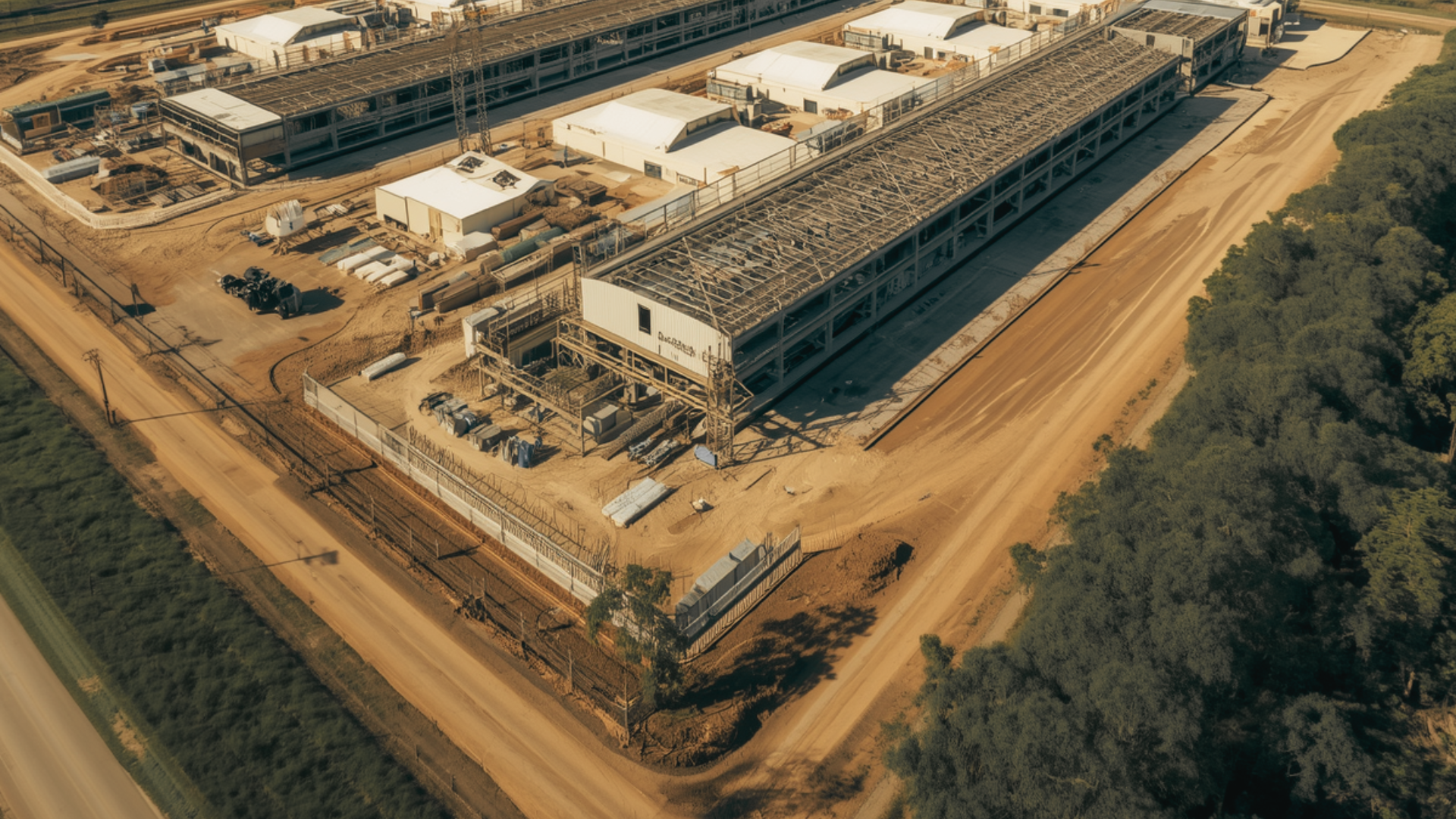
The Australian reported that one of NSW's largest housing developers has ceded some of its apartment projects to building crews appointed by its lenders, with multiple financiers confirming to the newspaper that they are actively overseeing projects amid signs of financial stress [5]. The reporting put the developer's book at 10,847 apartments plus hundreds of houses either in construction or at application stage, against an estimated $3.1 billion in debt, and described lender discussions aimed at heading off a scenario in which receivers could be appointed [5]. A company spokesman said the developer remained "in control" of its projects but had shifted to a "lender direct payment model", describing the change as "an efficiency gain strategy to reduce administration time and cost" [5].
Site-level observations in the reporting included a skeleton crew pouring concrete at the 317-apartment Pemulwuy project lodged in 2016, approved in 2018 and still incomplete with sources naming Singapore lender PAG as funding its completion while documents disclose mortgages to a British Virgin Islands-registered lender and four further lenders [5]; fit-out work by a handful of trades at two Marsden Park projects totalling 313 apartments [5]; and no visible activity at a 68-apartment Castle Hill site due for completion in 2027 [5]. The Australian reported that a Sydney lender exited its near-decade relationship with the group last year, its close to $670 million exposure taken up by smaller private credit lenders, that the group's most recent accounts show almost $3.1 billion in liabilities against $3.68 billion in assets, and that more than 30 lenders sit across the projects [5]. Building Commission NSW said it was continuing to monitor the group and its associated entities closely so that their projects met high standards, while the company denied having received orders on any project completed in at least the last eight years; the newspaper made clear it was not saying the group will collapse, only that a number of its lenders are alive to the risk should its financial position fail to improve [5].
Australian Broker reported that the Procore/Property Council Industry Sentiment Survey recorded in NSW the sharpest quarterly confidence decline of any state or territory, the index falling from 109 to 89 in the June quarter which is below both the neutral 100 mark and the national reading of 92 [1]. Property Council NSW executive director Katie Stevenson said "NSW confidence has moved from positive territory to below neutral in a single quarter", with fieldwork conducted over 1–17 June, prior to the NSW budget, in a period of heightened rate expectations and tighter financing conditions [1]. Stevenson located the problem in feasibility rather than demand, saying "Demand is still there, but the conditions required to turn that demand into delivery remain under pressure" with respondents flagging the availability of debt finance as a growing constraint on projects, and said of the Development Coordination Authority that commenced on 1 July: "Streamlining coordination is a positive step, but unless cost pressures and financing constraints are also addressed, it won't be enough on its own to shift sentiment in the near term" [1].
Modular Manufacturing Tender and the Data Centre Inquiry
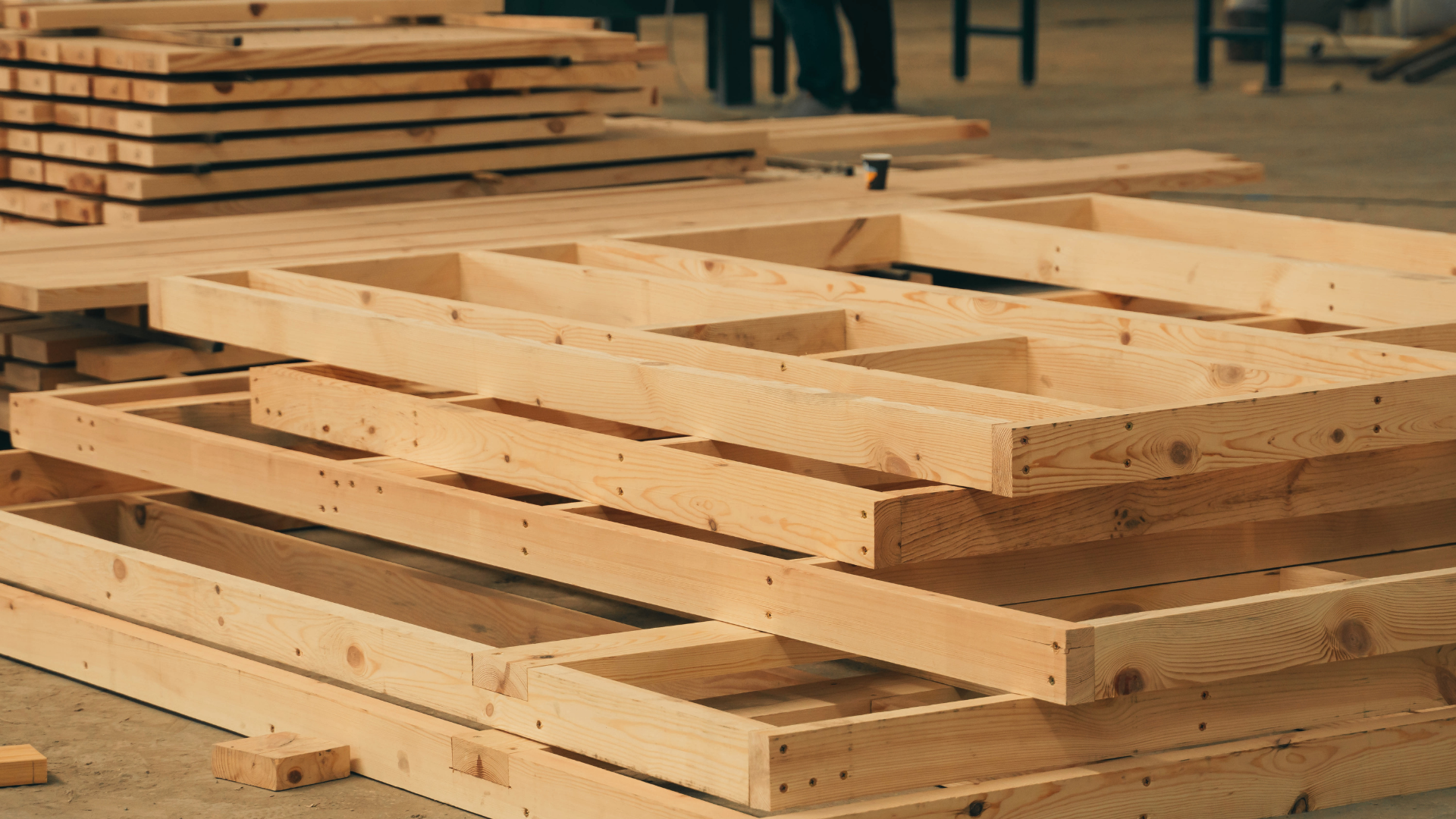
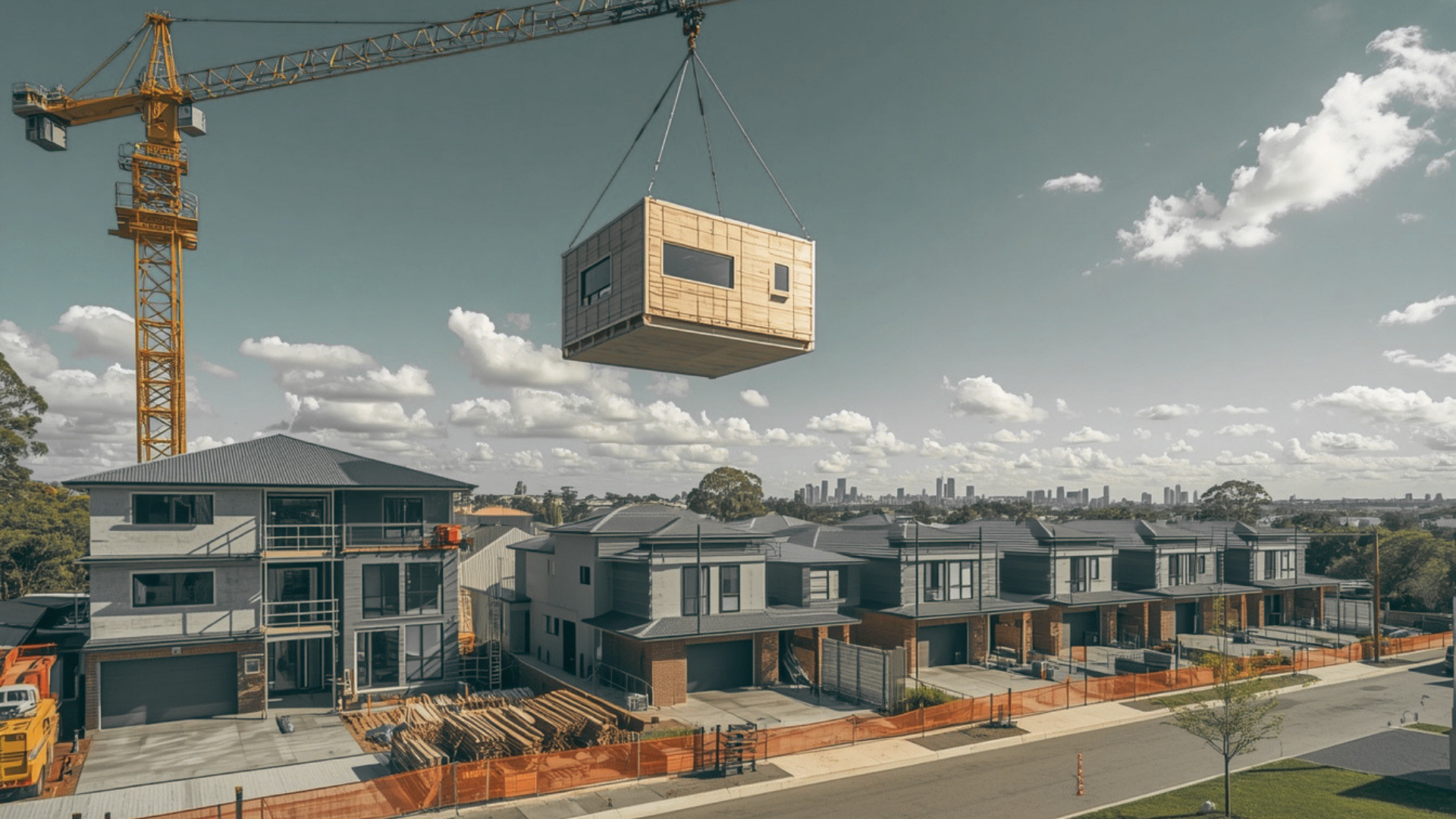
The Good Builder reported that the Minns Government released an Expression of Interest on 2 July under the Modern Methods of Construction Industry Expansion Program, inviting domestic and international operators to set up, or scale up, a NSW facility producing prefabricated building components or modular housing at volume, focused on higher-density product including designs from the government's mid-rise pattern book [6]. The EOI closes at 9.00am on Monday 3 August 2026 and forms the opening stage of a two-part procurement; a Request for Proposal round follows later in 2026 [6]. According to the reporting, the government has indicated it may back a facility with direct funding, with suitable land, or by committing to purchase the factory's output, housing and other public buildings among it, and will assess proposals on commercial readiness, demonstrated capability and the capacity to deliver at scale [6].
The Good Builder placed the tender within a wider program: close to $4 million in grant funding to commercialise new technologies and bring additional manufacturers into the market, investment in a certification regime and regulatory framework purpose-built for modular construction, and the folding of prefabricated buildings into planning approval processes under the State's incoming building-approvals legislation [6]. The publication cited the Commonwealth Productivity Commission's estimate that modular and prefabricated methods can trim overall costs by as much as 20 per cent and build as much as 50 per cent faster than conventional methods, the figures it noted depend on repetition and volume, and observed that prefabrication currently represents only around 5 per cent of all building activity in Australia [6].
Newcastle Weekly reported the Property Council urging Hunter businesses to position themselves for the program, with Hunter and Central Coast regional director Stephen Crowe saying "The Hunter has spent generations building the infrastructure, energy and materials that have powered the state's economy" and that modern construction offered a chance to apply that expertise to housing delivery [3]. Crowe pointed to the region's manufacturing base, its industrial land and logistics networks, and its skilled workforce, said the Port of Newcastle was positioned to play a significant part in supporting the sector's growth, and argued the method "can reduce construction timeframes, improve productivity and provide greater certainty around delivery, all of which are critical if we're going to meet long-term housing targets" [3].
Alongside the housing-factory push, policy organisation Good Ancestors published its submission to the NSW Legislative Council Public Accountability and Works Committee inquiry into data centres, which is examining energy and water consumption, environmental impacts, governance and economic outcomes [7]. The submission stated that United States technology companies are investing more than USD$650 billion into AI infrastructure across 2026, and that Australia ranked second in the world as a destination for data-centre investment during 2024, with NSW a primary destination for that capital [7]. It argued the central question for the inquiry is what conditions would make data centre growth compatible with the State's objectives on energy, water and community outcomes — canvassing behind-the-meter supply and microgrids, requirements for grid-connected operators to fund upgrade costs and offset increases in consumer prices, closed-loop cooling conditions of the kind Microsoft has deployed in new facilities since August 2024 and Anthropic has committed to in Australia, and coverage of large-scale AI data centres under the Security of Critical Infrastructure Act 2018 [7].
Final Thoughts
Two patterns organise the week's coverage. The first concerns accountability: the developments reported of licensing enforcement in the Central West, a rectification order over a near-new building at Tweed Heads, the widening of decennial liability cover before the NSW Parliament, and the disclosure of HBCF premium methodology where each sat at a live procedural stage rather than a policy-announcement stage, with rectification designs due by August 2026 and works by December, a directions hearing listed for 7 July 2026, and a bill between hearings [2, 4, 8, 9]. The composition of that reporting was consistent with a defects-accountability framework operating across the whole life of a building, from the site gate to the decade after completion.
The second pattern is financial. The constraint reported across the week's market coverage was capital rather than demand: private credit terms for a large developer, and debt finance availability flagged in the Procore/Property Council survey as a growing brake on feasibility [1, 5]. The state-side activity reported in the same week addressed the same equation from the supply side: a procurement offering funding, land or a guaranteed buyer to a modular manufacturer, and an inquiry examining the conditions on which data centre investment proceeds in NSW [3, 6, 7]. The pattern of reporting was consistent with financing and delivery capacity, rather than approval pathways, carrying the week's attention.
-
Australian Broker | by Mina Martin (1 July 2026). NSW developer confidence craters as costs bite. https://www.brokernews.com.au/news/breaking-news/nsw-developer-confidence-craters-as-costs-bite-289604.aspx
-
Insurance Business | by Tez Romero (2 July 2026). Tribunal backs public access to NSW home building premium calculations. https://www.insurancebusinessmag.com/au/news/legal-insights/tribunal-backs-public-access-to-nsw-home-building-premium-calculations-581133.aspx
-
Newcastle Weekly | by Rod Thompson (2 July 2026). Call for Hunter firms to lead delivery of modular housing. https://newcastleweekly.com.au/call-for-hunter-firms-to-lead-delivery-of-modular-housing
-
The Urban Developer | by Clare Burnett (2 July 2026). States Progress LDI Shake-Up as Developer Insurance Landscape Reshapes. https://www.theurbandeveloper.com/articles/latent-defects-decennial-insurance-ldi-nsw-victoria-legislation-governments
-
The Australian | by David Ross (3 July 2026). Bathla Group financiers in control of some of its Sydney building sites amid $3.1bn debt bill. https://www.theaustralian.com.au/business/bathla-group-financiers-in-control-of-some-of-its-sydney-building-sites-amid-31bn-debt-bill/news-story/e5ae4d1a3c0bdc39f000d5e3bc97cd48
-
The Good Builder | by TGB Editorial (5 July 2026). NSW Puts the Call Out to the World's Modular Manufacturers. What Its Factory Tender Actually Offers.. https://thegoodbuilder.com.au/nsw-puts-the-call-out-to-the-worlds-modular-manufacturers-what-its-factory-tender-actually-offers
-
Good Ancestors (6 July 2026). NSW Inquiry into Data Centres. https://goodancestors.org.au/our-work/ai-safety/nsw-data-centre-inquiry
-
Blayney Chronicle | by Bradley Jurd (7 July 2026). Revealed: shoddy builders fined over $11k in region-wide site blitz. https://www.blayneychronicle.com.au/story/9305692/building-commission-hands-down-11650-in-fines-after-western-blitz
-
The Courier Mail | by Toni Moon (8 July 2026). Zinkohl Pty Ltd ordered to fix serious defects at 79-81 Wharf St Tweed Heads complex. https://www.couriermail.com.au/news/nsw/zinkohl-pty-ltd-ordered-to-fix-serious-defects-at-7981-wharf-st-tweed-heads-complex/news-story/74281c417023b61c57c6762a1e31w.couriermail.com.au/news/nsw/zinkohl-pty-ltd-ordered-to-fix-serious-defects-at-7981-wharf-st-tweed-heads-complex/news-story/74281c417023b61c57c6762a1e312996
The Pulse collates the latest news and opinions from third-party sources. Links, snippets or text are generated by an artificial intelligence engine. The Pulse aggregates news reports and does not claim to have copyright to the content. We have not fact-checked that content and cannot vouch for its accuracy or completeness. Nor do we endorse the opinions expressed by the authors or primary publishers. The content is provided as general information only and should not be relied on as a substitute for professional advice. You should contact the source to verify any factual content as well as taking specialist advice that takes your personal objectives and circumstances into account.
.png)
Kreisson
Produced by the team at Kreisson.
Browse Past Issues

Kreisson
We provide the construction industry with simple, easy to understand, solution-based legal advice.