PEPs, Prefab and a Power Plant Pulldown: NSW's Reform Stack Keeps Building
This edition of The Pulse covers a week in which the NSW Government introduced the Energy Legislation Amendment (Prioritising Renewable Energy) Bill 2026, established the Bays West Delivery Authority to deliver up to 8,500 homes on Sydney Harbour, and saw the first detailed industry analysis of how the Building (Approvals and Practitioners) Bill 2026 may affect insurance and liability for Modern Methods of Construction (MMC)
The Renewable Energy Bill would give the Energy Minister authority to designate qualifying transmission, renewable-generation and storage projects as Priority Energy Projects (PEPs), with consequential changes to the Electricity Supply Act 1995 and the Environmental Planning and Assessment Act 1979 designed to shorten the approval pathway [4].
During the same week, EnergyCo conceded that contractors had again entered private farmland in the New England Renewable Energy Zone without permission, community groups withdrew from the consultation process, and the Coalition indicated it would oppose the Bill in Parliament [10]. On 26 May 2026, AGL conducted a controlled blast that brought down the pair of 168-metre chimneys at the decommissioned Liddell Power Station near Muswellbrook; the company has said the site will host an industrial energy hub anchored by a 500 MW grid-scale battery [11].
The Minns Government established the Bays West Delivery Authority to lead delivery of up to 8,500 new homes, with a minimum 10 per cent allocation to affordable and essential worker housing, served by the Metro West line and described by the Government as the first major new suburb close to the Sydney CBD in decades [9]. The Department of Planning, Housing and Infrastructure is also publicly exhibiting a draft statewide Community Participation Plan that would consolidate the existing 120 council plans into a single regime, narrow the notice period for low and medium-density apartments to seven days, and dispense with notification altogether for 16 prescribed categories of residential development application [2]. Local Government NSW and a number of councils have publicly objected [2].
Lockton, in analysis published by Insurance Business Australia, said the Building (Approvals and Practitioners) Bill 2026 may have the effect of concentrating liability under Modern Methods of Construction (MMC) delivery models — pulling exposure towards factory fabricators, integrated design and digital practices, and developer-led vertically integrated structures, which characterised the line between professional-services exposure and product-liability exposure as becoming progressively less clear-cut [12].
The Bill repeals the Design and Building Practitioners Act 2020 and brings MMC inside the Home Building Act 1989 and the Environmental Planning and Assessment Act 1979 framework [12]. A $14.5 million 32-unit Clarence Village modular social housing project at South Grafton described in the announcement as Australia's largest modular social housing development secured a further $5 million in NSW Government funding [1].
Construction activity in Western Sydney also moved forward during the week. Mirvac and Australian Retirement Trust commenced construction at the $2 billion SEED industrial precinct in the Aerotropolis [14], the federal and NSW governments announced an $11 million joint investment in a new TAFE Construction Centre of Excellence at Kingswood [3], and Michael Crosby was appointed administrator of the CFMEU to commence the second phase of administration [6]. Money magazine reported that 53 per cent of NSW strata buildings have serious common-property defects, with mixed-use developments under building management statements identified by industry commentators as raising particular cost-allocation concerns [5].
NSW Priority Energy Project Bill, Liddell Demolition and EnergyCo Trespass
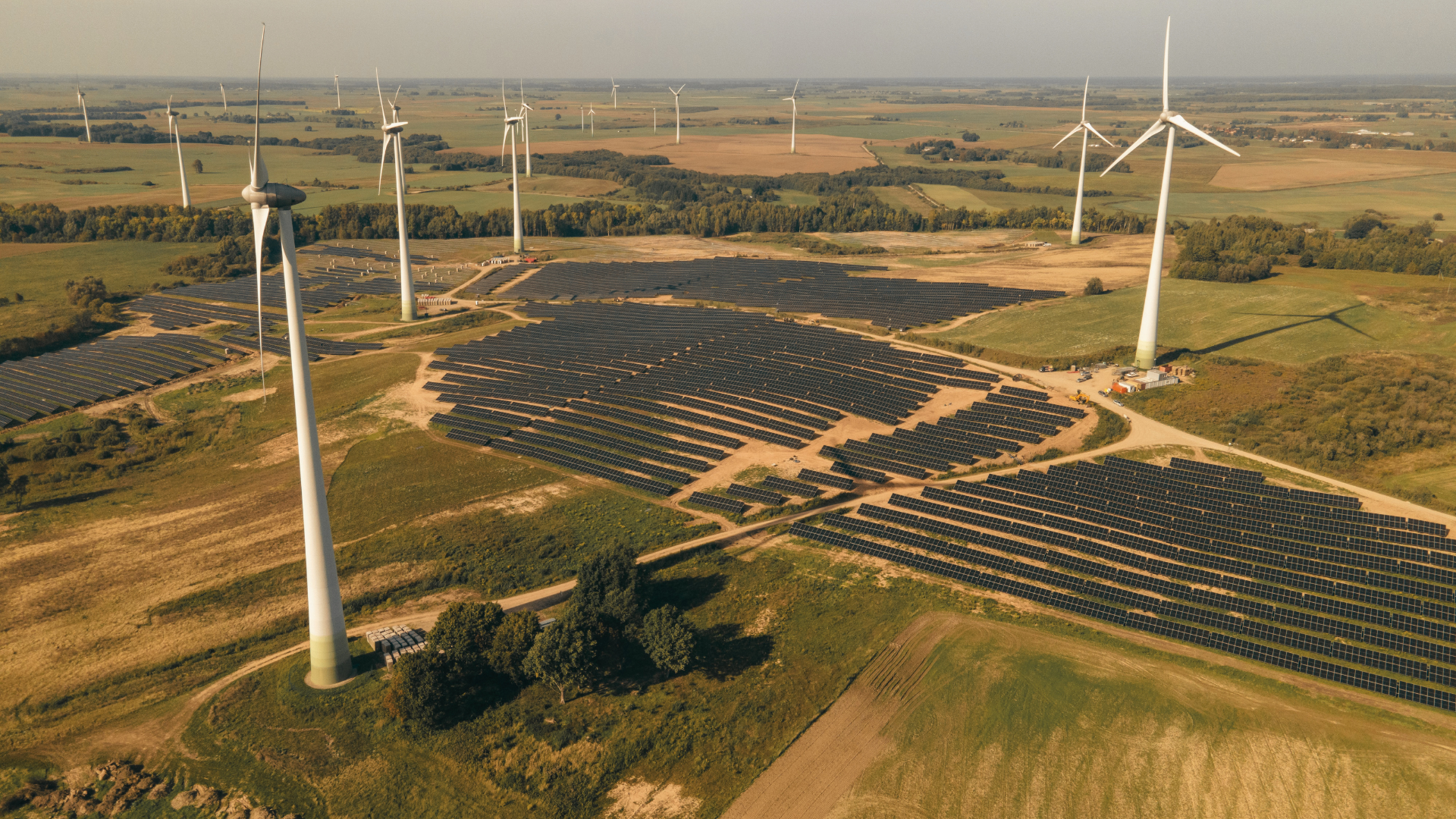
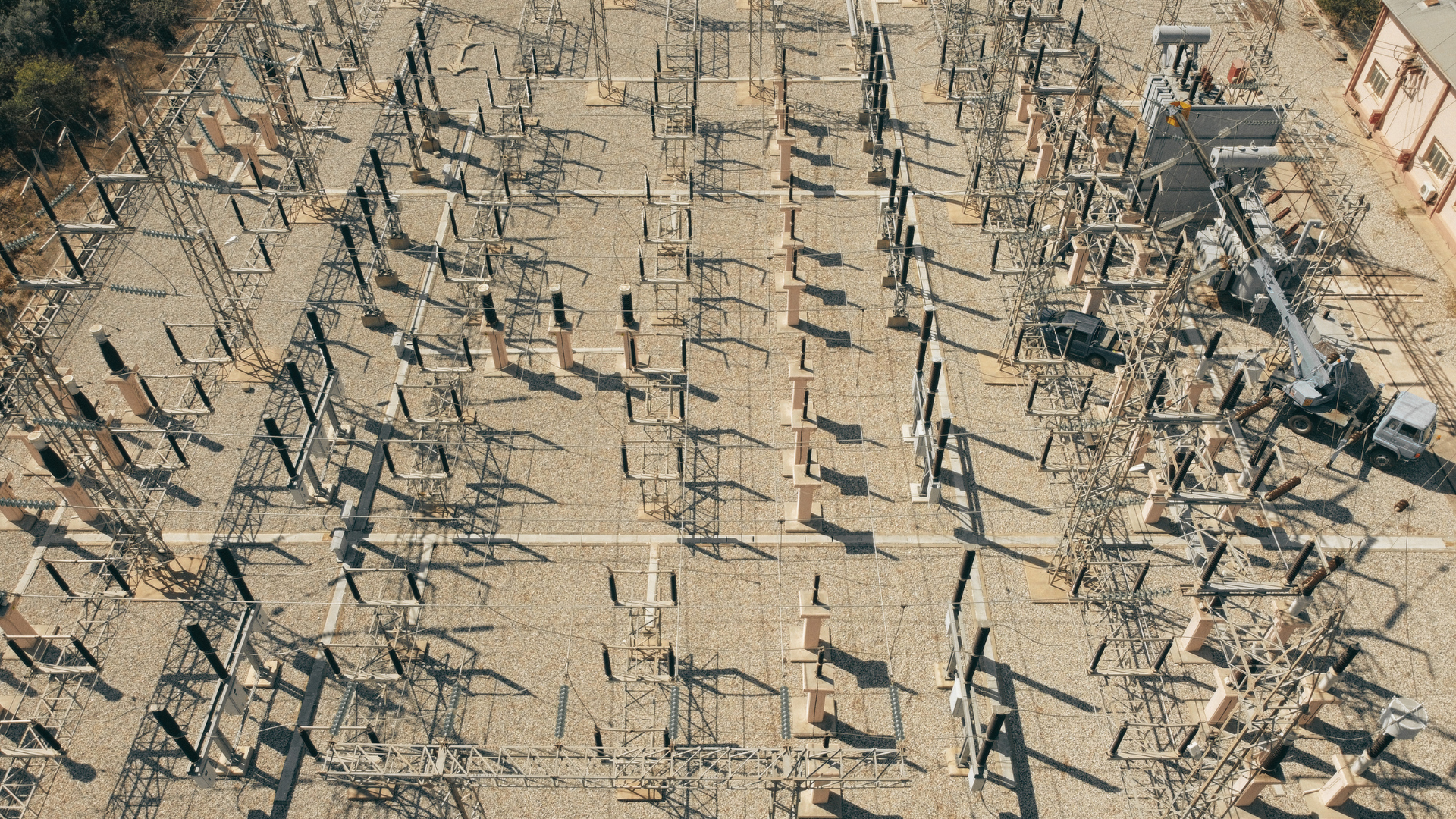
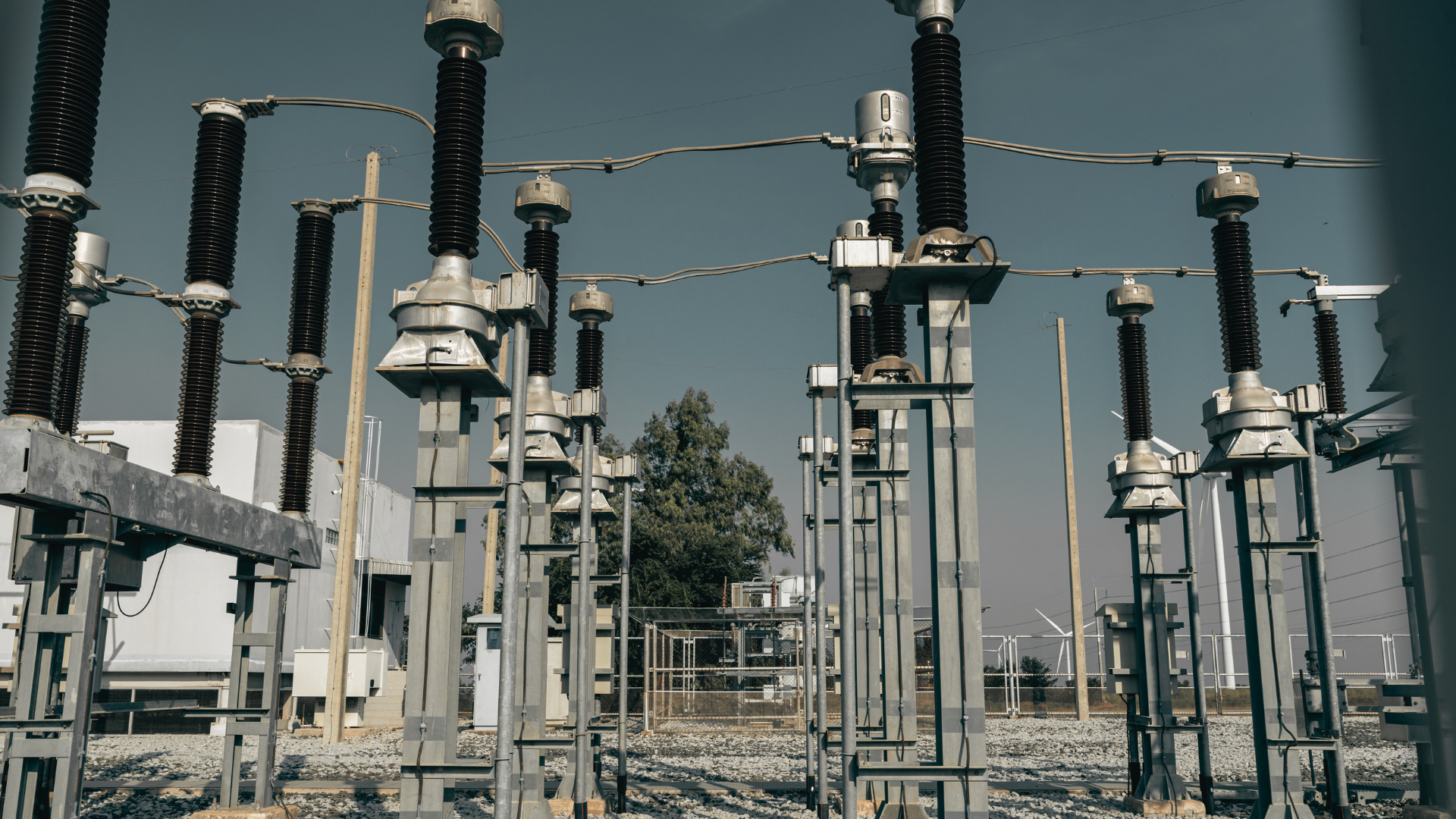
The NSW Government introduced the Energy Legislation Amendment (Prioritising Renewable Energy) Bill 2026 (referred to in this edition as the Renewable Energy Bill) during the week. The legislation is presented as a mechanism to clear bottlenecks in the delivery of renewable generation, transmission and storage assets [4]. It amends the Electricity Supply Act 1995 to give the Energy Minister, or a delegate, the power to designate qualifying projects as Priority Energy Projects (PEPs). The categories that may qualify are transmission and distribution assets, renewable generation, and storage or firming plant battery, gas-fired firming or pumped hydro. Firming generation drawing on coal or nuclear technology sits outside the scope [4].
Designation as a PEP triggers four downstream changes to the Environmental Planning and Assessment Act 1979 (EP&A Act). First, the Planning Minister gains the ability to classify a PEP as State Significant Development or State Significant Infrastructure on their own motion, bypassing the need to obtain and then publish IPC advice before doing so. Second, where the Planning Minister refers a PEP to the Independent Planning Commission (IPC) for a public hearing and the IPC then determines the application, the merit appeal right ordinarily available to proponents and objectors in the Land and Environment Court falls away. Third, the Energy Minister can recommend that a specific PEP be classed as State Significant Infrastructure. Fourth, the Planning Minister can issue directions affecting a PEP. The amendments also widen the Planning Minister's ability to direct, under the NSW Benefit Sharing Guidelines, the quantum of land, monetary contribution or other public benefit a developer must commit to in a planning agreement [4].
On the ground, NSW government statutory authority, EnergyCo admitted that its contractors had entered private farmland near Muswellbrook without permission while conducting investigations for the proposed 300-kilometre high-voltage transmission line between Muswellbrook and Walcha that will service the New England Renewable Energy Zone, with reporting describing it as the second incident raised publicly [10]. A group of community organisations, including the Upper Hunter Responsible Infrastructure Group and Walcha High Country Guardians, has suspended participation in the consultation process and has stated it will withdraw permanently unless the Premier intervenes [10]. The Coalition has indicated it will oppose the PEP Bill if a vote proceeds, with Liberal Energy Spokesman James Griffin describing it as "cutting corners on community consultation" [10].
AGL conducted a controlled blast on 26 May 2026 that brought down the pair of 168-metre chimneys at the decommissioned Liddell Power Station near Muswellbrook, ending 52 years on the Hunter Valley skyline [11]. Local authorities closed the New England Highway in the lead-up to the detonation. Liddell came online in 1971 and was decommissioned in April 2023; demolition of the broader site began in early 2024. AGL has indicated the site will be redeveloped as an industrial energy hub including a 500 MW grid-scale battery [11].
Bays West Delivery Authority and the Statewide Community Participation Plan
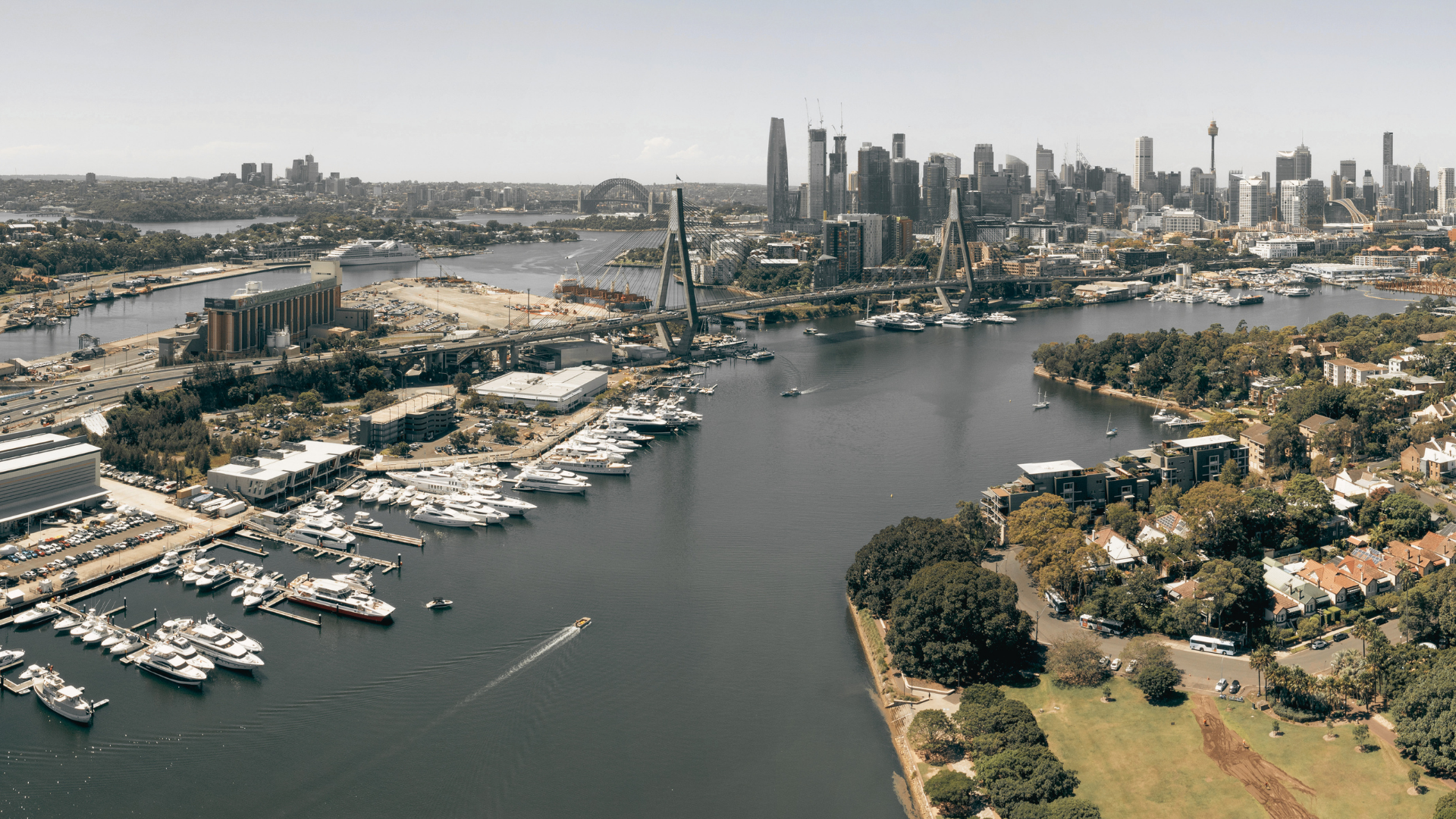
The Minns Government established the Bays West Delivery Authority during the week to lead delivery of up to 8,500 new homes at the Bays West precinct, with a minimum 10 per cent of the dwellings allocated to affordable and essential worker housing [9]. The Authority sits within the Department of Planning, Housing and Infrastructure and reports to the Minister for Lands and Property. The precinct, which takes in Glebe Island and the former White Bay Power Station site, will be served by a new Metro West station roughly five minutes from the Sydney CBD and two stops along the line from Hunter Street, restoring public access to the harbour foreshore for the first time in more than a century while preserving the area's deep-water working harbour function [9].
Lendlease has lodged a proposal for the redevelopment of part of the precinct, and that proposal has progressed to Stage 2 under the Government's unsolicited proposals process [9]. The Authority is preparing the early-works program and the opening rounds of an international design competition, run with Government Architect NSW. The competition will start with a global Expressions of Interest stage, move to an invitation-only stage assessed by a panel, and a winner will be selected by Cabinet [9]. Premier Chris Minns described the precinct as "a generational opportunity to build a new suburb on the city's edge" [9].
Separately, the Department of Planning, Housing and Infrastructure has placed a draft statewide Community Participation Plan (CPP) on public exhibition. The draft would supersede the 120 separate participation plans currently administered by individual councils, replacing them with a single statewide instrument [2]. Sixteen categories of residential DA would no longer require public exhibition or neighbour notification, including new one- and two-storey dwellings, dual occupancies, swimming pools, demolitions and attached dwellings, where the application complies with the relevant planning policies. Changes of use for commercial and industrial premises for instance, converting an office into a cafe would also drop out of the notification regime. Low- and medium-density apartments and housing above shops would be subject only to seven days' notice to adjoining occupiers before site works commenced [2]. State significant residential projects, defined as developments of more than 100 dwellings valued at $60 million or above, would still require public exhibition, but for a reduced 14-day period [2].
Reaction from local government has been critical. Northern Beaches Mayor Sue Heins said the seven-day notification period was inadequate on neighbouring properties through traffic generation, acoustic and social impacts [2]. Local Government NSW President and Inner West Mayor Darcy Byrne supported streamlining the process in principle,but drew a line between renovation works to an existing single home and the introduction of medium- or high-density apartment buildings [2]. Fairfield City Mayor Frank Carbone described the draft as "bad policy", warning that residents could find themselves first learning about a major neighbouring development when fencing goes up and excavation begins on site [2]. In a letter to the Department, Hornsby Shire Council's acting general manager, Glen Magus, cautioned that the draft CPP "could result in a perception that the proposed reform is aimed at dissuading community input rather than accelerating assessment times" [2]. Planning Minister Paul Scully has defended the draft as ending the confusion caused by the multiplicity of council-level participation plans in force [2].
Modular Construction, Liability Concentration and the Building (Approvals and Practitioners) Bill 2026
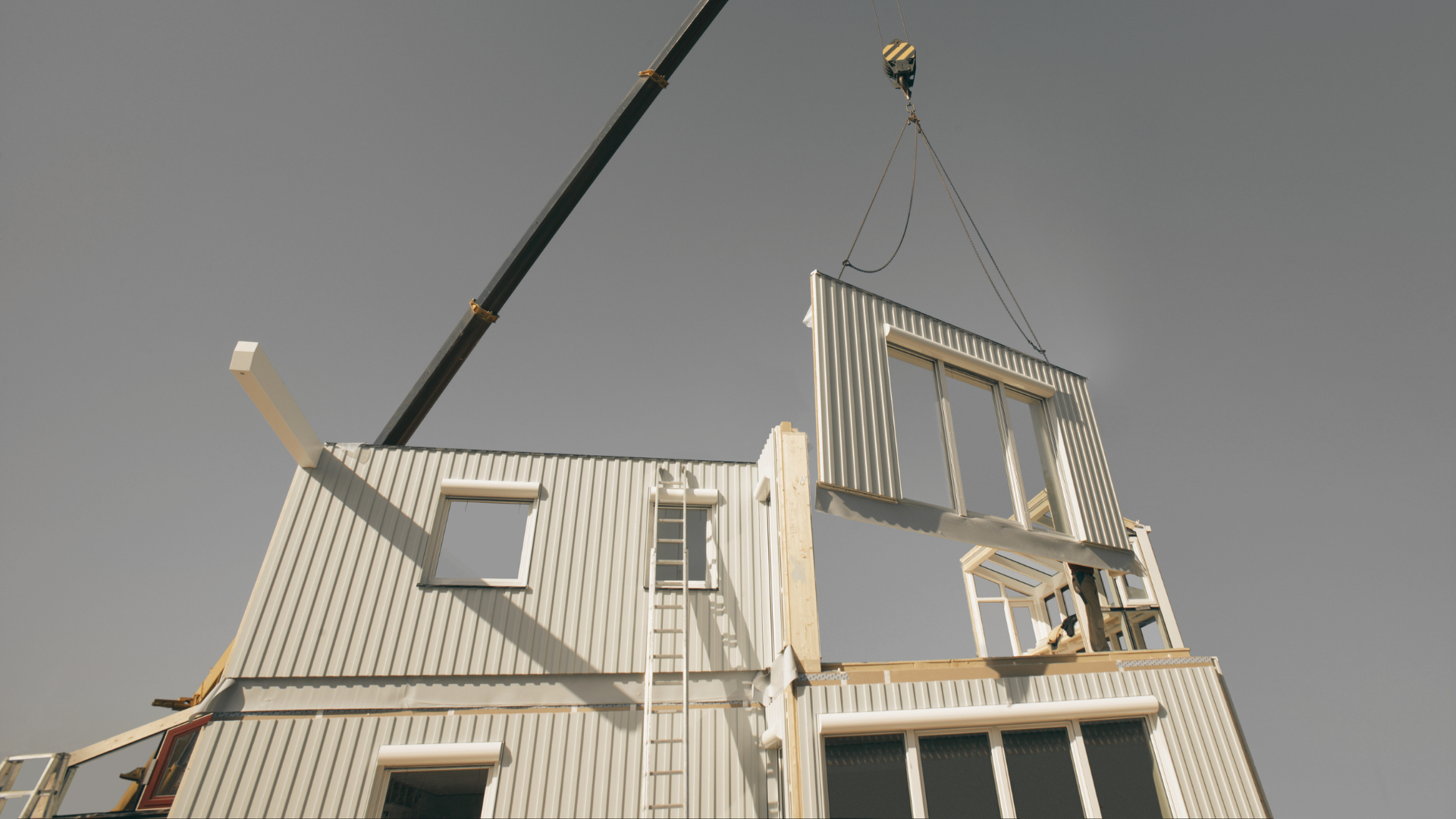
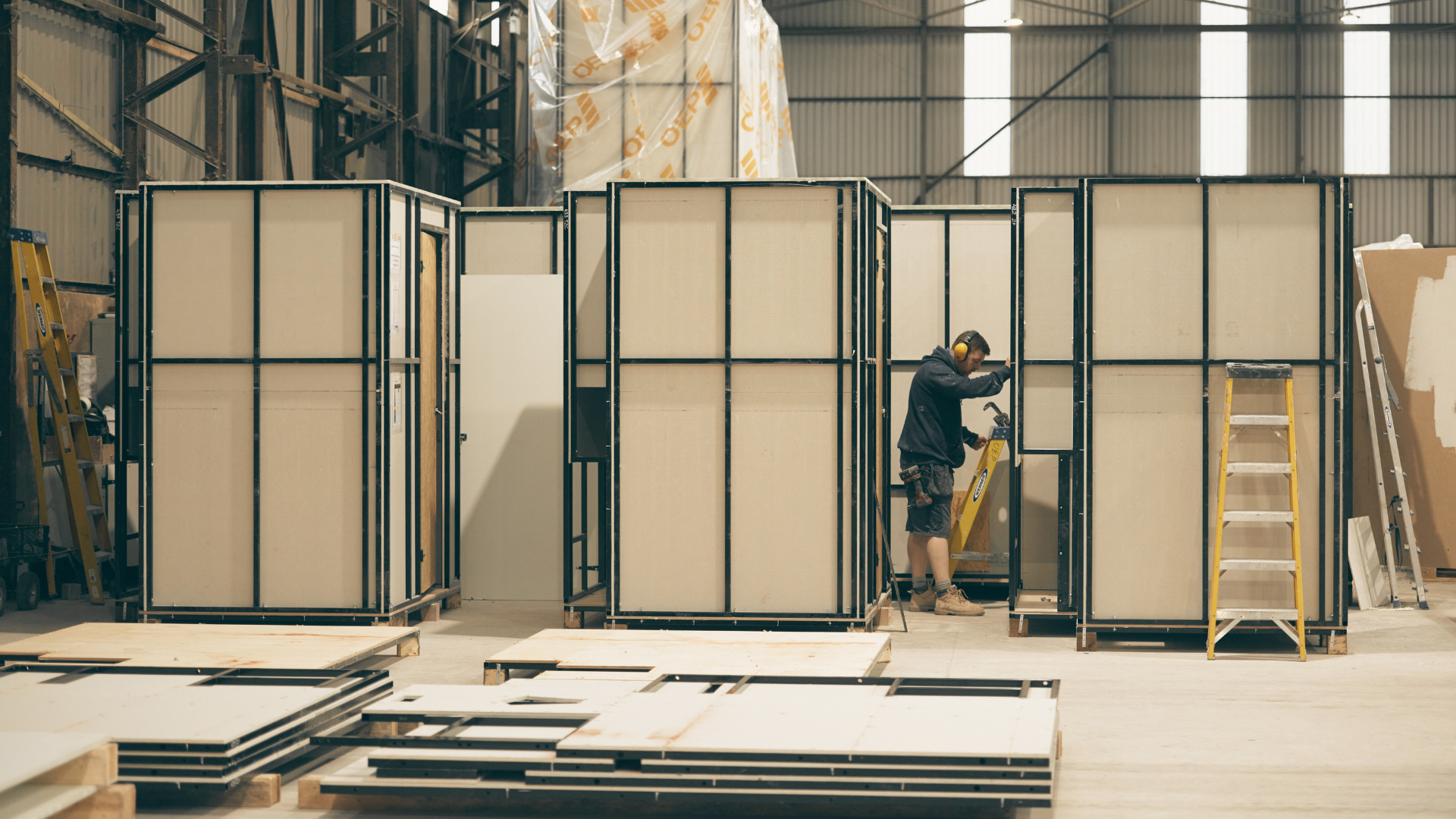
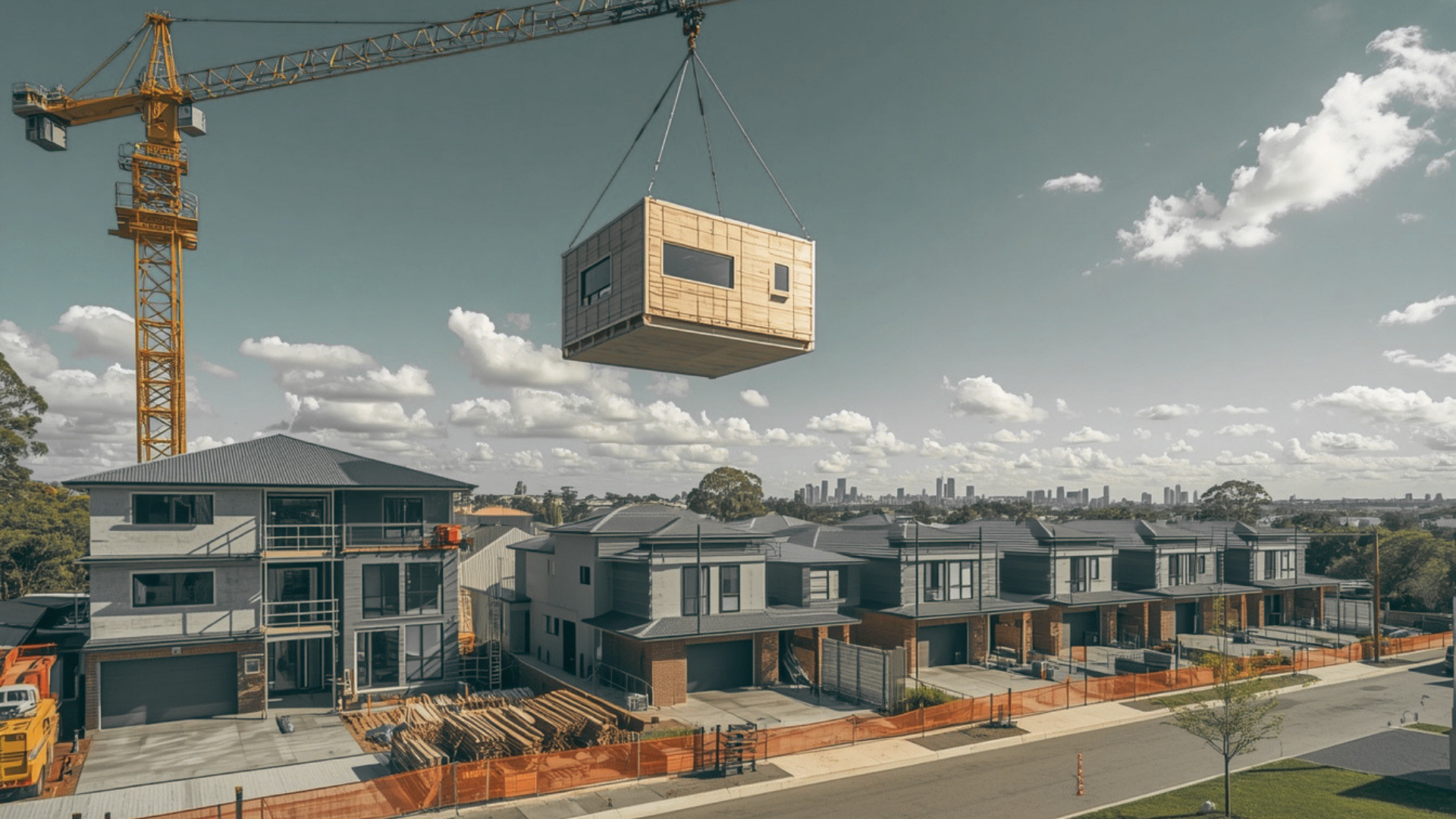
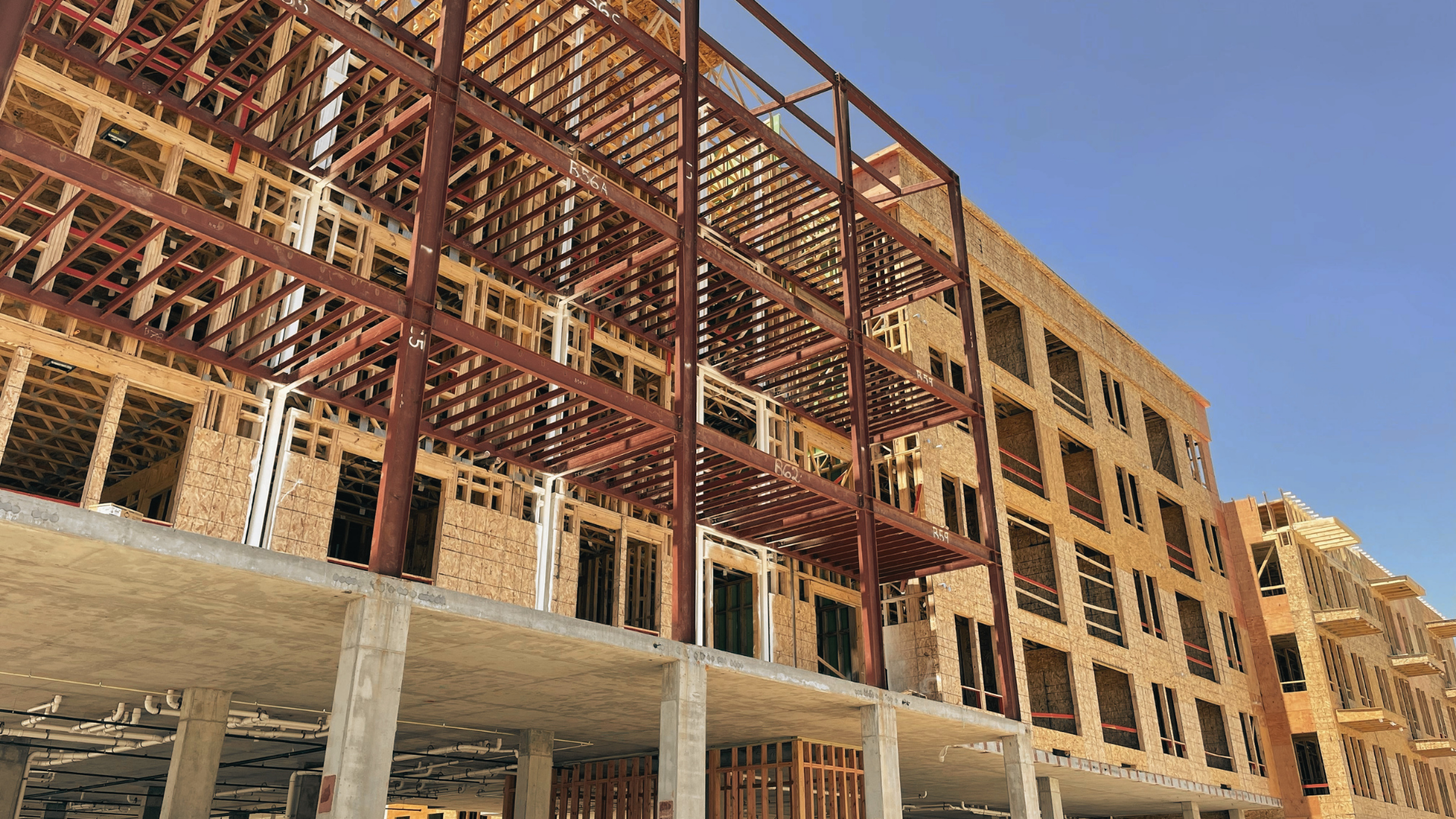
Insurance broker Lockton, in an analysis carried by Insurance Business Australia, set out how the Building (Approvals and Practitioners) Bill 2026 stands to reshape the insurance and liability picture for participants in Modern Methods of Contruction (MMC) supply chains [12]. The Bill, introduced into NSW Parliament earlier in May, would repeal the Design and Building Practitioners Act 2020, consolidate the amendments made to that Act since its commencement, and bring prefabricated and modular construction together described as Modern Methods of Construction, formally under both the Home Building Act 1989 and the Environmental Planning and Assessment Act 1979 [12].
The broker's central point is that liability under factory-led delivery is likely to cluster around a narrower group of participants — the off-site fabricator, the integrated design and digital practice, and the vertically integrated developer than under traditional on-site delivery, where risk is distributed across many trades [12]. The professional indemnity implications were flagged as the most material element. Because an MMC product is produced once and installed many times, a manufacturing-stage defect can propagate across many modules and entire asset portfolios — a different exposure profile from the typical on-site design error, which is contained to a single project. PI policies, Lockton noted, ordinarily carve out product risk, and the line between professional-services exposure and product-liability exposure is becoming harder to draw as factory delivery scales [12]. The Bill also lifts the maximum court-imposed penalty for certifier conflict-of-interest breaches from $33,000 to $1.1 million, raises the bar for governance, documentation and quality assurance processes, and is expected on Lockton's reading to draw closer management-liability scrutiny of board-level decisions on supplier concentration and operational resilience [12].
Real-world MMC projects continued to advance during the week. Clarence Village Limited secured an additional $5 million in NSW Government funding for what is described as Australia's largest modular social housing development — 32 self-contained one-bedroom units on Armidale Street, South Grafton [1]. The project, delivered with Homes NSW and Housing Australia, sits at a total investment of $14.5 million and is scheduled for installation before Christmas 2026 with handover by Easter 2027 [1]. The modules are being manufactured by Uniplan from Armidale.
Engineered timber, the other primary MMC modality, featured at project level during the week. Wood Central reported on Oran Park Public School in south-west Sydney, delivered by Lipman in under nine months. Roughly 70 per cent of the structure uses exposed NelsonPine laminated veneer lumber (LVL); the same LVL components carry the load, finish the ceiling and provide fire separation between floors, doing three jobs at once [8]. The school achieved an as-built 5 Star Green Star rating. Lipman acted as head contractor under an early contractor involvement model, with Bennett and Trimble responsible for architecture and Bligh Tanner for structural and facade engineering [8]. Wood Central recorded the school as an entry in the public buildings category of the 25th Australian Timber Design Awards [8].
On the residential side, Victorian-registered builder and trainer Nagy Mourad, speaking on The Good Builder Podcast, said the housing supply debate had focused on headcount in the builder workforce rather than on whether new builders are ready for the role, and described the leap from trade competence to running a building business as a structural gap in the current pathway [13]. He identified water in particular, condensation management and waterproofing as the biggest single risk on residential sites, welcomed the more explicit condensation provisions in NCC 2025, and noted the divergence in NCC 2025 implementation, with Victoria having adopted the new code and NSW and Queensland deferring adoption to 2027 [13]. He drew a distinction between compliance and quality: compliance with the Australian Standards setting the minimum, and quality lying above that floor where a builder consciously chooses to exceed it [13].
Workforce, the CFMEU, SEED and the Data Centre Pipeline
Michael Crosby has been announced as the new administrator of the CFMEU, replacing Mark Irving on completion of the first phase of administration [6]. Mr Crosby was previously the union's NSW executive officer. He has described the second phase as embedding the reforms achieved to date and rolling out the systems and processes required for the union to operate, in his words, "lawfully, ethically, and eventually democratically" [6]. Mr Irving will continue to support the administration in a senior counsel role [6]. Australian Constructors Association CEO Peter Colacino welcomed the appointment as important for sustaining the reform momentum already established, and for supporting a safe, respectful and lawful worksite culture across the industry [6].
The federal and NSW Governments announced an $11 million joint investment in a new Construction TAFE Centre of Excellence on the TAFE NSW Kingswood campus, expanding the existing Institute of Applied Technology – Construction [3]. The centre will pioneer a Higher Apprenticeship in construction — a pathway designed to connect on-tools trade learning with university-level construction qualifications, filling a credential gap in the current pathway with more than 20,000 enrolments targeted over the next two years across micro-credentials covering digital capability, project management, sustainability and Building Information Modelling [3]. The funding will also stand up two fee-free microskills focused on leadership and workplace culture [3]. The centre is the 20th and final centre to be established under the Commonwealth's five-year National Skills Agreement [3].
Mirvac and Australian Retirement Trust marked the start of construction at SEED, a $2 billion industrial and enterprise precinct in the Western Sydney Aerotropolis on 26 May 2026 [14]. According to Mirvac, SEED is the first large-scale industrial precinct inside the Aerotropolis to have its State Significant Development Application approved by the NSW Government. The development comprises 90 hectares of buildable land next to 42 hectares of natural open space; the envelope contemplates 17 buildings and warehouse footprints from 2,500 up to 100,000 square metres. The site is approximately 800 metres from Western Sydney International (Nancy-Bird Walton) Airport and connects directly to the M12 Motorway [14]. Across two stages, SEED is forecast to deliver more than 3,000 jobs, with the first warehouse targeted for completion in mid-2027 [14]. The sustainability brief calls for net-positive embodied carbon and an as-built 5-Star Green Star rating as a floor, with rooftop solar generation and recycled water systems incorporated into the design [14].
iTWire published an editorial arguing data centres have shifted from a commercial real estate category built around high-value tenants into a distinct class of major electricity load, arriving alongside the simultaneous pressures of coal plant retirements, renewable generation rollout, transmission expansion, the electrification of homes, and growing demand from other heavy-energy sectors [7]. NSW was used as the worked example. The piece referenced the NSW Government's March 2026 announcement that 15 data centre developments, with a combined value of $51.9 billion, would be processed through the state's Investment Delivery Authority, with 90 facilities already operating, three-year average annual investment growth of 65 per cent, and the sector now responsible for 12 per cent of non-residential building investment in NSW [7]. The editorial also referenced the Australian Energy Market Commission's draft rule on grid-connection standards for large electricity users, which would lift the large inverter-based load threshold from 5 MW to 30 MW [7].
Strata Defects and Mixed-Use Building Management Statements
Money magazine reported that, in NSW, 53 per cent of strata buildings have been recorded as having serious common-property defects, drawing on a 2023 survey conducted jointly by the Office of the Building Commissioner and the Strata Community Association of NSW [5]. The defect categories most often reported are waterproofing failures; problems with fire-safety systems and structural elements; issues with the building envelope; and faults in services such as lifts and plumbing [5]. The reporting noted NSW houses around a third of Australia's strata developments [5].
The article focused on mixed-use strata developments controlled by one of two instruments — a building management statement (BMS) in some schemes, or alternatively, a strata management statement (SMS) under which a building management committee (BMC) administers areas held in common between the residential, retail and commercial schemes that make up the development [5]. Owners Corporation Network managing director David Glover identified inequitable cost-sharing formulas, residential schemes commonly carrying a disproportionate share of the cost of commercial infrastructure, and arrangements that bind owners for periods of 50 to 100 years and can only be altered by unanimous consent of every member or by an order of the Supreme Court [5]. Macquarie Law School Professor Cathy Sherry was cited from earlier reporting on the prevalence of management statements drafted by developers and not subject to meaningful regulation [5].
The reporting noted that prospective purchasers can ask for and review the meeting minutes and notices for the relevant scheme, the cost-allocation formula in the BMS or SMS, and any shared-infrastructure arrangements registered against the title before exchange. Mr Glover suggested buyers go back at least three years through the meeting records of the relevant strata or building management committee [5].
Final Thoughts
Three of this week's developments — the PEP Bill, the Bays West Delivery Authority and the draft statewide Community Participation Plan were each presented by the Government as steps to accelerate housing supply and the energy transition by streamlining approvals [2, 4, 9]. Industry, council and community responses have varied. Local Government NSW and a number of councils have raised concerns about reduced consultation under the CPP [2], while a group of New England landowners has suspended its participation in the EnergyCo consultation process and the Coalition has indicated it will oppose the PEP Bill [10].
On the modular front, Lockton's analysis of the Building (Approvals and Practitioners) Bill 2026 raised questions about how PI cover responds to product-replication defects across MMC supply chains [12]. Two NSW projects covered this week — the Clarence Village 32-unit modular development at South Grafton [1] and the Oran Park mass-timber public school [8] illustrate that prefabricated and engineered-timber delivery is moving from prototype to live projects.
The Liddell demolition [11] and the commencement of SEED in the Aerotropolis [14] were the two most visible project milestones of the week. The TAFE Centre of Excellence announcement [3] and the second phase of the CFMEU administration [6] continue the focus on workforce and industrial-relations capacity. The Money magazine reporting on strata defects [5] and the data centre coverage from iTWire [7] round out a week in which planning, approvals, workforce and consumer issues continued to develop in parallel.
-
NSW Nationals (21 May 2026). $5 million boost for Australia's largest social housing project in South Grafton. https://www.nswnationals.org.au/5-million-boost-for-australias-largest-social-housing-project-in-south-grafton/
-
The Age | by Max Maddison (21 May 2026). The construction projects your neighbours will no longer have to tell you about. https://www.theage.com.au/politics/nsw/the-construction-projects-your-neighbours-will-no-longer-have-to-tell-you-about-20260519-p5zykv.html
-
Build Australia (22 May 2026). New $11M TAFE Centre of Excellence set to grow construction workforce in Sydney. https://buildaustralia.com.au/new-11m-tafe-centre-of-excellence-set-to-grow-construction-workforce-in-sydney/
-
Parliament of New South Wales (28 May 2026). Energy Legislation Amendment (Prioritising Renewable Energy) Bill 2026. https://www.parliament.nsw.gov.au/bills/Pages/bill-details.aspx?pk=18899
-
Money magazine | by Pam Walkley (22 May 2026). Why strata buyers risk costly hidden problems. https://www.moneymag.com.au/why-strata-buyers-risk-costly-hidden-problems
-
Earthmoving Equipment Magazine (24 May 2026). New administrator for CFMEU. https://www.earthmovers-magazine.com.au/new-administrator-for-cfmeu/
-
iTWire | by Andrew Matler (24 May 2026). Australia's data centre boom must not outrun power, water and public trust. https://itwire.com/business-it-news/data-centres/australia-s-data-centre-boom-must-not-outrun-power-water-and-public-trust
-
Wood Central | by Jason Ross (24 May 2026). Mass Timber Delivers Oran Park's New School in Just Nine Months. https://woodcentral.com.au/oran-park-public-school-mass-timber/
-
Apartments & Developments (25 May 2026). NSW Government to build 8,500 homes: New suburb on Sydney's harbour edge. https://a-d.com.au/buying-living/market-insights/nsw-government-to-build-8-500-homes-new-suburb-on-sydneys-harbour-edge
-
NT News (Daily Telegraph) | by James O'Doherty (25 May 2026). EnergyCo renewable energy contractors trespass on private land, again. https://www.ntnews.com.au/news/nsw/energyco-renewable-energy-contractors-trespass-on-private-land-again/news-story/8af3566e6eec075030db4616566c65db
-
9News | by April Glover (26 May 2026). Famous chimney stacks reduced to rubble in massive blast at Liddell Power Station. https://www.9news.com.au/national/liddell-power-station-chimney-stack-demolished/4acfe7bf-a89b-4f0c-b789-a05962b38eb8
-
Insurance Business | by Jonalyn Cueto (26 May 2026). NSW bill tests insurance for modular building. https://www.insurancebusinessmag.com/au/news/breaking-news/nsw-bill-tests-insurance-for-modular-building-576417.aspx
-
The Good Builder | by TGB Editorial (27 May 2026). Nagy Mourad on What It Really Takes to Build Well and Why the Industry Needs Better Builders, Not Just More of Them. https://thegoodbuilder.com.au/nagy-mourad-on-what-it-really-takes-to-build-well/
-
The Industrialist (27 May 2026). Construction commences at $2bn project SEED by Mirvac Australian Retirement Trust and NSW Government. https://www.theindustrialist.com.au/news/2026/05/27/construction-commences-2bn-project-seed-mirvac-australian-retirement-trust-and-nsw
The Pulse collates the latest news and opinions from third-party sources. Links, snippets or text are generated by an artificial intelligence engine. The Pulse aggregates news reports and does not claim to have copyright to the content. We have not fact-checked that content and cannot vouch for its accuracy or completeness. Nor do we endorse the opinions expressed by the authors or primary publishers. The content is provided as general information only and should not be relied on as a substitute for professional advice. You should contact the source to verify any factual content as well as taking specialist advice that takes your personal objectives and circumstances into account.
.png)
Kreisson
Produced by the team at Kreisson.
Browse Past Issues


.jpg)
Kreisson
We provide the construction industry with simple, easy to understand, solution-based legal advice.