Mind the Gap: NSW Builds Between the Grid, the Target and the Auditor
This week's reporting frames the NSW energy transition increasingly as a load-side problem rather than a generation-side one.
The Climate Council's new modelling put a 26 per cent NSW wholesale-price rise on the table by 2035 if data-centre demand is met with gas rather than renewables [15]; a $10 billion battery and adjacent data centre were proposed for Muswellbrook to host Google and Microsoft load [12]; and Transgrid lodged a $3.2 billion Sydney Ring South transmission upgrade to ease the southern corridor [14]. On approvals, the Clean Energy Investor Group reported NSW wind approval times reduced to just over 3 years from 9.5, although NSW planning fees still run up to 48 times those in Queensland [11]. On the contracting side, Acciona Australia chief executive Bede Noonan placed lump-sum risk on large renewable infrastructure under public scrutiny following the $42 billion Snowy Hydro 2.0 cost picture [6].
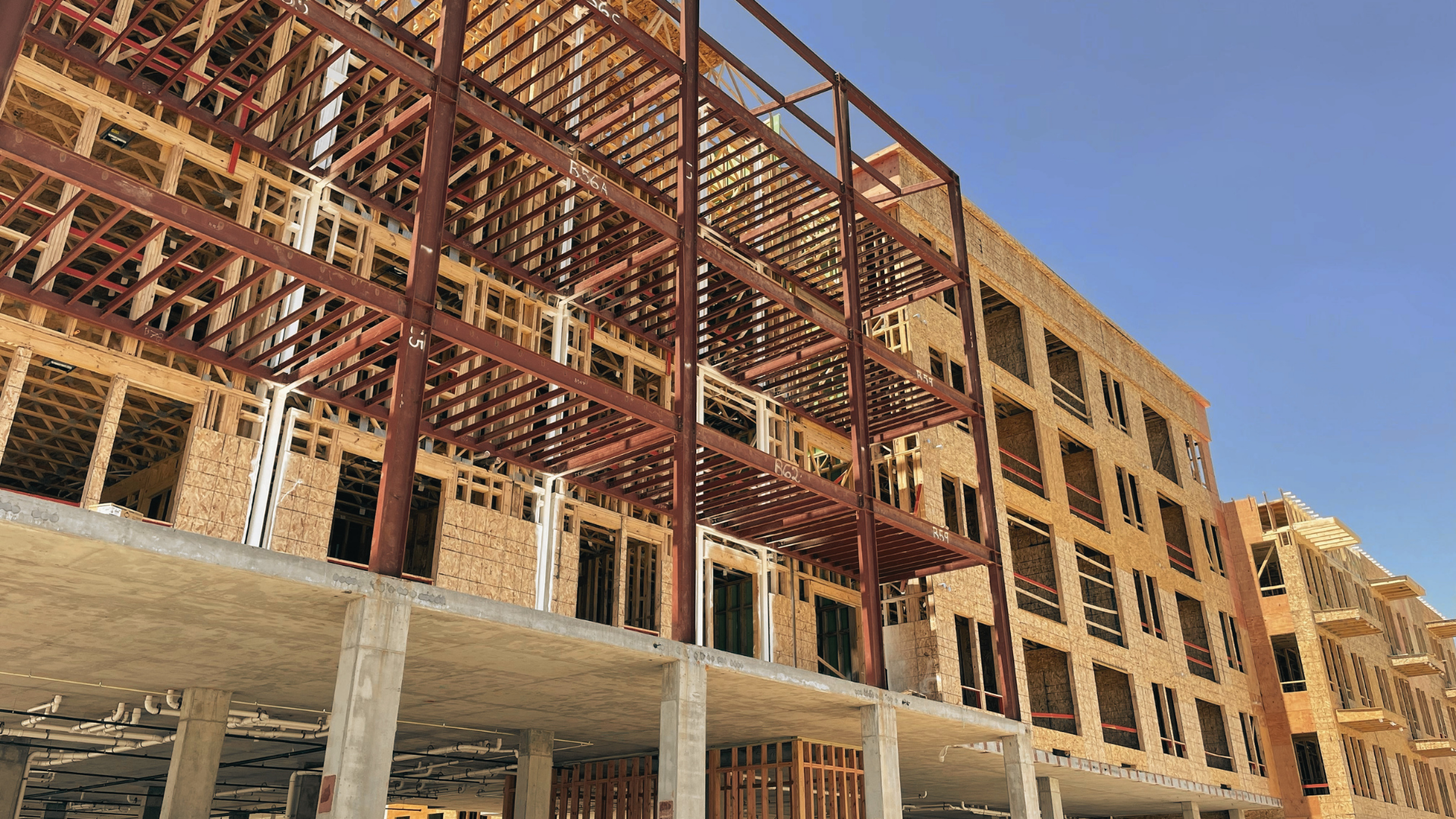
On housing, the National Housing Accord shortfall with NSW identified as the primary brake on national delivery [10] is being addressed across two parallel levers: planning-pathway acceleration and industrialised construction. The Housing Delivery Authority approved Coronation's $600 million Precinct 75 build-to-rent conversion at St Peters, doubling the original consent to 464 apartments [13]; the federal government committed $39.3 million to scale the Building 4.0 'kit of parts' modular system [3]; the NSW Government appointed DOMA Group as single delivery partner for the 1,000-home Honeysuckle HQ precinct in Newcastle [8]; and Charter Keck Cramer put the national build-to-rent pipeline at over 60,000 units, with Sydney leading [5]. Two NSW Government programmes also drew formal scrutiny in the same week — the Reconstruction Authority on its Resilient Homes and Resilient Lands programmes (Auditor-General's findings, four years on from the 2022 floods) [4], and the draft Statewide Community Participation Plan on the balance of state and regional planning authority (Bathurst Regional Council submission) [7].
Data Centres, Transmission and the Energy Stress Test
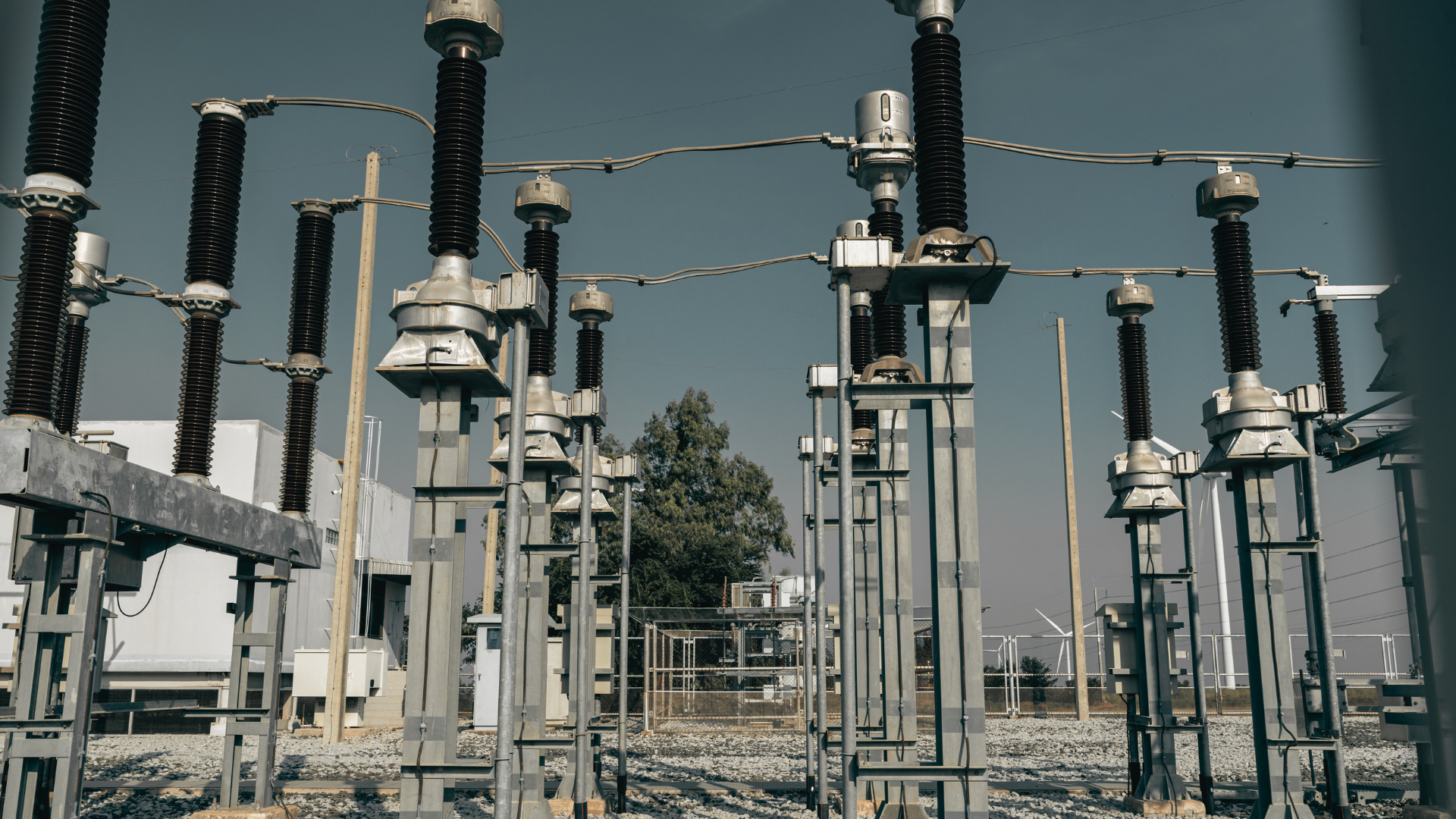
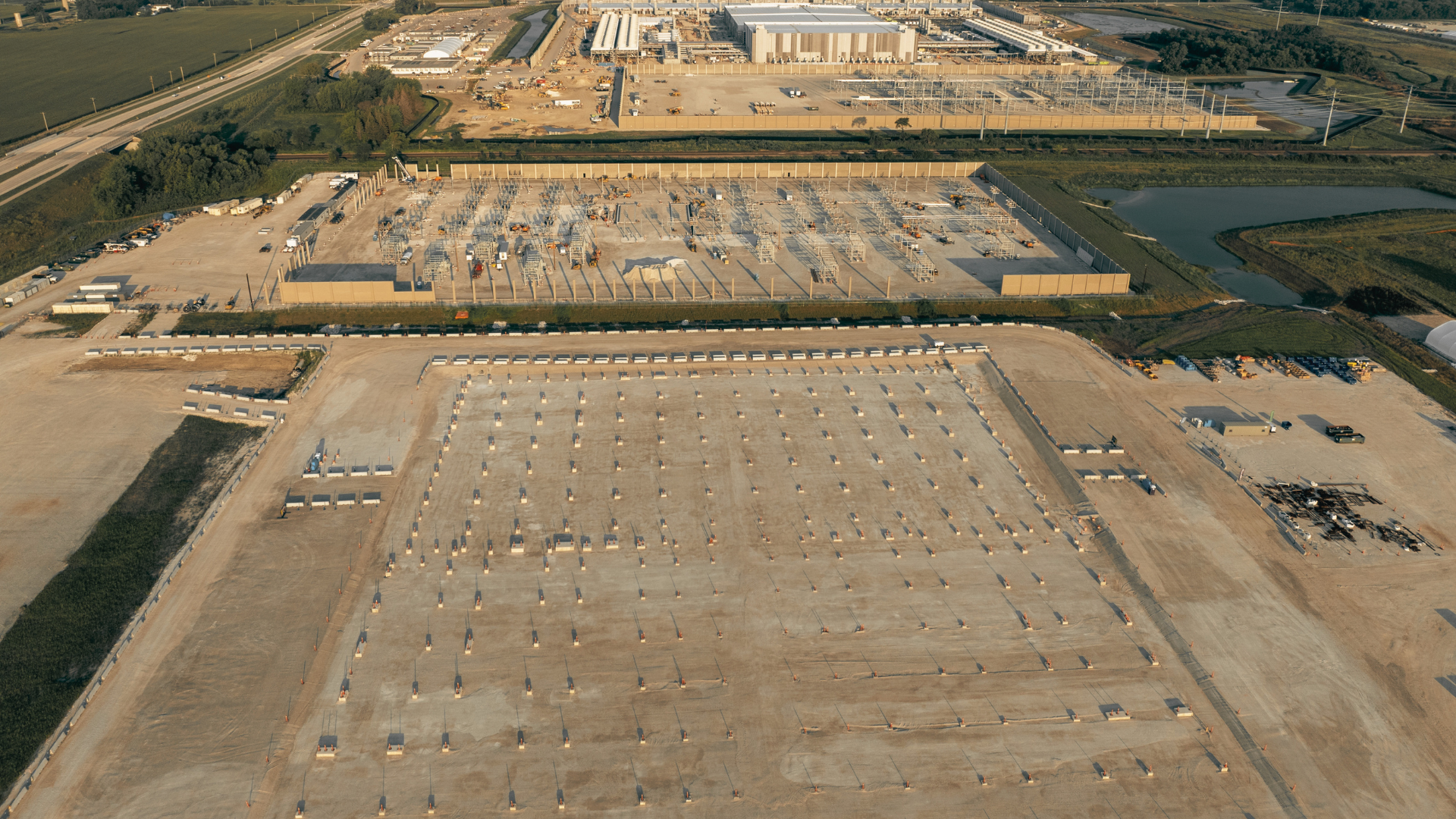
Energy infrastructure and the data centre pipeline framed the most active reporting thread of the week. The Climate Council published its report Clouded future: Managing risks of the data centre boom on 3 June 2026 [15]. The report identified Australia as a global investment hotspot for data centres, with 162 facilities in operation and more than 90 projects in the pipeline. Its central finding was that, if projected data centre demand is met with gas-fired generation rather than additional renewables and storage, wholesale electricity prices in NSW could rise by 26 per cent and in Victoria by 23 per cent by 2035, and national grid emissions would be approximately 14 per cent higher than under a renewables-led pathway. The report also identified single-site water-connection requests of up to 40 million litres per day (roughly the volume of 16 Olympic swimming pools) and projected a tripling of data-centre energy demand by 2030 — by then equivalent to the household electricity consumption of all of Victoria. Climate Council CEO Amanda McKenzie said "Australia is navigating a dual boom: a critical switch to a clean energy system and a historic surge in digital infrastructure." Climate Councillor, Associate Professor Joel Gilmore said "How we manage this industry will shape our energy system and climate for decades to come."
In other energy news, the Maitland Mercury reported a $10 billion proposal by an international technology and infrastructure consortium for a battery and adjacent data centre on Malabar Resources land between Denman and Muswellbrook, with a scoping report due to be lodged with the NSW Department of Planning in the coming weeks [12]. The proposed 2 GW battery would be over double the capacity of the Waratah Super Battery at Munmorah. The attached data centres are expected to host information from Google and Microsoft and will use about half of the energy stored in the battery. Muswellbrook Mayor Jeff Drayton said "This will be a massive win for the Hunter. We haven't seen anywhere near this level of investment before. If you think about it, a really big mining project might be worth $2 billion." Mr Drayton said the proponents had chosen the Upper Hunter for energy security reasons because power from the western (Central-West Orana) and northern (New England) renewable energy zones flows through substations at Bayswater and Sandy Creek Road, near the proposed site. The reporting also noted AGL's intention to host data centres on the site of the decommissioned Liddell Power Station as part of its integrated energy hubs strategy.
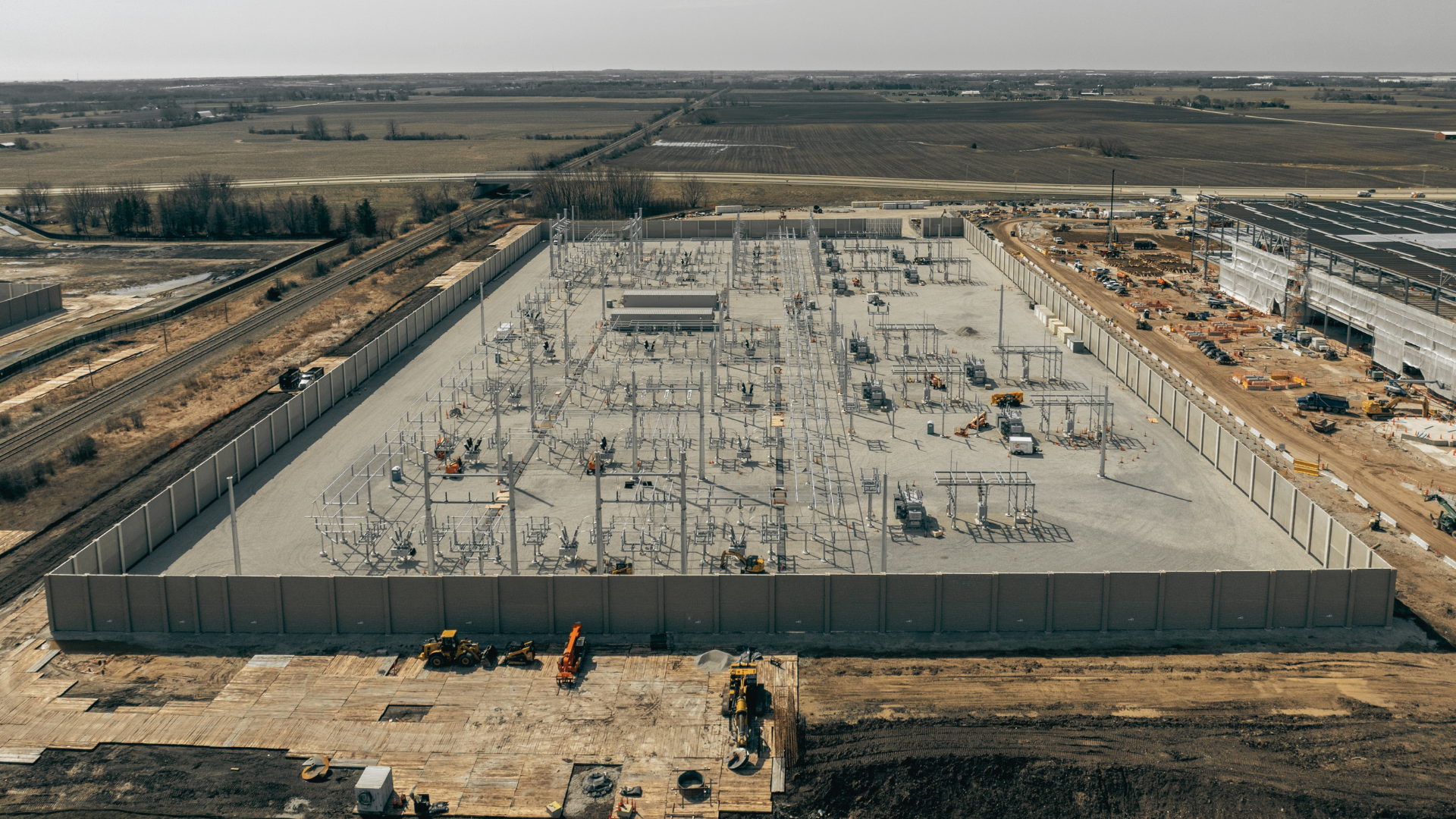
On the transmission side, Transgrid lodged its draft assessment report for Sydney Ring South, a transmission upgrade projected at $3.2 billion in net market benefits [14]. The preferred technical option includes upgrades to the existing 330 kV network by 2030–31 and a new 500 kV transmission line connecting southern NSW near Bannaby to south-western Sydney. Transgrid Executive General Manager – Network Jason Krstanoski said "As coal-fired power stations reach end-of-life, our electricity is increasingly sourced from lower-cost renewable energy sources located across NSW. That means the existing transmission corridor approaching Sydney from the south is under increasing pressure." The project would integrate with EnergyConnect, HumeLink, VNI West and Snowy 2.0, and Transgrid estimated annual household bill savings of up to $51 and approximately $110 for small business if the project proceeds. Submissions are open until 28 August 2026.
The Clean Energy Investor Group released its Delivering Major Clean Energy Projects in NSW: 2026 Update report on 2 June 2026, summarised by Renew Economy [11]. NSW has reduced its average wind project approval timeline from 9.5 years to just over three years; however, the state's average primary approval time for wind remains 1,324 days, with batteries averaging 729 days. CEIG members alone have 50 GW of capacity built or in the NSW pipeline. CEIG chief Richie Merzian said "Planning is still the Achilles heel in NSW, in that it takes so long to get renewable energy projects through this system, but it's going in the right direction." The report identified post-approval bottlenecks — the report cites rising capital costs, transmission and curtailment risks, logistics issues, and the need to retrofit storage to keep older solar projects commercially viable — as accounting for a significant proportion of approved projects that do not move into construction. NSW also charges up to 48 times more for a planning application than Queensland.
Housing Supply, Targets and the Modular Pivot
Housing supply was the week's other dominant reporting theme. News.com.au, drawing on research from HomeLoanRates.com.au and Primara Research, reported on 2 June 2026 that 268,445 homes had been built in the 18 months since the National Housing Accord was announced, with Housing Minister Clare O'Neil reaffirming the federal commitment to 1.2 million homes by mid-2029 [10]. Primara Research director Peter Drennan said "The numbers are clear. To meet the target, completions need to lift by 49 per cent from today's average. That's an additional 7,266 homes per month above what is currently being built. It's not impossible, but nothing in the current trajectory suggests it's happening." The research projected a 305,183-dwelling shortfall by 2029 if the current rate continues. NSW houses 31 per cent of the national population but produces 26 per cent of completions, tracking 39 per cent behind its target. Queensland is 31 per cent behind, Tasmania 50 per cent behind, and the Northern Territory 81 per cent behind. Victoria, with 26 per cent of the population, produces 32 per cent of completions and was identified by the reporting as on the "more on track" side alongside the ACT. The Australian Capital Territory was reported as missing its target by nine dwellings. Mr Drennan further stated "Victoria and the ACT show it can be done at a state level. But NSW alone accounts for an estimated half of the national monthly shortfall".
On the supply side, the NSW Government selected DOMA Group as delivery partner for Honeysuckle HQ in Newcastle, described by Inside Construction as the closing stage in the Honeysuckle Urban Renewal Project led by the Hunter and Central Coast Development Corporation (HCCDC) [8]. Honeysuckle HQ is expected to deliver approximately 1,000 new dwellings, commercial and retail space supporting around 4,000 workers, a 180-room hotel and conference facility paired with the heritage-listed Wickham School of Arts, and in excess of 11,000 square metres of public realm including a waterfront park named Honeysuckle Green. HCCDC CEO Valentina Misevska said the appointment "delivers on ambitions for high-quality design and sustainability, while respecting the area's heritage and culture, creating a precinct that offers something for everyone." DOMA Group managing director Jure Domazet said the firm had "engaged four leading architectural firms to shape each building with a distinct design vision." The reporting estimated the construction phase would contribute approximately $80 million annually to the regional economy and the completed precinct approximately $133 million annually. Site preparation works are expected to begin in 2026.
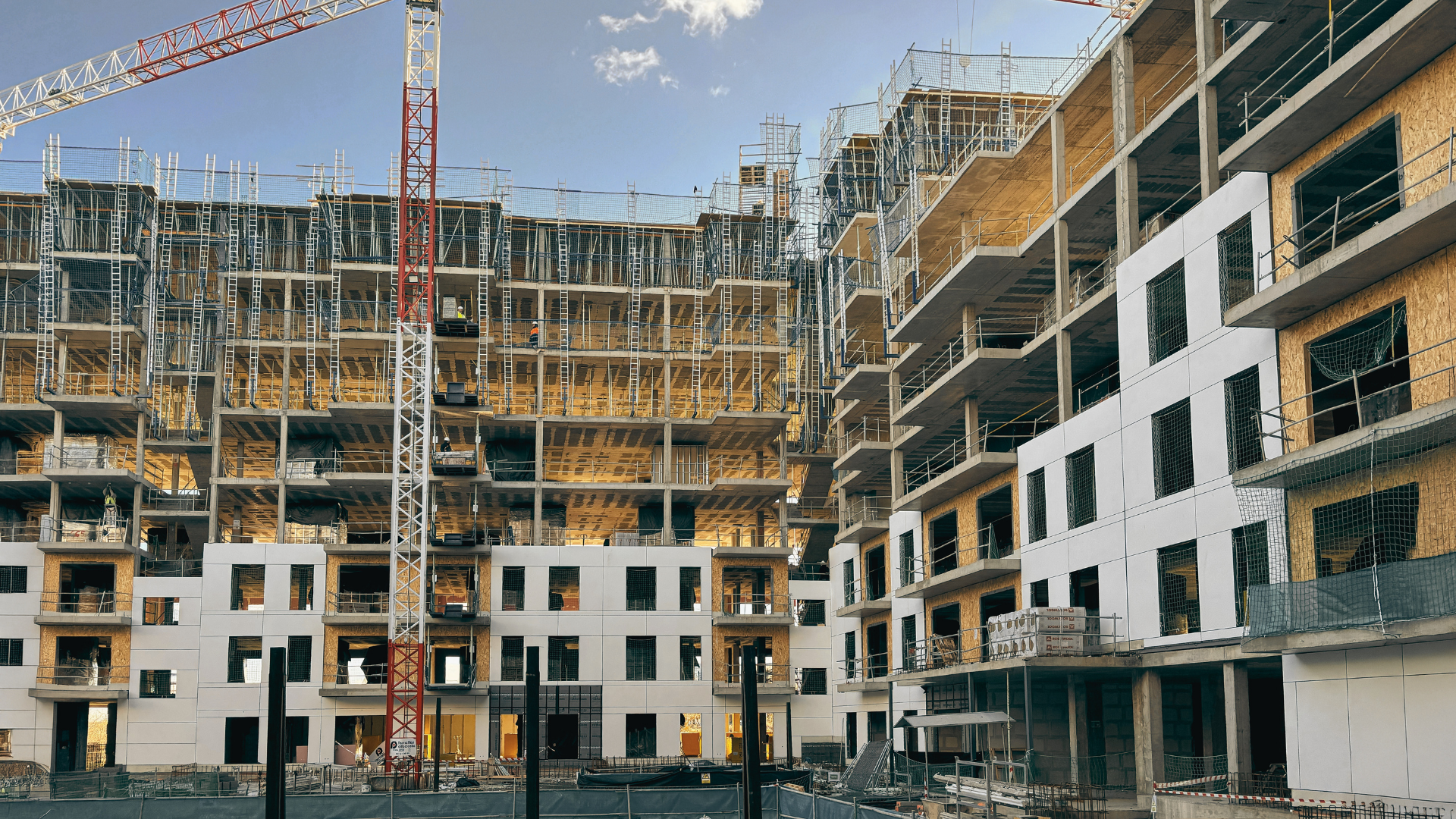
The Urban Developer reported the approval of Coronation's $600 million Precinct 75 build-to-rent conversion of the former Taubmans paint factory in St Peters [13]. A 2023 Land and Environment Court consent had cleared 205 apartments; NSW planning officials have since approved an enlarged rental scheme of 464 apartments via the Housing Delivery Authority pathway, more than doubling the original consent, while retaining 8,307 square metres for commercial and light industrial uses. The mix across the 464 apartments comprises 260 studios, 86 one-bed apartments, 109 two-bed apartments and 9 three-bed apartments, distributed across eight buildings of up to 10 storeys. Sixteen of the apartments will be retained as affordable housing managed by a registered community housing provider for at least 15 years. Cox Architecture director Felipe Miranda described the housing crisis as a "watershed moment in Australia's housing history that demands innovation in the sector."
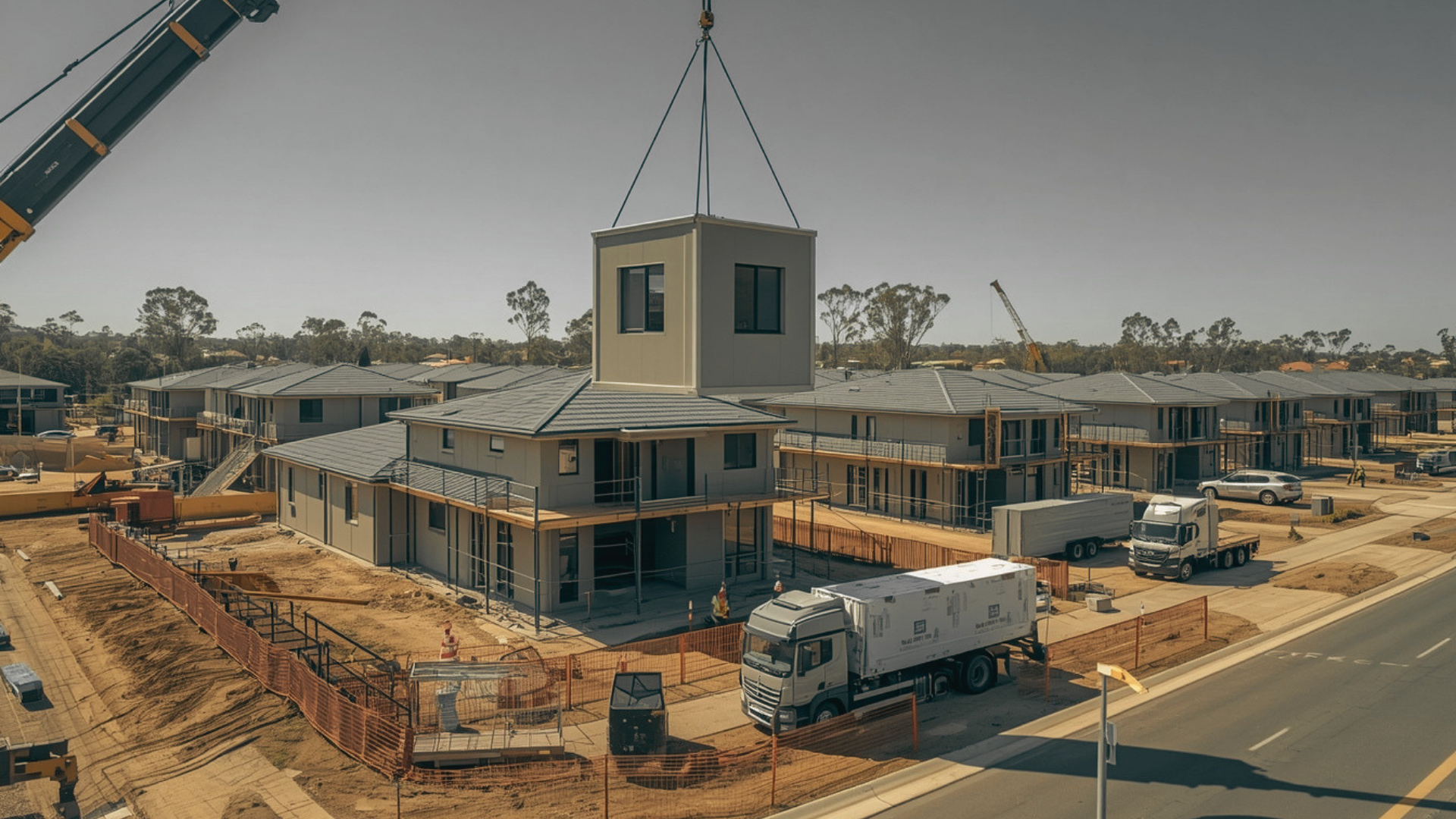
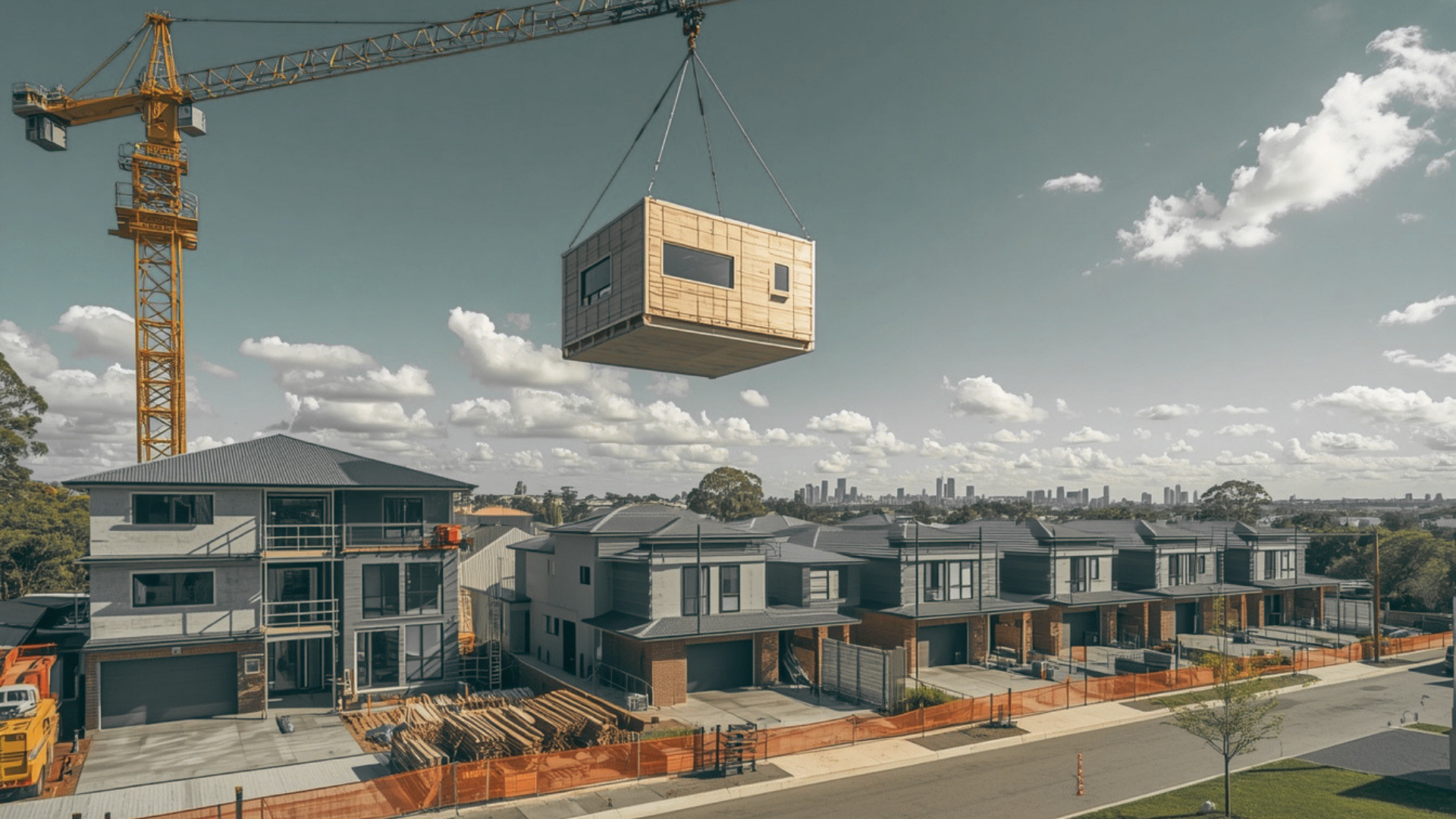
Federal Housing Minister Clare O'Neil announced a $39.3 million federal investment to expand the open-source 'kit of parts' housing system developed by the Building 4.0 Cooperative Research Centre and Homes NSW, branded as System 600 [3]. The system aims to standardise components manufactured off-site and assembled on-site, with different manufacturers producing compatible parts to a common standard rather than developing proprietary systems. Community advocacy group AMPLIFY's modelling suggested modular delivery could produce up to 20,000 additional homes annually.
BTR News Australia reported separately, drawing on research from Charter Keck Cramer, that more than 18,000 build-to-rent units had been completed nationally with a pipeline of more than 60,000 units across Sydney (23,021), Melbourne (20,582) and Brisbane (12,741) [5]. Charter Keck Cramer National Executive Director of Research Richard Temlett said: "The question is no longer whether Build to Rent has a future in Australia, it's whether the delivery pipeline can keep pace with the opportunity." The reporting noted that the reduction of the managed investment trust withholding tax to 15 per cent, planning reforms in NSW and Victoria, and the federal decision to exclude build-to-rent from the negative-gearing and CGT changes proposed in the 2026 Budget had collectively sharpened the sector's risk profile.

Major Projects: Snowy Hydro, Richmond Bridge, Coffs Bypass and Parkes
Project-level reporting in the same week opened with contracting commentary on the renewable build-out. On 31 May 2026, The Australian published an interview with Acciona Australia chief executive Bede Noonan in which he criticised the $42 billion Snowy Hydro 2.0 project [6]. Mr Noonan said "I'm concerned that that project is causing industry-wide reputational damage, putting aside just the ridiculous cost that we're now seeing." He told The Australian construction costs in renewable energy had spiked by up to 50 per cent since 2022, attributing the increases to post-COVID inflation, Middle East tensions and contracting parties seeking different lump-sum risk allocations. Mr Noonan said "Project backers have just really been hit with a huge cost overrun, and with nowhere near the contingencies they should have and people probably financially should have been thinking much more about." The $42 billion Snowy estimate includes approximately $20 billion in direct construction costs, $8 billion in interest charges across the 15-year build, and $12 billion as Snowy's attributable share of transmission costs including HumeLink and VNI West.
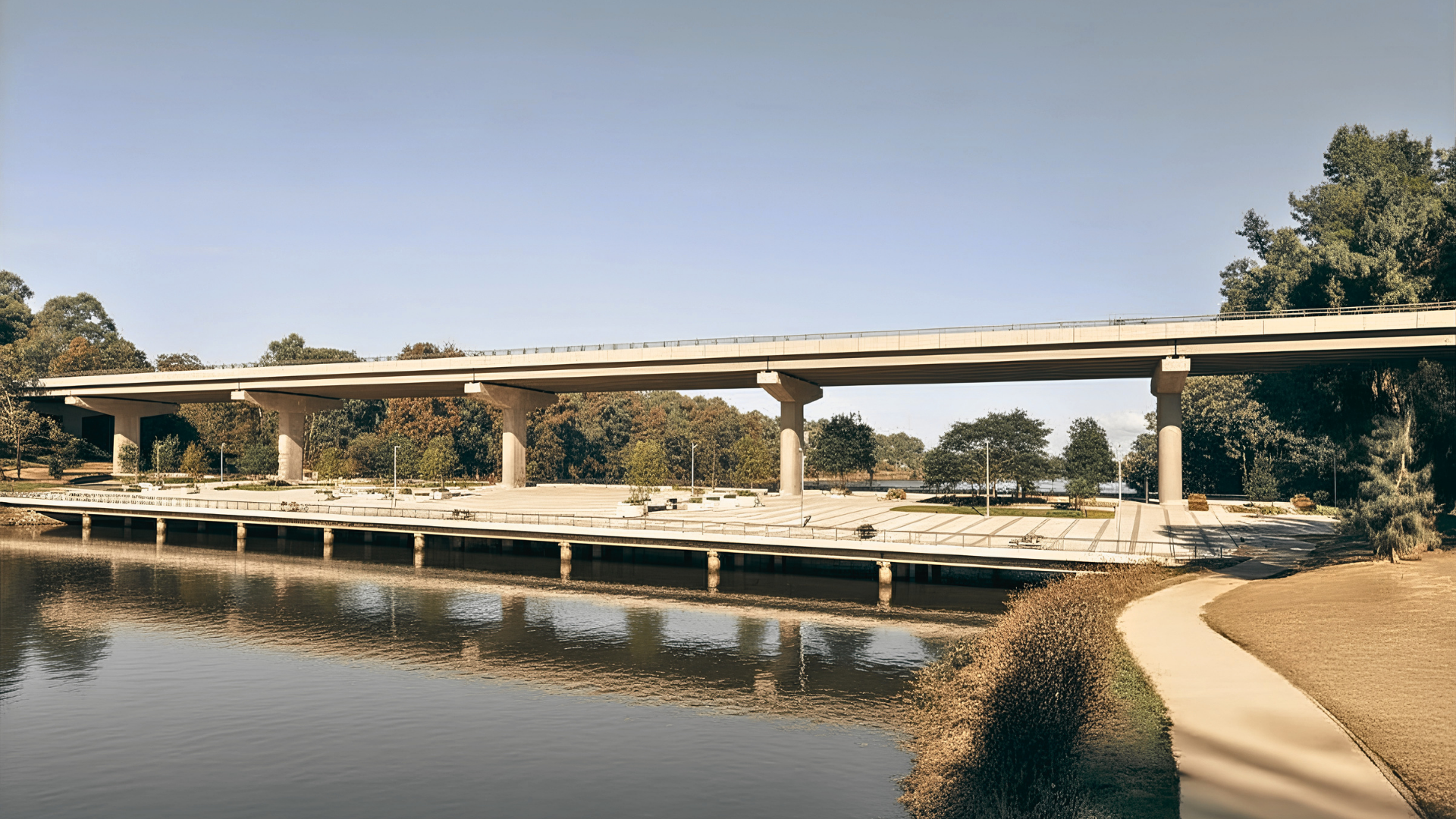
Roads & Infrastructure Australia reported that combined federal and NSW Government funding for stage two of the Richmond Hawkesbury bridge program had been increased to $114 million, taking total investment in the surrounding works to $658 million [2]. Stage two comprises a four-lane replacement crossing of the Hawkesbury River — set approximately 10 metres above the present bridge to provide better flood-resilience — together with road widening at North Richmond, intersection upgrades, a southern bypass of the Richmond town centre, and additional pedestrian and cycle links. The existing bridge will be retained and converted to a dedicated active-transport route between Richmond and North Richmond. Fulton Hogan has been awarded the design-and-deliver contract for stage two. Construction is scheduled to commence in late 2026.
North Coast Times reported that construction has begun on the final bridge of the 14-kilometre Coffs Harbour Bypass, a $2.27 billion project jointly funded by the federal and NSW Labor Governments [9]. According to the reporting, the bypass will let motorists skip as many as 12 sets of signals on the Pacific Highway corridor through Coffs Harbour, save up to 12 minutes of travel time, and shift around 12,000 vehicles per day out of the central CBD. Federal Infrastructure Minister Catherine King said "Work on the final bridge has begun, and it is incredible to see how quickly the Coffs Harbour bypass is taking shape. This project will transform Coffs Harbour, taking traffic and trucks out of the CBD." NSW Roads Minister Jenny Aitchison acknowledged the disruption residents had endured during the works. The bypass is scheduled to open to traffic in late 2026, with the overall project complete by late 2027.
NT News reported three new private investments at the Parkes Special Activation Precinct totalling approximately $65 million, following the precinct's Stage 1A land release earlier in 2025 [1]. The three companies are Soul Origin (cold storage, warehousing and distribution), Ecotech Enviro (processing raw steel into fabricated steel components for construction, infrastructure and industrial projects), and Maya Recycling (an advanced plastic recycling facility processing mixed plastic waste into higher-value products). Parkes Shire Mayor Cr Neil Westcott said "Council remains focused on representing our community's priorities, keeping residents informed, and working to ensure that any projects within our Shire are managed responsibly." The projects will be led and assessed by the Regional Growth NSW Development Corporation.
Audits, Planning Reform and Council Pushback
Two government processes were under formal scrutiny in the week's reporting. Echo reported on the NSW Auditor-General's damning report into the NSW Reconstruction Authority's delivery of its Resilient Homes Programme (RHP) and Resilient Lands Programme (RLP) [4]. The Auditor-General concluded that the RHP and RLP "were not effectively planned" and that the Reconstruction Authority "has not effectively administered the Resilient Lands Program." Four years after the 2022 floods, the RA had delivered 793 buybacks and 35 house relocations under the RHP but had delivered no homes or lots through the RLP. The RA reported it was approximately 70 per cent through the $880 million spend and 75 per cent through the allocated programme time. Concurrently with the report, the RA announced Kate Fitzgerald as its new Chief Executive Officer. The RA's Executive Director of Adaptation and Resilience, Kristie Clarke, told the Echo "I think that there was not enough communication and awareness of the long-term nature of the delivery of the programs, and that is something that we are working on to be able to better communicate with communities." Lismore MP Janelle Saffin announced on 16 May 2026 that the RA was considering using some buyback sites for commercial or industrial purposes.
The Western Advocate reported that Bathurst Regional Council has formally opposed the NSW Department of Planning, Housing and Infrastructure's draft Statewide Community Participation Plan (CPP), describing it as inadequate for a regional council with significant heritage stock [7]. The council prepared a submission for lodgement by 3 June 2026. Bathurst's Director of Environmental, Planning and Building Services, Neil Southorn, told the council's 20 May meeting that the draft CPP was "yet another example of top-down rule making by a bureaucracy fixated on ideology of one-size-fits-all" and that the proposed standardised approach "doesn't account for the differences between metropolitan, regional and rural communities". The council's principal concerns include that demolition within heritage conservation areas (excluding heritage items themselves) would no longer require exhibition or notification under the draft, and that two-storey residential development in R1 and R2 zones would also drop out of the notification regime. Bathurst's 10 heritage conservation areas contain thousands of contributory buildings. The council's submission requested that the Statewide CPP be re-cast as a template or toolbox for councils to adapt rather than a single statewide instrument.
Final Thoughts
Three takeaways emerge from the week's coverage. On energy, the bottleneck reported across the Climate Council [15], the Maitland Mercury [12], Utility [14] and Renew Economy [11] is no longer generation capacity, it is transmission, approval timing and the absorption of data-centre load. Acciona's Snowy 2.0 commentary [6] places lump-sum contract risk on large renewable infrastructure under public scrutiny alongside that picture. The composition of work reported this week was consistent with a sector pivoting from generation toward transmission, storage and grid-firming, even as conventional civil infrastructure (the Richmond Hawkesbury bridge [2], the Coffs Harbour Bypass [9] and the Parkes Special Activation Precinct [1]) continued to reach milestones under conventional contracting.
On housing, the response to the reported National Housing Accord shortfall [10] was coordinated across two levers — planning-pathway acceleration (Coronation's use of the Housing Delivery Authority pathway [13]) and industrialised construction (the federal Building 4.0 investment [3], the DOMA delivery-partner model at Honeysuckle HQ [8], and Charter Keck Cramer's BTR pipeline data [5]). The pattern of supply-side activity reported this week was consistent with that policy direction, with more of the work flow reported as repeatable, factory-led or institutionally-financed delivery. On governance, two NSW Government programmes drew formal scrutiny in the same week the Reconstruction Authority on programme delivery [4] and the draft Statewide Community Participation Plan on the distribution of planning authority between state and regional councils [7]. Both are now subject to formal review before they progress to their respective next stages.
-
NT News | by Dane Millerd (28 May 2026). Three major business developments unveiled for Parkes Special Activation Precinct. https://www.ntnews.com.au/news/nsw/three-major-business-developments-unveiled-for-parkes-special-activation-precinct/news-story/f783d50822b8731a69a1479b2fad8eca
-
Roads & Infrastructure Australia | by Sean Gustini (28 May 2026). Bridge works in NSW accelerated by more funding. https://roadsonline.com.au/bridge-works-in-nsw-accelerated-by-more-funding
-
The Fifth Estate | by Bevin Liu (28 May 2026). Federal government's $39.3 million for MMC; Planet Ark, and KPMG; City of Sydney developer tax rise. https://thefifthestate.com.au/jobs-and-biz-news/federal-governments-39-3-million-for-mmc-planet-ark-and-kpmg-city-of-sydney-developer-tax-raise
-
The Echo | by Aslan Shand (29 May 2026). Damning report on project delivery as RA expands. https://echo.net.au/2026/05/damning-report-on-project-delivery-as-ra-expands
-
BTR News Australia | by Richard Temlett (Charter Keck Cramer) (31 May 2026). The numbers behind Australia's BTR inflection point. https://btrnews.au/the-numbers-behind-australias-btr-inflection-point
-
The Australian | by Perry Williams (31 May 2026). Acciona Australia boss Bede Noonan slams Snowy Hydro 2.0's cost blowout. https://www.theaustralian.com.au/business/renewable-energy-economy/acciona-boss-warns-snowy-20-cost-blowout-is-causing-industrywide-damage/news-story/46f5da2c03315dccb99faf3ee7079ee4
-
Western Advocate | by Rachel Chamberlain (31 May 2026). Concerns aired over draft Statewide Community Participation Plan. https://www.westernadvocate.com.au/story/9255137/concerns-aired-over-draft-statewide-community-participation-plan
-
Inside Construction | by Ashley Grogan (1 June 2026). Honeysuckle HQ to deliver a harbourfront precinct in Newcastle. https://www.insideconstruction.com.au/news/latest-news/honeysuckle-hq-to-deliver-a-harbourfront-precinct-in-newcastle/
-
North Coast Times | News Desk (1 June 2026). Coffs bypass powers ahead with final bridge underway. https://nctimes.com.au/2026/06/01/coffs-bypass-powers-ahead-with-final-bridge-underway
-
NT News (Daily Telegraph) | by James O'Doherty (25 May 2026). EnergyCo renewable energy contractors trespass on private land, again. https://www.ntnews.com.au/news/nsw/energyco-renewable-energy-contractors-trespass-on-private-land-again/news-story/8af3566e6eec075030db4616566c65db
-
Renew Economy | by Rachel Williamson (2 June 2026). It takes so long: Approval times for wind projects have been slashed but investors are still frustrated. https://reneweconomy.com.au/it-takes-so-long-approval-times-for-wind-projects-have-been-slashed-but-investors-are-still-frustrated
-
The Maitland Mercury | by Matthew Kelly (2 June 2026). $10 billion battery and data centre proposed for Muswellbrook. https://www.maitlandmercury.com.au/story/9277341/10-billion-battery-and-data-centre-proposed-for-muswellbrook
-
The Urban Developer | by Vanessa Croll (2 June 2026). Coronation's $600m Factory-to-BtR Play Wins Approval. https://www.theurbandeveloper.com/articles/coronation-precinct-75-st-peters-btr-approved-hda-pathway-for-taubman-paint-factory-site
-
Utility Magazine | by Hayley Ralph (2 June 2026). Transgrid advances $3.2B transmission upgrade to ease Sydney energy bottleneck. https://utilitymagazine.com.au/transgrid-advances-3-2b-transmission-upgrade-to-ease-sydney-energy-bottleneck
-
Climate Council (3 June 2026). Data centre boom risks 26% jump in power prices & more pollution. https://www.climatecouncil.org.au/resources/data-centre-boom-risks-26-jump-in-power-prices-more-pollution/
The Pulse collates the latest news and opinions from third-party sources. Links, snippets or text are generated by an artificial intelligence engine. The Pulse aggregates news reports and does not claim to have copyright to the content. We have not fact-checked that content and cannot vouch for its accuracy or completeness. Nor do we endorse the opinions expressed by the authors or primary publishers. The content is provided as general information only and should not be relied on as a substitute for professional advice. You should contact the source to verify any factual content as well as taking specialist advice that takes your personal objectives and circumstances into account.
.png)
Kreisson
Produced by the team at Kreisson.
Browse Past Issues



Kreisson
We provide the construction industry with simple, easy to understand, solution-based legal advice.