Duty, Defects and Decennial Cover: Two Building Bills Clear NSW Parliament as Planning and Delivery Milestones Land
The week's reporting turns on legislation that has finished its parliamentary journey but has not yet commenced.
The Building (Approvals and Practitioners) Bill 2026 passed both Houses on 4 August 2026 and is recorded by the Parliament of NSW as awaiting assent [1]. The NSW Government described the reforms as recognising modern methods of construction in law, consolidating approvals into a single instrument, and lifting maximum fines for certifiers who breach conflict of interest rules from $33,000 to $1.1 million [3]. Less widely reported, the Bill as passed carries a Part 8 imposing a statutory duty of care on anyone carrying out construction work, extending that definition to manufacturers and suppliers of building products, and providing that the duty cannot be delegated or contracted out of [2]. A second and separate Bill, the Fair Trading and Building Legislation Amendment Bill 2026, completed its passage the following day and is likewise awaiting assent, clearing the way for decennial liability insurance to reach the market [4, 5].
Alongside the legislation, the reporting records a planning framework being reset at state scale and a delivery pipeline reaching physical milestones. The Sydney Plan was finalised with at least 800,000 additional homes and 950,000 additional jobs identified over 20 years, job targets set for each local government area for the first time, and a requirement that Local Environmental Plans carry feasible housing capacity for at least three decades [13]. The Parramatta North rezoning was finalised across 33 hectares with a State Significant Development pathway written before the first application lands and affordable housing settled at 5 per cent [14]. On the ground, rail is being lowered into the Sydney Olympic Park station box on Sydney Metro West [9], a second boring machine is driving north beneath Birchgrove on the Western Harbour Tunnel [10], and Port of Newcastle has taken a first-of-kind consent to hold batteries at grid scale [7].
Two Building Bills Clear Parliament, and a New Statutory Duty of Care
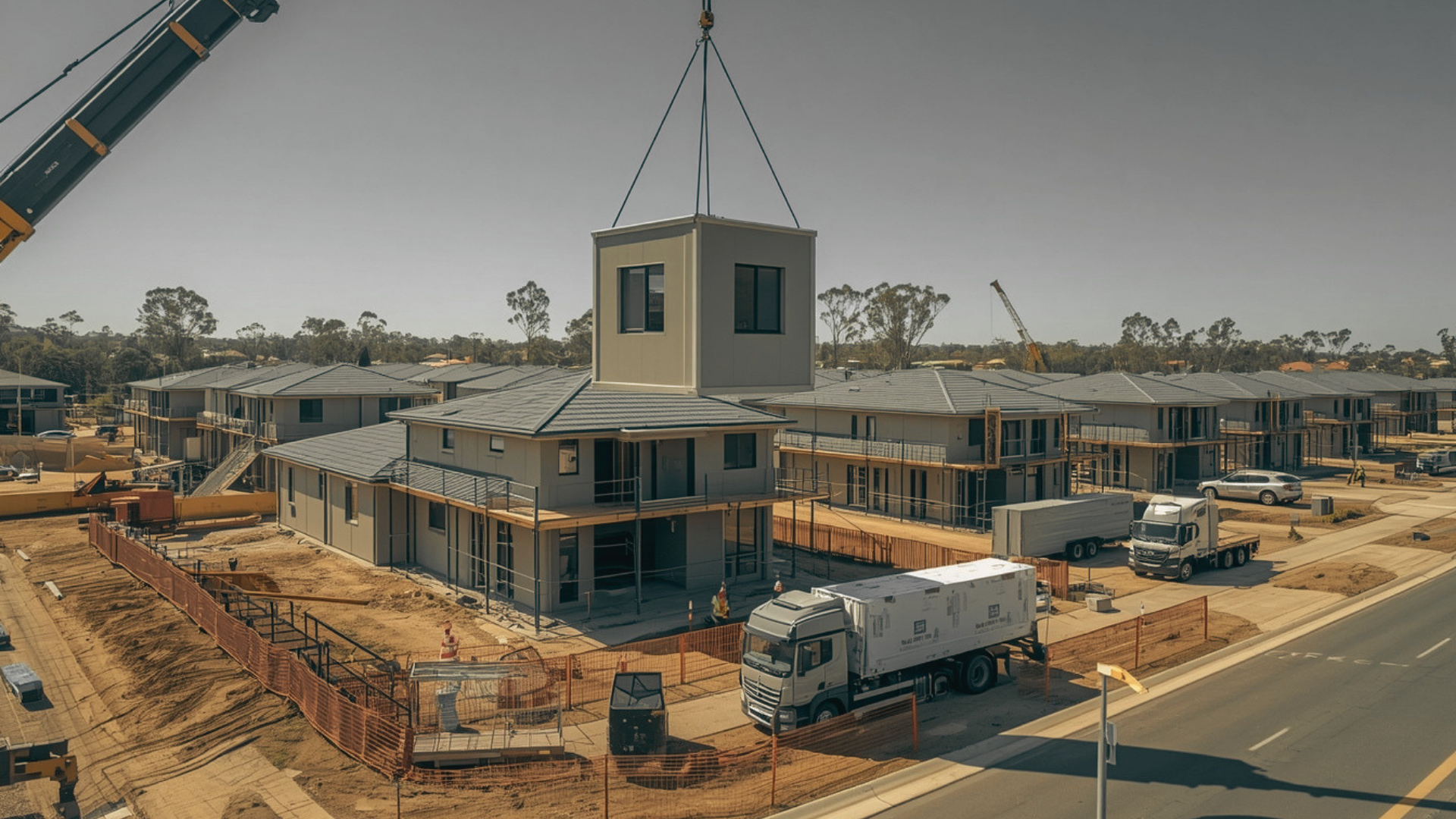
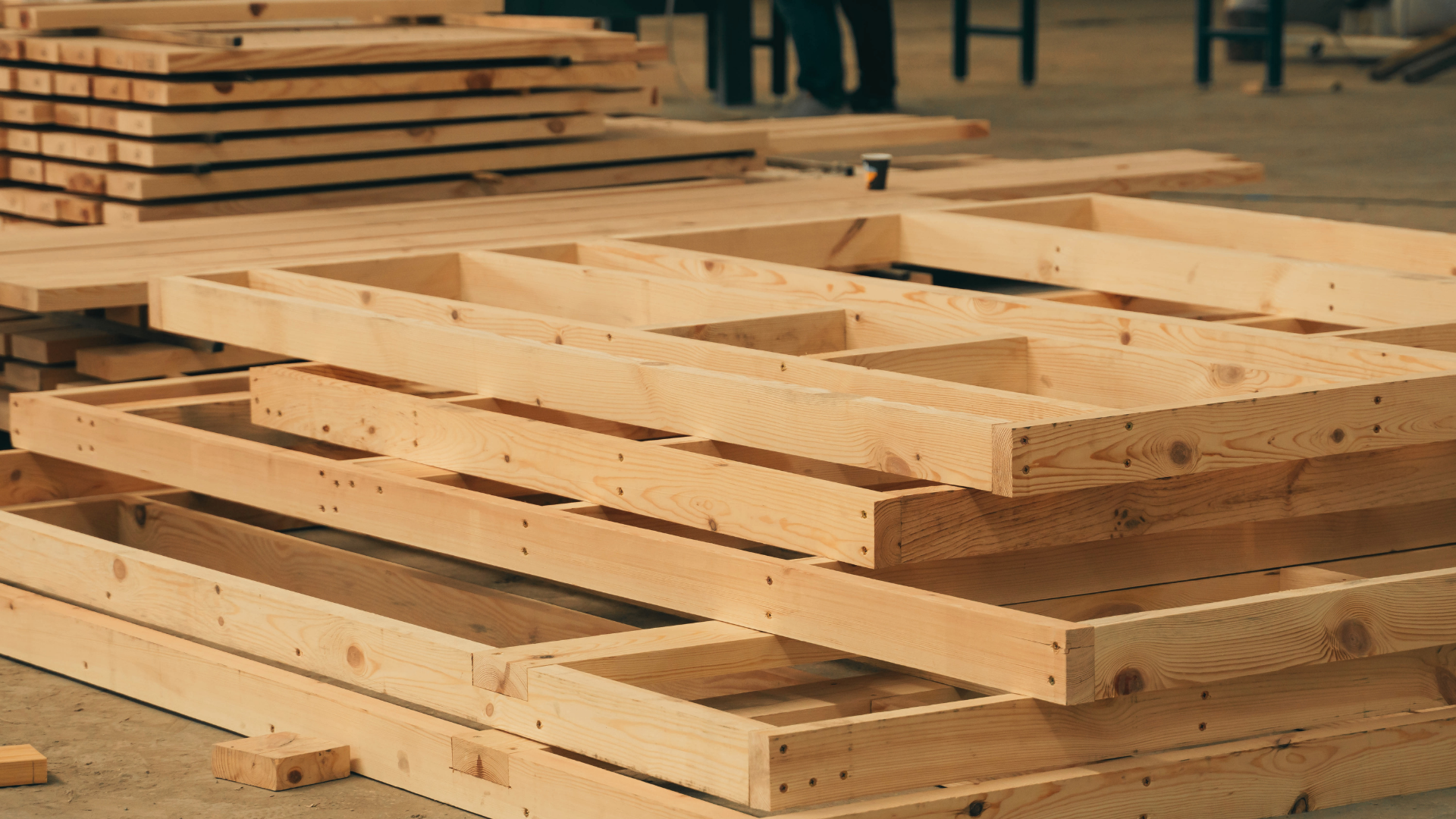
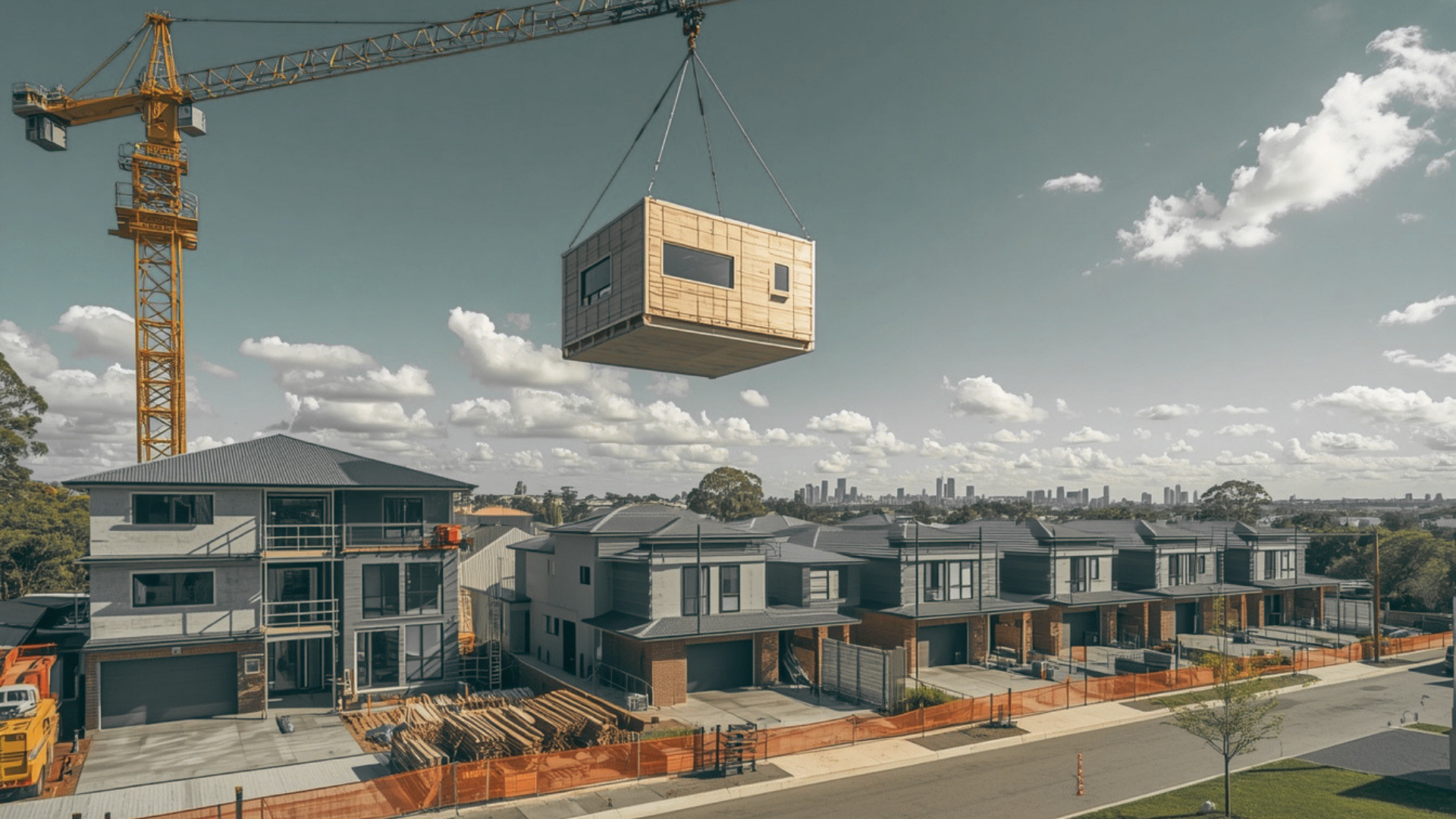
The Parliament of NSW records the Building (Approvals and Practitioners) Bill 2026 as having passed parliament on Tuesday 4 August 2026, with its status listed as awaiting assent [1]. The NSW Government said the legislation puts the state ahead of other Australian jurisdictions in setting a clear regulatory framework for modern methods of construction, by defining prefabricated buildings in law, integrating them into the building approvals system, and setting rules for their manufacture, supply, transport, delivery and installation [3]. The release put the potential of those methods at a reduction in overall building costs of up to 20 per cent and homes built up to 50 per cent faster, and said $32.3 million had been allocated in the 2026/27 Budget for implementation, including integration into the NSW Planning Portal and a pilot of artificial intelligence tools for licence application processing [3].
On the approvals side, the Government said the Bill draws fragmented and duplicative processes into a single piece of legislation, removes duplication between building and planning legislation, establishes staged approvals so construction can begin and occupation can occur as early as possible, and allows minor variations to an approval to proceed without a fresh planning consent where they fit the framework [3]. It put the saving from requiring only one set of designs for an apartment building at an average of $327,000 per block [3]. The same release said the Bill establishes a dispute resolution framework administered by Building Commission NSW and raises maximum fines for certifiers who breach conflict of interest rules from $33,000 to $1.1 million [3].
prefabAUS executive chairman Damien Crough said "Good regulation should enable innovation, not create uncertainty" [3]. Master Builders NSW executive director Matt Pollock said it would create "more opportunities for builders to construct more new homes faster in a controlled environment" [3].
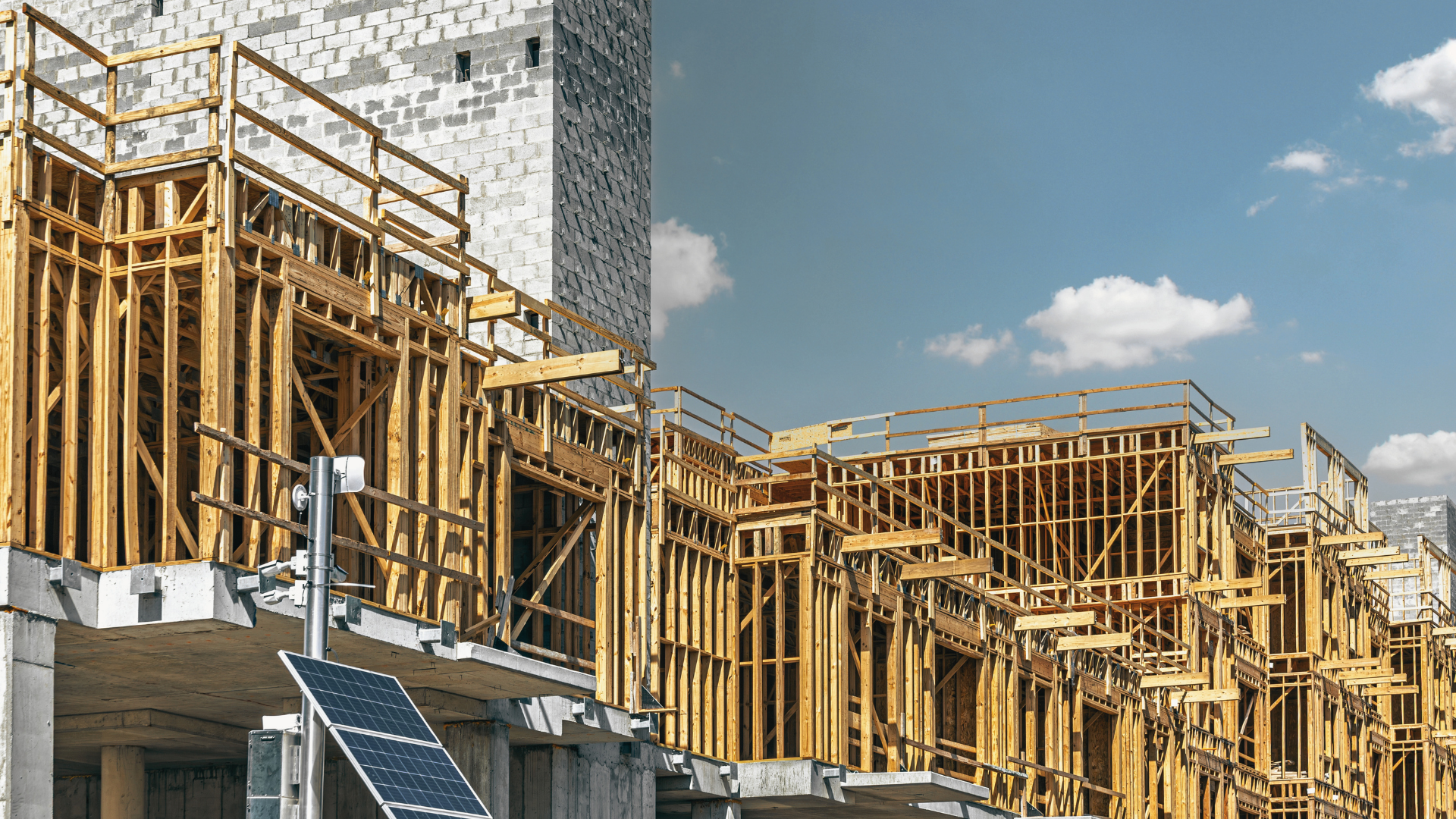
The text of the Bill as passed by both Houses carries a Part 8 headed Duty of care that received little coverage [2]. Under section 179, anyone carrying out construction work owes "a duty to exercise reasonable care to avoid economic loss caused by defects" in or related to the building, arising from that work, and the duty runs to every owner of the land and to each later owner, who may recover damages as though the duty arose at common law, whether or not the work was done under a contract [2]. Section 177 brings within construction work the manufacture or supply of "a building product used for" the work, together with anyone "supervising, coordinating, project managing or otherwise having substantive control over" it [2]. Section 181 states that "A person who owes a duty of care under this part cannot delegate the duty", and section 182 provides that "This part applies despite a contract or stipulation to the contrary made after the commencement of this part" [2].
A second Bill completed its passage the following day. The Parliament of NSW records the Fair Trading and Building Legislation Amendment Bill 2026 as having passed parliament on Wednesday 5 August 2026, after the Legislative Assembly agreed to amendments made in the Legislative Council, with its status also listed as awaiting assent [4]. The NSW Government said the Bill lays the final legislative groundwork for decennial liability insurance, an insurance product covering rectification costs arising from serious defects over 10 years, which attaches to the building so that owners remain covered if a developer or builder ceases to trade [5]. The release said passage of the Bill also hands clearer powers to NSW Fair Trading and to Building Commission NSW, allowing each to refuse or cancel licences obtained through misrepresentation or invalid qualifications, and stopping certifiers from surrendering their registration to avoid disciplinary action [5]. Building Commissioner Sherrard said the passage of the legislation "allows us to undertake the final assessments required so they can hit the market" [5].
Strategic Planning Reset and the Parramatta North Controls
The NSW Government has finalised the Sydney Plan, a framework running two decades and built around population growth from 5.3 million to 6.6 million by 2046 [13]. It identifies a need for at least 800,000 more homes and 950,000 more jobs over that period, sets job targets for each local government area for the first time, and requires each council's Local Environmental Plan to carry feasible capacity for at least 30 years of housing, with more than 2000 submissions shaping the final document [13]. Minister for Planning and Public Spaces Paul Scully said the plan "locks in a requirement for an ongoing pipeline of feasible housing supply, so we do not find ourselves back in the position we are in today" [13].
Two further instruments were released alongside it. The State Land Use Plan establishes a three-tier framework in which state planning guides regional plans, which in turn inform local strategic planning [13]. The Statewide Policy for Industrial Lands grades industrial land by state, regional and local significance, which the Government said gives industry and councils greater certainty on where investment is directed, noting that manufacturing, construction, warehousing, transport and logistics in Western Sydney contribute more than $83 billion a year [13].
The Sydney Morning Herald reported that Liberal leader Kellie Sloane would announce at a Housing Now! conference at Rosehill that a Coalition government would allow councils to depart from the low and mid-rise reforms, which allow apartment buildings of up to six storeys, along with dual occupancies, terraces and townhouses, within 800 metres of 171 town centres and transport hubs, and which the masthead reported as delivering 112,000 homes across a five-year period [6]. Under the policy, housing targets would be unchanged but councils could prepare their own master plans if they demonstrated equivalent yield, with existing settings applying where no alternate plan was approved [6]. Sloane said that "We need to build more homes but we also need to recognise that good planning isn't about applying the same template to every community" [6]. The report placed NSW roughly 40 per cent short of the delivery rate needed for its National Housing Accord commitments, and cited AMPLIFY findings that support for additional townhouses and apartments sits at 49 per cent, rising to 79 per cent where density is accompanied by public transport investment [6].
The Good Builder reported that the Parramatta North rezoning was finalised on 7 August 2026 over 33 hectares of mostly government owned land between the Parramatta CBD and the Westmead Health and Innovation District, carrying around 2,000 homes, up to 12,000 jobs and a university campus with capacity for up to 25,000 students [14]. It reported that heights now range from 9 metres to 81 metres and floor space ratios from 0.2:1 to 6.1:1, that heights were redistributed rather than uniformly reduced following 327 submissions, and that the Planning Systems SEPP was amended to create a State Significant Development pathway covering principal subdivision, development in the Heritage Core above $30 million, and housing development above $60 million [14]. Affordable housing was settled at 5 per cent, equating to at least 100 homes, with the Housing SEPP infill affordable housing bonus switched off inside the precinct, and a new clause setting minimum non-residential gross floor area at 60 per cent in the west and 25 per cent in the east [14]. The publication reported $124.5 million allocated in the 2026/27 budget for stage 1 enabling infrastructure [14].
Delivery Milestones from Metro West to the Harbour
The NSW Government said track laying is beginning at Sydney Olympic Park on Sydney Metro West, a 24-kilometre line running from Westmead to Hunter Street, with 5,316 tonnes of rail to be lowered 27 metres into the future station box, made up of 4,376 separate 20-metre steel lengths manoeuvred down from the surface [9]. It said 20 workers will spend three months welding the rail before work begins on the structural track base slab, with electrical and mechanical fit-out to follow before year end, and that 60 kilometres of track will be laid across the twin tunnels and at the Clyde Stabling and Maintenance Facility [9]. John Holland is delivering the rail systems, a scope taking in the tunnels, track, cross passages, caverns and the principal operational facilities, with the line due for completion in 2032 [9].
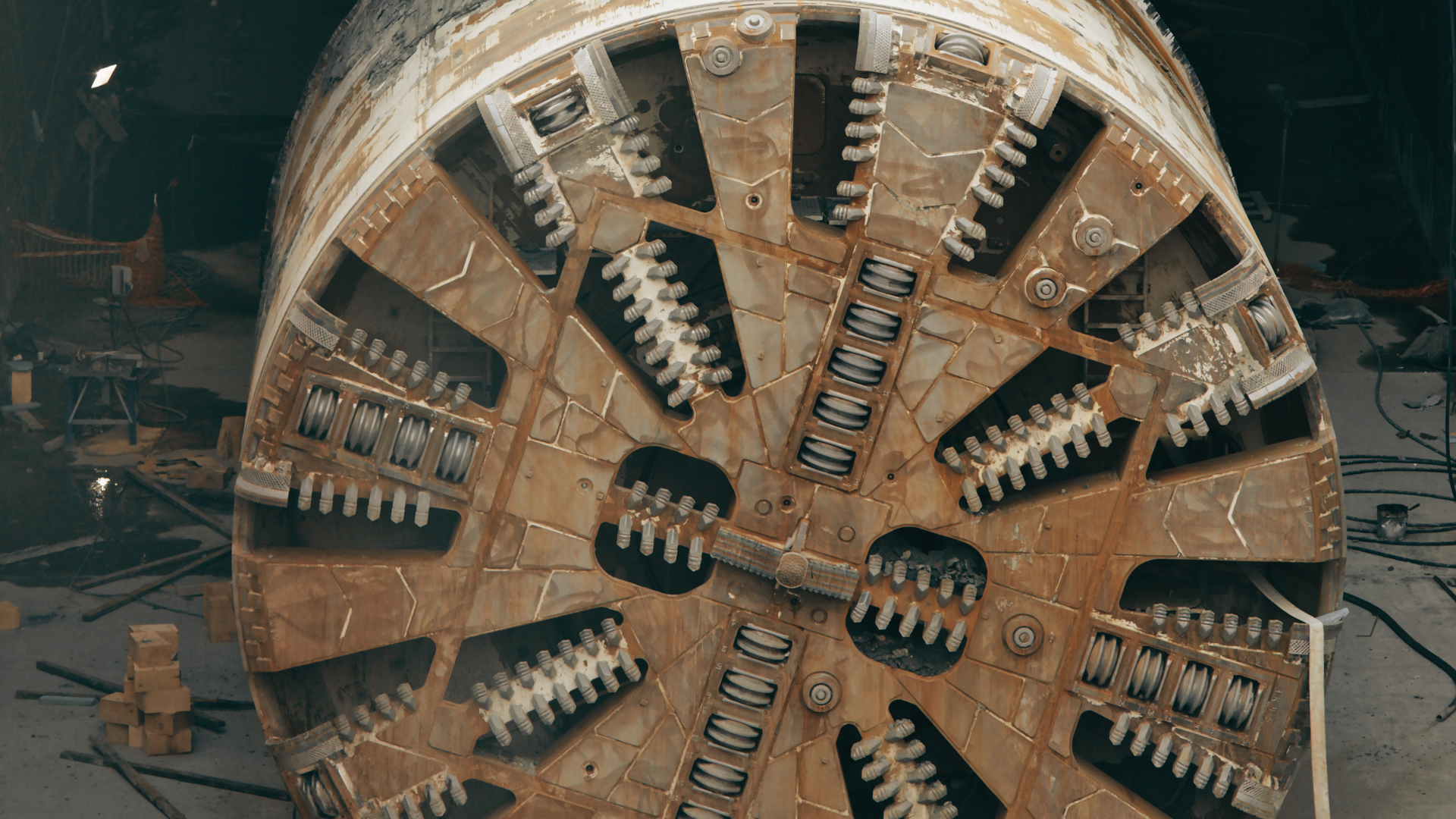
The Age reported from inside the tunnel boring machine Barangaroo, which has begun a 1.5-kilometre drive northwards beneath Birchgrove on one of the twin tunnels for the $7.4 billion Western Harbour Tunnel [10]. The report described a 137-metre-long, 4400-tonne machine held within five millimetres of its course and operated by Spanish contractor Acciona, with a second machine, Patyegarang, already more than 110 metres out from its launch chamber [10]. Acciona project director Andrew Marsonet said "These are the two biggest TBMs in the southern hemisphere at 15.71 metres cutting diameter" [10]. Each machine will cross separately beneath the harbour through 200 metres of clay, silt and sand, taking about six weeks operating around the clock, with hyperbaric chambers held in reserve; Marsonet said "We want to avoid having to send workers in under compression, but we will do it if we have to" [10]. The 6.5-kilometre motorway is due to open in late 2028 [10].
Inside Local Government reported that Port Macquarie Hastings Council welcomed confirmation from the NSW Government that upgrades to the Oxley Highway, on the section running from Hastings River Drive to the Pacific Highway at Thrumster, will proceed in stages, with Minister for Roads Jenny Aitchison confirming detailed design and works at the interchange with the Pacific Highway, and continued planning for the Wrights Road to Lake Road section following completion of a strategic business case by Transport for NSW [11]. Mayor Adam Roberts said funding allocations and construction timelines remain absent from the forward plan, and that "our community needs to be provided with a realistic timeline for physical construction works" [11].
Trade Earthmovers reported that Transport for NSW worked with the John Holland Gamuda Joint Venture, Boral and Calix on a trial of concrete made with calcined clay, carried out on site at the M1 extension between Black Hill and Tomago on the approach to Raymond Terrace [12]. The trial used 32 MPa concrete in which calcined clay replaced 30 per cent of the traditional cement, benchmarked against a mix substituting the same proportion of ground granulated blast furnace slag, and was laid as a cycleway [12]. The publication reported that the mixes showed strong compressive strength development and consistent setting in both laboratory and field conditions, and that the material moved through batching, delivery and placement on conventional plant, opening a path to wider use in lower-risk work [12].
Energy Logistics and the Data Centre Pipeline
Hunter Headline reported that Port of Newcastle is the first maritime facility in the state cleared to hold lithium-ion batteries at grid scale, with approval granted over its Mayfield Multipurpose Terminal after work with the Department of Planning, Housing and Infrastructure [7]. The publication reported that the staging capability supports a combined 1.7 gigawatts of dispatchable capacity and 6.8 gigawatt-hours of storage across three projects: the Tomago Battery, owned by AGL; the Eraring Battery, owned by Origin Energy; and the battery energy storage system at Bellambi Heights [7]. It reported that the port is delivering a $36 million berth extension to accommodate larger heavy-lift vessels [7]. Port of Newcastle chief executive Craig Carmody said "These are complex cargoes that require specialist handling, purpose-built infrastructure and the right safety systems" [7]. AGL Chief Operations and Construction Officer Matthew Currie said construction is underway on the 500 MW and 2000 MWh Tomago Battery, expected to be operational in the second half of 2027, and that the port allows the project team to receive and temporarily store battery units [7].
Urban Digest reported that an amended State Significant Development application has been lodged for the data centre campus proposed at 706 to 752 Mamre Road, Kemps Creek, consolidating the scheme from six buildings to three, reducing maximum building height from 40 metres to 27 metres, and cutting gross floor area on the 52-hectare site from 227,584 square metres to 108,627 [8]. Peak power consumption is unchanged at 1.2 GW, with the cooling system replaced by 840 air-cooled chillers and a proposed seven-metre perimeter wall removed in favour of landscaping and setbacks [8]. The publication reported that the amendment report puts estimated development cost at roughly $8.1 billion before GST, revised down from the $9 billion figure carried in the exhibited scheme, with 6,933 construction jobs and 800 operational jobs, and that the changes answer submissions received during exhibition in March and April [8].
Final Thoughts
Two patterns organise the week's coverage. The first is that the legislative activity reported by the Parliament of NSW and the NSW Government sits at the point between passage and commencement, not at the point of operation [1, 3, 5]. The Bill is recorded as awaiting assent, and the reporting of decennial liability insurance describes a market that regulators and insurers are still working to establish rather than one already available [1, 5]. The material detail in the reporting was concentrated less in the approvals architecture that carried the coverage and more in the provisions sitting underneath it, including the Part 8 duty of care that extends to those manufacturing and supplying building products and that cannot be delegated or contracted out of [2].
The second is that the planning and delivery reporting ran on a longer horizon than the legislative reporting. The Sydney Plan was framed around 2046, the Parramatta North controls were finalised before the first application, and the Oxley Highway works were confirmed in stages without funding or timelines attached [11, 13, 14]. Against that, the physical milestones reported this week were incremental and specific, being rail lowered into a station box, a second boring machine driving north, a concrete trial installed as a cycleway and a berth extension underway at a working port [7, 9, 10, 12]. The composition of the week's reporting was consistent with a sector setting frameworks well ahead of the work, while delivery proceeded on assets already committed.
-
Parliament of NSW (4 August 2026). Building (Approvals and Practitioners) Bill 2026, Bill Details. https://www.parliament.nsw.gov.au/parliamentary-business/bills/bill-details?billId=18895
-
Parliament of NSW (4 August 2026). Building (Approvals and Practitioners) Bill 2026, as passed by both Houses. https://www.parliament.nsw.gov.au/bill/files/18895/Passed%20by%20both%20Houses.pdf
-
NSW Government (5 August 2026). A modern era of construction methods and approvals begins. https://www.nsw.gov.au/ministerial-releases/a-modern-era-of-construction-methods-and-approvals-begins
-
Parliament of NSW (5 August 2026). Fair Trading and Building Legislation Amendment Bill 2026, Bill Details. https://www.parliament.nsw.gov.au/parliamentary-business/bills/bill-details?billId=18857
-
NSW Government (6 August 2026). Minns Labor Government lays final legislative groundwork for 10-year defects insurance for apartment buildings. https://www.nsw.gov.au/ministerial-releases/minns-labor-government-lays-final-legislative-groundwork-for-10-year-defects-insurance-for-apartment-buildings
-
The Sydney Morning Herald (6 August 2026). Liberal leader Kellie Sloane promises to let councils opt out of Minns government apartment reforms. https://www.smh.com.au/national/nsw/revealed-the-plan-to-let-sydney-councils-ditch-controversial-housing-reforms-20260804-p60lfd.html
-
Hunter Headline (9 August 2026). Port of Newcastle secures first NSW maritime approval for grid-scale battery logistics hub. https://hunterheadline.com.au/article/port-of-newcastle-secures-first-nsw-maritime-approval-for-grid-scale-battery-logistics-hub
-
Urban Digest (9 August 2026). $9bn Kemps Creek Data Centre Campus Enters Exhibition. https://urbandigest.com.au/ssd-92743706-9bn-kemps-creek-data-centre-campus-enters-exhibition
-
NSW Government (10 August 2026). First tracks begin to go down on Sydney Metro West. https://www.nsw.gov.au/ministerial-releases/first-tracks-begin-to-go-down-on-sydney-metro-west
-
The Age (10 August 2026). 'Every millimetre counts': Inside the beast tunnelling under Sydney Harbour. https://www.theage.com.au/national/nsw/every-millimetre-counts-inside-the-beast-tunnelling-under-sydney-harbour-20260804-p60la1.html
-
Inside Local Government (11 August 2026). Port Macquarie council welcomes Oxley Highway Corridor progress. https://insidelocalgovernment.com.au/port-macquarie-council-welcomes-oxley-highway-corridor-progress
-
Trade Earthmovers (11 August 2026). New South Wales trials calcinated clay concrete. https://tradeearthmovers.com.au/new-south-wales-trials-calcinated-clay-concrete
-
NSW Government (12 August 2026). Minns Labor Government finalises 20-year Sydney Plan. https://www.nsw.gov.au/ministerial-releases/twenty-year-sydney-plan-finalised
-
The Good Builder (12 August 2026). Parramatta North Rezoning Finalised Across 33 Hectares, With a New Approval Pathway and Affordable Housing Settled at 5%. https://thegoodbuilder.com.au/parramatta-north-rezoning-finalised-across-33-hectares-with-a-new-approval-pathway-and-affordable-housing-settled-at-5
The Pulse collates the latest news and opinions from third-party sources. Links, snippets or text are generated by an artificial intelligence engine. The Pulse aggregates news reports and does not claim to have copyright to the content. We have not fact-checked that content and cannot vouch for its accuracy or completeness. Nor do we endorse the opinions expressed by the authors or primary publishers. The content is provided as general information only and should not be relied on as a substitute for professional advice. You should contact the source to verify any factual content as well as taking specialist advice that takes your personal objectives and circumstances into account.
.png)
Kreisson
Produced by the team at Kreisson.
Browse Past Issues

.jpg)
Kreisson
We provide the construction industry with simple, easy to understand, solution-based legal advice.