Passed, Now Signed, Still Waiting: The Building Bill Becomes an Act as NSW Sets the Terms for Data Centre Load
The week's reporting turns on last week's Building Bill, now assented but not yet in force, and on data centre, grid and rail terms set before construction begins.
The Parliament of NSW records the Building (Approvals and Practitioners) Bill 2026 as assented on Friday 14 August 2026 and lists it as Act No 26 of 2026 [4], while section 2 of the Act as passed appoints commencement for all but two items of Schedule 3 by proclamation [2]. The Fair Trading and Building Legislation Amendment Bill 2026, which carries the decennial liability insurance reforms, passed a day later on Wednesday 5 August 2026, and the Parliament of NSW records it as awaiting assent [3]. Building Commission NSW published guidance on the scope that cover will have once the reforms are in force [11]. The Weekly Source reported that manufactured and prefabricated homes are drawn into the mainstream approvals system, with the separate council approval under section 68 of the Local Government Act 1993 removed once the provisions commence [10]. On enforcement, Building Commission NSW reported more than 150 inspections across Port Macquarie and New England in July, producing 25 fines with a total value of $17,600 [9].
The other strand of the week's coverage placed data centre growth at the centre of energy and water policy, with terms set on two fronts within days of each other. The NSW Government announced the NSW Data Centre Policy Framework, tying a 75 day assessment commitment to six stated principles and commissioning IPART to review water pricing for the sector, against a State Significant Development pipeline of 19 projects valued at $50.3 billion [6]. The Australian reported that Transgrid issued six criteria for allocating transmission capacity, effective from 14 August, with allocations at risk where the criteria are not met within three months of a conditional network deal [7]. On delivery, the Australian Government shortlisted three consortia for early contractor involvement on the Newcastle to Sydney High Speed Rail project, covering about 35 kilometres of twin tunnels between Berowra and Ourimbah [8], and ESD News reported the first sod turned at a grid-scale battery in Newcastle backed by state investment [5].
The Building Act Receives Assent, and Manufactured Homes Enter the Approvals System
The Parliament of NSW records the Building (Approvals and Practitioners) Bill 2026 as assented on Friday 14 August 2026, giving it the act number 26 of 2026 [4]. The same record shows the Bill passed parliament on Tuesday 4 August 2026 and was sent to the Governor by the Legislative Assembly on Thursday 13 August 2026 [4]. Section 2 of the Act as passed provides that it commences on the date of assent only for items 20 and 45 of Schedule 3, and otherwise on a day or days to be appointed by proclamation [2]. The Weekly Source reported that the bulk of the Act, the manufactured housing provisions among it, waits on proclamation rather than taking effect on assent, and that supporting regulations are still to be developed [10].
The companion Bill passed a day later but has not been assented. The Parliament of NSW records the Fair Trading and Building Legislation Amendment Bill 2026, which carries the decennial liability insurance reforms, as passing on Wednesday 5 August 2026 and lists its status as awaiting assent, with no assent date entered against it [3]. Building Commission NSW said those reforms were not operative on passage of the legislation, and that its guidance page would be updated once they commence [11].
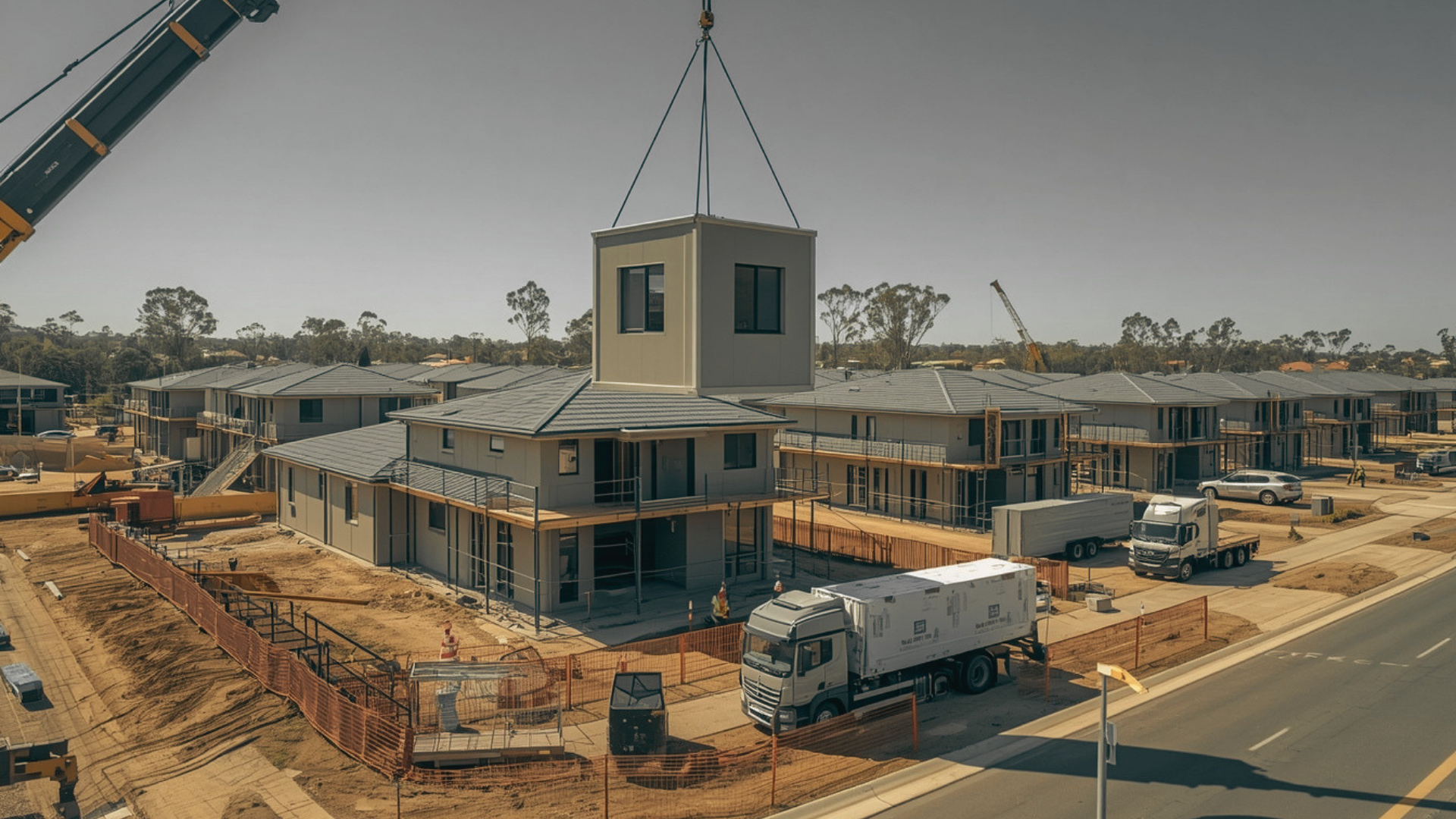
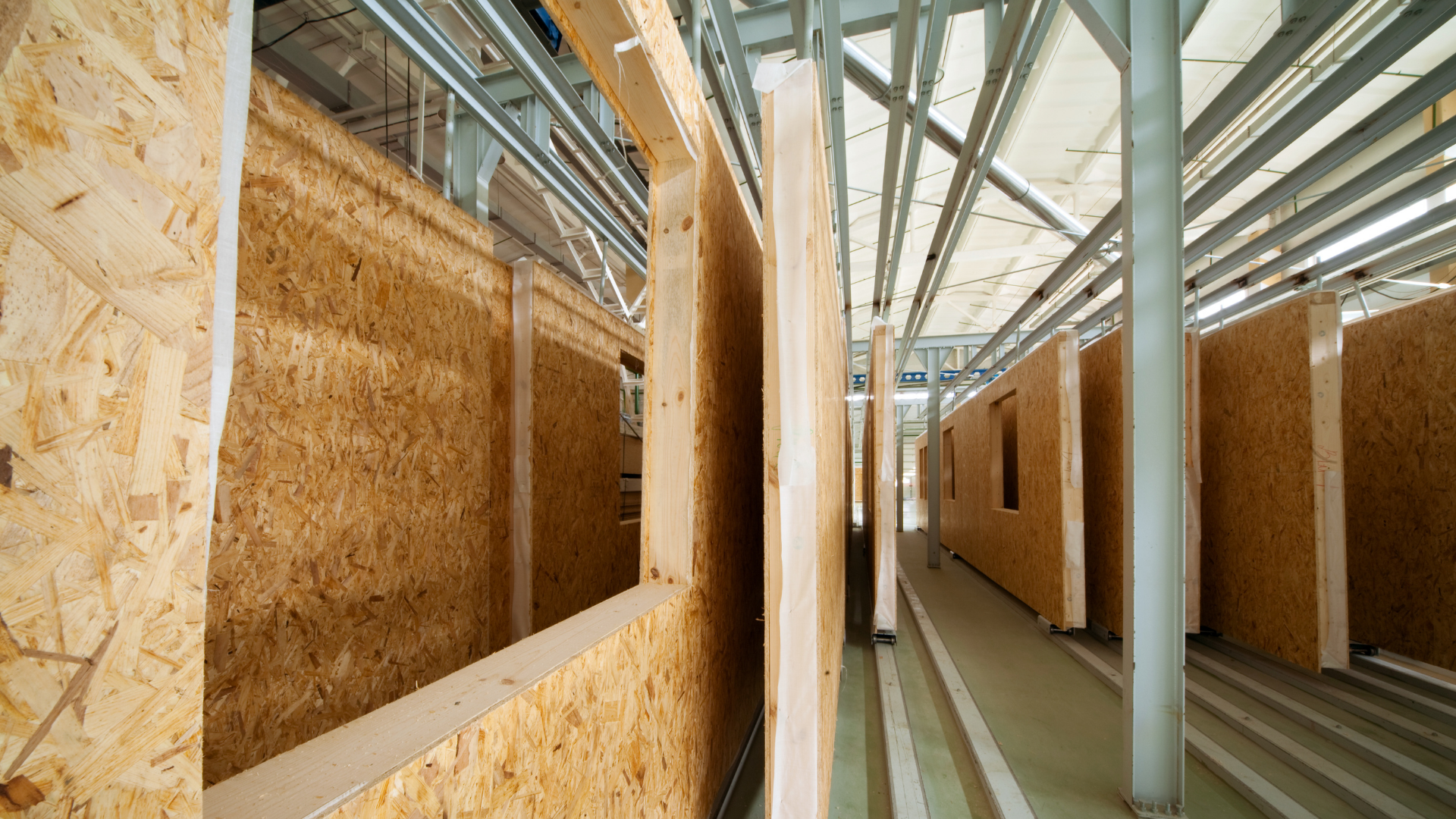
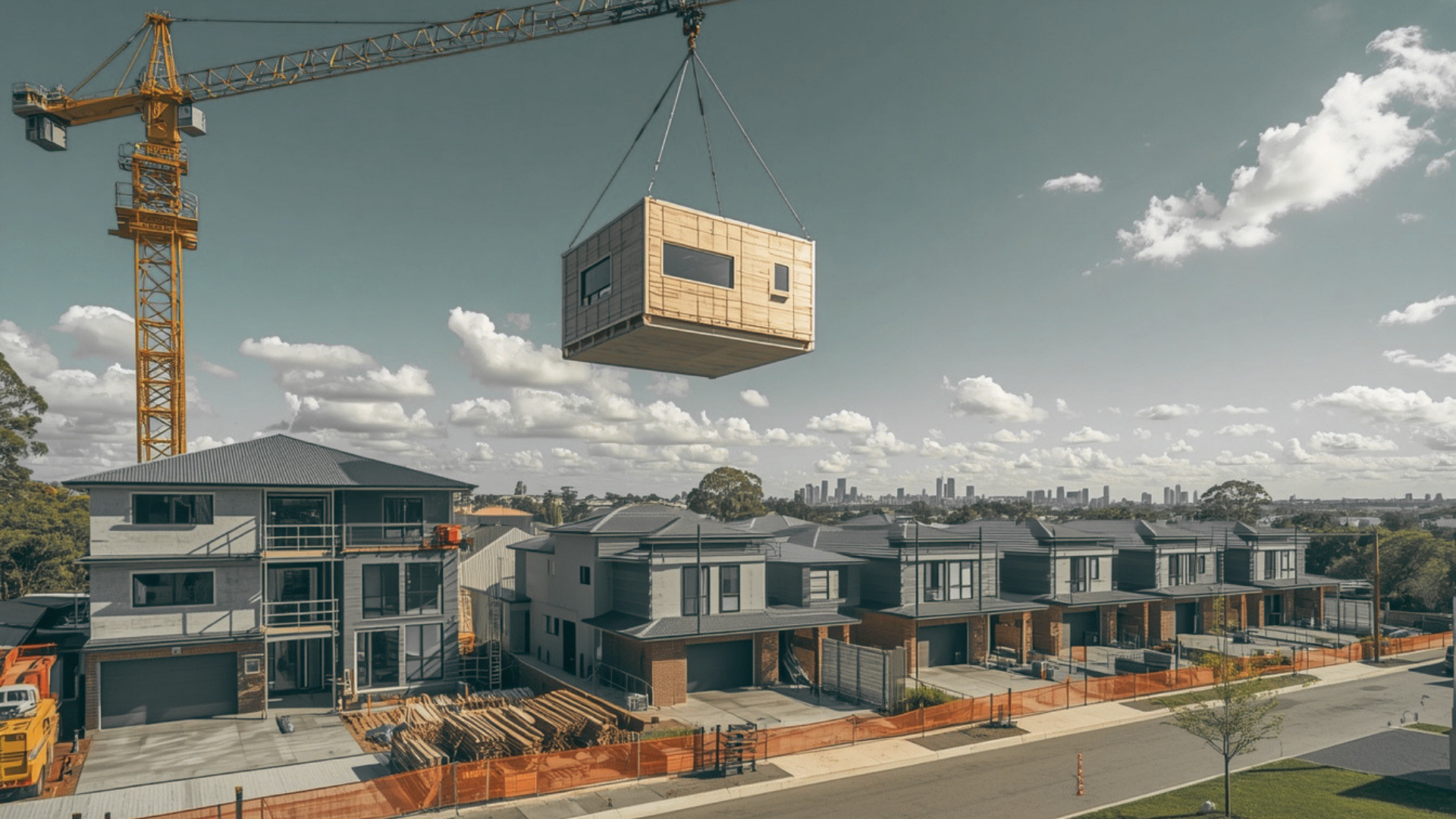
The Weekly Source reported that the Building (Approvals and Practitioners) Bill 2026 creates a framework for manufactured and prefabricated housing and removes the separate council approval currently needed under section 68 of the Local Government Act 1993 before a manufactured home can be installed [10]. It reported that manufactured homes presently fall outside the definition of a building in NSW planning legislation, which has left their installation on a separate regulatory track, and that the legislation lifts that exclusion and brings them within the building approvals and certification regime [10].
The mechanics sit in the schedules of the Act as passed. Schedule 4.4 replaces Part A of the table in section 68 of the Local Government Act 1993 with a single activity, installing a moveable dwelling or associated structure on land, and omits the definitions of manufactured home and manufactured home estate from that Act's dictionary [2]. Schedule 4.5 inserts a definition of manufactured home into the Residential (Land Lease) Communities Act 2013, covering a self-contained dwelling with at least one kitchen, bathroom, bedroom and living area, toilet and laundry facilities, made up of one or more major sections, and not a vehicle registrable under the Road Transport Act 2013 [2]. Section 12 defines a prefabricated building as a substantially complete building or room manufactured away from the site, or a modular component that becomes a building element once properly installed and cannot be inspected without destructive testing or opening, and states that a moveable dwelling is not a prefabricated building [2].
Tom Court, who directs Land Lease at the Property Council of Australia and whose Land Lease Roundtable advised while the legislation was being developed, said the reforms strip out duplicated council approvals while leaving the definitions of manufactured home and manufactured home estate intact [10]. The Weekly Source reported that approval for the land lease community itself is untouched, with land use permissibility, development consent and zoning continuing to apply, and that the model under which residents own the home while the operator owns or controls the land is preserved along with its existing stamp duty treatment [10]. It reported that the Caravan and Camping Industry Association NSW said the reforms came after years of dialogue with the NSW Government about manufactured housing, land lease communities and holiday parks, that the new framework suits modern methods of construction, and that the association will keep working with Building Commission NSW and the Department of Planning, Housing and Infrastructure while the supporting regulations are prepared [10].
Decennial Liability Insurance Ahead, Compliance Inspections Now
Building Commission NSW described decennial liability insurance as a product allowing an owners corporation to have a serious defect rectified at any point in the decade following first occupation of the apartment building [11]. It said the developer or builder would buy the policy ahead of occupation and that it would attach to the building, so that successive owners can claim across the ten year period, and that it is intended to operate as an insurance of first resort, allowing a claim as soon as a defect is identified [11]. It said cover would extend to critical elements of the common property, naming the structure, fire safety systems and waterproofing [11]. It also said a regulatory impact statement has been published on the proposal to mandate the insurance in place of the strata building bond once a transitional period ends [11]. Building Commission NSW said that on commencement, the insurance must respond where a defect traceable to non-compliance with approved building plans, Australian Standards or the Building Code of Australia causes, or is likely to cause, damage or a risk of death or serious injury [11].
The regulator drew a distinction between the proposed cover and an existing product. It said that from August 2022 to 24 October 2024, the Latent Defect Insurance product offered by Resilience Insurance was accepted as a form of building bond under the Strata Building Bond and Inspections Scheme, but that the product does not answer the description of decennial insurance under the Strata Schemes Management Act 2015 [11]. It said developers holding that cover from the relevant period may still submit the policy as a building bond, provided the documentation is clearly dated, executed and legally binding and the scheme's inspection and reporting requirements are met [11].
The policy work behind the reform sits in a discussion paper prepared by the Decennial Liability Insurance Ministerial Advisory Panel and delivered to the NSW Government in August 2022, which Building Commission NSW publishes alongside its guidance [1, 11]. The paper set out four findings and three recommendations and put two models to government: a mandatory scheme introduced after a transition period and replacing the strata building bond, which the panel preferred, or a voluntary scheme as an alternative to the bond [1, 11]. The panel recorded that in the absence of a mandate once the transition period ends, it is not clear a mature market can form to give apartment owners long term protection [1]. It recommended that a developer or builder still be required to remediate defects first, with the insurer to offer that party the chance to remediate before the policy is triggered, and that single-use build-to-rent Class 2 buildings held in that use for at least ten years be excluded from both the bond and the insurance [1]. The paper recorded statutory warranties under the Home Building Act 1989 as capped at six years for major defects and two years for minor ones, with fault to be established before any remedy under the implied terms arises [1].
In the same week the regulator reported on its July inspection round in regional NSW. Building Commission NSW said it completed more than 150 site inspections across Port Macquarie and New England, resulting in 25 fines worth $17,600 in total [9]. It said 123 general compliance inspections were carried out at Class 1 residential sites in Port Macquarie, Forster and Nelson Bay, producing 21 fines totalling $14,850 together with 21 cautions, with most fines relating to unlicensed residential building work, absent signage on development consent work, and unauthorised plumbing or drainage work [9]. It said the round produced no Written Direction Notices and no Building Rectification Orders, unlike the previous year's visits to the Mid North Coast [9]. In the New England region, 32 Class 1 sites at Armidale, Calala, Kootingal, Moore Creek, East Tamworth and North Tamworth returned four fines totalling $2,750 [9]. NSW Building Commissioner James Sherrard said "Where non-compliant work is detected, our inspectors will be issuing fines and orders to ensure these problems are rectified" [9].
Grid Capacity, Data Centre Load and the Terms Set Before Construction
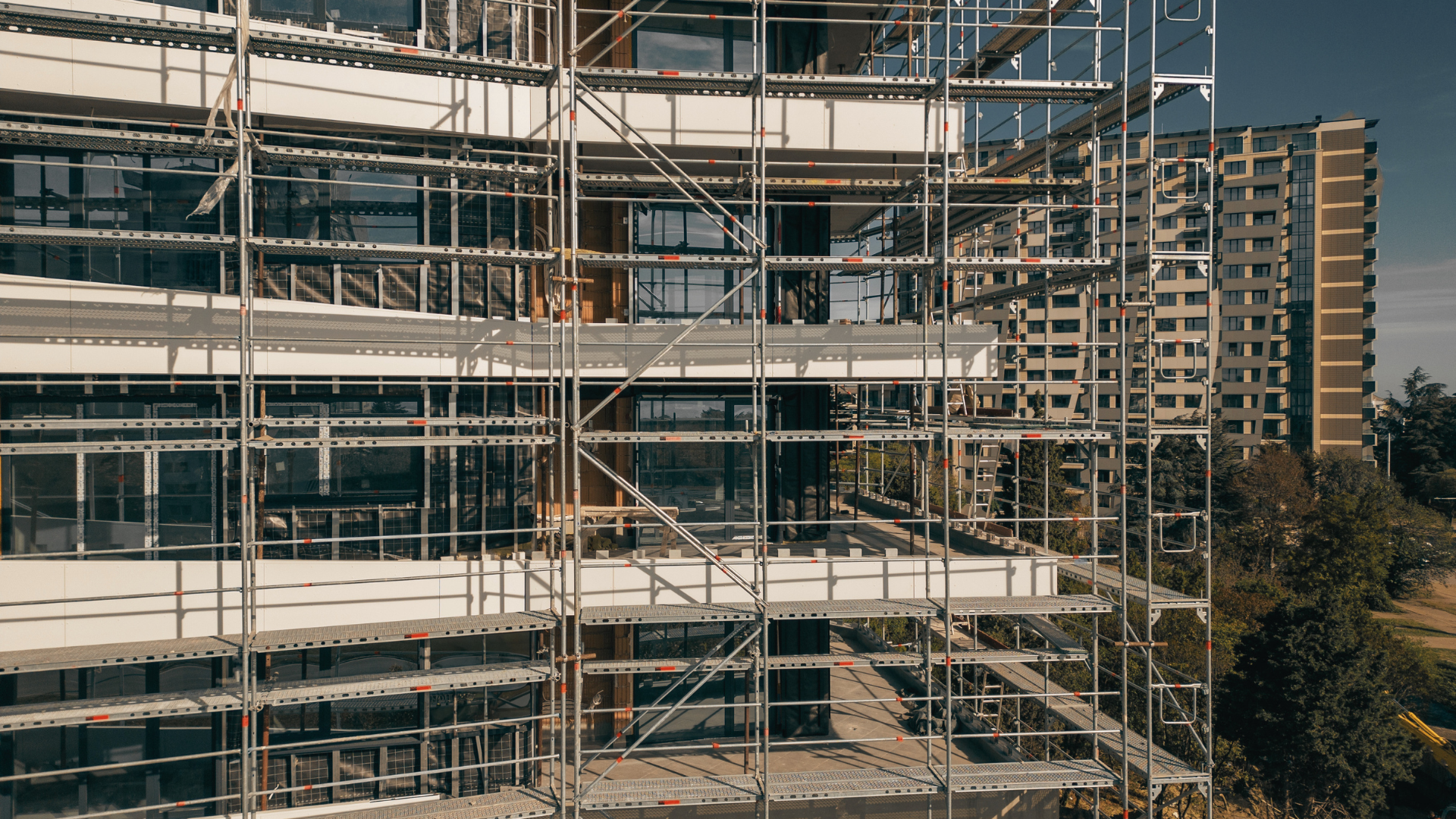
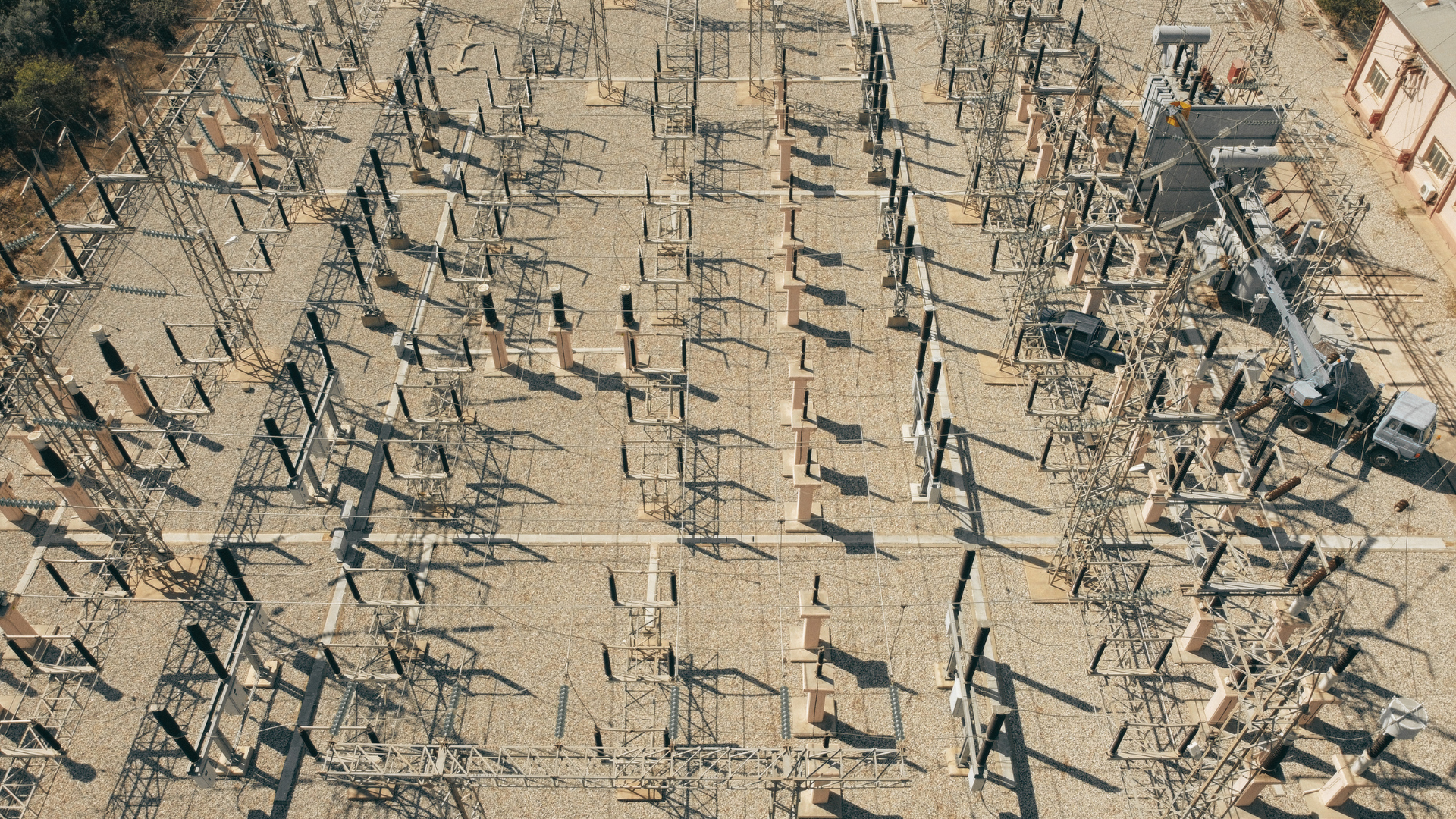
The NSW Government announced the NSW Data Centre Policy Framework, which it said will require future data centre investment to be matched by additional investment in renewable generation and in water infrastructure [6]. Proponents seeking a streamlined assessment must comply with the NSW Data Centre Guidelines, which set performance measures against six principles: world-class environmental and efficiency standards; no net cost on consumers and communities; funding additional water and energy supply; enhancing local infrastructure and amenity; investing in future industries across the supply chain; and a commitment to training and skills [6]. Projects meeting those measures receive a commitment to assessment inside 75 days, with planning, environmental and community consultation standards continuing to apply, alongside changes to Independent Planning Commission processes [6].
The Government said it has introduced legislation enabling regulatory changes so that the cost of a network upgrade driven by a data centre falls on that operator rather than on households and small businesses, and that IPART has been commissioned to review the water pricing framework for the sector [6]. It said 19 data centre projects valued at $50.3 billion sit in the State Significant Development pipeline alongside more than 60 facilities already operating or under construction [6]. Penny Sharpe, the Minister for Climate Change, Energy and the Environment, said the reforms "will make sure data centre growth drives investment in renewable energy, while holding operators to the highest air quality standards" [6].
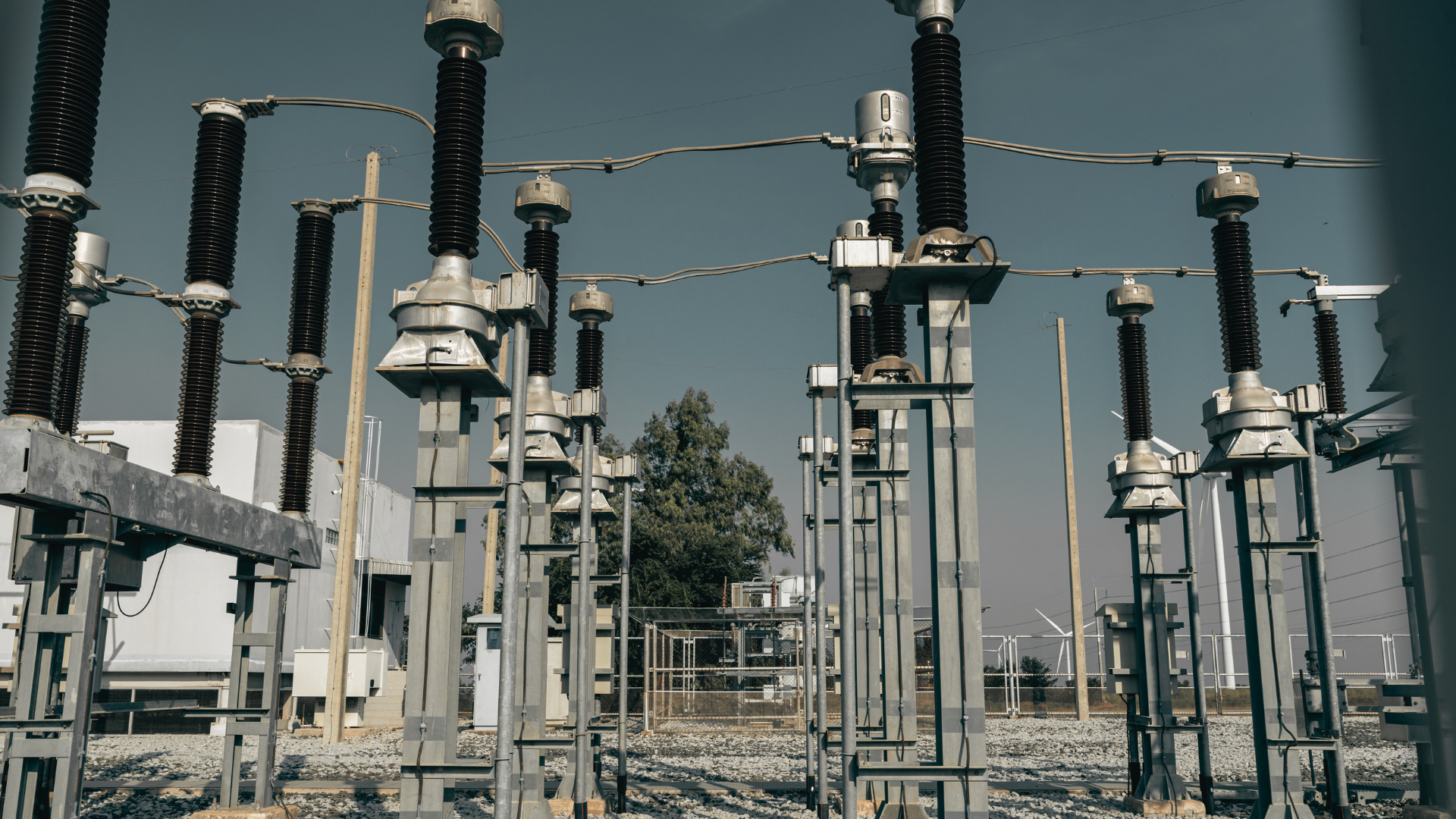
The Australian reported that Transgrid wrote to prospective and current data centre operators setting out six criteria governing how capacity on its transmission network is allocated, covering land, permits, construction, financing, long lead equipment and performance standards, with the rules taking effect on 14 August [7]. It reported that the criteria take in Foreign Investment Review Board approval and executed underwriting agreements covering early construction and equipment work, and that developers may lose their energy capacity allocation where a network connection agreement is terminated or where the criteria are not met within three months of signing a conditional deal [7]. Transgrid said in the letter that it needs to manage network planning assumptions consistently and transparently, "particularly where recognition of one project materially affects the capacity available to others" [7]. The masthead reported Transgrid is at an advanced stage of negotiation over connecting 8 gigawatts of data centre load, a figure it placed on par with what NSW draws on an average day, between 7.5 GW and 10 GW, and that NSW has $100 billion of data centre projects under consideration [7].
The terms being set ahead of construction were not confined to the grid. The Australian Government shortlisted three construction consortia for an Early Contractor Involvement process on the Newcastle to Sydney High Speed Rail project: the Acciona John Holland Joint Venture; the Advanced Alliance Joint Venture, made up of Gamuda Engineering, FCC Construction Australia and Samsung C&T Corporation; and the GoFar Joint Venture, made up of CPB Contractors, Ferrovial Construction (Australia) and VINCI Construction Grands Projets Australia [8]. It said the three will compete to develop plans for Area Package 1 between Berowra and Ourimbah, taking in a new Central Coast High Speed Rail Station at Gosford and roughly 35 kilometres of twin tunnels [8]. It said the High Speed Rail Authority is running the process to settle cost, scope, design and approvals, and that no major construction contract is to be let before the Australian Government takes an investment decision [8]. High Speed Rail Authority chief executive Tim Parker said the work would map out "things like the diameter of the tunnels we will build for Australia's first high speed trains, what kind of mega tunnel boring machines we need and how we build the first high speed rail station at Gosford" [8].
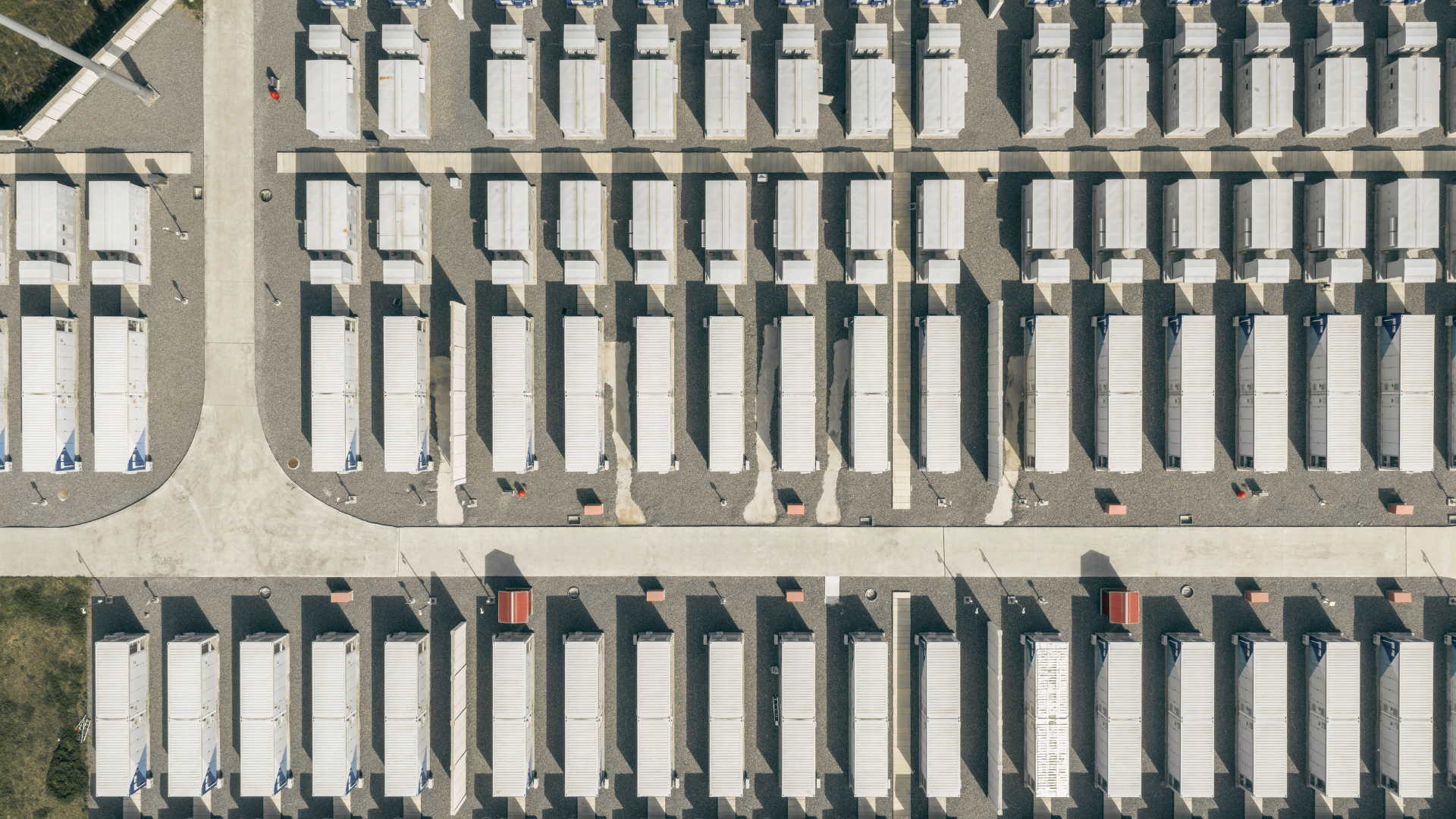
Elsewhere in the Hunter, construction has begun. ESD News reported that PLUS Grid Storage turned the first sod at the Steel River East Battery Energy Storage System, located within the Steel River Industrial Estate in Newcastle, the company's first grid-scale battery [5]. It reported the completed facility will carry 112 Tesla Megapack 2XL units, with roughly 2,200 cubic metres of concrete and over 200 tonnes of reinforcing steel going into the works, and delivery in partnership with SCEE Electrical, a subsidiary of SCEE Group [5]. It reported that backing comes from the Energy Security Corporation, a NSW Government body, through a $100 million commitment to the company's battery portfolio across Sydney, Newcastle and the Hunter, with the battery expected to be operational in late 2027 [5]. PLUS Grid Storage executive Kelly Wood said "Battery storage is becoming increasingly important as more renewable energy enters the grid" [5].
Final Thoughts
Assent without commencement runs through the legislative coverage. The Parliament of NSW records the Building (Approvals and Practitioners) Bill 2026 as assented on 14 August 2026 [4], while section 2 of the Act as passed leaves commencement for all but two items of Schedule 3 to proclamation [2], and Building Commission NSW states that the reforms it describes did not take effect on passage [11]. The Weekly Source reported that supporting regulations remain to be developed and will settle how manufactured homes are installed, altered and relocated [10]. What the sources describe is a framework settled in statute and still waiting on the instruments that will switch it on.
The energy and infrastructure coverage ran the other way, with terms written and already operative. The NSW Government tied a 75 day assessment commitment to compliance with six stated principles and commissioned a review of water pricing for the sector [6], while The Australian reported Transgrid's six connection criteria taking effect from 14 August, with capacity allocation forfeited where those criteria are not met within three months [7]. The same sequence appeared in procurement, where the High Speed Rail Authority is running an early contractor process to settle cost, scope, design and approvals before any construction contract is let [8], and construction has started on one Newcastle battery [5]. In three of the four, the terms were reported as fixed before the work they govern begins; in the fourth, the work is already under way.
-
NSW Department of Customer Service (August 2022). Decennial Liability Insurance Ministerial Advisory Panel, Discussion Paper: Advice to NSW Government. https://www.nsw.gov.au/media/25989/download
-
Parliament of NSW (4 August 2026). Building (Approvals and Practitioners) Bill 2026, text as passed by both Houses. https://www.parliament.nsw.gov.au/bill/files/18895/Passed%20by%20both%20Houses.pdf
-
Parliament of NSW (5 August 2026). Fair Trading and Building Legislation Amendment Bill 2026, Bill Details. https://www.parliament.nsw.gov.au/parliamentary-business/bills/bill-details?billId=18857
-
Parliament of NSW (14 August 2026). Building (Approvals and Practitioners) Bill 2026, Bill Details. https://www.parliament.nsw.gov.au/parliamentary-business/bills/bill-details?billId=18895
-
ESD News (16 August 2026). Construction begins at Steel River East BESS. https://esdnews.com.au/construction-begins-at-steel-river-east-bess
-
NSW Government (16 August 2026). Nation-leading framework to harness NSW data centre investment. https://www.nsw.gov.au/ministerial-releases/nation-leading-framework-to-harness-nsw-data-centre-investment
-
The Australian (16 August 2026). Data centres developers face rule blitz from Transgrid. https://www.theaustralian.com.au/business/data-centres-developers-face-rule-blitz-from-transgrid/news-story/55f541a1db4797e545579ed261c3ff63
-
Minister for Infrastructure, Transport, Regional Development and Local Government (17 August 2026). Tunnellers' visions to shape Australia's High-Speed Rail. https://minister.infrastructure.gov.au/c-king/media-release/tunnellers-visions-shape-australias-high-speed-rail
-
NSW Government (17 August 2026). Blitzed building sites show improvements in Port Macquarie and New England. https://www.nsw.gov.au/ministerial-releases/blitzed-building-sites-show-improvements-port-macquarie-and-new-england
-
The Weekly Source (17 August 2026). Reforms set to improve approval pathway for manufactured homes. https://www.theweeklysource.com.au/reforms-set-to-change-approval-pathway-for-land-lease-and-manufactured-homes
-
NSW Government, Building Commission NSW (18 August 2026). Ten year defect insurance for apartment buildings. https://www.nsw.gov.au/departments-and-agencies/building-commission/industry-changes/ten-year-defect-insurance-for-apartment-buildings
The Pulse collates the latest news and opinions from third-party sources. Links, snippets or text are generated by an artificial intelligence engine. The Pulse aggregates news reports and does not claim to have copyright to the content. We have not fact-checked that content and cannot vouch for its accuracy or completeness. Nor do we endorse the opinions expressed by the authors or primary publishers. The content is provided as general information only and should not be relied on as a substitute for professional advice. You should contact the source to verify any factual content as well as taking specialist advice that takes your personal objectives and circumstances into account.
.png)
Kreisson
Produced by the team at Kreisson.
Browse Past Issues


Kreisson
We provide the construction industry with simple, easy to understand, solution-based legal advice.