Prefab, Pipelines and Penalties: NSW Passes New Building Laws as the Approvals Pipeline Widens
This week's reporting centred on the machinery of approval rather than on any single consent.
The Minns Government confirmed its building reforms had cleared NSW Parliament, giving prefabricated buildings a statutory definition, folding them into the building approvals system, and lifting the maximum fine for certifiers who breach conflict of interest rules from $33,000 to $1.1 million [12]. SafeWork NSW published its 2026-27 Regulatory Statement, holding its four enforcement priorities steady and releasing figures covering more than 600 incidents involving falls from height in the preceding 12 months, five of them fatal, together with over 2,200 service requests connected to psychosocial hazards [3]. On the planning side, the Housing Delivery Authority recommended a further 17 declarations, taking the running total to 493 proposals and close to 153,000 homes [6], while Urban Digest logged 43 State Significant Development status changes in a single week [9].
Delivery reporting ran in parallel, weighted toward enabling infrastructure and health projects. EnergyCo secured planning approval for the Hunter Transmission Project, a 110 km, 500 kV link between Bayswater and Olney reported as supporting around 830 construction jobs [7]; the NSW Government committed $225 million toward early works in the South West Renewable Energy Zone, including raising the Dinawan substation from 330 to 500 kilovolts months after Transgrid finished Project EnergyConnect at a final cost of $3.6 billion [2]; and Greensteel Australia's $500 million Mayfield North mill was reported as Australia's first new steel plant in more than three decades [8]. In health, the eight-storey Shellharbour Hospital reached its highest point under BESIX Watpac [1] and fit-out advanced at the $330 million Eurobodalla Regional Hospital [10], while Sydney Water moved to a second stage of Wilton water and wastewater works sized for about 4,000 additional homes [5].
Building Approvals, Certifier Penalties and the Regulator's Priorities
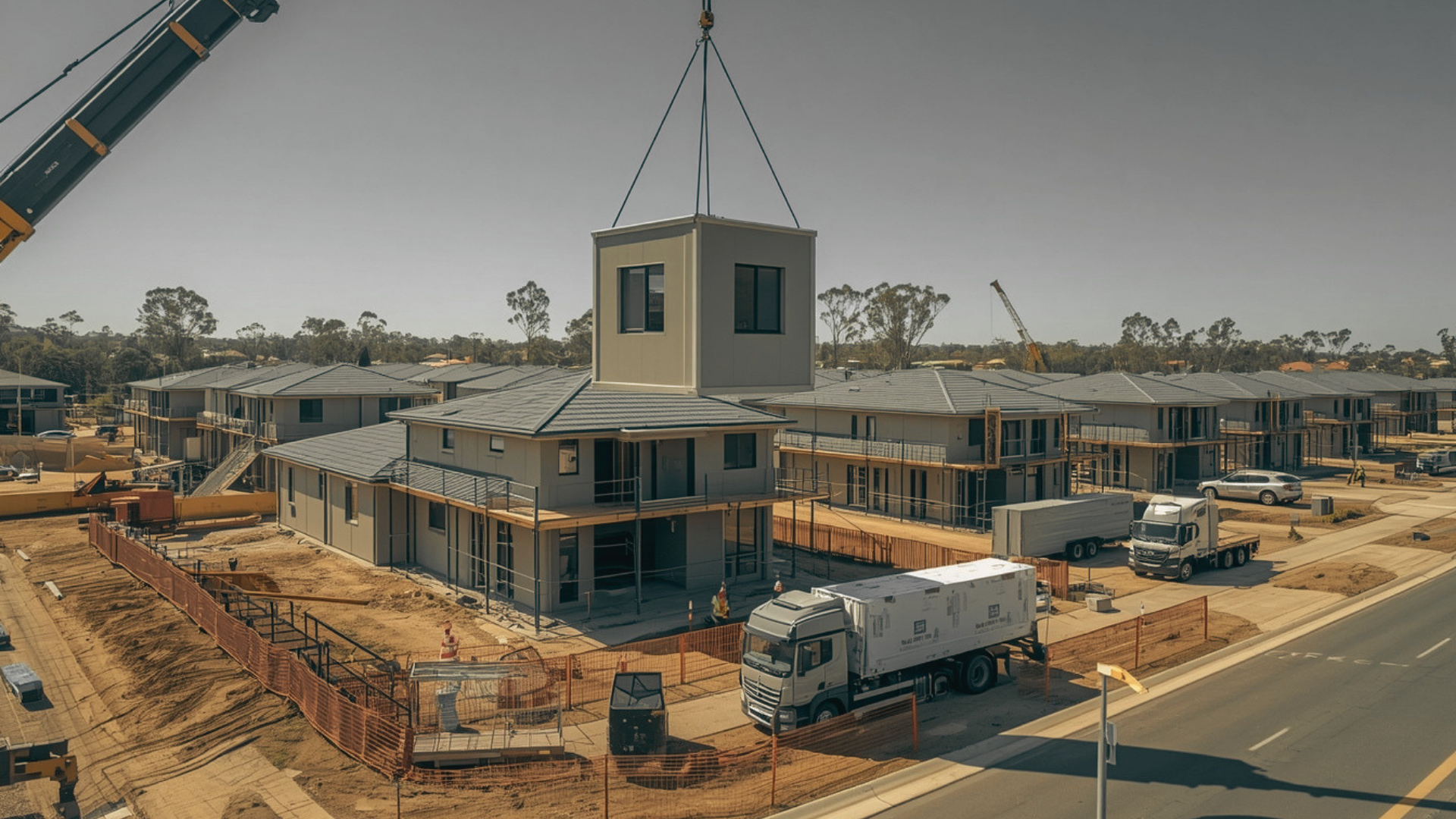
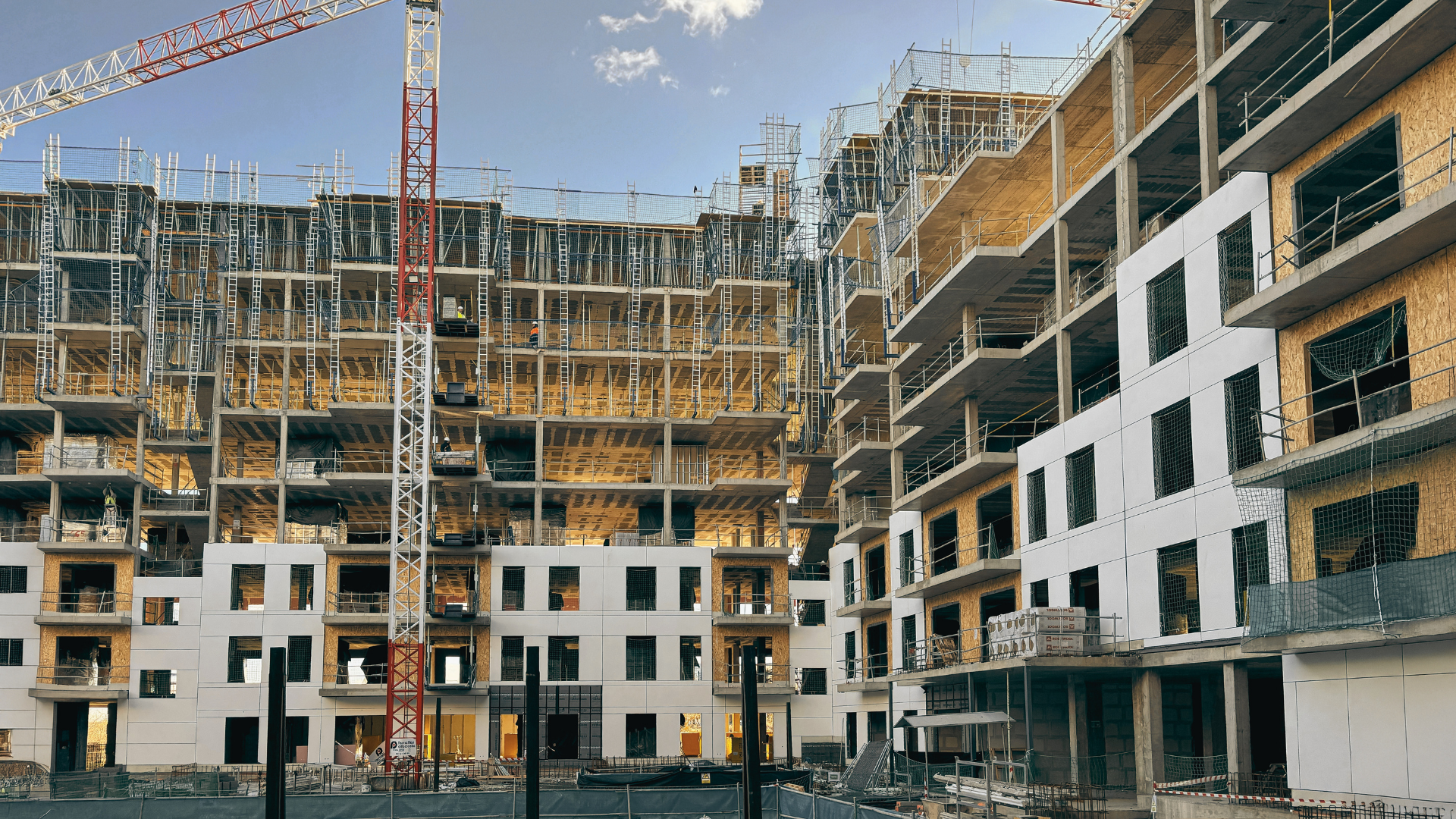
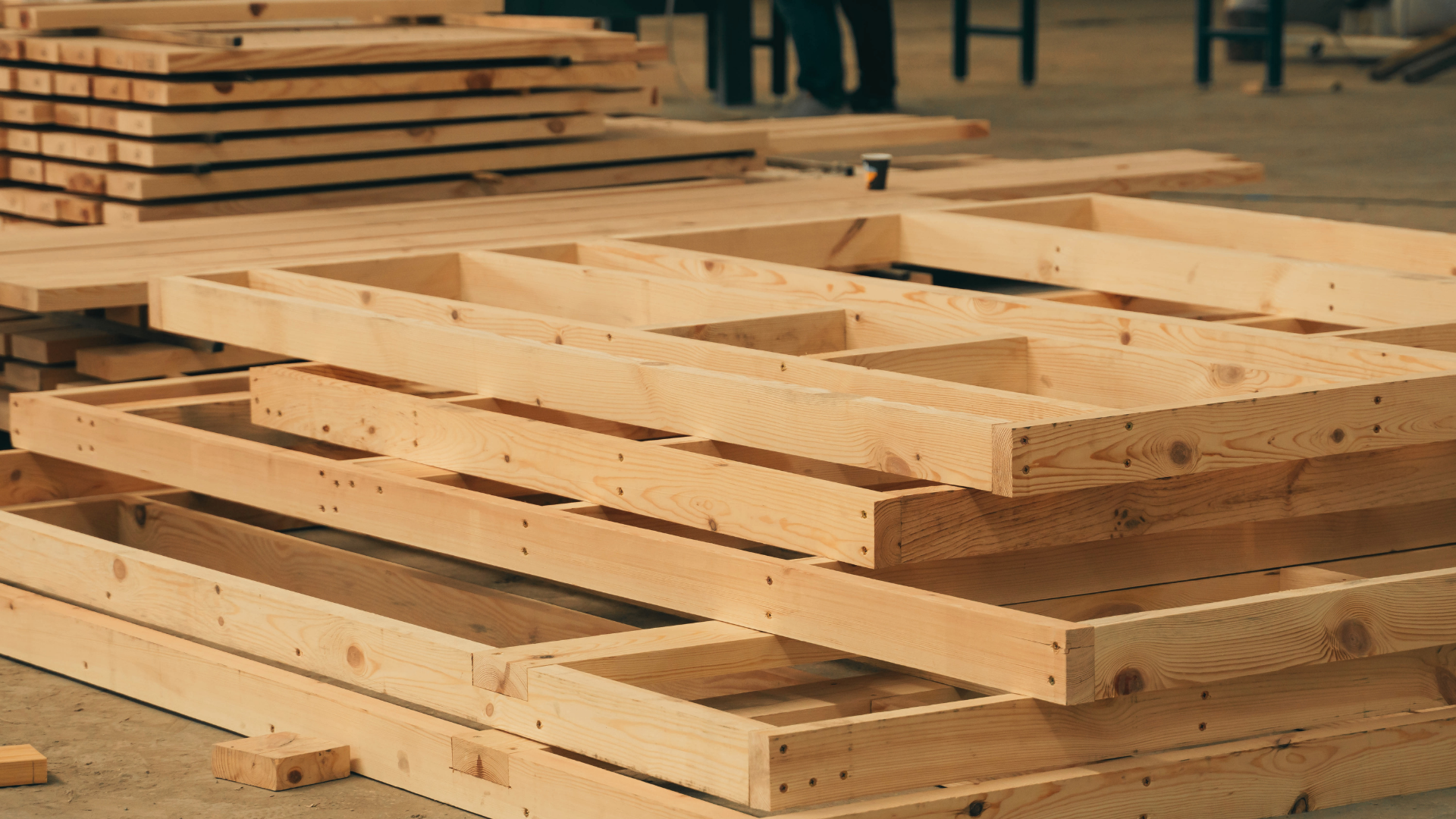
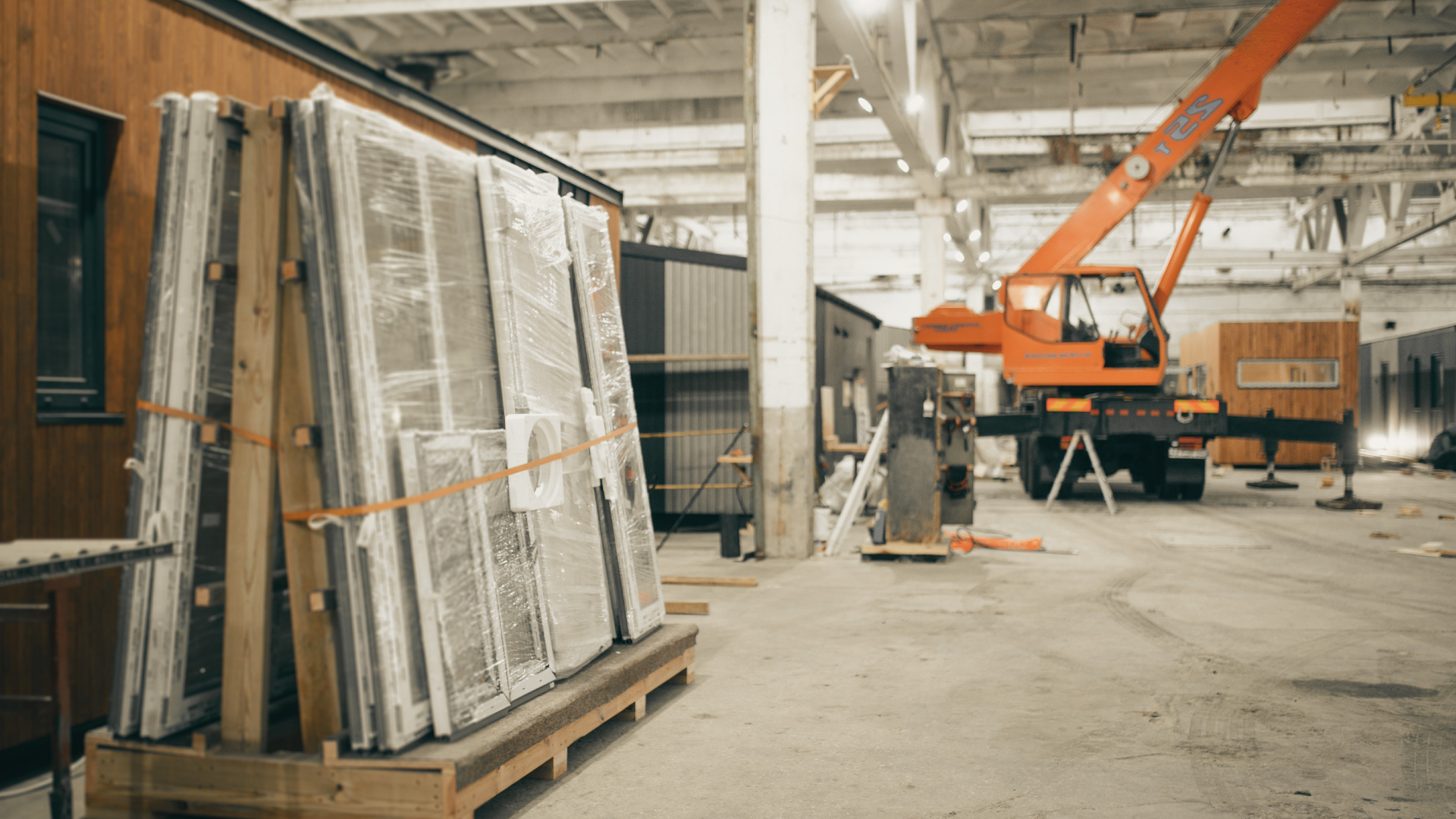
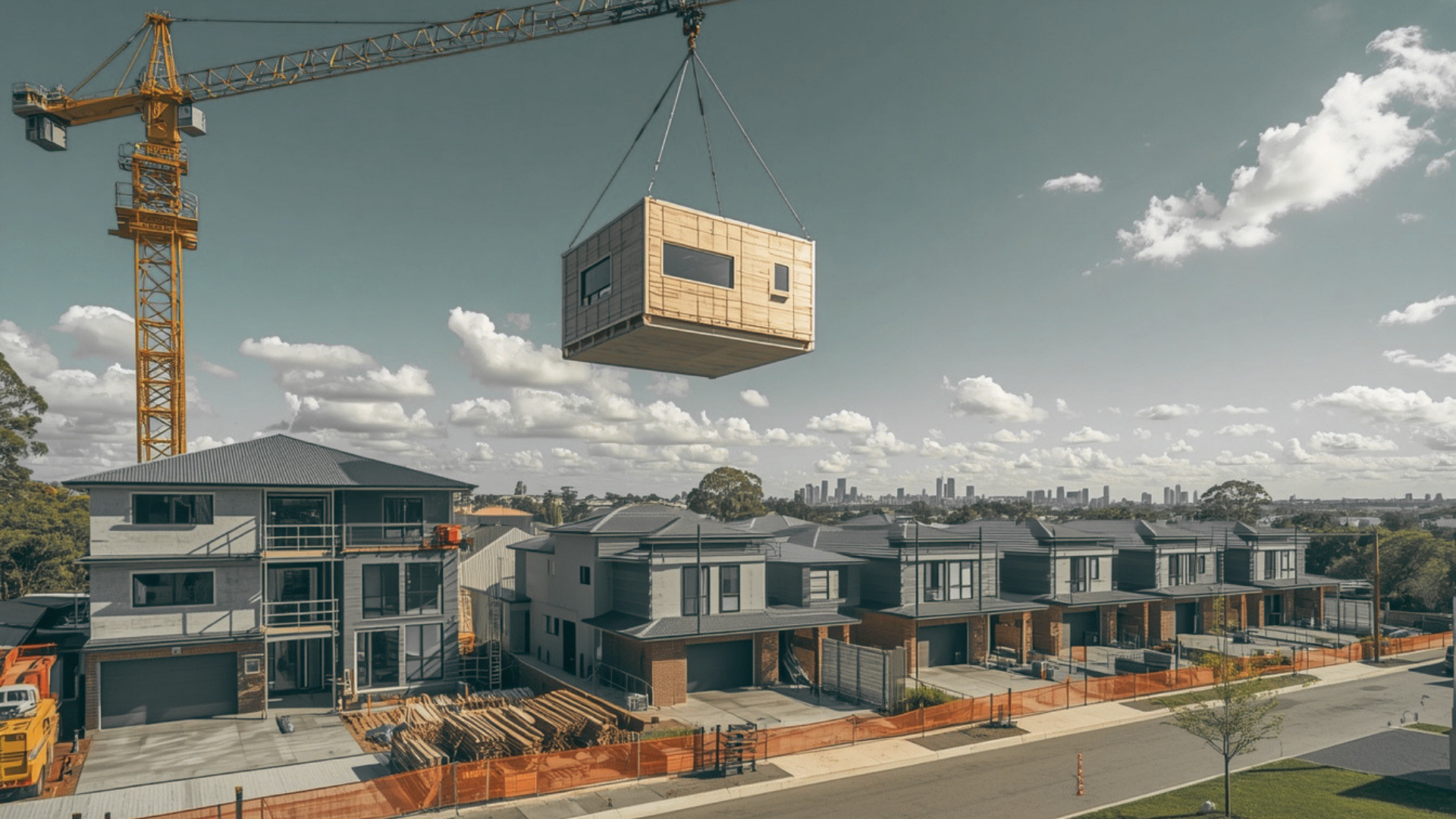
The NSW Government announced on 4 August that its building reforms had passed Parliament, describing the outcome as the beginning of a modern era for approvals and construction methods [12]. The release said NSW had become the leading Australian jurisdiction to set out a clear regulatory framework recognising Modern Methods of Construction, achieved by defining "prefabricated buildings" in law, bringing them inside the building approvals system, and setting rules for how such buildings are manufactured, supplied, transported, delivered and installed [12]. The Government allocated $32.3 million in the 2026/27 Budget to implementation, covering work to modernise the approvals system, integrate it with the NSW Planning Portal, and pilot artificial intelligence tools in licence application processing [12].
On approvals, the release said the legislation draws fragmented and often duplicative processes into a single statute, strips out overlap between building and planning legislation, and creates staged approvals so that construction can begin and occupants can move in earlier [12]. Minor changes to an approved building, illustrated by altering a door size or adding an outdoor tap, would no longer need fresh planning consent where they sit within the approval framework [12]. Requiring only one set of designs for an apartment building to obtain building approval was estimated to save an average of $327,000 per block in design costs [12]. The legislation additionally establishes a dispute resolution framework run by Building Commission NSW, intended to reduce recourse to court proceedings, and raises the maximum penalty for certifiers who breach strengthened conflict of interest rules from $33,000 to $1.1 million [12].
Minister for Housing Rose Jackson said "Prefabricated and modular homes are no longer fringe options. They are central to our housing solutions, and the Minns Labor Government is proud to be leading the nation in our adoption." [12]. NSW Building Commissioner James Sherrard said the reforms "support Building Commission NSW's role as NSW's building regulator by making it easier for people to understand and comply with building requirements." [12]. Matt Pollock, Executive Director of Master Builders NSW, said "The passage of this Bill will deliver a streamlined approvals processes that will cut costs, reduce delays and enhance the viability of new housing projects so the industry can get on with constructing more new homes." [12]. UDIA NSW CEO Stuart Ayres said the Bill "removes the duplicate regulations that have been holding back manufactured homes in land lease communities across NSW" [12].
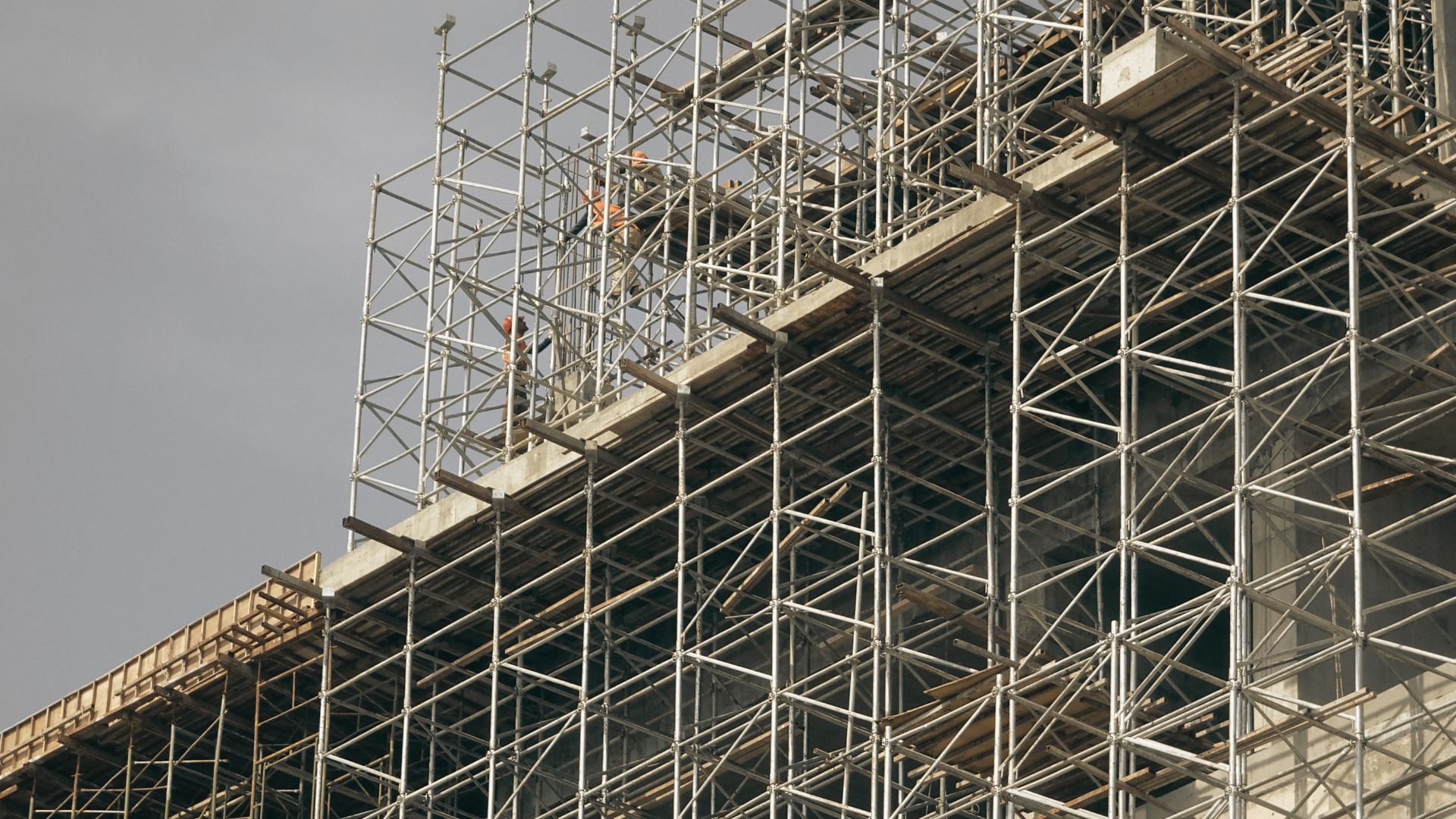
SafeWork NSW issued its 2026-27 Regulatory Statement in the same week, keeping four areas as its compliance and enforcement priorities: hazardous substances; psychosocial risk; mobile plant, vehicles and fixed machinery; and falls from height [3]. Human Resources Director reported the regulator had logged over 600 incidents in which workers fell from height across the previous 12 months, five of them fatal, and in excess of 2,200 service requests tied to psychosocial hazards [3]. SafeWork NSW Commissioner Janet Schorer was reported as saying that holding those priorities steady, largely as they stood in 2025-26, should not be read as grounds for complacency, and as urging businesses in each of the four areas to review what was working and where improvement was needed [3]. Tracey Broers, who is group general manager risk at SKG Services, told the publication "You actually have to visibly demonstrate effective risk management", adding that "These days we're expected to proactively identify risks, engage our workers, implement controls and continually improve our processes." [3].
Housing Approvals and the State Significant Development Pipeline
The Housing Delivery Authority recommended a further 17 proposals for declaration as State Significant Development, 12 of them in metropolitan Sydney and five in regional New South Wales, which the NSW Government said could produce almost 4,000 homes including affordable housing if each is lodged and approved [6]. The release put the running total at 493 proposals declared on the Authority's recommendation, representing close to 153,000 homes, of which 14 have been approved and account for more than 2,500 homes [6]. Applications had been lodged for another 81 projects covering around 26,600 potential homes, and declarations had been revoked from seven proposals that either missed timelines or were abandoned by the applicant [6]. Under the Environmental Planning and Assessment Act 1979, the Authority's recommendations must be published ahead of any declaration [6].
Urban Digest counted 43 State Significant Development status changes in the week to 3 August, made up of 12 new applications, six entering public exhibition and one moving to determination [9]. New applications included a concept approval sought for three towers of 41 to 48 storeys at Byfield Street and Lyonpark Road, a 35-storey mixed-use tower at 15 Blue Street in North Sydney offering a new entrance to North Sydney train station and a publicly accessible plaza, and a warehouse and distribution centre at Blaikie Road, Jamisontown, intended to serve roughly 80 Spotlight Group stores across New South Wales and the Australian Capital Territory [9]. Those entering exhibition included a 37-storey shop-top housing scheme at 271-273 Alfred Street, North Sydney, carrying 15 per cent affordable housing and dependent on rezoning the site to MU1 Mixed Use from E2 Commercial Centre, a 12-storey co-living building of 449 rooms for student accommodation at Nicholson Street, Wollstonecraft, and approximately 95 social and affordable dwellings proposed on surplus NSW Government land at Menangle Road, Camden [9]. The single determination recorded was the Leichhardt Oval refurbishment, covering an upgraded western grandstand, a new northern grandstand and improved accessibility and amenities, with no change to overall spectator capacity [9].
Parramatta Times reported a $100 million conversion of the 14-storey office tower at 10 Valentine Avenue, next to Parramatta Station, into student accommodation for up to 600 people, under a partnership between Holdmark Property Group and Western Sydney University [11]. Finished in the late 1980s, the tower holds roughly 16,000 square metres of commercial floor space and housed NSW Government departments until they moved to Parramatta Square [11]. Holdmark Chief Operating Officer Kevin Nassif said "Rather than demolishing an older building and starting again, we are giving an existing asset a new purpose through a major refurbishment that will deliver high-quality accommodation, outstanding student amenities and renewed activity in this important part of the Parramatta CBD." [11]. Bill Parasiris, Chief Operating Officer at Western Sydney University, said the project would "deliver modern, purpose-built accommodation within walking distance of our Parramatta CBD campus, public transport and the many employment, cultural and lifestyle opportunities Parramatta has to offer." [11]. Refurbishment was reported as due to begin the following month, with the first residents expected in the final quarter of 2027 [11].
At the local government level, the City of Coffs Harbour resolved at its 23 July meeting to lodge a planning proposal with the NSW Department of Planning, Housing and Infrastructure, seeking gateway determination to remove the 800 square metre minimum lot size that currently limits dual occupancy in zone R2 Low Density Residential [4]. Inside Local Government reported the change would make about 5,000 further properties eligible, lifting the number of R2 lots able to accommodate a dual occupancy from roughly 6,000 to around 11,000 [4]. Mayor Nikki Williams said "We see this as an enabler for a greater variety and supply of affordable housing in existing neighbourhoods" [4]. Ian Fitzgibbon, City Planning and Communities Director, said a linked amendment to the Coffs Harbour Development Control Plan would bring in design-based controls covering streetscape presentation, built form, residential amenity and landscaping [4].
Health Infrastructure and Enabling Works
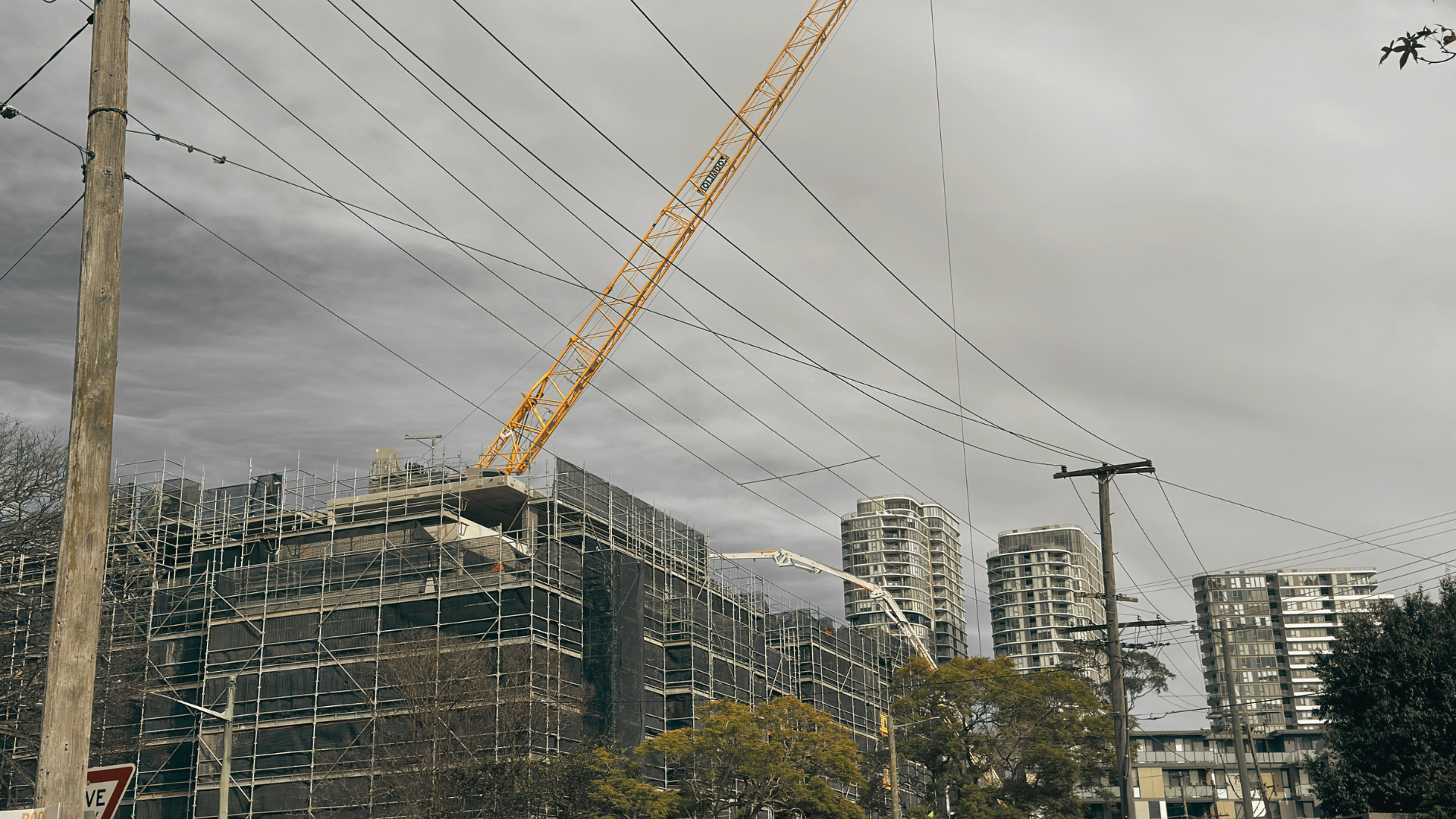
Construction of the new eight-storey hospital at Shellharbour reached its highest point, marked by a topping-out ceremony [1]. Inside Construction reported the building sits within the New Shellharbour Hospital and Integrated Services project, valued at $828.9 million and funded jointly by the NSW and Australian governments, with BESIX Watpac as principal contractor working alongside the Illawarra Shoalhaven Local Health District [1]. Internal fit-out and installation of the facade are now under way, with construction due to finish in late 2027 [1]. Services planned for the completed hospital include acute medical care, an enlarged emergency department, facilities for specialised elective surgery, rehabilitation and aged care, a Paediatric Assessment Unit and broader mental health provision, together with a rooftop helipad and a 15,000 square metre garden developed with local Aboriginal community groups [1]. The project was reported as supporting close to 800 direct jobs, with the potential for several hundred more indirectly over its life [1].
On the South Coast, installation of medical equipment, internal fit-out and works on external infrastructure were reported as progressing at the new Eurobodalla Regional Hospital, a $330 million NSW Government investment due for completion in 2027 [10]. Multiplex holds the main works contract, having been appointed in 2024 [10]. Equipment going in includes MRI, CT, X-ray and ultrasound systems, while the helipad and upgrades to access roads and the Princes Highway connection remain under construction [10]. The hospital will contain an Intensive Care and Close Observation Unit of eight beds, the first intensive care capability available in the Eurobodalla region [10]. Work is also progressing on the Batemans Bay Community Health facility, a separate project worth $20 million, where the facade is close to complete and fit-out well advanced, with construction expected to conclude late in 2026 [10]. The reporting noted that neither building has opened to patients, and that each must finish construction, commissioning and readiness for operation before services start [10].
Enabling infrastructure also moved in Sydney's south-west, where the NSW Government confirmed it was proceeding with a second stage of water and wastewater works at Wilton [5]. Stage 2 will service roughly 4,000 additional homes and double Wilton's overall servicing capacity to about 8,000 homes and businesses [5]. The stage sits in early planning and design, with pre-delivery work that includes a partnership with Landcom, the NSW Government's property developer, on its development at North Wilton [5]. Sydney Water has contracted Haslin Constructions for the upgrade of the Wilton Water Resource Recovery Facility, which the Government said would lift local wastewater treatment capacity and help cut truck movements through the area [5]. Stage 1, taking in that facility together with new pumping stations, reservoirs and pipelines, is on track to finish at the end of 2027 [5]. Minister for Water Rose Jackson said "We need and want more homes but they can't be built without the essential pipes and pumps that support them." [5].
Transmission, Renewable Energy Zones and Industrial Investment
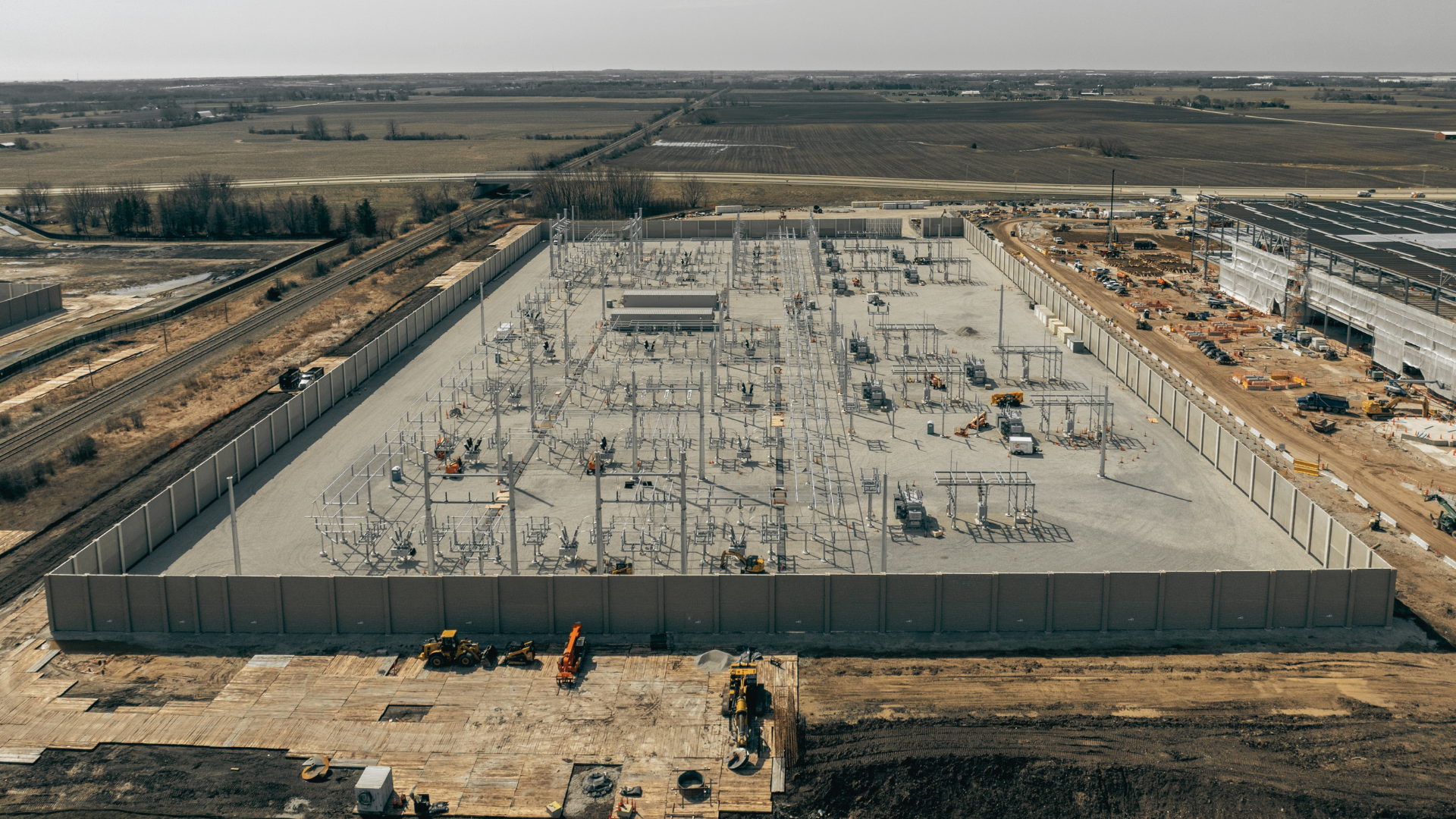
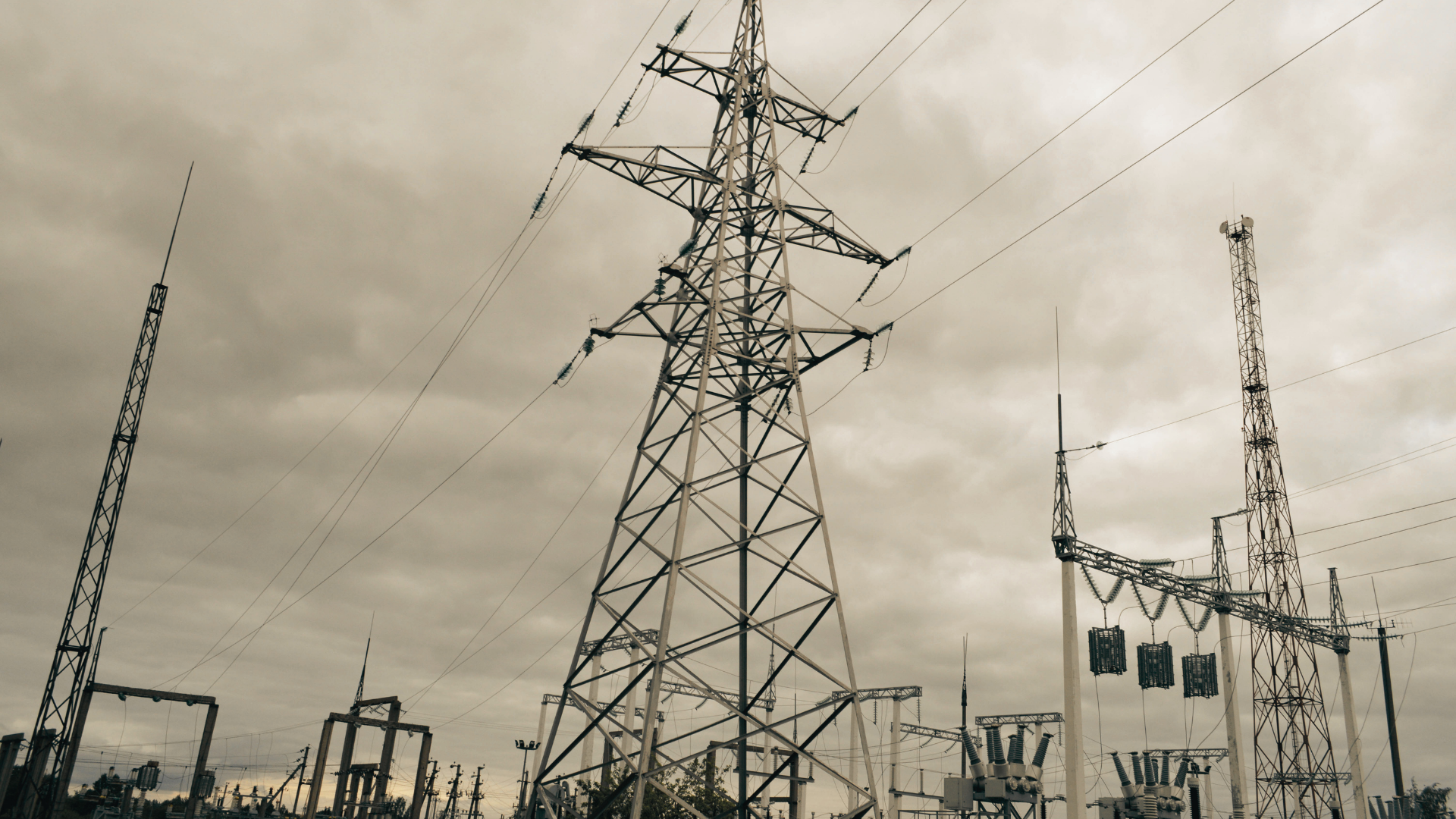
The Hunter Transmission Project received state planning approval, which Renew Economy reported as allowing procurement and the engagement of contractors to proceed [7]. The 110 km overhead 500 kV line runs from Bayswater, in the Upper Hunter, to Olney in the Lower Hunter, replacing existing lines that cannot carry enough power to consumers from the renewable energy zones the state has proposed [7]. Energy Minister Penny Sharpe said "The Hunter Transmission Project is one of the most important energy projects in NSW because it will help keep the lights on as ageing coal-fired power stations retire." [7]. Sharpe said roughly 90 per cent of the route would sit on mining, energy and government-owned land, and EnergyCo put the count of directly affected private properties at fewer than 20, reduced from around 70 following community feedback [7]. The project was reported as supporting about 830 construction jobs, more than 160 of them in the Hunter, and around 1,500 direct and indirect jobs statewide, with Commonwealth approval still required, construction due to start later this year and completion targeted for late 2029 [7].
The ABC reported that planning had begun on upgrades to infrastructure only recently completed in the South West Renewable Energy Zone [2]. Transgrid's 700-kilometre Project EnergyConnect, linking New South Wales to the South Australian and Victorian grids, finished at $3.6 billion against an initial estimate of $2.3 billion, an increase of 56 per cent, and the company has applied to the Australian Energy Regulator to recover part of that through consumers' power bills [2]. The upgrade will take the Dinawan substation and the line to Wagga Wagga from 330 to 500 kilovolts and rebuild an 11 kilometre section east of Wagga Wagga dating from 1973, with the NSW Government putting in $225 million toward early works including procurement of long lead-time equipment [2]. EnergyCo executive project director Phil Bratby said "The network capacity for the South West REZ has always been planned to be delivered in stages", describing the work as "the last piece of the puzzle to get up to the full network capacity that is required to get the generation in the REZ going." [2]. Work is expected to start in 2027 and run for two years [2].
Hunter Business Review reported that Greensteel Australia had secured the 70,000 square metre site at 51 Industrial Drive, Mayfield North, in an announcement made on 7 July, and would spend $500 million on what the publication described as the first new steel mill built in Australia for over three decades, running wholly on electricity with no gas at any point in the process [8]. For most of the twentieth century the site held the BHP Newcastle Steelworks [8]. Output was put at up to 600,000 tonnes of finished steel each year, destined for the housing, transport and energy sectors, with reinforcing bar to be produced first and wire rod and coil at later stages, and the company expecting the additional local supply to cut the construction industry's dependence on imported steel and, over time, help steady and reduce prices for Australian builders [8]. Head of Government Relations Patrick Buchan said "The investment was made possible by the recent policy directions set by the NSW and Federal Governments." [8]. Chairman Ross Garnaut AC said "Every tonne of steel we forge at Mayfield is a tonne Australia doesn't have to import." [8]. Refurbishment at the site was reported as starting before the end of this year, with the all-electric induction furnace, which Danieli of Italy will supply, arriving from October 2027, the mill expected to operate from January 2028, and over 200 direct full-time staff to be employed [8].
Final Thoughts
Two patterns organise the week's coverage. The first is that reporting concentrated on approval machinery rather than on individual consents. Statutory recognition of prefabricated buildings, consolidation of building and planning approvals into a single instrument, and a thirty-three-fold increase in the maximum certifier conflict of interest penalty [12] sat alongside a planning pipeline measured in declarations and status changes rather than completions [6, 9], and a council seeking to alter a lot size control rather than to approve a project [4]. The composition of reporting was consistent with attention moving upstream, toward the rules that govern how quickly work can start, rather than toward the projects themselves.
The second pattern is the weighting of delivery reporting toward enabling and social infrastructure. Transmission capacity in the Hunter and the state's south-west [2, 7], water and wastewater servicing at Wilton [5], and domestic steel supply at Mayfield [8] were each reported as preconditions for work that follows rather than as finished products in their own right. Health projects supplied the visible milestones, with a topping out at Shellharbour [1] and fit-out under way at Eurobodalla [10], while the student accommodation conversion at Parramatta [11] was reported as reuse of existing building stock rather than new construction. Against that delivery activity, the regulator's published enforcement priorities were reported as unchanged from the previous year [3].
-
Inside Construction (29 July 2026). New Shellharbour Hospital tops out. https://www.insideconstruction.com.au/new-shellharbour-hospital-tops-out
-
ABC News (30 July 2026). South West REZ upgrade begins months after $3.6 billion transmission line completed. https://www.abc.net.au/news/2026-07-31/south-west-rez-upgrade-underway/106961958
-
Human Resources Director (30 July 2026). SafeWork NSW's message to employers: Prove it, don't just police it. https://www.hcamag.com/au/specialisation/workplace-health-and-safety/safework-nsws-message-to-employers-prove-it-dont-just-police-it/584253
-
Inside Local Government (30 July 2026). Coffs Harbour council seeks to unlock housing supply through planning rule change. https://insidelocalgovernment.com.au/coffs-harbour-council-seeks-to-unlock-housing-supply-through-planning-rule-change
-
NSW Government (30 July 2026). Critical water infrastructure to unlock thousands of new homes in Wilton. https://www.nsw.gov.au/ministerial-releases/critical-water-infrastructure-to-unlock-thousands-of-new-homes-wilton
-
NSW Government (30 July 2026). HDA housing pipeline grows by close to 4000 homes. https://www.nsw.gov.au/ministerial-releases/hda-housing-pipeline-grows-by-close-to-4000-homes
-
Renew Economy (30 July 2026). State greenlights new transmission backbone for coal country, to help keep lights on as plants retire. https://reneweconomy.com.au/state-greenlights-new-transmission-backbone-for-coal-country-to-help-keep-lights-on-as-plants-retire/
-
Hunter Business Review (31 July 2026). $500 million investment in Hunter steelmaking. https://hbrmag.com.au/article/read/500-million-investment-in-hunter-steelmaking-3389
-
Urban Digest (1 August 2026). 43 NSW State Significant Development Updates, 3 August 2026. https://urbandigest.com.au/urban-digest-weekly-43-nsw-ssd-updates-3-august-2026
-
Australian Financial News Daily (2 August 2026). Construction Advances on New Eurobodalla Regional Hospital and Batemans Bay Health Facility. https://afndaily.com.au/2026/08/02/construction-advances-on-new-eurobodalla-regional-hospital-and-batemans-bay-health-facility
-
Parramatta Times (2 August 2026). $100M student housing project planned for Parramatta CBD. https://www.parramattatimes.com.au/news/item/3414-100m-student-housing-project-planned-for-parramatta-cbd
-
NSW Government (4 August 2026). A modern era of construction methods and approvals begins. https://www.nsw.gov.au/ministerial-releases/a-modern-era-of-construction-methods-and-approvals-begins
The Pulse collates the latest news and opinions from third-party sources. Links, snippets or text are generated by an artificial intelligence engine. The Pulse aggregates news reports and does not claim to have copyright to the content. We have not fact-checked that content and cannot vouch for its accuracy or completeness. Nor do we endorse the opinions expressed by the authors or primary publishers. The content is provided as general information only and should not be relied on as a substitute for professional advice. You should contact the source to verify any factual content as well as taking specialist advice that takes your personal objectives and circumstances into account.
.png)
Kreisson
Produced by the team at Kreisson.
Browse Past Issues

.jpg)
Kreisson
We provide the construction industry with simple, easy to understand, solution-based legal advice.